

You’re not dealing with water stains on your ceiling anymore. The fireplace actually works without smoking up your living room. Your chimney isn’t shedding bricks onto the driveway every time the temperature drops.
That’s what happens when freeze-thaw damage gets addressed before it turns into a five-figure problem. New Jersey winters are brutal on masonry – water gets into tiny cracks, freezes, expands, and breaks apart your chimney from the inside out. Most homeowners don’t notice until the damage is obvious, and by then you’re looking at a partial rebuild instead of a repair.
We stop that cycle. Proper waterproofing, repointing where the mortar’s failed, crown repairs that actually shed water instead of collecting it. The work holds up because it’s done with the right materials and the right process – not shortcuts that’ll fail in two years.
You get a chimney that vents properly, doesn’t leak, and isn’t a safety risk every time you light a fire. That’s the outcome that matters.
Proline Construction has been handling exterior work across Essex County long enough to know what breaks and why. Montclair’s housing stock is old – median build year of 1938 means Colonials, Tudors, Victorians with chimneys that weren’t built for modern heating systems or today’s weather extremes.
We’re a licensed and insured masonry company that does this work full-time. Not a handyman with a trowel. Not a roofing crew that does chimneys on the side. This is what we do, and we do it in towns where the homes actually require someone who understands historic construction.
You’re not getting a salesperson at your door. You’re getting someone who can tell you what’s wrong, what it’ll take to fix it, and what it costs. Then we do the work, clean up, and move on. That’s how it should be.

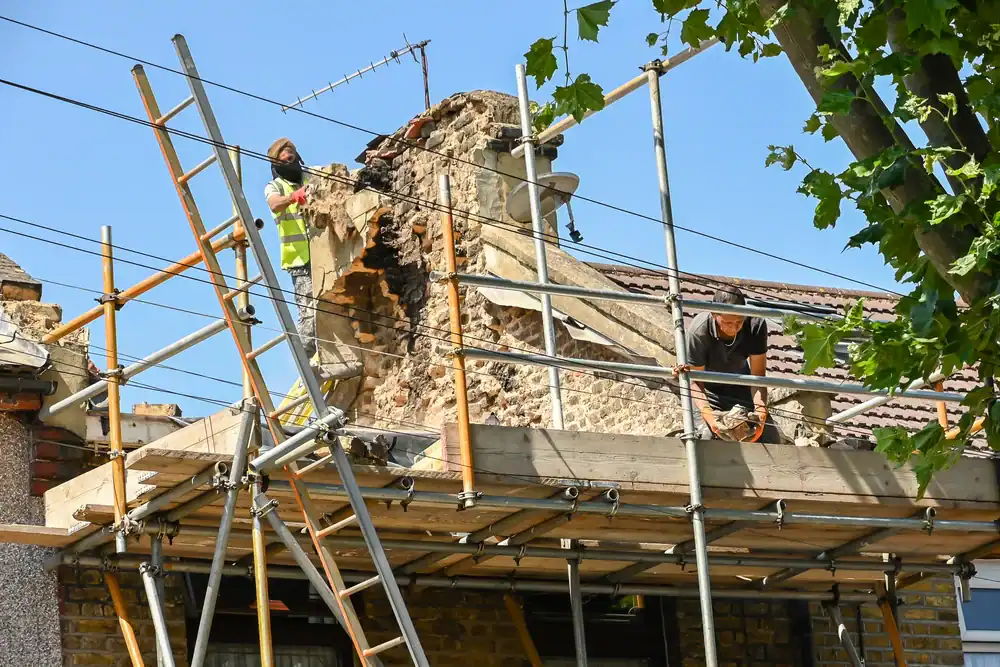
First, we inspect the entire chimney – not just the part you called about. Crown, flashing, mortar joints, liner if we can access it, flue condition. We’re looking for what’s failing now and what’s about to fail, because fixing one leak while ignoring the cracked crown above it is a waste of your money.
You get a clear explanation of what we found and what needs to happen. If it’s repointing, we’re grinding out the old mortar and replacing it with the right mix – not just smearing new stuff over old. If the crown’s cracked, we’re rebuilding it with proper slope and overhang. Flashing gets replaced if it’s rusted or improperly installed, which it usually is.
The work happens when we say it will. We protect your property, do the repair, let it cure properly if it’s masonry work, and clean up when we’re done. Then we walk you through what we did so you know exactly what you paid for.
Most jobs take one to three days depending on scope. Emergency repairs for active leaks or safety issues get prioritized, especially during heating season when a non-functioning chimney isn’t just an inconvenience.

Ready to get started?
You’re getting a full masonry evaluation, not just a patch job on the obvious problem. That includes chimney crown repair or replacement, because that concrete cap at the top is your first line of defense against water intrusion. When it cracks – and in Montclair’s freeze-thaw cycles, it will – water pours straight down into your chimney structure.
Repointing is where we remove deteriorated mortar and replace it with new material that matches the original in strength and appearance. This matters in historic homes where the mortar is often softer than modern mixes, and using the wrong type can actually damage old bricks. Flashing repair or replacement stops leaks where your chimney meets the roof – one of the most common failure points we see.
Brick replacement for sections where the masonry has deteriorated beyond repair. Waterproofing treatments that let the chimney breathe while keeping water out. Chimney cap installation to keep animals, rain, and debris out of your flue.
If you need fireplace repair because the firebox is damaged or the damper isn’t sealing, we handle that too. And if your chimney’s too far gone for repair, we’ll tell you that upfront instead of taking your money for a fix that won’t last. Montclair has enough contractors who’ll string you along – you don’t need another one.

If more than 25% of the chimney structure is damaged, you’re usually looking at a rebuild instead of a repair. That includes situations where the chimney is leaning, has major cracks running vertically through multiple courses of brick, or has extensive spalling where the brick faces are flaking off in sheets.
Repairs make sense when the damage is localized. Cracked crown, failed flashing, deteriorated mortar joints in specific sections, damaged chimney cap – these are all repairable issues that don’t require tearing down the whole structure. The key is catching them before water intrusion causes structural damage to the bricks themselves.
We’ll tell you honestly which situation you’re in. A rebuild costs significantly more, so there’s no point recommending one unless it’s actually necessary. But there’s also no point doing a repair that’ll fail in two years because the underlying structure is compromised. You need someone who can assess the actual condition and give you a straight answer, not a sales pitch.
Most chimney leaks come from four places: cracked crown, failed flashing, deteriorated mortar joints, or a missing or damaged chimney cap. Water finds the path of least resistance, so if any of these barriers fail, you’re getting water inside your chimney and eventually inside your home.
The crown is that concrete top that slopes away from the flue. When it cracks from freeze-thaw cycles, water pools and seeps down into the chimney structure. We rebuild crowns with proper slope, overhang, and reinforcement so they actually shed water. Flashing is the metal that seals where your chimney meets the roof – when it rusts or pulls away, water runs straight down the outside of the chimney and into your attic. We replace flashing and seal it correctly so it moves with your roof without breaking the seal.
Deteriorated mortar joints let water penetrate the chimney wall itself. Repointing those joints with appropriate mortar stops the intrusion. A chimney cap covers the flue opening and keeps rain from pouring directly down your chimney. Fixing leaks permanently means addressing the actual source, not just treating the symptoms you see inside your house.
Basic repointing runs $1,000 to $3,000 depending on how much of the chimney needs work and how accessible it is. Crown repair or replacement typically costs $800 to $1,500. Flashing replacement runs $600 to $1,200. A full chimney rebuild starts around $8,000 and goes up from there based on height and complexity.
These are ranges, not quotes, because every chimney is different. A two-story Colonial with easy roof access costs less to work on than a three-story Tudor with steep rooflines. Matching historic brick costs more than standard replacement brick. The extent of damage matters – if we find structural issues once we start the work, the scope can change.
What you’re really paying for is the expertise to diagnose the problem correctly and the skill to fix it so it lasts. Cheap chimney work fails fast, especially in New Jersey’s climate. You can find someone who’ll do it for less – and then you’ll be calling someone else in two years to fix what they did plus the new damage that happened because it wasn’t done right the first time. We price our work fairly for the quality and longevity you’re getting.
Late spring through early fall is ideal for chimney work. Masonry needs time to cure properly, and that doesn’t happen well in freezing temperatures or when it’s getting rained on constantly. Most mortar products require temperatures above 40 degrees for proper setting, and you want several days of decent weather after the work is done.
Scheduling during the warmer months also means better availability. Once October hits and people start thinking about using their fireplaces, chimney sweep companies and repair contractors get slammed with calls. If you wait until you smell smoke in your living room or notice a leak during the first cold snap, you’re competing with everyone else who put it off.
That said, we handle emergency repairs year-round when safety is a concern. If your chimney is actively leaking and causing interior damage, or if there’s a structural issue that makes it unsafe to use, we’ll get out there regardless of season. But for planned maintenance and non-emergency repairs, book it when the weather cooperates and our schedule isn’t packed. You’ll get better availability, and the work will cure properly.
Not during the actual repair work, and usually not for a few days after depending on what we did. If we’re doing repointing or crown work, the new mortar needs time to cure before it’s exposed to heat and combustion byproducts. Using the fireplace too soon can cause the fresh mortar to crack or fail.
For most repairs, you’re looking at 3-7 days before you can use the fireplace again. We’ll give you a specific timeline based on the work performed and weather conditions. If it’s cold and damp, curing takes longer. If it’s warm and dry, the mortar sets up faster.
If you absolutely need heating during the repair period, that’s what your furnace is for. We’re not trying to inconvenience you – we’re making sure the repair actually lasts. Rushing the cure time to use your fireplace a few days earlier can compromise months or years of durability. Most people can wait a week. If the timing doesn’t work for you, schedule the repair during a period when you won’t need the fireplace.
Yes, and we understand the specific requirements that come with them. Historic homes in Montclair – your Colonials, Tudors, Victorians from the early 1900s – have chimney systems that were built differently than modern construction. The bricks are often softer, the mortar is lime-based instead of Portland cement, and the construction methods require matching materials and techniques.
Using modern hard mortar on a historic chimney can actually damage the original bricks because the mortar becomes stronger than the brick itself. When freeze-thaw cycles happen, the brick fails instead of the mortar. We use appropriate mortar mixes that match the hardness and composition of what was originally used. Same goes for brick replacement – we source materials that match the size, color, and texture of your existing chimney so repairs don’t stand out.
We also understand that many historic chimneys weren’t built for modern heating systems. If you’ve converted from a coal furnace to gas or oil, your chimney might not be properly lined for the new system. We can assess whether your chimney is safe for current use and recommend solutions that preserve the historic character while meeting modern safety standards. That’s the balance you need when working on these homes.
Other Services we provide in Montclair