
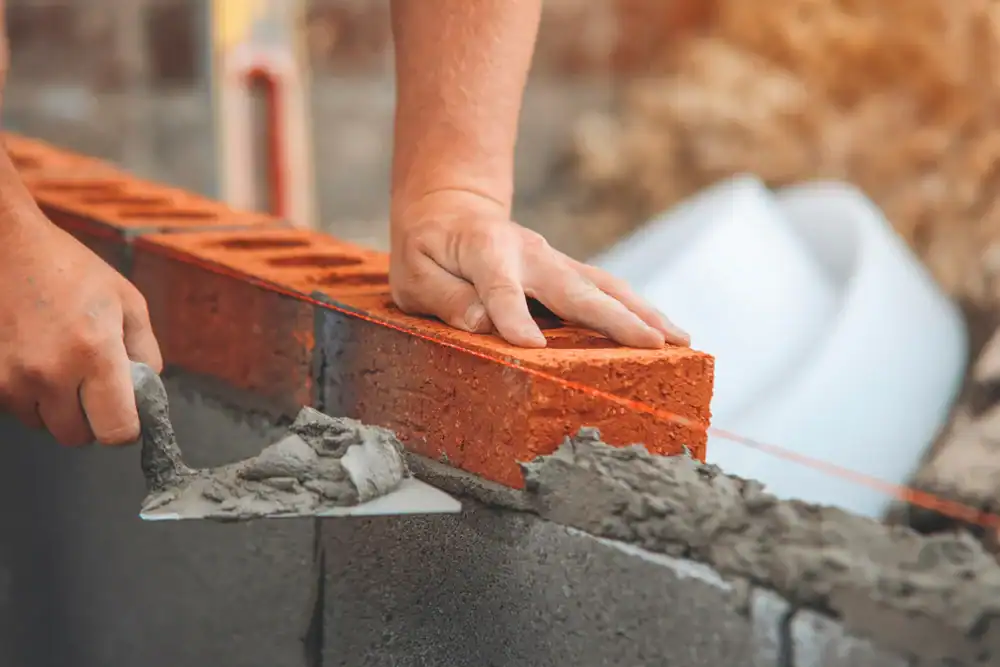

Cracked mortar isn’t just ugly. It’s an entry point for water, which freezes, expands, and makes the problem worse every winter. That’s how a small crack becomes a structural issue.
When masonry is done right, you stop that cycle. Water stays out. Your chimney works safely. Your retaining walls don’t bow or shift. Brick veneers stay tight to the structure.
You also avoid the bigger bills that come from waiting. A repoint now costs less than a rebuild later. A chimney repair before the liner fails is cheaper than dealing with carbon monoxide or a house fire. Proper masonry work protects what you’ve already invested in your home, and it keeps your property value intact when it’s time to sell or refinance.
We handle masonry the same way we handle roofing, siding, and gutters—with no shortcuts and no surprises. We’ve worked on homes across Caldwell, Montclair, Bloomfield, and the surrounding Essex County area long enough to know what fails and why.
North Jersey weather is tough on masonry. Freeze-thaw cycles crack mortar. Heavy rain finds every weak spot. Humidity speeds up deterioration. We’ve seen it all, and we know how to fix it so it holds up.
We don’t oversell. We show up, assess the damage, explain what needs to happen, and give you a clear price upfront. No hidden charges. No upselling services you don’t need. Just honest work done right.

First, we come out and look at the problem. Chimney leaking? Brick wall cracking? Walkway sinking? We assess the damage, figure out what’s causing it, and determine whether it’s a repair or a replacement situation.
Then we give you a free estimate that breaks down the work and the cost. No vague “we’ll figure it out later” pricing. You know what you’re paying before we start.
Once you approve, we schedule the work and show up when we say we will. Our crew handles everything—demo, prep, installation, cleanup. We use quality materials that match your existing masonry and meet local building codes. Whether it’s repointing mortar, rebuilding a chimney crown, installing a brick paver patio, or constructing a retaining brick wall, we manage the job from start to finish.
When we’re done, the work is solid. You’re not calling us back in six months because something failed. That’s the point.

Ready to get started?
We handle chimney repairs—cracked crowns, damaged flashing, deteriorating mortar joints, liner issues. If your chimney is leaking or your fireplace isn’t drafting right, that’s usually where the problem is.
Brick and stone walls are another common job. Whether it’s a retaining wall that’s starting to lean, a garden wall that needs repointing, or brick veneers pulling away from the house, we rebuild or repair it so it’s structurally sound. Caldwell has plenty of older homes with original masonry that needs attention, and we’ve worked on most of the common issues.
We also do concrete work—walkways, steps, patios, driveways. Brick paving is popular here because it looks good and handles freeze-thaw better than poured concrete when it’s installed correctly. We make sure the base is right, the drainage works, and the surface stays level.
Masonry maintenance matters too. Repointing mortar joints before they fail completely saves money. Sealing brick and stone prevents moisture damage. We can walk you through what makes sense for your property based on its age and condition.

It depends on what’s wrong. Repointing mortar joints might run $1,000 to $3,000. Rebuilding a chimney crown could be $1,500 to $3,500. A full chimney rebuild from the roofline up can hit $5,000 to $10,000 or more.
The price comes down to how much is damaged and how accessible the chimney is. A two-story house with a steep roof costs more to work on than a ranch. If the flashing is shot or the liner needs replacing, that adds to the total.
We give you an exact number after we inspect it. No ballpark guessing. We measure, assess, and price it out so there’s no confusion about what you’re paying for.
Water is usually the culprit. Mortar is porous, so it absorbs moisture. When that moisture freezes, it expands and cracks the mortar. Over time, those cracks get bigger, and chunks start falling out.
Poor installation makes it worse. If the mortar mix was wrong or the joints weren’t packed tight, it fails faster. Age is a factor too—mortar doesn’t last forever. Older homes in Caldwell often have original mortar that’s just reached the end of its lifespan.
Once mortar starts failing, it doesn’t fix itself. Water gets deeper into the wall, and the damage spreads. Repointing the joints stops that process, but it has to be done right. Using the wrong mortar mix or skipping proper prep just means you’ll be doing it again in a few years.
Done right, masonry repair should last 20 to 30 years or more. That assumes proper materials, correct installation, and reasonable maintenance.
New Jersey weather is hard on masonry. Freeze-thaw cycles, heavy rain, humidity—it all takes a toll. But quality mortar, proper flashing, and good drainage make a huge difference. Cheap fixes fail fast. Corners get cut, water gets in, and you’re back to square one in five years.
We use mortar that matches the strength and composition of your existing masonry. We make sure water drains away from the structure. We don’t rush the curing process. Those details matter, and they’re what separate a repair that lasts from one that doesn’t.
Yes, but it takes some effort. Mortar color comes from the sand and cement mix. We can adjust the mix to get close, and we can add pigment if needed to match older mortar.
Brick matching is trickier because brick changes color over time. UV exposure, weathering, and efflorescence all affect how it looks. We source brick that’s as close as possible to your existing material, and sometimes we’ll use reclaimed brick if that’s a better match.
Perfect matches are rare, especially on older homes. But we get close enough that the repair blends in and doesn’t stick out like a sore thumb. After a year of weathering, the difference usually becomes even less noticeable.
It depends on the scope of work. Small repairs like repointing or patching usually don’t require a permit. Structural work—rebuilding a chimney, constructing a retaining wall over a certain height, or adding new masonry construction—typically does.
Caldwell follows New Jersey construction codes, and those codes are strict about structural masonry. If the work affects the stability of the structure or involves significant changes, you need a permit. That means inspections, which means the work has to meet code.
We handle permit applications when they’re required. We know what the township expects, and we make sure the work passes inspection. Skipping permits might seem easier, but it causes problems when you sell the house or file an insurance claim.
If the damage is limited to the crown, flashing, or mortar joints, repair usually makes sense. If the chimney is leaning, the bricks are crumbling throughout, or the structure is compromised, replacement is the safer call.
We look at a few things during inspection: Is the chimney plumb, or is it tilting? Are the bricks spalling (flaking apart)? Is the mortar missing in multiple areas? Is there water damage inside the house near the chimney? How old is the chimney, and what’s its overall condition?
A full replacement costs more upfront, but it’s often cheaper than doing multiple repairs over the next few years on a chimney that’s too far gone. We’ll tell you honestly which route makes sense based on what we find. If a repair will hold up, we’ll recommend that. If it won’t, we’ll explain why replacement is the better move.
Other Services we provide in Caldwell