

You’re looking at your backyard and seeing wasted potential. Maybe it’s an old concrete patio that’s cracked and stained. Maybe it’s just grass that nobody uses because there’s nowhere comfortable to sit, no reason to go outside except to mow.
A well-designed patio changes that. It becomes the place where your family actually spends time—where you have coffee in the morning, where friends gather on weekends, where your kids play while you’re cooking dinner. Not someday. This season.
The right paver stones do more than look good. They handle Morris County winters without cracking. They don’t need sealing or resurfacing every few years. They stay level because they’re designed to flex with freeze-thaw cycles instead of fighting them. And if one ever needs replacing, you swap it out—no jackhammering required.
You’re not just adding a patio. You’re adding functional space that increases your home’s value the day it’s finished, typically returning 1.5 to 3 times the installation cost when you sell.
We’ve been working in Chatham and throughout Morris County for more than three decades. We know the soil conditions here, the drainage challenges that come with older properties, and what materials hold up to New Jersey weather.
We’re certified in construction codes and regulations, and we use that knowledge on every project—not to upsell you, but to build something that lasts. Our crews show up on time, keep the site clean, and finish when we say we will.
Every patio installation comes with a five-year guarantee on workmanship. We price projects upfront with no hidden fees, and we manage every detail from permits to cleanup so you don’t have to chase down subcontractors or wonder what’s happening next.

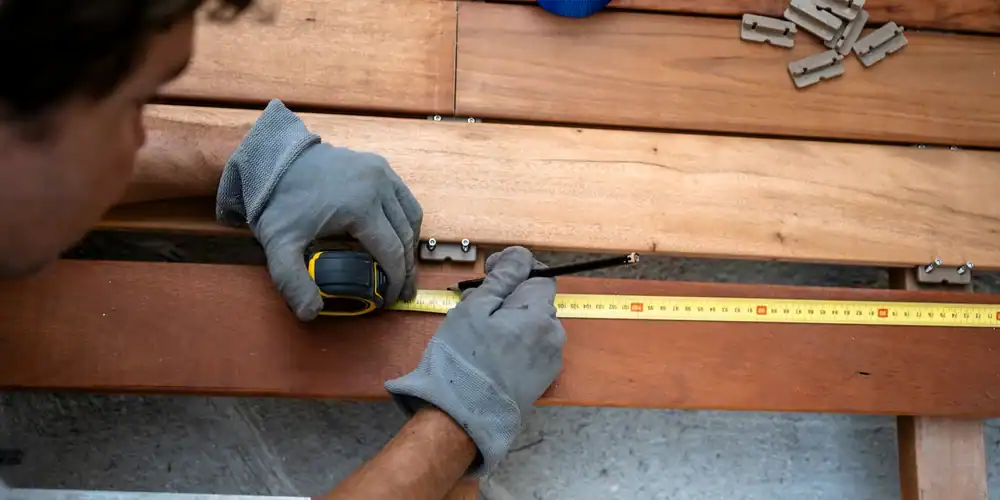
We start with a site visit at your property. You show us the space, tell us how you want to use it, and we take measurements and check drainage, grade, and any obstacles like tree roots or utility lines.
From there, we design the layout. You’ll see options for paver styles—Cambridge and Techo-Bloc are what we install most often because they’re durable and come in dozens of colors and patterns. We’ll talk about size, shape, whether you want built-in seating or planters, and how the patio connects to your home and yard.
Once you approve the design and pricing, we pull permits and schedule the work. Demo and excavation happen first if you’re replacing an existing patio. Then we build a compacted base, set edge restraints, lay the pavers in your chosen pattern, and finish with polymeric sand in the joints to lock everything in place.
Most patios take one to two weeks depending on size and complexity. We clean up daily and do a final walkthrough with you before we consider the job done.

Ready to get started?
Every patio project includes proper excavation and base preparation—this is what prevents settling and keeps pavers level for decades. We don’t cut corners here because the base is what matters most.
You’ll get premium paver stones from brands like Cambridge, which are twice as strong as poured concrete and come with a lifetime manufacturer warranty. These pavers are slip-resistant, even around pools, and they meet ADA standards for safety.
We handle grading and drainage so water moves away from your foundation. In Chatham, where many properties have mature landscaping and limited space, this often means integrating the patio into existing slopes and garden beds without disrupting what’s already working.
If you want extras like landscape lighting, fire pits, or seat walls, we build those in during installation—not as an afterthought. The goal is an outdoor living space that feels like an extension of your home, not a separate add-on. We’re seeing more homeowners in Chatham request multi-functional designs with modular seating and planters, especially on smaller lots where every square foot counts.

Most patio projects in Chatham range from $8,000 to $25,000 depending on size, materials, and site conditions. A standard 12×12 patio with mid-grade pavers typically runs $6,000 to $10,000 installed.
The biggest cost factors are excavation depth, base materials, and paver quality. If your yard has drainage issues or needs significant grading work, that adds to the total. Premium pavers with intricate patterns or borders cost more than basic styles, but they also add more to resale value.
We price every project upfront after seeing your property. That quote includes materials, labor, permits, and cleanup—no surprises halfway through. Financing is available if you’d rather spread payments out, and we can adjust the design to fit your budget without sacrificing quality where it matters.
Pavers outlast concrete and require less maintenance over time. Concrete cracks in freeze-thaw cycles, which we get plenty of in New Jersey. Once it cracks, your only fix is resurfacing or replacement.
Pavers flex with ground movement instead of cracking. If the base settles in one spot, you lift those pavers, add base material, and reset them—takes an hour, not a full demo. Concrete doesn’t give you that option.
Pavers also don’t need sealing, they’re slip-resistant even when wet, and if you ever want to change the look or expand the patio, you’re working with individual units instead of one giant slab. For Chatham properties where longevity and low maintenance matter, pavers are the smarter investment. They cost more upfront but save you money and hassle over the next 20 to 30 years.
Most patios take one to two weeks from start to finish. Smaller projects under 200 square feet might wrap up in a week. Larger or more complex designs with multiple levels, built-in features, or challenging site conditions can take three weeks.
Weather affects the timeline—we can’t pour base material or set pavers in heavy rain. Permit approval in Chatham usually takes a few days, and we factor that into the schedule before we start.
We’ll give you a specific timeline during the estimate based on your project scope. Once we start, we work straight through unless weather stops us. You’ll know exactly when we’re showing up each day, and we clean up the site every afternoon so your yard stays usable.
Most patio projects in Chatham require a permit, especially if you’re adding more than 200 square feet or making changes to drainage and grading. The township wants to make sure water runoff doesn’t create problems for neighboring properties.
We handle the permit process as part of our service. We submit the plans, coordinate inspections, and make sure everything meets local building codes. You don’t have to visit the municipal building or deal with paperwork.
Permit costs are typically a few hundred dollars and are included in your project quote. Skipping permits might seem like a shortcut, but it creates problems when you sell your home—buyers’ inspectors flag unpermitted work, and you’ll either need to get retroactive approval or pay to have it removed. Better to do it right the first time.
Cambridge pavers are what we install most often in Chatham because they’re engineered specifically for freeze-thaw climates. They’re made from high-density concrete that’s twice as strong as standard concrete, and they come with a lifetime warranty against cracking and fading.
Techo-Bloc is another solid option with similar durability and a wider range of modern styles. Both brands use manufacturing processes that make the pavers denser and less porous than cheaper alternatives, which means they absorb less water and resist cracking when that water freezes.
Avoid basic concrete pavers from big-box stores—they’re not rated for northern climates and will start flaking and cracking within a few years. The pavers we use cost more upfront, but they’re the ones still looking good 20 years later while cheaper options are being torn out and replaced. For a Chatham property where you’re planning to stay long-term or want to maximize resale value, premium pavers are worth the difference.
Yes, if the existing concrete is in decent shape—meaning it’s level, not badly cracked, and drains properly. We use the concrete as a base and install pavers directly over it, which saves you the cost of demolition and disposal.
This works well for patios that are structurally sound but outdated or stained. We add a thin leveling layer, set edge restraints, and lay the pavers just like we would on a gravel base. The finished surface sits about two inches higher than the original concrete.
If your concrete has major cracks, sections that have sunk, or drainage problems, an overlay won’t fix those issues—you’d be covering up problems that will get worse over time. In those cases, removal and a proper base rebuild is the better move. We’ll assess your existing slab during the site visit and tell you honestly whether an overlay makes sense or if you’re better off starting fresh.
Other Services we provide in Chatham