

You’re not looking for just another concrete slab that cracks after one winter. You want a patio that holds up through Lincoln Park’s freeze-thaw cycles, looks sharp year after year, and doesn’t turn into a maintenance headache.
A properly installed paver patio gives you about 30 years of use. That’s three decades of summer barbecues, morning coffee outside, and family gatherings without worrying about trip hazards or water pooling near your foundation. The ROI sits around 80%—meaning if you put in $10,000, you’re likely getting $8,000 to $10,000 back when you sell.
But here’s what really matters: you’ll actually use it. When your patio feels like an extension of your home instead of an afterthought, it changes how you live. No more avoiding the backyard because it’s just grass and a couple of chairs. You get a space that works as hard as your living room—and handles Morris County weather without falling apart.
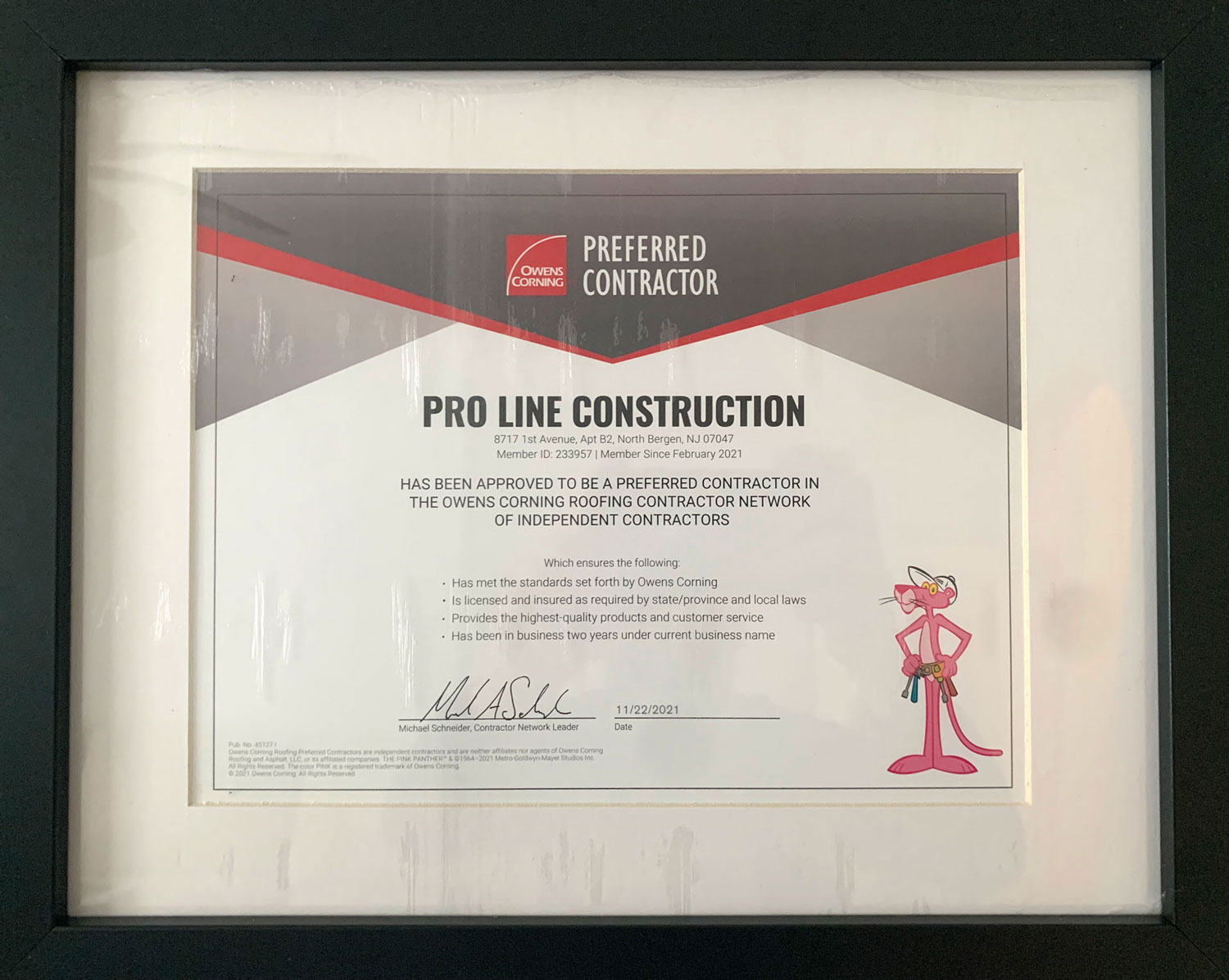
We’ve been handling patio installations, masonry work, and home improvements across Lincoln Park and Morris County for nearly two decades. We’re certified contractors who know the local codes, the soil conditions, and what actually holds up in this climate.
We’re not the cheapest option—and that’s intentional. You’re paying for proper base preparation, the right materials like Cambridge pavers with ArmorTec surface protection, and a crew that doesn’t cut corners when you’re not looking. Our work comes with manufacturer warranties and our own workmanship guarantee because we plan on being around when you call five years from now.
Most of our jobs come from referrals. That happens when you show up on time, do what you said you’d do, and leave the property cleaner than you found it.

First, we come out for a free estimate. You show us the space, tell us how you want to use it, and we talk through options—paver styles, layout, drainage concerns, any grading issues. No pressure, just information.
Once you’re ready to move forward, we handle the permits and order materials. Then we excavate to the right depth, lay down fabric and a proper gravel base (this is where most problems start if it’s done wrong), and make sure everything slopes away from your house. Water management isn’t optional in New Jersey.
After the base is compacted and leveled, we install your pavers in whatever pattern you picked. We cut edges clean, fill joints with polymeric sand to lock everything in place, and compact the whole surface. The last step is a walkthrough with you to make sure it’s exactly what you expected. Most patio projects take about a week, depending on size and weather.

Ready to get started?
You’re getting more than just paver stones dropped in your yard. Every patio we build includes proper excavation, a compacted gravel base, landscape fabric to prevent weed growth, and edge restraints to keep pavers from shifting. We use Cambridge pavers with ArmorTec technology—that’s a surface treatment that resists fading and staining better than standard concrete pavers.
Lincoln Park properties deal with clay-heavy soil and drainage challenges, especially near the Boonton Reservoir area. We account for that. Your patio will be graded to move water away from your foundation, and we can integrate permeable pavers if stormwater management is a concern on your lot. It’s not just about looks—it’s about function.
You also get options. Want a fire pit area? Built-in seating walls? A covered section? We can design paver patio layouts that fit how you actually use your space, not just what looks good in a photo. And if a paver ever cracks down the road (rare, but it happens), you can replace that single stone without tearing up the whole patio. Try doing that with poured concrete.

Most paver patios in Lincoln Park run between $15 and $30 per square foot installed, depending on the paver style, site conditions, and complexity of the design. A standard 12×16 patio (192 square feet) typically lands in the $3,000 to $6,000 range. Larger patios with premium Cambridge pavers, multiple levels, or built-in features like fire pits will push toward the higher end.
The upfront cost is higher than stamped concrete or a basic concrete slab, but the lifespan and replaceability make pavers a better long-term investment. You’re also adding 8% to 10% to your home’s value, and you’ll recoup about 80% of the cost when you sell. That’s better than most home improvement projects.
We give free estimates with transparent pricing—no hidden fees, no surprise charges when we hit clay soil or need to adjust grading. You’ll know exactly what you’re paying for before we start.
Most residential patio installations take between five and seven days from start to finish. Smaller patios (under 200 square feet) might wrap up in three to four days. Larger or more complex projects—think multiple levels, retaining walls, or custom paver patio designs—can take up to two weeks.
Weather plays a role. If we get heavy rain mid-project, we pause until the base dries out. Rushing through wet conditions leads to settling and drainage problems later, and we’re not doing that to save a day or two.
We’ll give you a realistic timeline during the estimate and keep you updated if anything changes. Most of the work happens outside, so you won’t have crews tromping through your house. We stage materials in an agreed-upon spot, clean up daily, and make sure you can still use your driveway and main entrances.
Not really. You’ll need to sweep off leaves and debris regularly—same as you’d do with any outdoor surface. Once or twice a year, hit it with a power washer to clear out dirt from the joints. Every few years, you might need to add more polymeric sand between the pavers if it’s washed out, but that’s a quick fix.
Pavers don’t crack like concrete, and they don’t need sealing unless you want to enhance the color or add extra stain protection. If you do seal them, plan on reapplying every two to three years. Most people skip it and the patio still looks great.
The real advantage is repairability. If a paver gets damaged or stained beyond cleaning, you pull that one stone and drop in a new one. No patching, no trying to match old concrete. The individual paver replaceability is why these patios last 30+ years while still looking sharp.
Concrete is cheaper upfront—usually $6 to $12 per square foot for a basic slab. But it cracks. Freeze-thaw cycles in Lincoln Park will create hairline cracks within a few years, and once concrete cracks, your only fix is patching (which never matches) or replacing the whole slab.
Paver patios cost more initially but last longer and handle ground movement better. Each paver stone sits independently, so if the ground shifts slightly, the pavers adjust without cracking. You also get way more design flexibility—different colors, patterns, textures. Concrete is just gray (or stamped to look like pavers, which still cracks).
Drainage is better with pavers too, especially if you use permeable pavers that let water soak through instead of running off toward your foundation. And again, if something goes wrong with one section, you fix that section. With concrete, you’re tearing out and repaving large areas. Over 30 years, pavers are the smarter investment.
Not if it’s installed correctly. The key is base preparation. We excavate deep enough to get below the frost line, lay down landscape fabric, then add 4 to 6 inches of compacted gravel. That base is what keeps everything stable. Skipping steps here—or not compacting thoroughly—is why some patios settle unevenly.
Lincoln Park’s soil has a lot of clay, which expands when wet and contracts when dry. A proper gravel base accounts for that movement. We also slope the patio away from your house (usually 1/4 inch per foot) so water doesn’t pool or seep underneath and cause erosion.
Edge restraints lock the perimeter pavers in place so the whole system stays tight. If you ever notice a low spot years down the road, we can lift those pavers, add base material, and reset them. It’s a fix, not a full replacement. That’s the advantage of working with a masonry company that knows how to prep the ground—not just lay pretty stones on top of dirt.
You can DIY a small patio if you’ve got the time, tools, and patience. But most homeowners underestimate how much work goes into proper excavation, base prep, and grading. Renting a plate compactor, cutting pavers, and making sure everything drains correctly isn’t a weekend project—it’s a week or more of physical labor.
The bigger issue is mistakes. If your base isn’t compacted right or your slope is off, you won’t know until water pools or pavers start shifting a year later. Fixing a bad install costs more than hiring a pro from the start. Plus, you won’t have a warranty on your own work.
We’ve redone plenty of DIY patios where the homeowner got halfway through, realized it was harder than YouTube made it look, and called us to finish. If your patio is under 100 square feet and you’re handy, maybe give it a shot. Anything larger or more complex—hire someone who does this full-time and backs their work with a guarantee.
Other Services we provide in Lincoln Park