

You get a space that actually works. No standing water after storms. No sunken pavers by next spring. No callbacks for repairs that shouldn’t be necessary.
A properly installed patio in Pequannock means dealing with our climate head-on. The ground freezes. It thaws. It shifts. If your base isn’t compacted right or your drainage isn’t planned for Morris County rainfall patterns, you’ll see the damage within a year.
When we build your patio, you’re looking at Cambridge pavers or poured concrete installed with the right base depth, proper slope, and edge restraints that keep everything locked in place. That’s what stops the shifting. The materials handle the weather. The installation handles the long term.
You also get a space that fits how you actually use your yard. Whether that’s a spot for a grill and table, a fire pit area, or a covered section that works even when it’s raining, the design should match your routine. Not ours.
We’ve been handling exterior work across New Jersey for nearly two decades. That includes patios, walkways, driveways, and masonry projects throughout Pequannock and the surrounding towns.
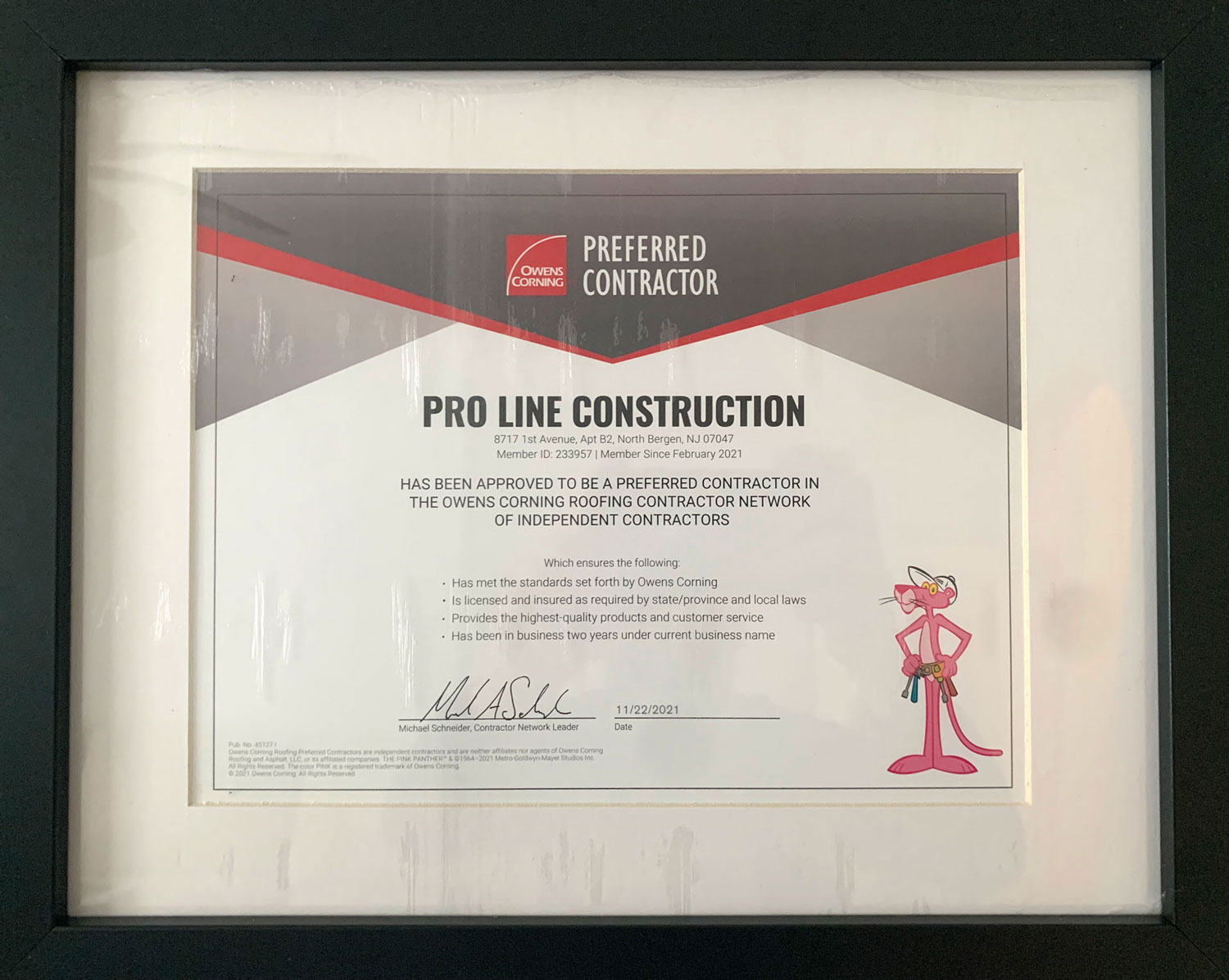
We’re certified to work within New Jersey construction codes. We pull permits when they’re required. We know which municipalities need them and which don’t, so you’re not guessing or dealing with violations later.
Most of our work comes from referrals or repeat clients. That happens when the patio still looks good five years later and the drainage still works after heavy rain. Pequannock homeowners deal with enough between property taxes and maintenance—your patio shouldn’t add to that list.

We start with a free estimate at your property. You show us the space. We talk about what you want to use it for, what your budget looks like, and what makes sense for your yard’s grading and drainage.
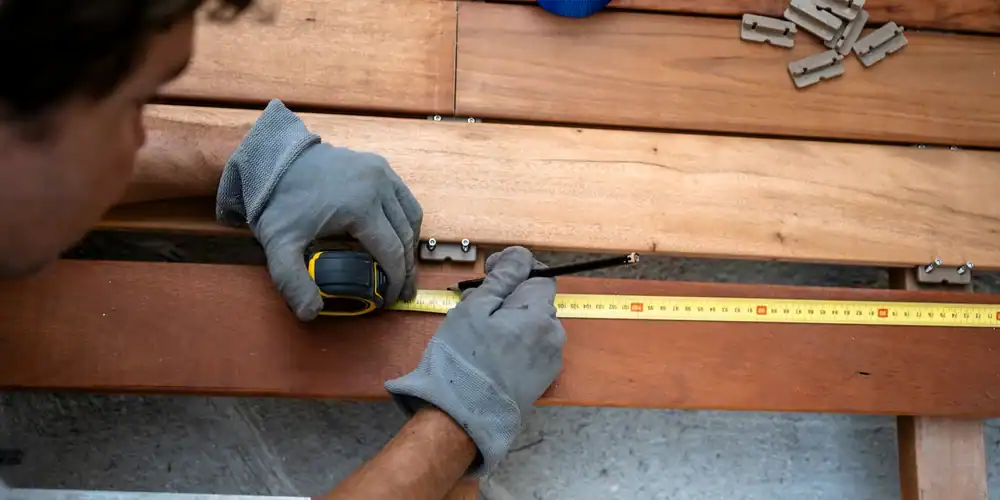
From there, we measure, check the slope, and put together a quote that breaks down materials and labor. If you’re comparing paver stones versus a concrete patio or looking at different paver patio designs, we’ll walk through the cost and maintenance differences so you can decide what fits.
Once you approve the plan, we handle permits if needed, then start with excavation. We dig down to the right depth, compact the base in layers, and install edge restraints before any pavers or concrete go down. This part isn’t visible later, but it’s the reason your patio doesn’t settle or shift.
After the base is set, we install your pavers or pour and finish your concrete. For paver patios, we add polymeric sand between the joints to lock everything together. For concrete, we make sure the finish gives you traction and the control joints are placed to manage cracking.
You’ll see the full installation timeline in your estimate. Most patios take a few days to a week depending on size and complexity. We clean up daily and haul away all excavated material when we’re done.

Ready to get started?
You’re choosing between a few main options: Cambridge pavers, poured concrete, stamped concrete, or natural stone. Each one has different costs, maintenance needs, and longevity in New Jersey’s climate.
Cambridge pavers are popular in Pequannock because they handle freeze-thaw cycles better than most materials. Individual pavers can shift slightly without cracking, and if one ever gets damaged, you replace that paver—not the whole patio. They come in different colors and patterns, and the polymeric sand between joints keeps weeds out and pavers stable.
Concrete patios cost less upfront. A basic poured concrete patio runs around $5 to $10 per square foot. Stamped or colored concrete adds visual interest and brings the cost closer to pavers, usually $12 to $25 per square foot. Concrete cracks over time, especially if the base settles or water gets underneath and freezes. Control joints help manage where those cracks happen, but they’re still part of the deal with concrete.
Natural stone and flagstone look great and last forever, but you’re paying $15 to $35+ per square foot. It’s the high end, and it requires more precision during installation. Most Pequannock projects we see fall in the $4,000 to $8,000 range for a standard-sized patio, depending on materials and site conditions.
We also handle drainage solutions as part of the install. If your yard slopes toward your house or you’ve got low spots that collect water, we’ll grade and add drainage before the patio goes in. That’s not optional—it’s part of doing it right.

It depends on the size and scope of your project. Some municipalities in New Jersey require permits for patios above a certain square footage or when you’re altering drainage patterns on your property.
Pequannock Township has specific requirements, and we check those before starting any work. The New Jersey Department of Community Affairs maintains a directory of local construction offices where you can confirm permit rules for your area, but we handle that research as part of your estimate.
If a permit is required, we pull it and make sure the work meets code. If it’s not required, we document that so you’re covered. Skipping this step can cause problems later if you sell your home or if a neighbor reports unpermitted work. It’s not worth the risk, and it’s part of what you’re paying us to manage.
A properly installed paver patio lasts 20 to 30 years or more in New Jersey’s climate. The pavers themselves are extremely durable—they’re made to handle freeze-thaw cycles, snow removal, and heavy use without cracking.
What fails first is usually the base or the edge restraints, and that’s an installation issue, not a material issue. If the base wasn’t compacted in layers or the edges weren’t secured, you’ll see pavers shift or sink within a few years. That’s why the installation matters more than the brand of paver you choose.
Cambridge pavers are a solid choice because they’re engineered for durability and they’re widely available in New Jersey, which helps if you ever need replacements. The polymeric sand we use between pavers also plays a role—it keeps the joints tight, prevents weed growth, and stops water from washing out the base material underneath. With proper installation and minimal maintenance, your patio should outlast most other outdoor upgrades you make to your home.
Cost, maintenance, and how they handle damage. A poured concrete patio is cheaper upfront—usually $5 to $10 per square foot for basic concrete. Pavers cost more, typically $10 to $25 per square foot depending on the style, but they’re easier to repair and more flexible when the ground shifts.
Concrete cracks. It’s not a question of if, but when. Freeze-thaw cycles, ground movement, and water infiltration all contribute. You can control where cracks happen with control joints, but you can’t prevent them entirely. Once concrete cracks, your options are limited—you can patch it, but it rarely looks great.
Pavers don’t crack the same way. Individual pavers can handle ground movement without breaking, and if one does get damaged, you pull it out and replace it. The rest of the patio stays intact. Pavers also offer more design flexibility with different colors, patterns, and textures. For Pequannock homeowners who want something that lasts and looks good long-term, pavers usually make more sense despite the higher initial cost.
Most patio projects in Pequannock run between $4,000 and $8,000 for a standard 300-square-foot space. That range covers mid-grade materials and professional installation with proper base prep and drainage.
Basic poured concrete is the cheapest option at $1,500 to $3,000 for 300 square feet. Stamped or colored concrete runs $3,600 to $7,500. Concrete or brick pavers fall in the $3,000 to $7,500 range. Natural stone or flagstone pushes costs higher, usually $4,500 to $10,500 or more depending on the stone type and complexity of the pattern.
Your actual cost depends on site conditions. If we’re dealing with poor drainage, a steep slope, or difficult access for equipment, that adds to the labor. If you want a covered patio, built-in seating, or lighting, those are separate line items. We break everything down in the estimate so you know exactly what you’re paying for. No surprises, no hidden fees. Just a clear number based on your specific project and property.
Not much, which is one reason homeowners choose pavers. You’ll want to sweep off debris regularly and rinse it down occasionally to prevent staining from leaves or dirt buildup. That’s about it for routine care.
Every few years, you should reseal the pavers if you want to maintain the color and protect against stains. Sealing isn’t required, but it helps, especially in high-use areas or if you’re dealing with oil drips near a grill. The polymeric sand between pavers lasts several years, but it can wash out over time or if you pressure wash too aggressively. When that happens, you just reapply it.
If a paver cracks or gets damaged, you replace that one paver. Pull it out, drop in a new one, and you’re done. That’s the big advantage over concrete. Snow removal is fine—just avoid metal shovels that can chip the edges. Use a plastic shovel or a snowblower, and you won’t have any issues. Compared to wood decks that need staining or concrete that cracks and stains permanently, pavers are low-maintenance and built for New Jersey weather.
Yes, and we deal with drainage problems regularly in Pequannock. Homes near the Delaware and Raritan Canal or properties with clay soil often have standing water or poor drainage that needs to be addressed before any patio work starts.
We assess the grading during the estimate. If water pools in the area where you want the patio or if your yard slopes toward your foundation, we’ll regrade and install drainage solutions as part of the project. That might mean adding a catch basin, running a drainage pipe to daylight, or building up the patio area to improve the slope.
Ignoring drainage is how patios fail. Water gets under the base, freezes, and causes the pavers or concrete to shift or crack. Fixing drainage after the patio is installed costs more and requires tearing things up, so it’s better to handle it correctly from the start. We’ve solved drainage issues on properties throughout Morris County, and it’s a standard part of our site prep process. Your patio won’t work long-term if the water doesn’t have somewhere to go.
Other Services we provide in Pequannock