

Your patio should give you more usable space, not more problems. When installation is handled correctly from the start, you get a space that drains properly, stays level through winter, and actually adds value to your property.
Most patios fail because of what you can’t see. Poor grading means water pools instead of draining away from your foundation. Inadequate base prep leads to settling and uneven pavers within a few seasons. Shortcuts during installation turn into expensive repairs later.
Done right, your patio becomes the part of your home you actually use. It’s where you have coffee in the morning, where the kids play after school, where you host without worrying about your deck rotting or your concrete cracking. It’s an investment that pays back in both daily use and resale value—70% of experts confirm that quality outdoor spaces significantly impact home value.
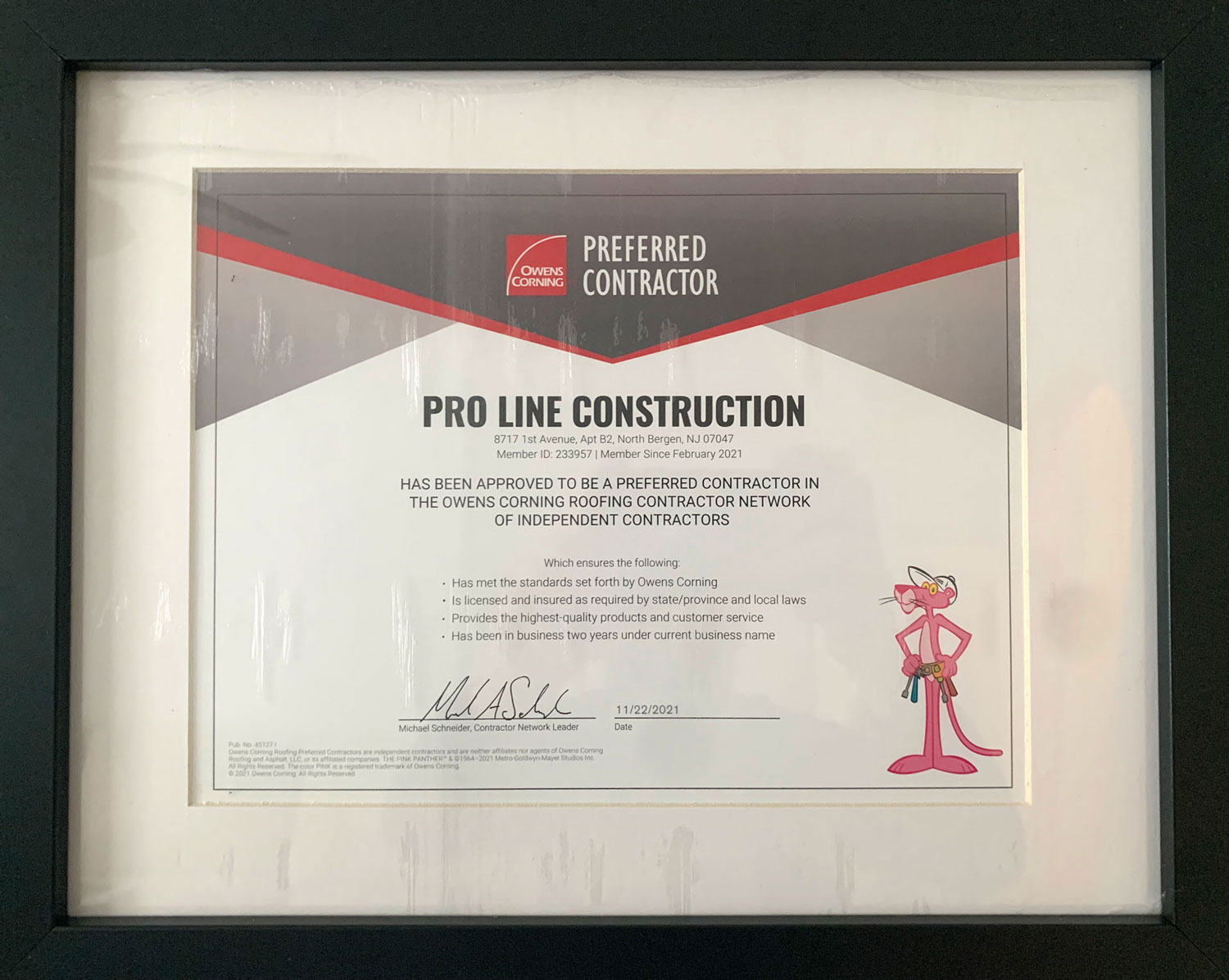
We handle patio installation, masonry work, and outdoor living projects throughout Randolph and Morris County. We’re certified contractors who understand New Jersey building codes, permit requirements, and—most importantly—what this climate does to outdoor construction.
Randolph has specific requirements for drainage, grading, and permits depending on your patio size and location. We handle that process so you don’t have to figure out which municipality office to call or whether your project needs approval. We’ve worked in this area long enough to know what passes inspection the first time.
You’re not getting a sales pitch from us. You’re getting straight answers about what your project actually needs, what it’ll cost, and how long it takes.

We start with your property, not a design catalog. We look at drainage patterns, slope, soil conditions, and how your outdoor space connects to your home. This determines whether you need additional grading work, drainage solutions, or base modifications before any pavers go down.
Next comes base preparation—the part that determines whether your patio lasts five years or fifty. We excavate to proper depth, install landscape fabric, and build up layers of crushed stone that get compacted at each stage. This creates a stable foundation that won’t shift when water freezes and thaws underneath. We grade everything so water moves away from your house, typically dropping one to two inches per ten feet.
Then we install your chosen material—whether that’s Cambridge pavers, natural stone, concrete pavers, or stamped concrete. Each piece gets set level and properly spaced. Edge restraints go in to prevent spreading. Polymeric sand fills the joints to lock everything in place and resist weed growth.
Finally, we clean up, haul away all debris, and walk you through maintenance basics. The whole process typically takes several days to a week depending on size and complexity, and we manage it from permits to final cleanup.

Ready to get started?
You get a custom design consultation where we discuss layout, material options, and how you actually want to use the space. We’re not pushing you toward the most expensive option—we’re helping you choose materials that match your budget, your home’s style, and New Jersey’s weather demands.
Material options include Cambridge pavers (popular in this area for their durability and variety), natural stone, concrete pavers, paver stones, or stamped concrete. Each has different maintenance requirements, cost points, and aesthetic qualities. We’ll explain the real differences so you can make an informed choice, not just pick based on a photo.
The project includes all necessary permits and code compliance for Randolph. We handle excavation, proper base installation with multiple compacted layers, drainage solutions, material installation, edge restraints, joint sand, and complete site cleanup. If your project needs additional grading, French drains, or other drainage work to prevent water damage, we identify that upfront—not halfway through the job.
You also get transparent pricing with no hidden charges. We discuss all costs before work begins, provide a detailed estimate based on your specific project, and manage the timeline so you know what to expect. Most installations are completed within a week, though larger or more complex projects may take longer.

The average patio installation costs around $10,500, but your actual cost depends on size, material choice, site conditions, and complexity. A basic 12×12 concrete patio runs less than a large natural stone patio with custom drainage work.
Cambridge pavers typically cost more upfront than poured concrete, but they’re easier to repair if damage occurs—you replace individual pavers instead of cutting out and patching concrete sections. Natural stone costs more than concrete pavers but offers unique aesthetics that many Randolph homeowners prefer.
Site conditions affect cost significantly. If your yard has poor drainage, significant slope, or soil that needs extra base work, that adds to the project. We provide free estimates that account for your specific property conditions, not generic per-square-foot pricing that changes once we start digging.
The good news: homeowners typically recover about 95% of patio installation costs in property value. You’re not just spending money—you’re investing in usable space and resale value.
You need materials designed to handle freeze-thaw cycles. When water gets into cracks or porous materials and freezes, it expands and causes damage. This is the number one cause of patio failure in New Jersey—and it happens every single winter.
Cambridge pavers and quality concrete pavers handle this well because they’re manufactured to specific standards for freeze-thaw resistance. Individual pavers can shift slightly without cracking, and if one does get damaged, you replace that paver instead of the whole patio. Natural stone like bluestone or granite also performs well if properly installed on a solid base.
Poured concrete can work, but it’s more prone to cracking over time as the ground shifts and water infiltrates. Stamped concrete gives you decorative options but has the same vulnerability—once it cracks, repairs are visible and often expensive.
The material is only half the equation. Proper installation matters more than material choice. Even the best pavers will fail if they’re installed on an inadequate base or without proper drainage. We see this constantly—homeowners who went with cheap installation have to replace entire patios within five years because the base wasn’t done right.
It depends on the size and scope of your project. Randolph and surrounding Morris County municipalities often require permits for patios above a certain size or when you’re altering drainage patterns on your property.
The rules aren’t always straightforward, and they vary by municipality. Some towns have size thresholds—anything under a certain square footage doesn’t need a permit. Others care more about whether you’re changing how water drains across your property or adding impermeable surfaces that affect runoff.
We handle permit research and applications as part of our service. We know which Randolph officials to contact, what documentation they need, and how to get approvals without delays. This saves you from making multiple calls to the municipal building department or submitting incomplete applications that get rejected.
Getting caught without proper permits causes bigger problems down the line. If you try to sell your home and the patio wasn’t permitted when it should have been, that becomes a disclosure issue that can delay or kill a sale. Better to handle it correctly from the start.
Drainage starts with proper grading during base installation. We slope the patio surface so it drops about one to two inches per ten feet, directing water away from your home’s foundation. This seems minor, but it’s the difference between water pooling on your patio and water draining where it should.
Sometimes grading the patio surface isn’t enough. If your yard has poor natural drainage or your property sits in a low spot, we may recommend French drains or other drainage solutions. These collect water and redirect it away from both your patio and your foundation. It’s an additional cost, but it prevents the kind of water damage that costs thousands to fix later.
We also use proper base materials that allow water to percolate down instead of trapping it. The crushed stone base layers we install are permeable—water moves through them instead of pooling underneath your pavers. Some installations even use permeable pavers designed specifically to let water pass through the surface.
New Jersey’s freeze-thaw cycle makes drainage critical. Water that pools and freezes will force pavers apart, crack concrete, and destabilize your base. Every winter without proper drainage does cumulative damage. We see homeowners who ignored drainage during installation and ended up replacing their entire patio within a few years.
A patio installed with proper base prep, drainage, and quality materials should last 20-30 years or more. We see well-built patios from decades ago that still look good and function properly. We also see poorly installed patios that fail within five years.
The base determines longevity more than the surface material. If the base is inadequate or poorly compacted, your patio will settle unevenly, develop low spots where water pools, and eventually need complete replacement. If the base is done right—proper depth, multiple compacted layers, correct materials—your patio stays stable through decades of freeze-thaw cycles.
Material choice affects maintenance, not necessarily lifespan. Concrete pavers and Cambridge pavers require minimal maintenance and individual pieces can be replaced if damaged. Natural stone needs occasional re-sanding of joints and may require individual stone replacement over time. Poured concrete is low-maintenance until it cracks, then repairs become visible and ongoing.
Your maintenance habits matter too. Keeping joints filled with polymeric sand prevents weed growth and insect damage. Cleaning off debris and leaves prevents staining and organic buildup. Re-sealing pavers every few years (if you choose to) protects against stains and weather damage. These are minor tasks that extend your patio’s life significantly.
Yes, if we know what material was used for your driveway. Cambridge pavers, for example, come in consistent product lines that are available year after year. If your driveway uses a specific Cambridge paver style and color, we can typically source the same product for your patio.
Matching creates visual continuity between your driveway pavers and patio, which many Randolph homeowners prefer. It makes your outdoor spaces feel intentional and coordinated rather than pieced together over time. This cohesive look also appeals to future buyers if you eventually sell.
Sometimes exact matches aren’t possible—if your driveway is older and the product line was discontinued, or if you don’t know what material was used. In those cases, we can find complementary colors and styles that coordinate without matching exactly. Sometimes a coordinating contrast actually looks better than trying to force a match that’s slightly off.
We can also help you decide whether matching is the right choice. Some homeowners prefer to differentiate their patio space with different materials or colors to create distinct zones in their yard. There’s no wrong answer—it depends on your aesthetic preferences and how you want your outdoor space to flow.
Other Services we provide in Randolph