

You’re not looking to complicate your life. You want outdoor space that works when you need it—whether that’s morning coffee, weekend grilling, or hosting without cramming everyone inside.
A properly installed patio gives you that. It extends your living area without the cost of an addition. You get a low-maintenance surface that handles New Jersey weather, looks clean, and doesn’t need constant attention.
The right materials matter here. Cambridge pavers with ArmorTec technology don’t fade or crack the way cheaper options do. Concrete patios poured correctly won’t settle or heave after one winter. Stone patios laid on proper base material stay level for decades.
This isn’t about curb appeal or resale value, though both improve. It’s about having a functional outdoor space you can count on. No more avoiding the backyard because the surface is uneven, stained, or falling apart. Just a clean, usable area that does its job.
We’ve worked in Roxbury and throughout Morris County for nearly two decades. We’re a masonry company that handles patios, driveways, walkways, and hardscaping—not a general contractor trying to do everything.
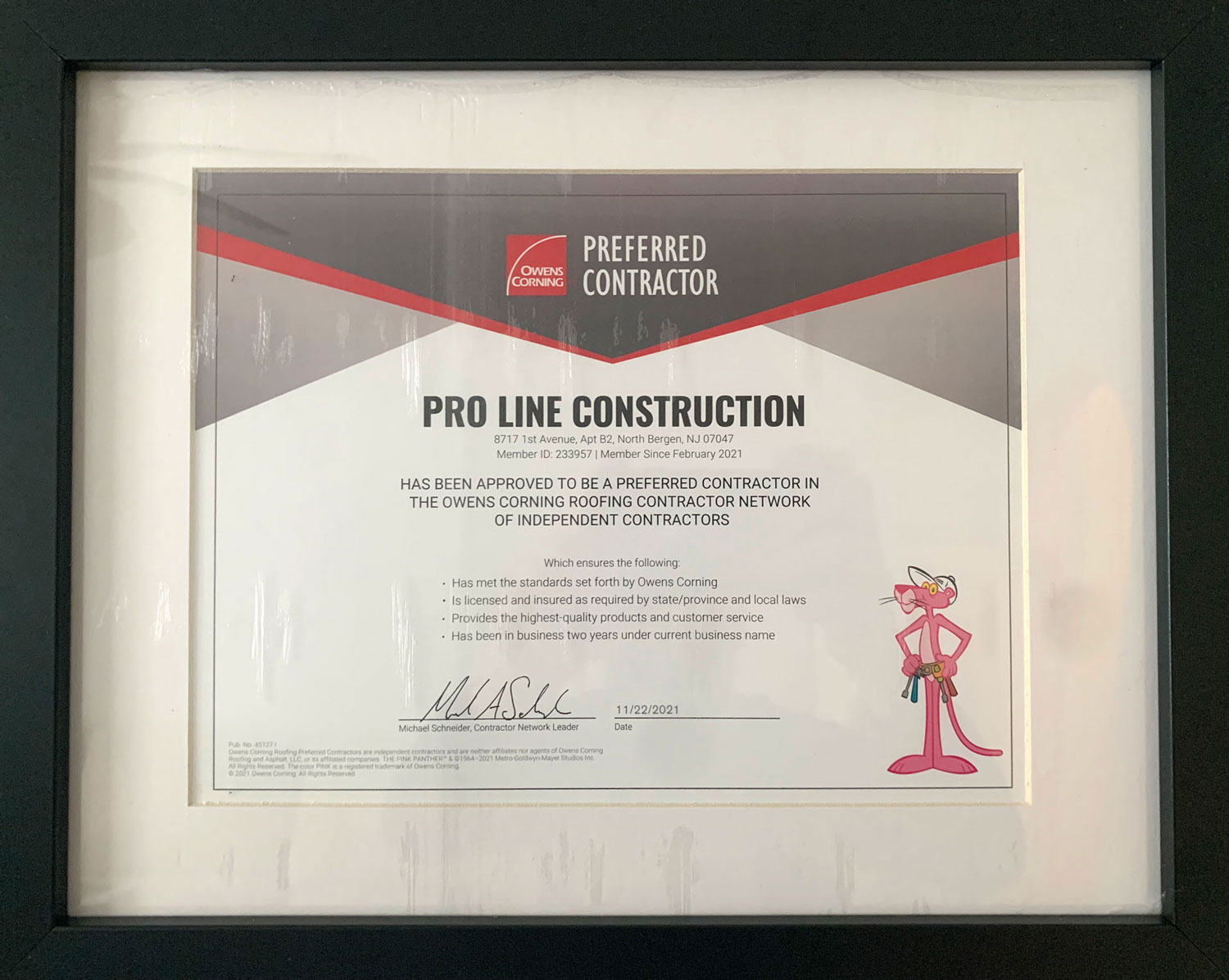
Our crews are certified and follow New Jersey construction codes. We don’t subcontract the work out. The people who give you the estimate are the same ones managing your project.
Roxbury homeowners deal with freeze-thaw cycles, heavy rain, and soil that shifts. We account for that in every install. Base prep, drainage, material selection—it all gets done right the first time because we know what fails here and why.

First, we come out to look at your yard. We measure the space, check drainage and grading, and talk through what you’re trying to accomplish. You’ll get a written estimate with material options and pricing—no hidden charges.
Once you approve, we schedule the work. Demo and excavation come first if there’s existing material to remove. Then we install a compacted base, usually 6-8 inches of crushed stone depending on soil conditions. This is the part most DIY projects skip, and it’s why they fail.
Next comes a layer of bedding sand, leveled and screeded. Then we lay the pavers, stone, or pour the concrete. For paver patios, we cut edges tight, install restraints, and sweep polymeric sand into the joints. For concrete, we finish the surface and control joints to prevent random cracking.
The final step is cleanup. We haul away all debris, grade around the new patio so water drains away from it, and walk you through maintenance. Most projects take 3-5 days depending on size and complexity.

Ready to get started?
You’re getting a patio built on a proper foundation that won’t sink, shift, or crack in two years. That means excavation to the right depth, compacted base material, and attention to slope and drainage.
Material options include Cambridge pavers in hundreds of colors and patterns, natural stone like bluestone or flagstone, or poured concrete with various finishes. Each has pros and cons depending on your budget and how you’ll use the space.
Roxbury sits in an area where soil conditions vary and winter weather is harsh. We adjust our approach based on your specific property. If your yard has drainage issues, we address them. If tree roots are nearby, we plan around them. If you want to add a fire pit or outdoor kitchen later, we prep for that now.
You also get transparent pricing. We discuss costs upfront and explain what affects price—size, material choice, site access, existing conditions. No surprises halfway through the job.
The result is outdoor living space that handles Morris County weather, looks good for years, and doesn’t require constant repairs. You’ll use it more than you think.

Pavers and concrete both work, but they age differently and cost differently.
Concrete is typically less expensive upfront. It’s poured in place, finished smooth or textured, and ready to use in about a week. The downside is that it will crack eventually—that’s just what concrete does. You can control where it cracks with joints, but you can’t prevent it entirely. Stains are also harder to remove from concrete, and if a section does fail, you’re replacing a large area.
Pavers cost more initially but give you flexibility. If one paver gets stained or damaged, you replace that one piece. They don’t crack like concrete slabs. Cambridge pavers with ArmorTec are especially durable—they resist fading and wear better than standard pavers. The joints between pavers also allow for slight movement, which helps in freeze-thaw cycles.
For Roxbury’s climate, pavers generally hold up better long-term. But if budget is tight and you’re okay with some cracking down the road, a well-installed concrete patio still gives you 15-20 years of use.
Most patio projects take 3-5 days from start to finish, but that depends on size, site conditions, and weather.
Day one is usually demo and excavation. We remove existing material if needed and dig down to create space for the base. Day two is base installation—bringing in crushed stone, spreading it in layers, and compacting each layer. This can’t be rushed. Poor compaction is the main reason patios settle and become uneven.
Day three and four are for laying pavers or pouring concrete. For paver patios, this includes cutting edge pieces, setting borders, and filling joints with polymeric sand. For concrete, it’s forming, pouring, finishing, and then waiting for initial cure.
Day five is cleanup, final grading, and walkthrough. Larger patios or complicated designs with multiple levels or curves take longer. Bad weather delays things—we don’t lay pavers in rain or pour concrete if it’s too cold.
You can usually walk on a paver patio immediately after we finish. Concrete needs about 7 days before heavy use.
It depends on the size and scope of your project, but many patios in Roxbury don’t require a permit if they’re ground-level and under a certain square footage.
Roxbury follows New Jersey building codes. Generally, if your patio is at grade (not elevated), doesn’t involve structural changes to your house, and stays within setback requirements from property lines, you’re likely okay without a permit. But if you’re adding a roof structure, building a raised patio, or connecting it to your home’s foundation, you’ll need permits.
We handle this during the estimate. We’ll tell you if permits are needed and what the process looks like. If they’re required, we pull them and make sure inspections happen at the right stages.
Don’t skip permits if they’re needed. It protects you if there’s ever an issue with your property, and it ensures the work meets code. Most permit situations add a week or two to the timeline but don’t significantly increase cost.
Natural stone and high-quality pavers handle New Jersey weather better than most other options.
Freeze-thaw cycles are the biggest challenge here. Water gets into cracks or porous materials, freezes, expands, and causes damage. Materials that resist water absorption perform best. Cambridge pavers are engineered for this—they’re dense, absorb very little water, and the ArmorTec surface resists wear from snow shovels and de-icing salt.
Bluestone and flagstone are also excellent choices. They’re natural, durable, and have been used in this region for over a century. They handle temperature swings without issue. The key is proper installation—these materials need a solid base and good drainage underneath.
Stamped concrete looks good initially but can flake and crack in harsh winters, especially if it wasn’t sealed properly or if water gets underneath. Cheaper pavers without good manufacturing standards will fade and develop surface pitting.
For Roxbury specifically, we see the best long-term results with Cambridge pavers and natural stone. Both give you 20-30 years of solid performance with minimal maintenance.
Yes, and it’s actually pretty common. Many homeowners start with the main patio area and add features later.
The key is planning the full project upfront even if you’re only building part of it now. That way we can prep the base correctly, account for future drainage needs, and make sure everything ties together visually when you’re ready for phase two.
A typical approach is to install the main patio space first—the area right off your back door where you’ll spend most of your time. Then later you might add a fire pit area, an outdoor kitchen section, or extend the patio further into the yard.
We give you pricing for the complete project and break it into phases. You’re not locked into a timeline. Some people do phase two the next year, others wait five years. As long as phase one is built right, adding to it later isn’t a problem.
This approach lets you get the outdoor space you want without overextending your budget. You’re not settling for cheap materials or a smaller patio than you need—you’re just spreading the investment over time.
Paver patios need very little maintenance, but a few simple steps keep them looking good for decades.
Sweep or blow off debris regularly. Leaves, dirt, and organic material can stain pavers if left sitting, especially in damp conditions. A quick sweep once a week during fall prevents most issues.
Rinse the patio with a hose occasionally. For tougher stains—oil, rust, organic growth—use a paver cleaner made for the specific stain type. Avoid acidic cleaners on certain stone types. A pressure washer works but keep it under 1500 PSI and use a wide fan tip to avoid damaging joint sand.
Re-sand joints every few years. Polymeric sand in the joints can wash out over time, especially in heavy rain. When you notice gaps, sweep new sand in and mist it to activate the polymers. This takes about an hour for an average patio.
Seal or don’t seal—it’s optional. Sealing enhances color and adds some stain protection, but it’s not required for durability. If you do seal, reapply every 3-5 years. Cambridge pavers don’t need sealing to maintain their warranty.
That’s it. No staining, no resurfacing, no major repairs. Just basic cleaning and occasional joint maintenance.
Other Services we provide in Roxbury