

You get a patio that doesn’t buckle when the ground freezes. One that drains properly when it rains. One that actually adds value to your home instead of becoming another repair bill.
Most patio problems start below the surface. Poor grading means water pools instead of draining. Inadequate base prep means pavers shift when the ground freezes and thaws. Cheap materials crack within a few seasons.
When we build your patio, we account for Silver Lake’s freeze-thaw cycles from day one. That means a flexible base system that moves with the ground, proper drainage that directs water away from your foundation, and materials like Cambridge pavers that won’t crack like poured concrete. You’re not just getting a nice-looking space. You’re getting one that holds up.
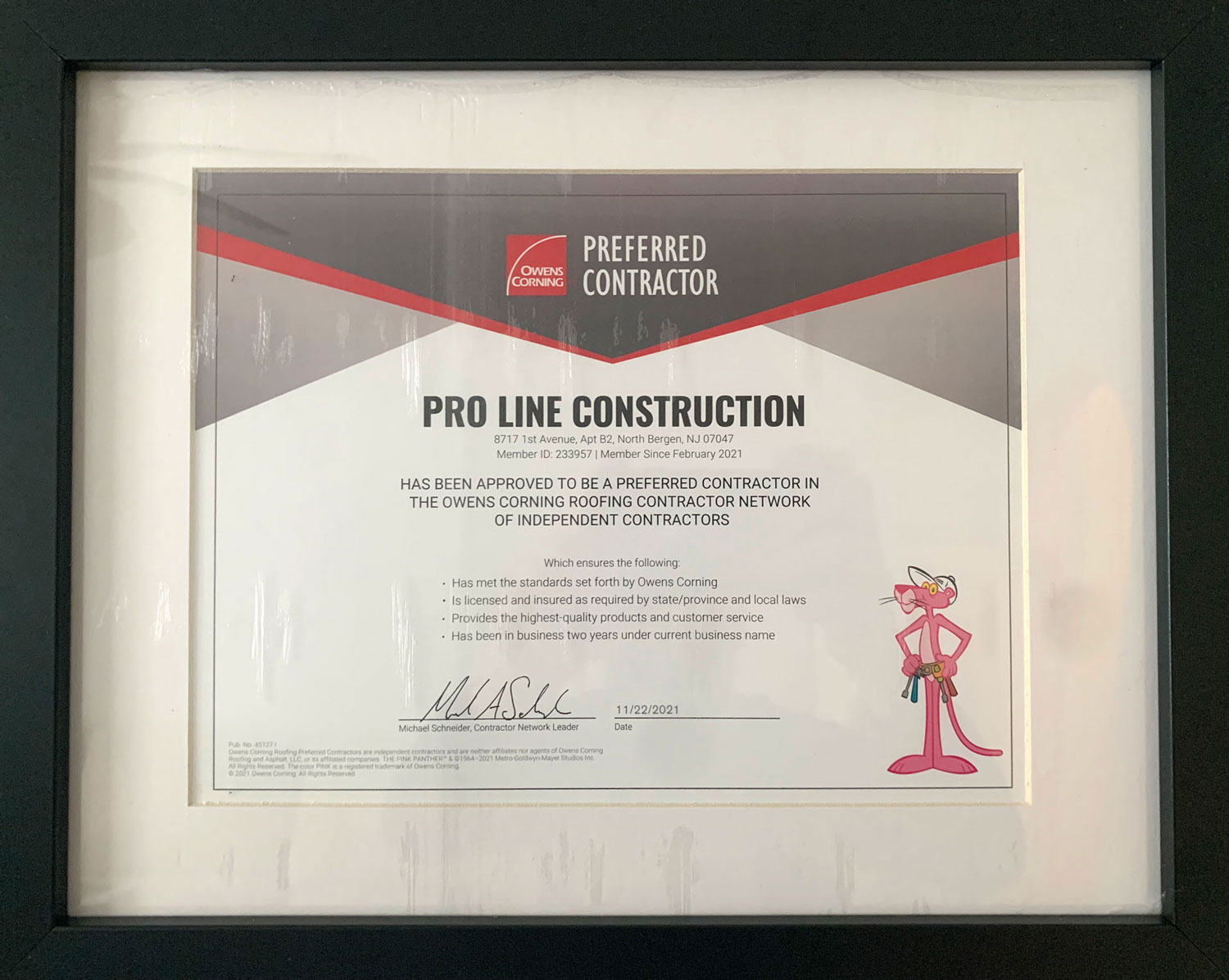
We handle everything from roofing to masonry work across Silver Lake and Essex County. We’re licensed, insured, and we don’t hide costs or surprise you halfway through a job.
Our team knows New Jersey weather. We know what happens when contractors skip the base work or use subpar materials. We’ve seen the callbacks, the repairs, the frustrated homeowners who thought they were getting a deal.
That’s why we do it differently. Upfront pricing. Quality materials. Work that follows local codes. No shortcuts that’ll cost you later.

First, we look at your space. We talk about how you’ll use it, what drainage issues you might have, and what design fits your home. This isn’t a sales pitch—it’s a real conversation about what works.
Next comes the foundation. We excavate to the right depth, grade for proper drainage, and build a compacted base that won’t shift. This is the part most people never see, but it’s the part that determines whether your patio lasts five years or twenty-five.
Then we install your pavers or pour your concrete, depending on what you chose. If you’re going with Cambridge pavers, you’re getting materials with ArmorTec that resist staining and fading. If it’s a concrete patio, we’re using techniques that account for expansion and contraction.
Finally, we clean up, walk you through maintenance, and make sure you’re clear on what to expect as your patio settles and seasons.

Ready to get started?
You’re dealing with weather that swings from humid summers to freezing winters. That means your patio needs materials and installation methods that can handle it.
Cambridge pavers are a solid choice here. They’re more resistant to cracking than poured concrete because they flex with ground movement. They also don’t need sealing as often, and if one gets damaged, you can replace it without redoing the whole patio.
For concrete patios, we use proper reinforcement and control joints to manage cracking. Stamped or colored concrete can give you the look of stone at a lower cost, but it still needs the same attention to base prep and drainage.
In Silver Lake and across Essex County, we’re also seeing more requests for outdoor kitchens, built-in seating, and covered patio areas that extend your outdoor season. These additions require coordination with gas lines, electrical work, and sometimes permits. We handle that process so you don’t have to chase down approvals yourself.

For a standard 300-square-foot patio, you’re looking at roughly $3,000 to $7,500 for concrete or brick pavers, depending on the pattern and material quality. Natural stone or flagstone pushes that range to $4,500 to $10,500 or more.
Basic poured concrete runs cheaper—around $1,500 to $3,000 for the same size. Stamped or colored concrete sits in the middle at $3,600 to $7,500.
The real cost difference comes down to base prep, drainage work, and whether your yard needs grading. If we’re working with a slope or poor soil, that adds to the project. We give you a free estimate upfront so there’s no guessing.
It depends on the size and scope of your project. In New Jersey, most towns require permits for patios to ensure they meet local building codes and zoning rules.
If you’re adding electrical for lighting or gas lines for an outdoor kitchen, you’ll definitely need permits. Even a basic patio might require one depending on how close it is to property lines or if it affects drainage.
We handle the permit process as part of the job. We know what Silver Lake and Essex County require, and we make sure everything’s filed correctly so you don’t get stuck with fines or have to redo work later.
It can, but only if it’s not built right. Freeze-thaw cycles are the biggest threat to patios here. Water gets into small cracks, freezes, expands, and turns hairline cracks into major splits.
Paver patios handle this better than poured concrete because they’re designed to flex with ground movement. Each paver can shift slightly without breaking. Concrete, on the other hand, is rigid—so if the base isn’t prepped correctly or the slab doesn’t have proper control joints, it’ll crack.
That’s why base work matters so much. We build a compacted, flexible base that accounts for freeze-thaw movement and grade everything so water drains away instead of pooling. Do that right, and your patio weathers winter after winter without major issues.
Most residential patios take one to two weeks from start to finish, depending on size and complexity. A straightforward 300-square-foot paver patio might be done in a week. Add an outdoor kitchen or custom stonework, and it stretches longer.
Weather plays a role too. We can’t pour concrete in freezing temps, and heavy rain delays base work. We’ll give you a realistic timeline upfront and keep you updated if anything changes.
The key is not rushing the base prep. That’s where most contractors cut corners to finish faster. We’d rather take an extra day to compact the base properly than have you call us back in two years because your pavers are sinking.
Pavers are individual stones or bricks laid in a pattern on a sand or gravel base. Concrete is a solid slab poured all at once. Both can look great, but they perform differently over time.
Pavers are more flexible. If the ground shifts, individual pavers move without cracking. If one gets stained or damaged, you replace just that piece. They also handle freeze-thaw cycles better because there’s no single rigid surface to crack.
Concrete costs less upfront and goes in faster. You can stamp or color it to mimic stone. But once it cracks—and it probably will at some point—you’re looking at visible repairs or a full replacement. You can’t just swap out one section like you can with pavers.
For Silver Lake’s climate, pavers usually make more sense if your budget allows. They last longer and need less maintenance. But a well-installed concrete patio with proper base work and drainage can still give you years of use.
You can, but you’ll get the most use from spring through fall. Winters here are cold enough that most people don’t spend much time outside unless the patio has a covered area or heat source.
Covered patios with screens or outdoor heaters extend your season significantly. Some homeowners add fire pits or install infrared heaters so they can use the space on cooler nights. Others go further and build three-season rooms that transition from open-air patios to enclosed spaces.
Even without those additions, a well-built patio adds value and function for at least three seasons a year. And when you do want to use it in winter—say, for a quick morning coffee or to clear snow—you’ve got a solid, level surface that won’t turn into a mud pit or ice sheet if it’s graded and drained correctly.
Other Services we provide in Silver Lake