

Your patio won’t pool water after rain because we build in proper drainage from the start. The pavers won’t shift or settle in three years because the base gets done right the first time. You’re not calling us back to fix gaps or re-level sections.
You get an outdoor space you can use for dinner in July and coffee in October without worrying about maintenance every spring. The materials we install—Cambridge pavers, natural stone, concrete—are chosen because they hold up to freeze-thaw cycles and don’t need replacing when trends change.
West Orange homeowners are investing in properties averaging $683,000. Your patio should add value, not become a liability. When installation is done correctly, it does exactly that.
We’ve been working in West Orange for over 30 years. We’re not a crew that shows up, rushes the job, and disappears. We’re local, licensed masons who’ve built patios on properties from Eagle Rock to Pleasantdale, and we know exactly what this area’s soil and weather conditions demand.
You’re dealing with certified professionals who understand that narrow access points and sloped yards require actual problem-solving, not shortcuts. We’ve handled enough West Orange properties to know that proper site prep matters more than flashy sales pitches.
When you call for a free estimate, you’re talking to people who’ve seen what happens when drainage gets ignored or base material gets skimped. We don’t do that.

We start with a site visit and consultation at your property. You tell us what you want, we assess access, drainage, existing utilities, and grade. If there are challenges—and there usually are—we talk through solutions before you commit to anything.
Once we agree on design and materials, we handle permits and prep work. That means excavation to proper depth, base material that’s compacted in layers, and edge restraints that actually hold. If your yard has drainage issues, we address them during this phase with proper slope and, when needed, additional drainage systems.
Installation comes next: pavers or stone laid with correct spacing, polymeric sand applied properly, and everything checked for level and pitch. You’re not discovering problems six months later because we caught them during the build.
The timeline depends on size and site conditions, but you’ll know the schedule upfront. We don’t ghost mid-project or surprise you with add-ons that should’ve been included from the start.

Ready to get started?
You’re getting a full-service installation: design consultation, material selection, site prep, proper base construction, paver or stone installation, and final grading. We work with Cambridge pavers, natural stone, concrete, and other masonry materials depending on what fits your property and budget.
West Orange properties often have elevation changes and drainage challenges because of the Watchung Mountain location. We account for that. Your patio gets built with dual slope when needed, proper compaction at every layer, and attention to how water moves across your yard during heavy rain.
We’re also handling the details most homeowners don’t think about until it’s too late: checking for underground utilities, planning around existing landscaping, coordinating with any outdoor lighting or gas line installations you’re adding. These aren’t upsells—they’re part of doing the job correctly.
The materials we recommend aren’t just about looks. Natural and neutral tones—browns, tans, grays—work with West Orange’s architectural styles and don’t look dated in five years. Permeable pavers are an option if stormwater management matters to you. We’ll walk through what makes sense for your specific situation during the estimate.

A properly installed paver patio in West Orange should last 25 to 30 years, sometimes longer. That depends entirely on base preparation, material quality, and drainage.
New Jersey freeze-thaw cycles are tough on any hardscape. When water gets under pavers and freezes, it causes heaving and shifting. The way you prevent that is with a deep, well-compacted base—usually 6 to 8 inches of crushed stone—and proper slope so water doesn’t pool. If those fundamentals are in place, the pavers themselves are incredibly durable.
Cambridge pavers and natural stone handle weather better than poured concrete, which cracks. You might need to replace polymeric sand or re-level a paver here and there over the years, but you’re not ripping out and replacing the whole thing. That’s why material choice and installation quality matter more than price.
Concrete is poured as one slab. Pavers are individual stones or bricks laid in a pattern. The main difference is how they handle movement and damage.
Concrete cracks. It’s not a question of if, it’s when. Temperature changes, ground settling, tree roots—all of it leads to cracks that are expensive to repair and often look worse after the fix. Once a concrete patio cracks, your options are limited.
Pavers move independently, so ground shifts don’t cause the same catastrophic damage. If one paver cracks or stains, you replace that one piece. Repairs are simpler and less noticeable. Pavers also offer more design flexibility with colors, patterns, and textures. They cost more upfront, but the longevity and lower maintenance usually make them the better investment for West Orange homeowners who plan to stay in their homes.
Drainage starts with slope. Every patio needs to pitch away from your house—usually a quarter inch per foot minimum. That ensures water runs off instead of pooling or seeping toward your foundation.
We also look at where that water goes once it leaves the patio. If your yard has poor drainage or you’re at the bottom of a slope, we might add a drainage system: French drains, channel drains, or catch basins that redirect water to a better location. This is especially common in West Orange because of the terrain.
Permeable pavers are another option. They allow water to filter through the surface into the ground below, which helps with stormwater management and reduces runoff. Not every property needs them, but they’re worth considering if you’re dealing with heavy rain or township stormwater regulations. We assess all of this during the site visit so you know what’s required before we start digging.
Yes, but it takes more time and labor. Narrow side yards, fenced backyards, and properties without direct equipment access mean we’re moving materials by hand or with smaller equipment.
That affects the timeline and sometimes the cost, but it doesn’t mean the job can’t be done right. We’ve handled plenty of West Orange properties where access was tight. The key is planning for it upfront so there are no surprises.
Some contractors will cut corners when access is difficult—thinner base, less compaction, cheaper materials—because it’s easier. We don’t. If we’re carrying pavers through a 3-foot gate, we’re still building the same quality base and doing the same level of site prep. It just takes longer. You’ll know what to expect during the estimate, and we’ll be clear about how access impacts the project.
Look for someone who talks about base preparation and drainage before they talk about paver colors. That tells you they understand what actually makes a patio last.
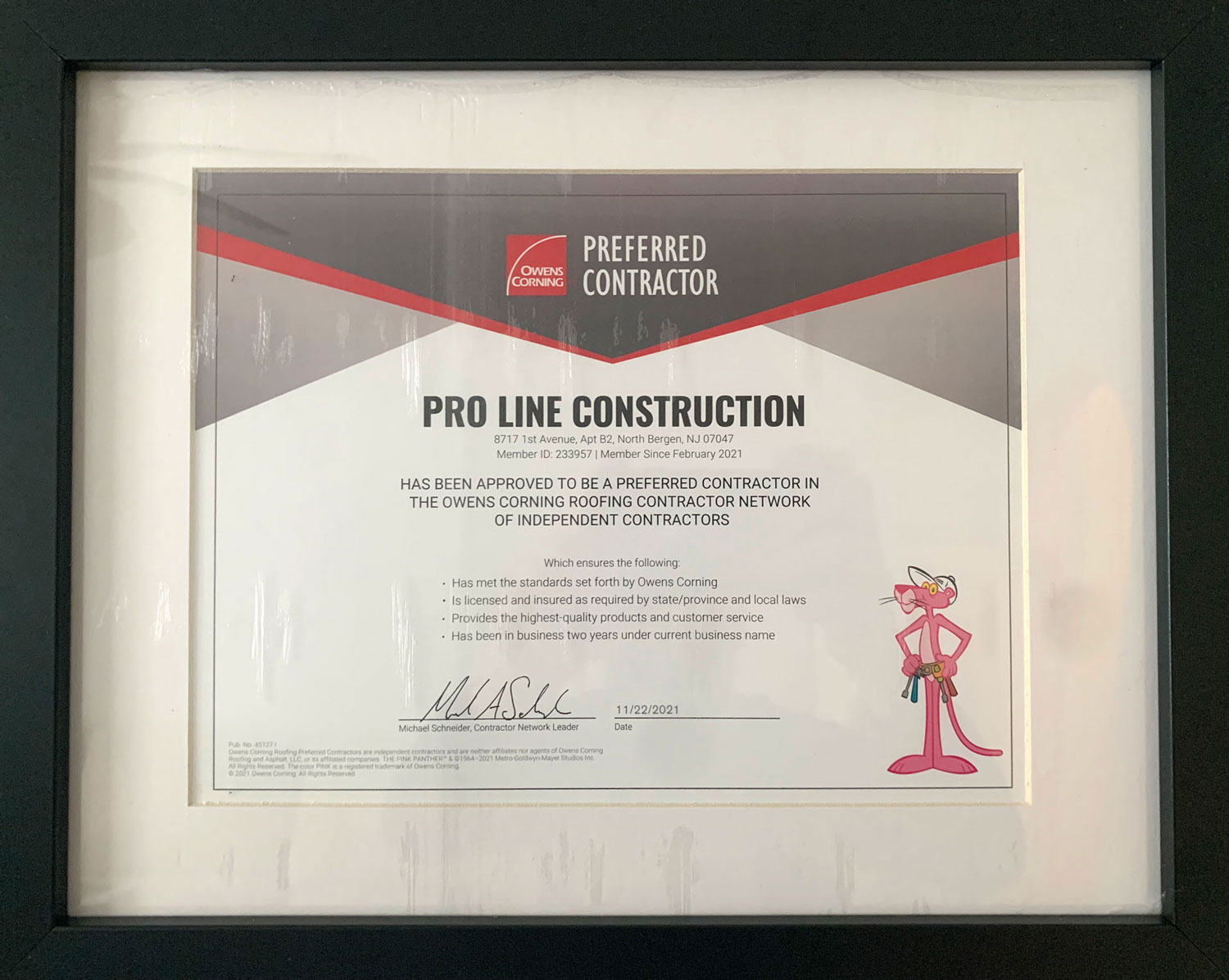
Ask how deep they excavate, what base material they use, and how they handle compaction. If they’re vague or dismissive, that’s a red flag. You also want to see proof of licensing and insurance—not just because it’s required, but because it shows they’re running a legitimate operation.
Check how long they’ve been working in your area. Local experience matters because soil conditions, weather patterns, and township requirements vary. A contractor who’s been in West Orange for years knows what works here. Finally, get a detailed written estimate that breaks out materials, labor, and timeline. If someone’s pushing you to sign quickly or being cagey about costs, walk away. Good contractors don’t need pressure tactics.
It depends on the size and type of patio, but many installations in West Orange do require a permit. Township regulations vary, and it’s worth checking before you start any project.
Generally, if you’re doing significant excavation, changing drainage patterns, or building a large patio, you’ll need approval. Some smaller projects might not require permits, but it’s better to confirm than assume. Unpermitted work can become a problem when you sell your home or if a neighbor complains.
We handle permit applications as part of the process. It’s not complicated, but it does add time to the schedule. The township wants to make sure the work meets code, especially around drainage and setbacks. That protects you as much as anyone. If a contractor tells you to skip permits to save time or money, that’s a serious warning sign about how they operate.
Other Services we provide in West Orange