

You’re watching topsoil disappear every time it rains. Water pools where it shouldn’t. Your yard feels like wasted square footage because half of it is too steep to use.
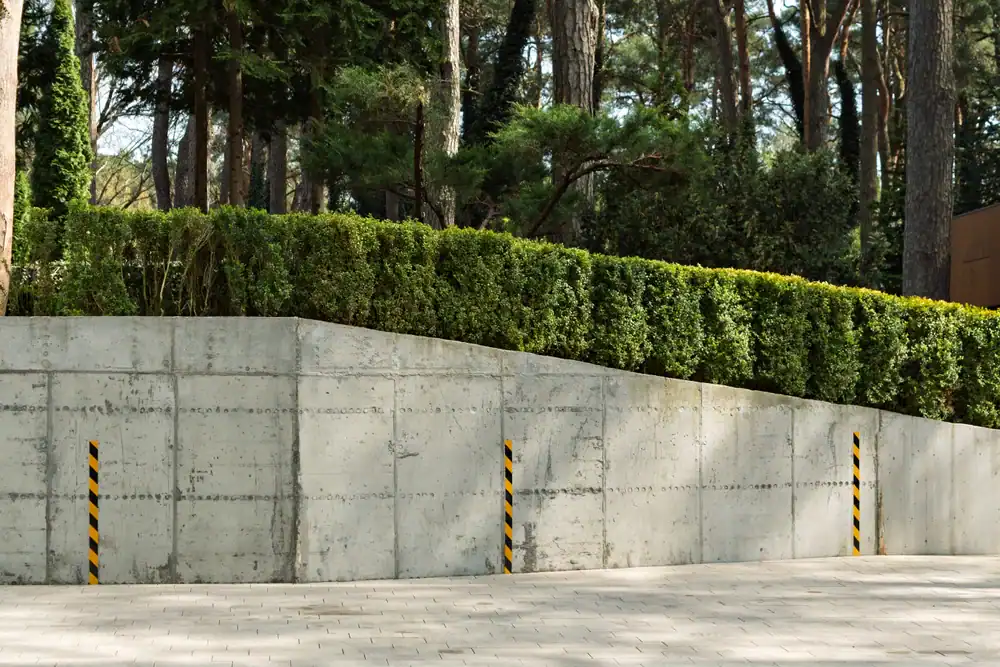
A properly built retaining wall stops that. It holds back soil, redirects water away from your foundation, and creates level ground you can actually do something with—whether that’s a patio, garden beds, or just a lawn that doesn’t slide downhill.
This isn’t about curb appeal first. It’s about protecting what you own. The fact that a well-designed wall also looks sharp and can boost your property value by 5-10% in Essex County? That’s the bonus, not the pitch.
We’ve been working in Essex Fells and the surrounding area for over two decades. We know the soil conditions here, the freeze-thaw cycles that crack poorly built walls, and the drainage challenges that come with older properties on sloped lots.
Most homes in Essex Fells were built in the 1950s or earlier. That means mature landscaping, settled foundations, and terrain that’s had decades to shift. We don’t show up with a one-size-fits-all approach.
We handle the engineering, the permits when walls go over four feet, and the installation. No hidden charges. No surprises halfway through. Just transparent pricing and work that holds up.

First, we come out and assess your property. We look at the slope, the soil type, drainage patterns, and what you’re trying to accomplish. If you need a wall over four feet, we’ll handle the engineering and permitting with Essex County.
Next, we prepare the site. That means excavating, grading, and laying a solid base—usually compacted gravel. This step matters more than most people realize. A wall is only as stable as what’s underneath it.
Then we build. Depending on your needs and budget, that could mean concrete retaining wall blocks, natural stone, or poured concrete. We install proper drainage behind the wall so water doesn’t build up and create pressure that leads to cracks or collapse.
Finally, we backfill, compact, and clean up. You’re left with a wall that does its job and a yard that’s ready to use. Most projects take a few days to a week, depending on size and complexity.

Ready to get started?
Every retaining wall we build includes proper site prep, a compacted gravel base, and integrated drainage. Those aren’t extras—they’re requirements if you want a wall that lasts.
We work with a range of materials. Concrete masonry units are the most common choice in Essex Fells because they balance cost, durability, and design flexibility. You get options in color, texture, and size. For a more natural look, we also install stone walls using granite or bluestone, which hold up well in New Jersey’s climate.
If your project includes steps, sitting walls, or tiered landscaping, we coordinate that too. The goal is a finished product that works as a system—not just a wall dropped into place.
Essex County requires permits for walls over four feet, and we handle that process. We also make sure drainage ties into your existing landscape so you’re not creating new problems while solving old ones.

Most retaining walls in Essex Fells run between $35 and $65 per square foot, depending on materials, height, and site conditions. A basic concrete block wall on level ground with good access costs less than a natural stone wall on a steep slope with limited equipment access.
Height matters too. Walls under four feet are simpler and don’t require engineering or permits. Once you go over four feet, you’re adding engineering costs and county permit fees, which can add a few thousand dollars to the project.
If your property has drainage issues or poor soil, that affects the foundation work and can increase costs. We give you a detailed estimate upfront so there’s no guessing. And we don’t lowball the number just to win the job—we price it right the first time.
Concrete retaining wall blocks and poured concrete walls last the longest here—typically 50 to 100 years if they’re built correctly. They handle freeze-thaw cycles better than timber, and they don’t shift or rot.
Natural stone is also extremely durable, especially granite and bluestone. Stone walls can last just as long as concrete, but they cost more and require skilled installation. The joints need to be tight, and the drainage needs to be perfect.
Timber walls are cheaper upfront, but they deteriorate faster in New Jersey’s climate. You’re looking at 10 to 20 years before you’re dealing with rot and replacement. For most Essex Fells properties, concrete or stone makes more sense as a long-term investment.
Yes, if your wall is over four feet tall. Essex County requires a permit and engineered plans for any retaining wall that exceeds that height. The engineering ensures the wall can handle soil pressure and won’t fail.
Walls under four feet typically don’t need a permit, but it’s worth confirming with the local building department before you start. Rules can vary depending on property lines, easements, and whether the wall affects drainage onto neighboring properties.
We handle the permit process if your project requires it. That includes coordinating with engineers, submitting plans, and scheduling inspections. It adds time to the project—usually a few weeks—but it’s not optional, and it protects you if something goes wrong down the line.
Look for cracks, bulging, or leaning. If your wall is bowing outward or tilting, that’s a sign that water pressure is building up behind it or the foundation is failing. Small cracks aren’t always a problem, but large ones that run horizontally or vertically through multiple blocks mean the wall is under stress.
Check the drainage too. If water pools behind the wall or you see soil washing out from underneath, the drainage system isn’t working. That leads to pressure buildup, which is what causes walls to fail.
If you see any of these signs, don’t wait. A failing retaining wall can collapse, and that’s a safety hazard and an expensive fix. We can assess the damage and tell you whether you need a repair or a full replacement. Sometimes it’s a drainage fix. Other times, the wall needs to be rebuilt.
Yes, if it’s designed correctly. A retaining wall doesn’t just hold back soil—it can redirect water away from problem areas like your foundation, driveway, or low spots where water collects.
We install drainage systems behind every wall we build. That usually means a perforated pipe at the base of the wall, surrounded by gravel, that channels water to a safe outlet. Without that drainage, water builds up behind the wall and creates pressure that leads to cracks and failure.
If you’re dealing with runoff from uphill or water pooling in your yard, a retaining wall combined with proper grading can solve it. We look at the whole site—not just where the wall goes—so water flows where it’s supposed to and doesn’t create new issues somewhere else.
Most residential retaining walls in Essex Fells take three to seven days to install, depending on size, height, and site conditions. A simple 20-foot wall on flat ground with good access can be done in a few days. A larger, tiered wall on a steep slope with limited equipment access takes longer.
Permitting adds time if your wall is over four feet. You’re looking at a few weeks for engineering, plan submission, and approval before we can start. We factor that into the timeline upfront so you know what to expect.
Weather can delay things too, especially if we’re working in wet conditions or during freeze-thaw cycles. We don’t rush through site prep or backfill just to meet a deadline—that’s how walls fail. We’d rather take an extra day and do it right than cut corners and have you deal with problems later.
Other Services we provide in Essex Fells