
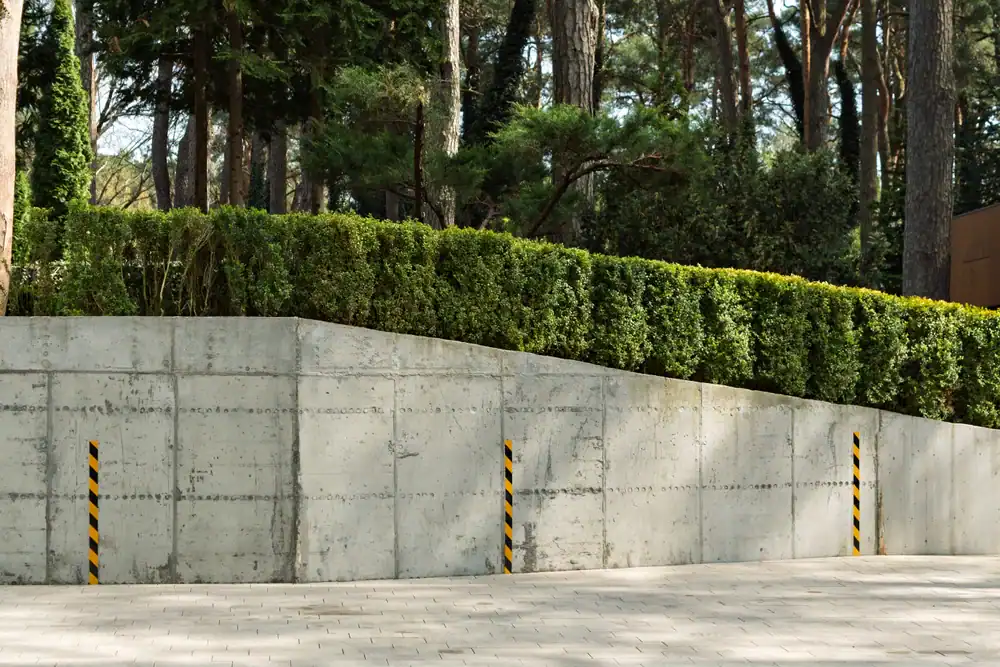

Your property stops losing soil every time it rains. The hillside that’s been off-limits becomes a level patio, garden bed, or lawn area your family actually uses.
Water flows where it should instead of pooling near your foundation or washing out your driveway. You stop worrying about whether the next heavy rain will take more of your yard with it.
The investment shows immediately. Your property looks intentional and well-maintained instead of like you’re fighting a losing battle with gravity. Neighbors notice. Buyers will too, if you ever sell.
Jefferson’s rolling terrain makes retaining walls more than decorative. They’re functional solutions for properties dealing with elevation changes, and when they’re built right, they last decades without major maintenance.
Proline Construction handles residential projects across Jefferson and Morris County. We’re not a franchise or a crew that shows up once and disappears. We’re local contractors who know how Jefferson properties drain, what the soil does in winter, and which materials hold up in this climate.
Our work includes retaining walls, masonry, roofing, and exterior repairs. That broader experience matters because retaining walls don’t exist in isolation—they affect drainage, grading, and how the rest of your property functions.
You’ll get a free estimate that breaks down material options, labor, and timeline. No pressure, no upselling. Just clear information so you can make a decision that fits your property and budget.

We start with a site visit. You show us the problem area, we assess the slope, soil type, and drainage patterns. We’ll talk about whether you need a single wall or terraced levels, and which materials make sense for your situation—concrete retaining wall blocks, natural stone, or poured concrete.
The estimate covers everything: excavation, base preparation, materials, labor, and drainage solutions. If your wall needs to be over four feet, we’ll handle permit requirements. Most Jefferson projects don’t need permits for shorter walls, but we confirm that based on your specific location and township rules.
Once you approve the plan, we schedule the work. We excavate and prepare a gravel base that prevents settling. The wall goes up in courses, with proper backfill and drainage behind it so water doesn’t build up pressure. We compact as we go and make sure the wall is level and properly anchored.
The job site gets cleaned up when we’re done. You’re left with a wall that holds soil in place and looks like it belongs there.

Ready to get started?
Jefferson properties vary. Some need short garden walls for landscaping. Others need taller block wall retaining wall systems to manage significant grade changes. We build both, and everything in between.
Concrete retaining wall blocks are popular because they’re durable, cost-effective, and available in multiple styles. They interlock for stability and come in colors that complement most homes. Natural stone works well if you want a more traditional look that blends with Jefferson’s wooded, established neighborhoods.
For properties with drainage issues, we integrate solutions into the wall itself—gravel backfill, perforated drain pipes, and weep holes that let water escape without building pressure. Morris County gets heavy rain in spring and summer. Your wall needs to handle that, or it won’t last.
We also handle repairing retaining wall structures that are leaning, cracking, or showing signs of failure. Sometimes a wall can be reinforced. Other times it needs to be rebuilt. We’ll tell you which situation you’re dealing with and what your options are.

Most residential retaining walls in Jefferson run between $4,000 and $15,000 depending on height, length, and material. A basic 50-foot concrete block wall that’s four feet tall typically costs around $8,000 including materials and labor.
Natural stone costs more than concrete blocks because of material expense and the labor involved in fitting irregular shapes. Poured concrete falls somewhere in the middle. Taller walls cost more per linear foot because they require deeper footings and more structural reinforcement.
Your property’s accessibility affects cost too. If we can get equipment close to the work area, the job goes faster. If we’re hauling materials by hand down a slope or through a narrow side yard, that adds time and labor. We factor all of that into your estimate so there aren’t surprises later.
Most Jefferson properties don’t need a permit for retaining walls under four feet tall. Once you go over that height, you’ll likely need to pull a permit and possibly submit engineered plans, depending on the wall’s location and purpose.
Jefferson Township has specific requirements, and they can vary based on whether the wall is near a property line, a wetland, or a steep slope. We check with the township before starting work to make sure your project is compliant.
If a permit is required, we handle the paperwork and coordinate inspections. It adds a little time to the project timeline, but it’s not complicated. The goal is to make sure the wall is built safely and won’t cause problems for you or your neighbors down the line.
A properly built retaining wall lasts 20 to 50 years or more depending on materials and maintenance. Concrete retaining wall blocks and poured concrete walls are extremely durable if they’re installed with proper drainage and a solid base.
Natural stone walls can last even longer—some historic stone walls in the Northeast are over a century old. The key is making sure water doesn’t build up behind the wall, which creates pressure and leads to cracking or leaning over time.
You’ll want to check your wall once or twice a year for signs of settling, cracks, or drainage issues. Small problems are easy to fix early. If you ignore them, they turn into expensive repairs or full replacements. We build walls that are designed to hold up with minimal maintenance, but no wall is maintenance-free forever.
Sometimes, yes. If the wall is leaning slightly or has minor cracks, we can often reinforce it or repair the damaged sections without tearing everything out. That depends on what’s causing the problem and how far it’s progressed.
If the wall is leaning because of poor drainage or a failing foundation, repairs might not be enough. In those cases, rebuilding is the better option because a temporary fix won’t solve the underlying issue. We assess the wall’s condition and give you an honest recommendation about whether repair or replacement makes more sense.
Repairing retaining wall structures costs less than rebuilding, but only if the repair actually solves the problem. We won’t patch something that’s going to fail again in a year. You’ll get a straight answer about what your wall needs and what it’ll cost.
Concrete blocks are the most common choice because they’re strong, affordable, and versatile. They work well for most residential applications and come in styles that fit different aesthetics. Installation is straightforward, and they hold up well in New Jersey’s freeze-thaw cycles.
Natural stone looks great and lasts a long time, but it costs more and takes longer to install. If you’re going for a specific look or matching existing stonework on your property, it’s worth considering. Poured concrete is another option for taller walls or projects that need extra structural strength.
The right material depends on your budget, the wall’s purpose, and how it fits with the rest of your property. We’ll walk you through the pros and cons of each option during your estimate so you can make an informed decision. There’s no single “best” material—just the one that works best for your situation.
Retaining walls control water flow by holding soil in place and directing runoff away from problem areas. When we build a wall, we install drainage systems behind it—gravel backfill, perforated pipes, and weep holes that let water escape instead of building up pressure.
Without proper drainage, water saturates the soil behind the wall and creates hydrostatic pressure. That pressure pushes against the wall, causing it to crack, lean, or fail completely. A well-designed wall landscaping system accounts for where water goes during heavy rain and makes sure it doesn’t pool near your foundation or flood your yard.
If your property has standing water, erosion, or water running toward your house, a retaining wall with integrated drainage can solve multiple problems at once. We evaluate your property’s grading and drainage patterns during the estimate so the wall works with your land instead of against it.
Other Services we provide in Jefferson