
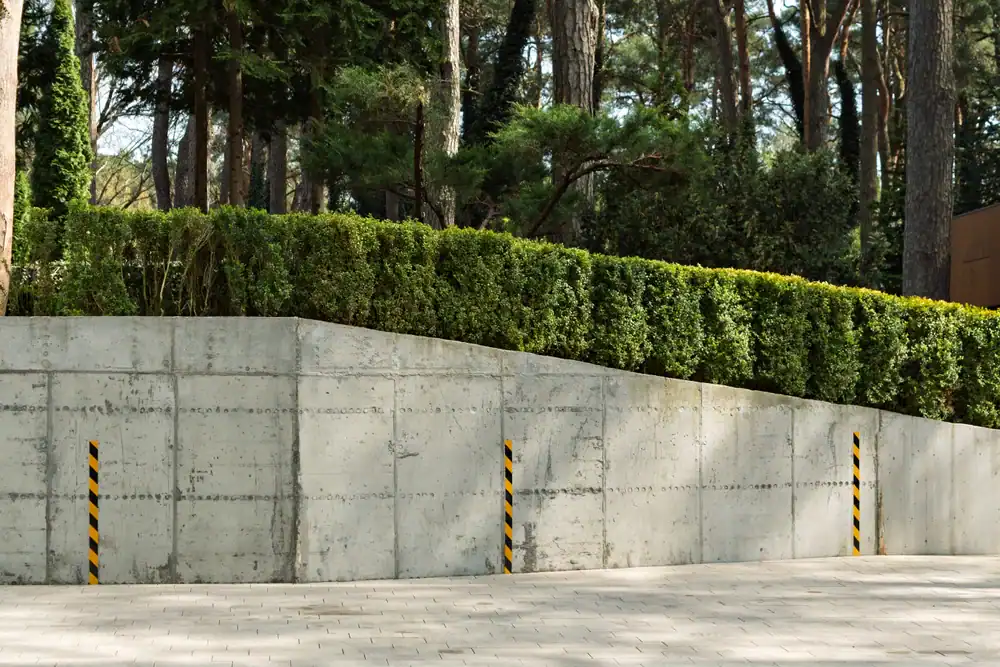

A retaining wall isn’t just stacked blocks. It’s engineered to hold back thousands of pounds of soil pressure while managing water that wants to go somewhere.
When it’s done right, you get a yard that stays put during heavy rain. No more watching your landscaping wash down the driveway. No more puddles collecting against your foundation or damp basement walls that smell like mildew.
The difference shows up in what doesn’t happen. Your foundation stays dry. Your driveway doesn’t crack from shifting soil underneath. That steep slope you couldn’t use becomes usable space where kids can play or you can actually mow without risking your ankles.
Most homeowners in Oak Ridge don’t think about retaining walls until they see erosion eating away at their property. By then, you’re not just paying for the wall—you’re paying to fix what erosion already damaged.
Proline Construction has been handling masonry and construction work throughout Morris County for years. We know Oak Ridge’s terrain—the clay soil that holds water, the slopes that turn into streams during spring thaw, the freeze-thaw cycles that crack poorly built walls.
We’re not a crew that shows up, stacks some blocks, and disappears. Every retaining wall we build starts with understanding what’s actually happening with your soil and water. Then we engineer a solution that handles the pressure and drainage your specific property deals with.
Our pricing is transparent from the start. No hidden charges that show up halfway through the job. You’ll know what you’re paying and why before we break ground.

First, we come look at your property. We’re checking the slope, how water moves across your yard, what’s happening with the soil, and what kind of pressure the wall needs to handle. This isn’t a quick glance—it determines whether you need a gravity wall, a cantilever design, or segmental retaining wall blocks.
Once we know what you’re dealing with, we give you a detailed quote. It covers materials, labor, drainage solutions, and any grading work needed to prep the site. You’ll see exactly what goes into the number.
When we start building, we excavate and create a level base with compacted gravel. This foundation is critical—it’s what keeps the wall from settling or tilting over time. Then we install the retaining wall blocks or pour concrete, depending on your project. Every course gets checked for level and proper backfill.
Behind the wall, we install drainage systems—perforated pipe and gravel that gives water an escape route instead of building up pressure. Without proper drainage, even a well-built wall can fail.
The whole process typically takes a few days to a couple weeks, depending on the wall’s height and length. You’ll have a structure that can handle Oak Ridge weather and soil conditions for decades.

Ready to get started?
You’re getting more than just stacked materials. Every retaining wall project includes site evaluation, proper excavation, engineered base preparation, and drainage installation. We handle the grading work to ensure water flows away from the wall, not toward it.
Material options depend on what works for your property and budget. Concrete retaining wall blocks offer durability and clean lines. Natural stone gives you that classic look that complements Oak Ridge’s wooded properties. Poured concrete works for taller walls that need maximum strength.
If you’ve got an existing wall that’s cracking, leaning, or showing signs of failure, we handle repairing retaining walls too. Sometimes that means rebuilding sections. Other times we can reinforce and stabilize what’s there. It depends on how far the damage has progressed and whether the original wall had proper drainage.
In Oak Ridge, we see a lot of walls that were built without accounting for water. The soil here doesn’t drain quickly, especially in areas with clay content. When water gets trapped behind a wall with no escape route, it creates hydrostatic pressure that pushes the wall forward. That’s why drainage isn’t optional—it’s the difference between a wall that lasts and one that fails in five years.

Most retaining wall projects in Oak Ridge run between $4,000 and $15,000, but that range is wide because every property is different. You’re looking at $35 to $65 per square foot when you factor in materials, labor, excavation, drainage, and site prep.
A short wall that’s holding back a gentle slope costs less than a tall wall managing a steep grade with drainage issues. The material you choose matters too—concrete retaining wall blocks are typically more affordable than natural stone, but both can last decades when installed correctly.
Height is a big cost factor. Walls over four feet require more engineering, deeper footings, and often permits. The soil conditions on your property affect how much prep work we need to do before building. If we’re dealing with clay that holds water or loose fill that needs compacting, that adds to the project scope.
The smartest approach is getting a detailed quote based on your actual property. We’ll measure the area, assess what’s happening with your soil and drainage, and give you a number that covers everything. No surprises halfway through the job.
A typical residential retaining wall takes anywhere from three days to two weeks. The timeline depends on the wall’s length, height, site access, and how much prep work your property needs.
Shorter walls under three feet with good site access can often be completed in a few days. We excavate, prep the base, install the blocks or pour concrete, and handle backfill and drainage. If weather cooperates and we don’t hit unexpected issues like buried utilities or poor soil, the work moves quickly.
Taller walls or projects with complicated drainage needs take longer. We might need to bring in additional equipment, do more extensive grading, or wait for concrete to cure before backfilling. Properties with limited access—where we can’t get equipment close to the work area—add time because more work happens by hand.
We’ll give you a realistic timeline during the estimate. Most homeowners are more concerned about the job being done right than done fast, and we agree. Rushing base prep or drainage installation creates problems you’ll pay for later.
The best retaining wall for your property depends on how much soil it needs to hold back, what’s happening with water drainage, and what you want it to look like. There’s no one-size-fits-all answer.
For walls under four feet, segmental retaining wall blocks work well. They’re engineered to interlock, they handle freeze-thaw cycles without cracking, and they come in different styles if appearance matters. These are gravity walls—they use their own weight to resist soil pressure.
Taller walls often need poured concrete with reinforcement. These cantilever walls use a footing that extends under the soil they’re retaining, which gives them leverage against the pressure. They’re stronger for steep slopes or areas where you’re holding back significant weight.
Natural stone walls give you a classic look that fits Oak Ridge’s aesthetic, but they require skilled masonry work. The stones need to be fitted and set properly, with drainage behind them, or they’ll eventually shift and fail.
The real decision comes down to your site conditions. We evaluate the slope, soil type, water flow, and how much pressure the wall will face. Then we recommend what actually works for your property—not just what looks good in a photo.
In most cases, yes—especially if your wall is over three or four feet tall. Oak Ridge follows building codes that require permits for retaining walls that could affect property stability or drainage. The exact requirements depend on the wall’s height, location, and proximity to property lines.
Permits aren’t just bureaucratic hassle. They ensure your wall is engineered properly and won’t fail in a few years, potentially damaging your property or your neighbor’s. The inspection process catches issues like inadequate footings, missing drainage, or improper backfill before they become expensive problems.
We handle permit applications as part of the project. We know what the local building department requires, what engineering calculations they want to see, and how to get approvals without unnecessary delays. This is part of working with a contractor who’s done this before—you’re not figuring out the permit process on your own.
Some smaller walls under a certain height might not require permits, but it’s worth checking before you start. Building without a required permit can create issues when you sell your property or file an insurance claim. It’s not worth the risk to skip this step.
Most retaining wall failures come down to water. When drainage wasn’t installed properly—or wasn’t installed at all—water builds up behind the wall and creates pressure that pushes it forward. Over time, that pressure causes leaning, cracking, or complete failure.
The other common issue is poor base preparation. If the wall was built on uncompacted soil or without a proper gravel foundation, it settles unevenly. You’ll see this as leaning, gaps between blocks, or sections that have dropped lower than others.
In Oak Ridge, freeze-thaw cycles make these problems worse. Water gets into cracks, freezes, expands, and makes the damage bigger each winter. A wall that looked fine five years ago can deteriorate quickly once water infiltration starts.
Sometimes the wall was just undersized for the job. If you’re holding back a steep slope with significant soil weight, and the wall wasn’t engineered for that pressure, it’s going to fail eventually. This happens a lot with DIY walls or projects where someone tried to save money by skipping engineering.
If your wall is showing these signs, get it looked at sooner rather than later. Early-stage problems are cheaper to fix than complete rebuilds. We can assess what’s causing the failure and whether repair or replacement makes more sense for your situation.
Retaining walls don’t need much maintenance if they’re built right, but a little attention goes a long way toward catching problems early. The main thing you’re watching for is drainage issues and any signs the wall is moving.
Check the drainage outlets a couple times a year, especially after heavy rain. You should see water coming out through the weep holes or drainage pipe. If those get clogged with soil or debris, water backs up behind the wall and creates pressure. Clearing them takes a few minutes and prevents bigger issues.
Look for any tilting, bulging, or cracks that weren’t there before. Small cracks in concrete are normal as it cures, but cracks that grow or run vertically through multiple blocks signal a problem. Same with any section that’s leaning forward or pulling away from the soil behind it.
Keep soil and mulch from piling up against the top of the wall. You don’t want extra weight or water sitting there. If you’re landscaping near the wall, avoid planting large trees or shrubs with aggressive root systems—roots can push blocks apart over time.
For concrete and block walls, you’re looking at decades of life with minimal upkeep. Stone walls might need occasional repointing if mortar deteriorates. But mostly, you’re just keeping an eye on things and addressing small issues before they turn into expensive repairs. If you notice something that doesn’t look right, call someone who knows retaining walls. Catching problems early saves money.
Other Services we provide in Oak Ridge