

You’re dealing with soil that slides after every heavy rain. Mulch keeps drifting out of your beds. Water pools near your foundation because the grade isn’t working in your favor.
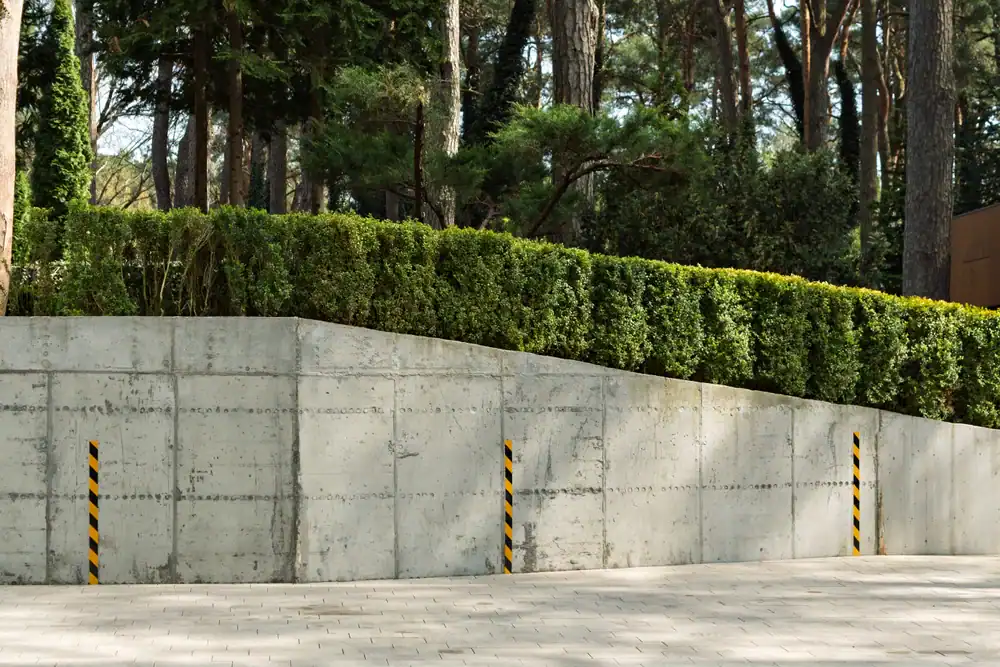
A properly built retaining wall stops all of that. It holds back soil where it belongs, redirects water away from your house, and gives you flat, usable space where you used to have a slope you couldn’t do anything with.
The difference isn’t just visual. It’s structural. When drainage is handled correctly behind the wall and the base is built to code, you’re not patching things up in five years. You’re done. The wall does its job, the water goes where it should, and your property stays intact through storms, freezes, and everything else New Jersey throws at it.
Proline Construction has been handling masonry and structural work across New Jersey for nearly two decades. We’re not a landscaping crew that does walls on the side. This is what we do.
Pleasantdale properties sit on varied terrain, and plenty of homes here were built in the ’40s through ’60s. That means mature landscapes, settled soil, and drainage patterns that have been in place for decades. When you’re adding or repairing a retaining wall, you need someone who understands how water moves through your specific property and what it takes to build something that won’t shift, crack, or bow out in three years.
We use concrete retaining wall blocks, natural stone, poured concrete, and other materials depending on what your site actually needs. Every project starts with a free consultation where we walk the property, look at drainage, talk through options, and give you a clear estimate with no hidden fees.

First, we come out to your property in Pleasantdale and assess the site. We look at the slope, check how water drains during rain, and figure out what’s causing erosion or instability. That tells us how deep the footing needs to be, what type of block wall or retaining wall material makes sense, and whether we need to reroute drainage.
Once you approve the estimate, we start with excavation. The base has to be level and compacted, usually with crushed stone, so the wall doesn’t settle unevenly. Then we install the first course of blocks or stone, making sure it’s perfectly level because everything else builds off that.
As we go up, we backfill with gravel and install drainage pipe behind the wall. That’s the part that keeps hydrostatic pressure from building up and pushing the wall out. We compact each layer as we go. The cap goes on last, locking everything in place. When we’re done, you’ve got a wall that’s built to code, drains properly, and isn’t going anywhere.

Ready to get started?
Every retaining wall project includes site evaluation, material selection, excavation, proper base prep, drainage installation, and wall construction using concrete retaining wall blocks, stone, or poured concrete depending on your site. We handle permits if your wall is over a certain height, and we make sure the finished product meets local building codes.
In Pleasantdale, we see a lot of requests for walls that create level areas for patios, driveways, or garden beds on sloped lots. We also handle wall landscaping integration so the finished structure doesn’t look like an afterthought. If you’ve got an existing wall that’s leaning, cracking, or showing signs of drainage failure, we assess whether it can be repaired or needs full replacement.
Material choice matters more than most people realize. Concrete blocks are cost-effective and strong. Natural stone looks better but costs more and takes longer to install. Poured concrete works for taller walls or commercial applications. We’ll walk you through what makes sense for your budget, your soil type, and how much load the wall needs to hold. You’re not getting upsold. You’re getting the option that actually works for your property.

Most residential retaining walls in Pleasantdale run between $4,000 and $15,000 depending on height, length, and material. A standard 50-foot-long, 4-foot-tall concrete block wall typically costs around $8,000 including materials, labor, excavation, and drainage.
If you’re using natural stone or need a taller wall, expect to pay closer to $25 to $40 per square foot. Shorter garden walls under 3 feet can come in around $2,000 to $4,000. The biggest cost drivers are height, access to the site, and how much excavation or regrading is needed before we can even start building.
We give you a free estimate after walking your property so there’s no guessing. You’ll know what it costs, what’s included, and what your options are before anything gets started.
A well-built retaining wall with proper drainage can last 20 to 50 years or more. The lifespan depends on the material, how well water is managed behind the wall, and whether the base was installed correctly from the start.
Concrete block walls and poured concrete tend to last longest if the drainage system is working. Natural stone can last decades but may need occasional resetting if the ground shifts. The number one killer of retaining walls is water. If there’s no drainage pipe or gravel backfill, hydrostatic pressure builds up and pushes the wall out. That’s when you see bowing, cracking, and eventual collapse.
We install drainage behind every wall we build. That’s not optional. It’s the difference between a wall that lasts 30 years and one that fails in five. Regular maintenance like clearing weep holes and checking for settling can add years to the lifespan.
In most cases, yes. West Orange Township, which includes Pleasantdale, typically requires a permit for retaining walls over 3 feet in height or any wall that supports a load like a driveway or patio. Walls near property lines may also need setback approval.
The permit process involves submitting plans that show wall height, materials, drainage, and footing depth. An inspector may need to check the base before you backfill. If your wall is under 3 feet and not supporting a structure, you might not need a permit, but it’s worth confirming with the township before you start.
We handle permit applications as part of the project if needed. We know what the township requires, and we build to code whether a permit is required or not. Skipping permits on a wall that needs one can cause problems if you ever sell the property or if a neighbor complains.
Poor drainage is the main cause. When water builds up behind the wall, it creates pressure that pushes the wall forward. Over time, that pressure causes bowing, cracking, or complete collapse. If there’s no gravel backfill or drainage pipe, water has nowhere to go.
Other common causes include shallow footings that don’t go below the frost line, improper base compaction, or using the wrong materials for the height and load. Walls that are too tall without proper reinforcement or tiebacks will also fail. Soil type matters too. Clay holds water and creates more pressure than sandy or gravelly soil.
If your wall is leaning, cracking horizontally, or showing separation between blocks, it’s a drainage or structural issue. Sometimes we can add drainage and reinforce the wall. Other times it needs to be rebuilt. We assess the damage and tell you what’s actually fixable versus what’s a safety risk.
Concrete retaining wall blocks are the most common choice because they’re strong, affordable, and hold up well in freeze-thaw cycles. Brands like Techo-Bloc, EP Henry, and Allan Block are standard in this area. They interlock, they’re easy to work with, and they last.
Natural stone looks better and works well for shorter walls or decorative applications, but it costs more and takes longer to install. Poured concrete is the strongest option for taller walls or commercial projects, but it’s also the most expensive and requires forming and curing time.
For most residential projects in Pleasantdale, concrete blocks are the best balance of cost, durability, and appearance. If you want a high-end look, stone veneer over a concrete block core gives you the aesthetics without the full cost of solid stone. We’ll show you samples and talk through what makes sense for your budget and site conditions.
It depends on what’s wrong with it. If the wall is slightly leaning but the blocks are intact and the footing is still solid, we can sometimes excavate behind it, add proper drainage, and reinforce it with tiebacks or deadmen anchors. Minor cracks can be patched if they’re not structural.
If the wall is severely bowed, has horizontal cracks, or the footing has failed, replacement is usually the only safe option. Trying to patch a wall that’s structurally compromised just delays the inevitable and puts your property at risk. We’ve seen walls that were “repaired” three times before someone finally rebuilt them correctly.
When we assess an existing wall, we’re looking at the footing depth, whether there’s any drainage, how much the wall has moved, and what’s causing the failure. We’ll tell you honestly whether a repair will actually hold or if you’re better off rebuilding it the right way. Most of the time, if a wall failed once, it’s because it wasn’t built correctly to begin with.
Other Services we provide in Pleasantdale