

You’ve probably noticed the signs. Water pooling where it shouldn’t. Soil sliding down after heavy rain. Garden beds shifting. Cracks in your patio that weren’t there last year.
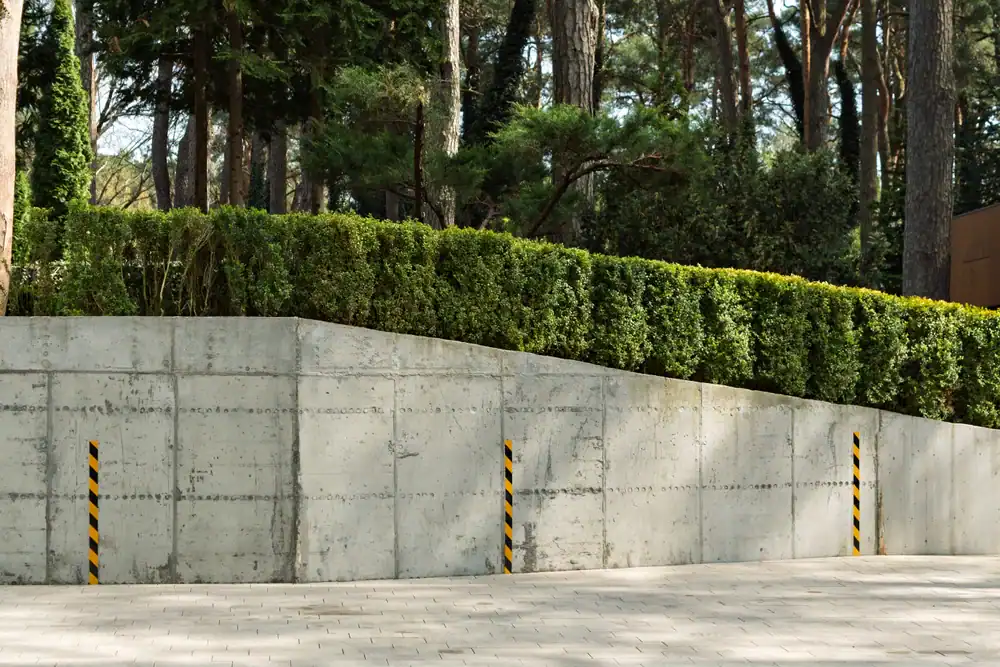
These aren’t just cosmetic issues. In Randolph’s rolling terrain, unmanaged slopes lead to foundation problems, drainage failures, and thousands in emergency repairs. A properly built retaining wall stops that cycle before it starts.
What you get is more than erosion control. You get flat, usable space for the patio you’ve been planning. You get water flowing away from your foundation instead of toward it. You get a landscape that holds its value instead of sliding away season after season. And you get it done right the first time, with materials and drainage systems built to handle Morris County’s weather without cracking, bowing, or failing in five years.
We’ve been handling masonry and home improvement projects across Morris County for nearly 20 years. We’re licensed, insured, and we’ve seen what happens when retaining walls are built without proper drainage or reinforcement.
Randolph homeowners deal with specific challenges. The township’s hilly topography and mature properties mean you’re often working with established landscapes, older drainage patterns, and soil that’s been shifting for decades. We’ve built walls on these slopes. We know what works here and what fails in three winters.
You’re not getting a crew that learned masonry last month. You’re getting certified contractors who understand building codes, who’ve handled everything from small garden walls to large-scale erosion control projects, and who show up when we say we will.

First, we come to your property and actually look at what’s happening. Where’s the water going? What’s the soil composition? How much height difference are we managing? You get a free estimate that accounts for materials, drainage, and the specific conditions of your site.
Once you approve the plan, we handle permits if needed and schedule the work. We excavate to stable soil, install proper base materials, and build the wall with reinforcement appropriate to the height and load. Every retaining wall gets drainage behind it—gravel backfill, weep holes, and drainage pipes where necessary. This isn’t optional. It’s the difference between a wall that lasts 20 years and one that fails in five.
After the wall is built, we backfill properly, compact the soil, and make sure water flows where it should. You get a finished structure that’s level, stable, and built to handle freeze-thaw cycles without cracking. The job site gets cleaned up, and you get a wall that does its job without needing constant attention.

Ready to get started?
You have options when it comes to materials. Concrete retaining wall blocks offer durability and a clean look. Natural stone gives you a more traditional aesthetic. Poured concrete works for larger commercial applications. We’ll walk you through what makes sense for your budget, your property, and how you want the finished wall to look.
In Randolph, where property taxes average over $12,000 and most homes are owner-occupied single-family houses, your landscaping investment matters. A well-designed retaining wall doesn’t just prevent erosion—it creates terraced garden space, defines property lines, and adds structure to your landscape that buyers notice.
The work includes site preparation, excavation, base installation, wall construction, drainage systems, backfill, and final grading. If you’re dealing with a failing wall, we assess whether repair is viable or if replacement makes more sense. Sometimes a wall just needs drainage added. Sometimes it needs to be rebuilt correctly. We’ll tell you which situation you’re in and why.

Most retaining wall projects in New Jersey run between $4,000 and $15,000 depending on height, length, materials, and site conditions. A basic 50-foot concrete block wall at four feet tall typically costs around $8,000 including materials and labor.
Your actual cost depends on what you’re working with. Difficult access raises the price. Rocky soil that requires extra excavation raises the price. Walls over four feet need engineering and additional reinforcement, which raises the price. If your property has drainage issues that need to be corrected as part of the project, that’s additional work.
We give you a free estimate based on your specific site. No hidden charges, no surprises halfway through the job. You’ll know what the project costs before we start, and that number includes materials, labor, drainage, and cleanup.
Improper drainage is the number one cause of retaining wall failure. When water builds up behind a wall with nowhere to go, it creates hydrostatic pressure that causes bowing, cracking, and eventual collapse. You’ll see it start as a small lean or crack that gets worse every season.
We prevent failure by building drainage into every wall from the start. That means gravel backfill that allows water to drain down instead of building pressure. Weep holes that let water escape at the base. Drainage pipes behind taller walls that direct water away entirely. The wall itself is only half the system—the drainage is what keeps it standing.
The other common failure point is inadequate base preparation. If you build on unstable soil or skip the compacted gravel base, the wall will settle unevenly and crack. We excavate to stable soil, install a proper base, and compact everything correctly. It takes more time upfront, but it’s the difference between a wall that lasts decades and one that fails in a few years.
Most residential retaining walls take between three days and two weeks depending on size and complexity. A simple 30-foot garden wall might be done in three to four days. A larger terraced system with multiple levels and extensive drainage work could take two weeks.
Weather affects the timeline, especially in New Jersey. We can’t pour footings in freezing temperatures or work in heavy rain. If your project requires permits, add time for approval before we start. If we encounter unexpected site conditions—buried utilities, ledge rock, or drainage issues that need correction—that extends the schedule.
We give you a realistic timeline during the estimate and keep you updated if anything changes. The goal is to get the job done right, not fast. Rushing a retaining wall installation leads to the drainage and base problems that cause failures down the road.
It depends on what’s failing and why. If your wall is leaning slightly and the problem is just missing drainage, we can often add weep holes and improve backfill without rebuilding. If you have minor cracks in a few blocks, we can replace those sections.
But if the wall is leaning more than a few inches, if there are large cracks running through multiple courses, or if the base has settled significantly, repair isn’t going to fix the underlying problem. You’re looking at a wall that was either built without proper drainage or built on an inadequate base. Patching it buys you a year or two at most before the same issues come back worse.
We assess the wall, explain what’s causing the failure, and give you honest options. Sometimes repair makes sense. Sometimes you’re throwing money at a problem that needs a real solution. We’ve been doing this long enough to know the difference, and we’ll tell you which situation you’re in.
Concrete retaining wall blocks are the most common choice for residential projects in Randolph. They’re durable, cost-effective, and available in styles that range from basic utility to decorative finishes. They handle freeze-thaw cycles well and don’t require the same level of skill as natural stone.
Natural stone gives you a more traditional look that fits with Randolph’s established neighborhoods. It costs more and takes longer to install, but it’s a good choice if aesthetics are a priority and you’re working with a visible wall that’s part of your front landscape.
Poured concrete works for taller walls or commercial applications where you need maximum strength. It requires forming and typically costs more than block. The best material for your project depends on your budget, the wall’s function, and how you want it to look. We walk through the options during the estimate and show you examples of what each material looks like installed.
Randolph typically requires permits for retaining walls over a certain height, usually four feet, though requirements can vary based on location and whether the wall is near property lines or easements. Walls that affect drainage or are part of a larger site work project may also need approval.
We handle permit applications as part of the project. Our team knows the local building codes and what the township requires for retaining wall construction. If your project needs engineering, we coordinate that as well.
Skipping permits when they’re required creates problems if you ever sell the property or if a neighbor complains. It’s not worth the risk. We make sure everything is done correctly and documented properly so you don’t have issues down the road.
Other Services we provide in Randolph