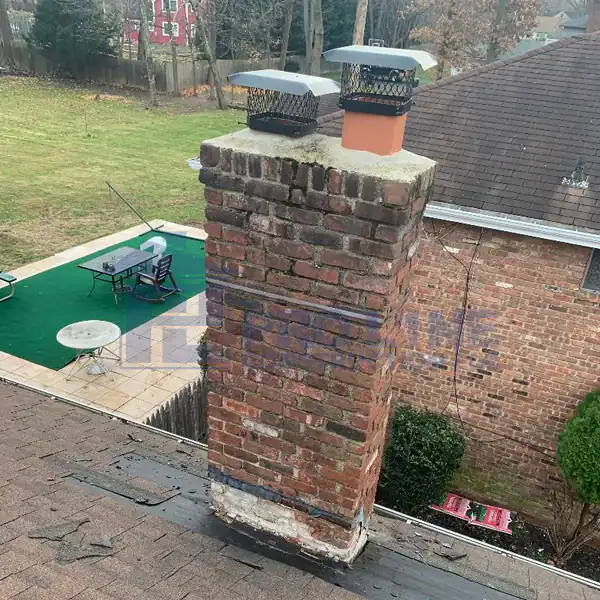
Quality masonry does more than fix problems—it transforms how your home looks, performs, and holds value in northern New Jersey's demanding climate.
Share:
Summary:
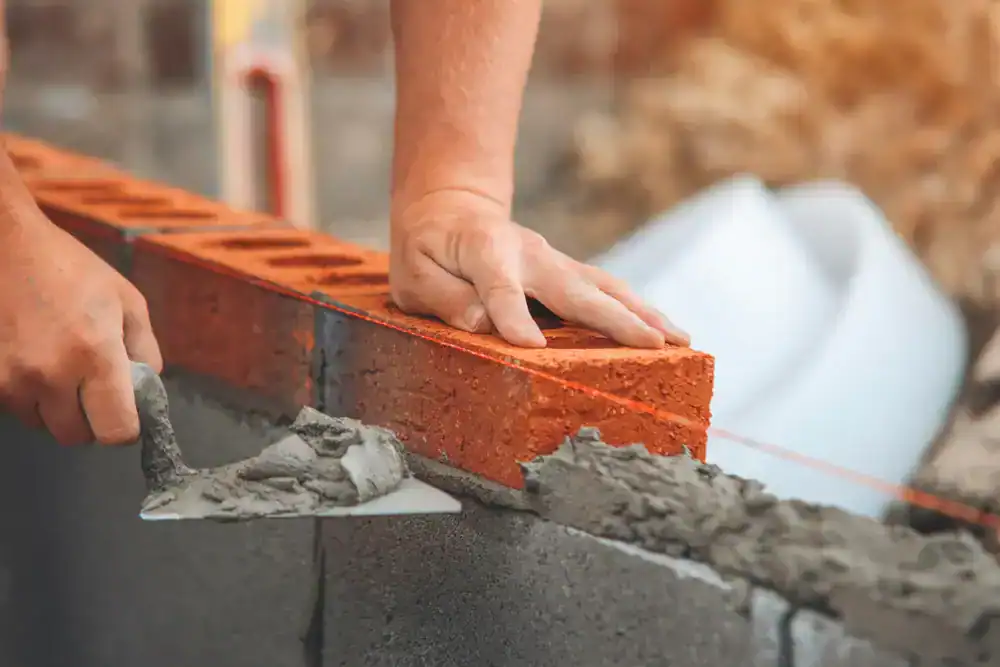
Masonry isn’t just about stacking bricks; if it were that easy, toddlers with LEGOs would be our primary competition. It’s about creating something that stays put when temperatures swing from “surface of the sun” in July to “frozen tundra” in January. In our neck of the woods, your brickwork needs a high tolerance for mood swings and an even higher tolerance for moisture.
The homes that catch your eye aren’t necessarily using exotic stones imported from a secret mountain. They’re using the right materials for this specific zip code, installed by people who know how freeze-thaw cycles work and what happens when you ignore drainage. That’s the difference between a stone feature that adds value and one that eventually ends up as a pile of rubble in your mulch.
When you drive through towns in Morris or Essex County, the properties that stand out have a certain “gravity” to them. The walkways lead somewhere logically, the retaining walls actually, you know, retain things, and the chimneys aren’t leaning like they’ve had one too many. It’s a solid, quiet confidence that says, “I was built to outlast your mortgage.”
Water is the silent assassin of almost every masonry project in New Jersey. It sneaks into tiny cracks in your brick and mortar like an uninvited relative at Thanksgiving. When the temperature drops, that water expands by about nine percent, pushing against the masonry from the inside out with the persistence of a telemarketer.
You’ll see the results as “spalling,” where the face of the brick flakes off, or mortar joints that start to look like powdered sugar. It doesn’t happen overnight, but once it starts, each winter makes it worse until you’re left wondering if your house is slowly dissolving. In northern NJ, these cycles are relentless, occurring dozens of times between November and March.
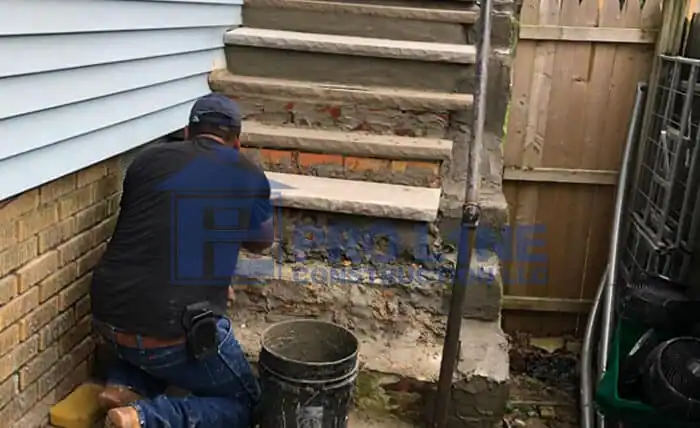
The fix isn’t just “more cement.” It’s about smart engineering—proper drainage to keep water from pooling, the right mortar mix that allows for a little “give,” and repointing joints before they turn into entryways for ice. Using materials specifically rated for freeze-thaw environments is the only way to ensure your patio doesn’t turn into a topographical map of the Himalayas after three winters.
First impressions are set before anyone even steps through your front door. When a potential buyer—or just a judgmental neighbor—drives up and sees a level brick walkway and a solid stone facade, they aren’t just seeing “pretty.” They’re seeing a home that hasn’t been neglected, which is a rare find in the wild world of real estate.
Quality masonry work can boost a home’s appraised value by up to ten percent, which is a lot of zeroes for a project that often costs far less. Appraisers know that stone and brick don’t rot, don’t need a fresh coat of paint every five years, and generally have a better “shelf life” than vinyl or wood. It’s a signal of permanence in a world of “good enough.”
Buyers feel this too, even if they can’t explain why a stone veneer looks better than plastic siding. A home with solid masonry just feels heavier, more expensive, and less likely to fall apart during a Nor’easter. It’s the kind of upgrade that pays for itself twice—once in the pride of ownership, and again when the “For Sale” sign goes up and the offers start rolling in.
Want live answers?
Connect with a Proline Construction expert for fast, friendly support.
Not all masonry projects are created equal. Some are like buying a new tie, while others are like getting a full heart transplant. Understanding which services actually solve problems—and which ones just look nice on Instagram—is key to spending your home improvement budget wisely without ending up with “contractor’s remorse.”
Chimney repair usually wins the award for “Most Urgent.” A leaking chimney isn’t just an eyesore; it’s a water-delivery system for your attic and walls. Fixing the crown and flashing before it becomes a structural nightmare is the smartest money you’ll ever spend, even if you can’t see the results from your living room sofa.
Patios and retaining walls, however, are the “Lifestyle Upgrades.” A well-built retaining wall can turn a useless, sloped hill into a terraced garden that actually lets you walk on your grass without falling over. Meanwhile, a stone patio creates an outdoor room that lasts through decades of BBQs and birthday parties without cracking under the pressure of a few guests.
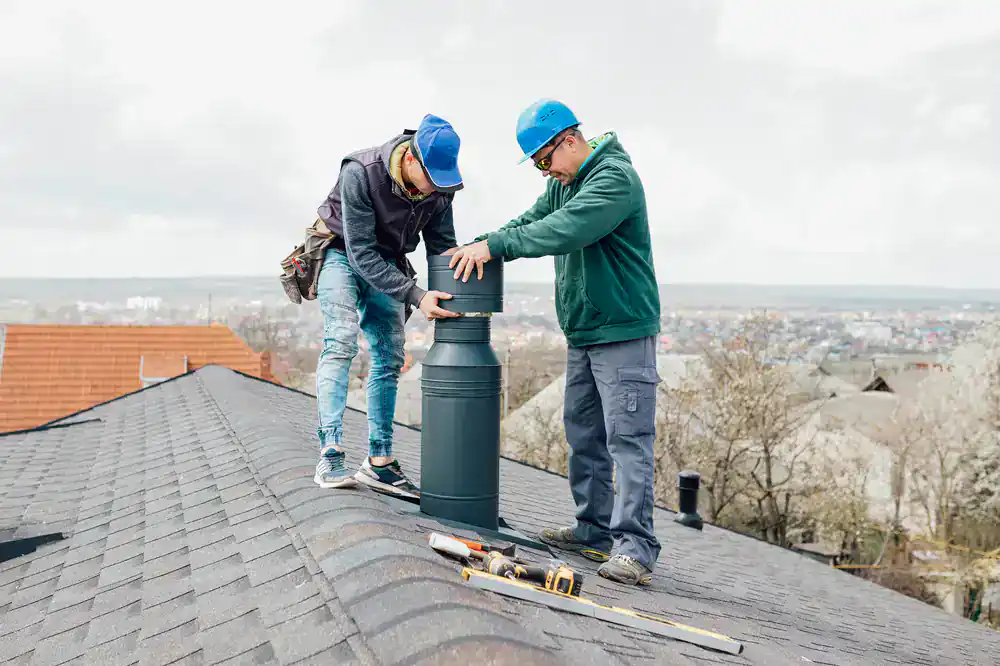
Chimneys fail in very predictable, very annoying ways. The concrete cap—the “crown”—cracks and starts acting like a funnel for rainwater. The metal flashing where the bricks meet the roof starts to pull away, creating a direct path for water to visit your ceiling. If you ignore these, you’re not just looking at a brick repair; you’re looking at a mold restoration project.
The good news is that most chimney drama is fixable if you catch it while it’s still a “small leak” and not a “waterfall.” Repointing the mortar joints seals the structure, while a professionally rebuilt crown with a proper slope ensures that water knows it’s not welcome. It’s about keeping the elements outside where they belong, so you can stay cozy by the fire.
In Morris and Essex County, the age of our homes adds a layer of “vintage” complexity. Older chimneys weren’t always built with modern moisture-proofing in mind, and our clay-heavy soil loves to shift, putting extra stress on the masonry. A real inspection identifies these underlying issues, so we aren’t just putting a “cosmetic band-aid” on a structural problem that’s going to come back next year.
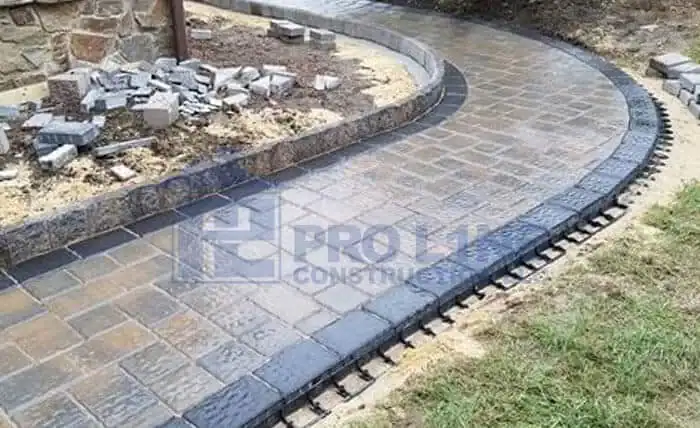
Building a patio in northern New Jersey isn’t like building one in Florida; our soil actually has opinions. The clay-heavy ground here holds onto water like a hoarder, which creates massive pressure against retaining walls and causes “frost heaving” that can make your patio look like a roller coaster. If your contractor doesn’t mention “base depth” or “drainage pipe,” you should probably show them the door. A quality patio starts with serious excavation and a properly compacted gravel base. This isn’t just for fun; it provides a place for water to go so it doesn’t push your pavers out of alignment. We also build a slight slope into the design, because while we like your foundation, we don’t want your patio water to get too attached to it.
Retaining walls are the “heavy lifters” of the yard. They have to fight back against thousands of pounds of wet NJ soil. If they aren’t built with the right drainage “weep holes” and a solid foundation, they will eventually lean forward like they’re trying to listen in on your neighbor’s conversation. We build them to stay upright, guaranteeing your yard stays terraced and your property stays put.
The difference between masonry that “wows” and masonry that “woes” is all in the preparation. Northern New Jersey is a tough environment—our weather is unpredictable, and our soil is stubborn. But when you combine the right materials with a contractor who understands the physics of a New Jersey winter, you get results that last long after the neighbors’ DIY projects have crumbled.
Quality brickwork, chimney repair, and stonework aren’t just about making your house look like a million bucks; they’re about making sure it stays that way. By focusing on drainage, base prep, and material selection, you turn your home’s exterior into a fortress of style. It’s a win for your curb appeal, your property value, and your peace of mind.
If you’re ready to stop worrying about your crumbling chimney or your sinking walkway, we’re here to help. We’ve been transforming homes across Morris and Essex County since 2018 with honest work and a full warranty. Reach out for a free consultation—let’s build something that actually stays where we put it.
Article details:
Share: