Summary:
How freeze-thaw cycles damage masonry in NJ
New Jersey sits in a climate zone where you get brutal winters, wet springs, and enough temperature swings to stress any building material. That freeze-thaw pattern is the main enemy of masonry.
When water seeps into brick, stone, or mortar joints and then freezes, it expands. That expansion creates internal pressure strong enough to crack masonry from the inside out. When it thaws, the damage is done—but the crack is now bigger, so more water gets in. Next freeze, the cycle repeats and the damage spreads.
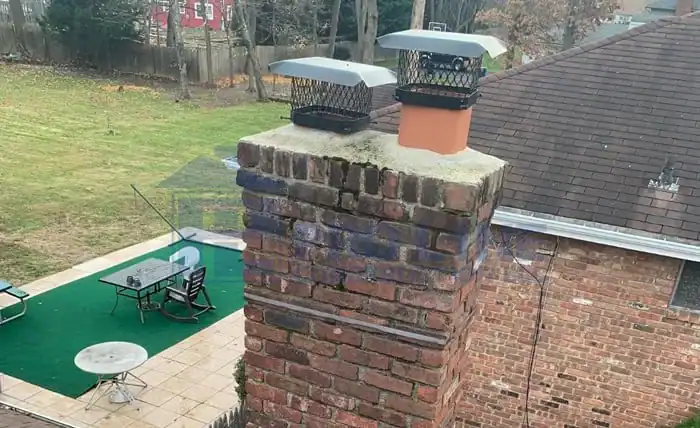
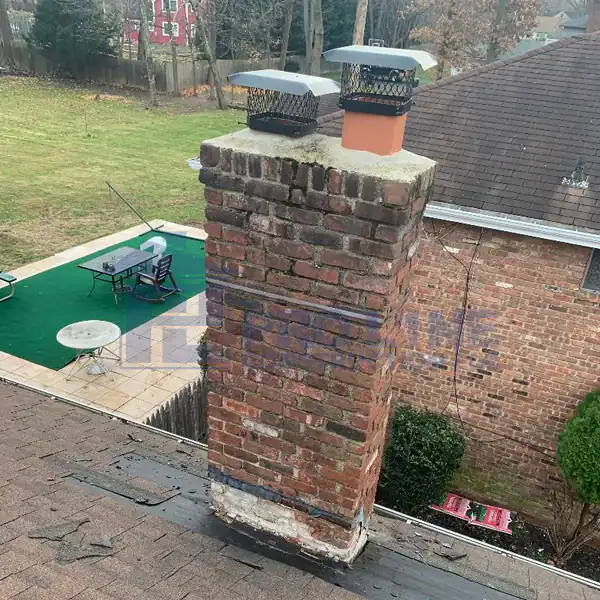
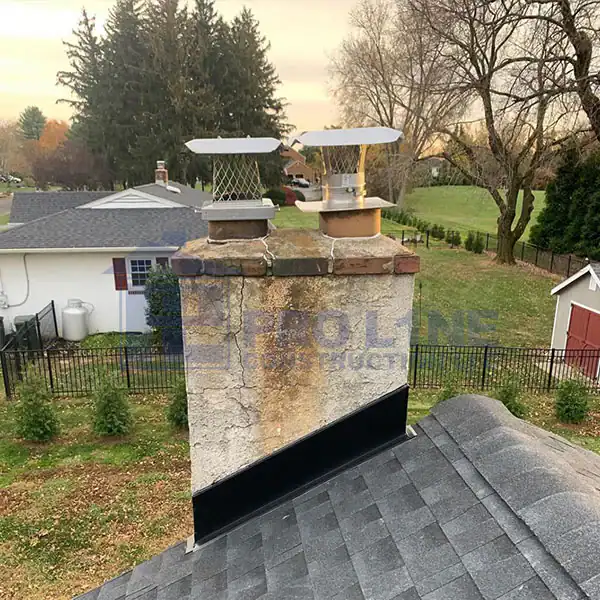
Chimneys take the worst of it. They’re fully exposed above your roofline with no protection from siding or overhangs. Just brick and mortar absorbing rain, snow, humidity, and temperature extremes all year. Add in the heat stress from actual use during winter, and it’s no wonder chimney repair is one of the most common calls we get.
Signs of freeze-thaw damage on your home
You don’t need to be a mason to spot problems. Walk around your house on a dry day and look closely at your chimney, exterior walls, walkways, and any masonry features. Flaking brick faces—called spalling—mean water got in, froze, and popped the surface layer off. It looks like the brick is peeling.
Check your mortar joints. If they’re crumbling, receding, or have visible gaps, that’s deterioration. Mortar is softer than brick by design, so it takes the hit first. That’s actually good—it’s easier and cheaper to replace mortar than entire bricks. But if you ignore it, water starts getting behind the brick, and then you’re looking at structural issues.
White chalky deposits on the surface? That’s efflorescence. It’s salt left behind when water evaporates out of masonry. Mostly cosmetic, but it tells you moisture is moving through your walls. That’s not something you want long-term, especially in areas with harsh winters like Morris County, NJ.
Cracks are the most obvious warning sign. Hairline cracks might seem harmless, but they widen every time water freezes inside them. What starts as a barely visible line in April can become a structural problem by December. Horizontal cracks or stair-step patterns are especially concerning—they often mean there’s movement or settling happening in your foundation or walls.
If you’ve got a chimney, inspect the crown (the concrete top) and the cap (the metal cover). Cracks in the crown let water pour straight down into your chimney structure. A missing or damaged cap means rain, snow, animals, and debris are getting in. Both are fixable, but only if you catch them before the damage spreads to your flue or interior walls.
Check inside too. Water stains on ceilings near the chimney, damp smells in the fireplace, or visible moisture in the firebox all point to the same problem: your chimney’s letting water in, and it’s only getting worse with every storm.
Best times to inspect and repair masonry in New Jersey
Timing makes a huge difference when it comes to catching and fixing masonry problems. Spring is when you see the aftermath of winter. Freeze-thaw damage shows up clearly. Cracks that were small in November are now wide enough to need immediate attention. Mortar that looked fine in October is crumbling by April.
Spring is also the ideal time to schedule masonry repairs. This work needs dry, warm weather to cure properly. Mortar won’t set correctly in freezing temperatures, and we won’t take on exterior masonry jobs once it gets too cold. If you wait until fall to address damage, you might not get it fixed before winter returns. Then you’re stuck with another season of water intrusion making everything worse.
Fall is your prep season for winter chimney prep NJ homeowners should prioritize. This is when you seal cracks, apply waterproofing, and make sure everything’s buttoned up before the first freeze. It’s also when we get slammed with appointment requests because everyone suddenly remembers they need their flue cleaned before lighting the first fire.
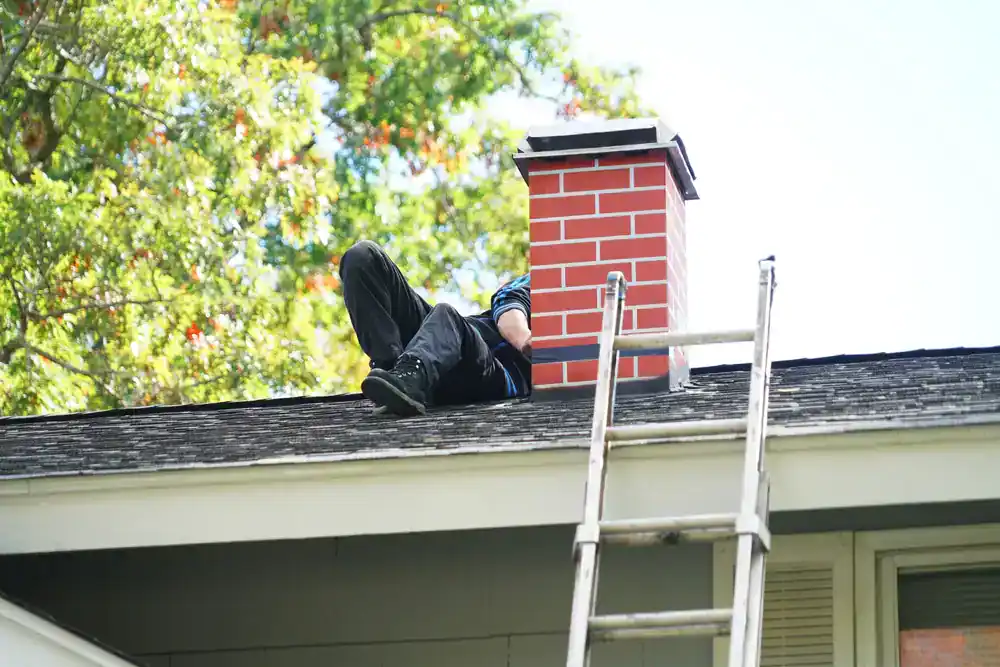
New Jersey law requires annual chimney inspections—that’s not optional. Oil, gas, and wood-burning systems all need professional inspection every year. Most homeowners don’t realize that. They assume if the fireplace worked last year, it’s fine this year. But a lot can happen in 12 months, especially with our weather patterns in Essex County, NJ.
The inspection catches things you’d never see on your own. Creosote buildup in the flue. Cracks in the liner. Damaged flashing where the chimney meets the roof. Blockages from bird nests or debris. These aren’t minor issues—they’re fire hazards, carbon monoxide risks, and water damage waiting to happen.
Scheduling in spring or early fall means you’re not competing with the holiday rush. We’re busiest from late October through January. If something breaks in December, it’s harder to get someone out quickly. Handle it in April or May, and you’ve got your pick of appointment times. Any repairs can be completed without the pressure of an impending cold snap threatening to halt the work.
Masonry maintenance checklist by season
Effective masonry weather protection isn’t complicated, but it does need to happen on a schedule. Different seasons require different tasks. Some are simple visual checks you can do yourself in 15 minutes. Others require a professional with the right tools and training.
Think of it like changing your car’s oil. You don’t wait until the engine seizes. You do it regularly because it’s cheaper and easier than fixing what breaks when you don’t. Same logic applies to seasonal masonry care. A little attention each season saves you from major repairs down the road.
Here’s what that actually looks like throughout the year, broken down by season with specific actions that matter most.
Spring inspection and post-winter damage assessment
Once snow melts and temperatures stabilize above freezing, walk your property with a critical eye. Start with your chimney. Look for loose or missing bricks, cracks in the crown, rust on the cap, or gaps in the flashing. Use binoculars if needed—you don’t have to climb on the roof to spot problems from the ground.
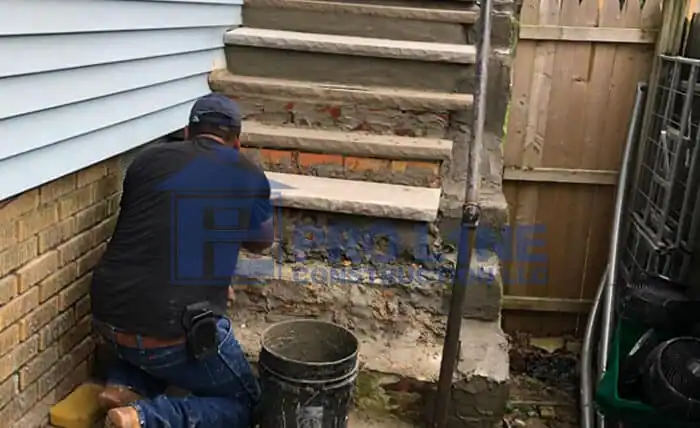
Check exterior masonry walls, walkways, steps, retaining walls, and any stone or brick features. Look for cracks, spalling, crumbling mortar, or areas that look wet even when it hasn’t rained recently. Pay special attention to north-facing walls and spots that stay shaded most of the day. Those areas experience more freeze-thaw cycles because they don’t get direct sun to help things dry out between storms.
Clean off any dirt, moss, algae, or organic growth that built up over winter. You don’t need a pressure washer—in fact, high pressure can damage mortar joints and force water deeper into masonry. A stiff brush and mild soapy water usually do the job. For stubborn stains or biological growth, a mixture of equal parts water and white vinegar works well. Just rinse thoroughly afterward so the acid doesn’t sit on the masonry.
If you see efflorescence, brush it off with a dry brush first, then rinse with water. It’ll probably come back if there’s still moisture moving through the masonry, but removing it helps you track whether the problem’s getting worse over time or staying stable.
Spring is when you want to schedule your annual chimney inspection and cleaning—one of the most important chimney maintenance tips we recommend. Spring is the off-season for chimney companies, so you’ll get faster service, more flexible scheduling, and often better rates than during the fall rush. The inspection checks your flue, liner, damper, crown, cap, and all the components you can’t easily see or access yourself.
Professional cleaning removes creosote buildup—the flammable, tar-like residue that causes chimney fires. Even if you only use your fireplace occasionally, creosote accumulates. It’s not something you can clean effectively on your own without the right brushes, rods, and containment equipment.
If we find issues during inspection—cracked liner, damaged crown, deteriorating mortar joints, or flashing problems—you’ve got the entire summer to get them fixed before you need the fireplace again. That’s significantly better than discovering a cracked flue liner in November when you’re ready to light the first fire of the season and suddenly facing emergency repair costs.
Don’t overlook your gutters during spring maintenance. Clogged gutters overflow, and that water runs down your chimney and exterior walls. Clean them out thoroughly, and make sure downspouts are directing water at least six feet away from your foundation. Poor drainage is one of the biggest contributors to masonry problems in our area.
Fall winterization and protective measures for masonry
Fall is when you shift from fixing to protecting. Start by addressing any cracks or damage you found earlier in the year but haven’t repaired yet. Even small cracks need to be sealed before winter. Once water penetrates and freezes, small becomes big fast—and what was a $200 repair in September becomes a $2,000 problem by March.
If your mortar joints are deteriorating, fall is the time for repointing before winter weather arrives. That’s the process of removing old, crumbling mortar and replacing it with fresh material that matches the original in strength and composition. It’s not a DIY job unless you have masonry experience—matching the mortar type, mixing it to the right consistency, and tooling the joints correctly all matter. Done wrong, repointing can trap moisture and cause more damage than it prevents.
Apply a breathable waterproof sealant to your masonry if it hasn’t been done in the last three to five years. The word breathable is critical here. You want a product that repels water from the outside but still allows moisture vapor to escape from inside the wall. If you trap moisture in with a non-breathable sealer, it has nowhere to go, and you’ll end up with spalling and freeze damage from the inside out.
Inspect your chimney cap and crown carefully. If the cap is damaged, rusted, or missing entirely, replace it before winter. Caps keep rain, snow, and animals out of your flue. They also prevent downdrafts that can push smoke and carbon monoxide back into your house. The crown should be solid with no cracks or separation from the chimney structure. If it’s deteriorating, have it rebuilt or sealed with a crown repair product designed for this purpose. A failing crown is an open invitation for water damage that will cost thousands to repair if left unchecked.
Check the flashing around your chimney—the metal strips that seal the gap where the chimney meets the roof. If it’s loose, rusted, poorly installed, or separating from either the chimney or the roof, water will get in. Flashing failures are one of the top causes of chimney leaks, and they’re often missed during casual inspections until water stains appear on your ceiling or walls.
Clear debris from around your foundation and any masonry features. Leaves, mulch, and organic material hold moisture against masonry surfaces. That’s the last thing you want going into winter in Morris County, NJ. Pull back plants, vines, and bushes too—roots can work their way into small cracks and cause serious structural damage over time as they grow and expand.
Once winter arrives, be strategic about snow and ice removal around masonry. Use a plastic shovel, not metal. Metal scrapers chip and damage masonry surfaces. Avoid using rock salt on brick or stone walkways and steps. Salt accelerates deterioration, causes surface pitting, and can lead to spalling. Sand or calcium chloride are better options if you need traction on icy surfaces.
If ice dams form on your roof, deal with them promptly. When they melt, the water runs down into your chimney and walls, causing leaks and accelerating freeze-thaw damage. Proper attic insulation and ventilation help prevent ice dams in the first place, but that’s a separate project worth addressing if it keeps happening year after year.
Year-round protection for your masonry investment
Your masonry and chimney aren’t set-it-and-forget-it features. New Jersey’s climate is too harsh for that approach. But the maintenance work isn’t overwhelming either—it’s about staying ahead of damage instead of reacting after it’s already expensive and potentially dangerous.
Spring inspections catch what winter broke. Fall prep protects against what’s coming. Paying attention throughout the year means you’re not blindsided by a five-figure repair bill because you ignored a minor fix that would’ve cost a few hundred dollars six months earlier.
If you’re seeing cracks, spalling, water stains, crumbling mortar, or anything else that doesn’t look right on your Essex County, NJ or Morris County, NJ property, don’t wait. Masonry damage doesn’t improve on its own—it only gets worse and more expensive. We’ve been handling these exact issues across New Jersey for nearly two decades. We understand what freeze-thaw damage looks like, how to repair it correctly using quality materials, and how to implement masonry weather protection that prevents it from coming back.