Summary:
What Actually Happens When DIY Masonry Goes Wrong
Most DIY masonry failures don’t announce themselves right away. That’s part of what makes them dangerous.
You might finish your project feeling accomplished. The mortar looks smooth. The bricks seem solid. Everything appears fine until six months later when you notice the work is already deteriorating. By then, moisture has been seeping behind your walls, freeze-thaw cycles have been doing their damage, and what started as a small repair has become a structural problem.
The issue isn’t that DIY is impossible. It’s that masonry requires specific knowledge that takes years to develop. Professional masons complete 3-4 year apprenticeships learning proper techniques, material science, and how to spot problems the average homeowner would never notice. They understand that what looks like a simple crack might actually indicate foundation settlement, water infiltration, or structural movement that needs addressing before any surface repair will hold.
Structural Damage From Improper Masonry Installation
Masonry is deceptively strong in some ways and surprisingly vulnerable in others. Brick and stone have excellent compressive strength—they can handle weight pushing down on them. But they have poor tensile strength, meaning they don’t handle twisting, stretching, or lateral forces well without proper support and installation.
When DIY work doesn’t account for these properties, serious problems develop. Walls can bow or bulge when moisture gets trapped behind them and exerts pressure. Mortar joints fail when the wrong mix is used, allowing individual bricks to shift and creating gaps where water enters freely. Load-bearing walls can develop cracks that compromise your home’s structural integrity.
Professional masonry contractors understand how to evaluate whether damage is cosmetic or structural. We know when a crack indicates normal settling versus foundation problems. We can tell if mortar deterioration is from age and weather or from a deeper issue like poor drainage or ground movement. This diagnostic ability matters because applying a surface fix to a structural problem doesn’t solve anything. It just hides the issue temporarily while it gets worse.
The consequences of structural masonry failure go beyond aesthetics. Compromised walls can allow water infiltration that damages interior finishes, insulation, and framing. In severe cases, improperly supported masonry can collapse, creating safety hazards and requiring complete rebuilds that cost tens of thousands of dollars. A licensed masonry contractor carries insurance to protect you from these risks. When you DIY, you’re assuming all liability if something goes wrong.
Foundation issues frequently show up as masonry problems first. Diagonal cracks, displaced bricks, or misaligned mortar joints often indicate the foundation is settling unevenly. Trying to repair these symptoms without addressing the underlying foundation problem wastes money and time. Professional masons work with structural engineers when needed to ensure repairs actually solve the problem rather than just covering it up temporarily.
The Hidden Danger of Improper Drainage in Masonry Work
Water is masonry’s biggest enemy, and improper drainage is one of the most expensive mistakes DIYers make. It’s also one of the hardest to spot until significant damage has occurred.
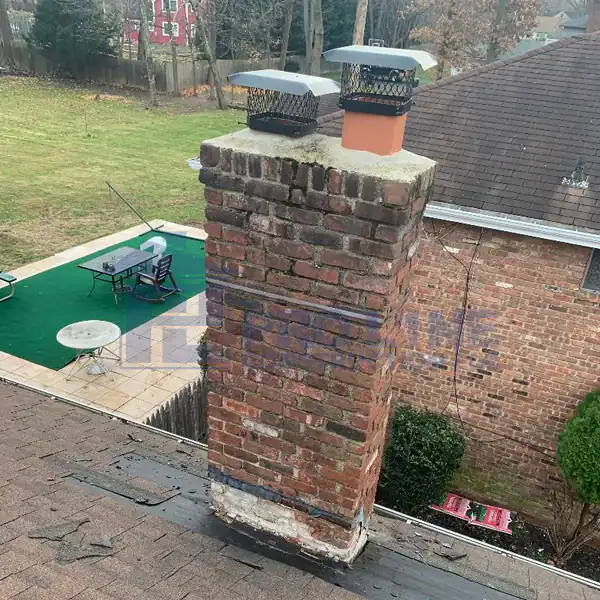
Masonry materials are porous. Brick, stone, and mortar all absorb water to varying degrees. In New Jersey’s climate, that absorbed water freezes during winter and expands, exerting tremendous pressure on the material from the inside. This freeze-thaw cycle causes spalling (when the surface flakes or chips off), cracks, and progressive deterioration that accelerates each year.
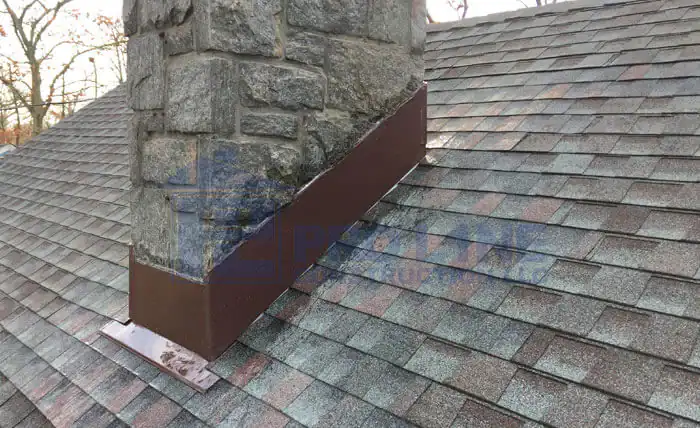
Professional masonry contractors design proper drainage into every project. This includes installing weep holes at the correct spacing to allow water to escape from behind brick veneers. It means ensuring proper grading so water flows away from foundations rather than pooling against walls. It involves installing or repairing flashing above openings and at the base of walls to redirect water. These details might seem minor, but they determine whether your masonry lasts for decades or fails within years.
Improper drainage causes multiple types of damage. Efflorescence—those white, chalky deposits you see on brick—indicates water is moving through the masonry and bringing salts to the surface. While efflorescence itself is mostly cosmetic, it’s a warning sign of moisture problems that will cause more serious issues. Mold and mildew grow in damp conditions behind walls, potentially affecting indoor air quality and requiring expensive remediation. Mortar erosion accelerates when joints stay wet, weakening the bonds between bricks and stones.
Hydrostatic pressure is another drainage-related problem many DIYers don’t consider. When water accumulates in soil around foundations, it creates pressure that can force water through masonry walls, cause walls to crack and bow inward, or even lead to structural failure in severe cases. Professional contractors install drainage systems like French drains, ensure proper grading, and use sump pumps when needed to manage this pressure and protect your foundation.
The cost difference between preventing drainage problems and fixing them after the fact is enormous. Installing proper drainage during initial construction or repair might add a few hundred dollars to a project. Repairing water damage, mold remediation, and rebuilding failed masonry can easily reach tens of thousands of dollars. That’s why we prioritize water management in every project—we understand the long-term consequences of getting it wrong.
Why Professional Masonry Contractors Get Better Results
The difference between professional masonry work and DIY attempts comes down to three things: knowledge, experience, and access to proper materials and tools.
Licensed masonry contractors don’t just know how to lay bricks. We understand material science, structural engineering principles, local building codes, and how different techniques perform in New Jersey’s specific climate conditions. This knowledge base takes years to develop and directly impacts the quality and longevity of our work.
Experience matters because masonry is as much art as science. Knowing the right mortar consistency by feel, understanding how weather conditions affect curing times, recognizing when a crack pattern indicates a serious problem—these skills come from working on hundreds of projects across different conditions and building types. Professional masons have seen what works and what fails, and we apply those lessons to every new project.
Proper Mortar Mixing and Application Techniques
Mortar seems simple—it’s just the stuff that holds bricks together, right? Actually, mortar chemistry is complex, and getting it wrong is one of the most common DIY masonry failures.
Different masonry projects require different mortar types. Historic buildings often need softer lime-based mortars that allow moisture to escape and accommodate the natural movement of older bricks. Modern construction might use Portland cement-based mortars for greater strength. Using the wrong type creates problems. Too-hard mortar on old brick causes the bricks themselves to crack because the mortar doesn’t flex. Too-soft mortar in structural applications won’t provide adequate support.
Even with the correct mortar type, mixing ratios matter enormously. Too much water makes mortar weak and prone to crumbling. Too little water prevents proper bonding. The sand-to-cement ratio affects strength, workability, and how well the mortar matches existing work. Professional masons know these ratios instinctively and adjust them based on temperature, humidity, and specific project requirements.
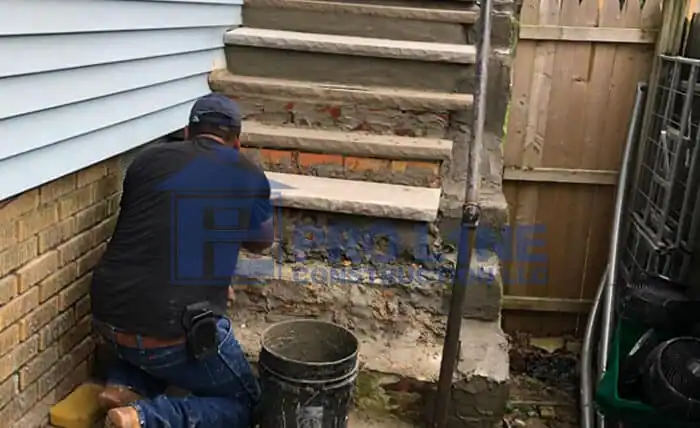
Application technique is equally important. Mortar joints need to be filled completely, without voids where water can collect. The depth of mortar removal during repointing must be sufficient—typically 2 to 2.5 times the joint width—to ensure good mechanical bonding. The wall needs to be dampened before applying new mortar to prevent the old brick from sucking moisture out of the new mortar too quickly, which weakens the bond.
Color matching is another challenge DIYers often underestimate. Mortar color comes from the sand used, cement type, and any added pigments. Getting an exact match to existing mortar requires experience and often custom mixing. Poor color matches are immediately visible and can affect your property’s appearance and value. Professional masonry contractors have access to a wide range of materials and the expertise to create seamless matches.
Curing time and conditions affect mortar strength significantly. Mortar that dries too quickly in hot weather or freezes before fully curing won’t achieve proper strength. We know how to protect fresh mortar work and schedule projects appropriately for weather conditions. We understand that rushing the process or working in poor conditions leads to premature failure.
Improper tuckpointing—the process of repairing mortar joints—is considered one of the biggest threats to masonry buildings. When done incorrectly, it actually accelerates deterioration rather than preventing it. This is why we emphasize proper technique and take the time to do it right, even though it’s tedious and time-consuming work.
Code Compliance and Permit Requirements in New Jersey
Building codes exist for good reason—they ensure structural safety, protect property values, and establish minimum standards for construction quality. DIY masonry work often runs afoul of these requirements, creating problems that surface during home sales, insurance claims, or when additional permits are needed for other work.
In New Jersey, masonry work frequently requires permits, especially for structural repairs, new construction, or projects exceeding certain dollar amounts. Licensed masonry contractors handle the permitting process as part of our service. We know which projects require permits in Essex County and Morris County, what documentation is needed, and how to ensure work passes inspection.
Code requirements cover numerous aspects of masonry work. Proper flashing installation, weep hole spacing, mortar types for different applications, structural support requirements, and fire resistance standards all have specific code provisions. Professional contractors stay current with these requirements and build them into every project. DIYers often don’t even know these codes exist until an inspector flags their work as non-compliant.
Non-compliant work creates real problems. When you try to sell your home, inspectors identify unpermitted or improper work. Buyers may demand repairs, ask for price reductions, or walk away from the deal entirely. Some mortgage lenders won’t approve loans for homes with significant unpermitted work. Insurance companies may deny claims related to areas where non-compliant work contributed to damage.
The cost of fixing code violations often exceeds what you would have paid for professional work initially. Unpermitted work may need to be torn out and rebuilt to current standards. You might face fines from local building departments. The stress and expense of dealing with these issues during a home sale or after damage occurs far outweigh any money saved by DIY attempts.
Licensed masonry contractors carry proper insurance, including liability coverage and workers’ compensation. This protects you if someone is injured on your property during the project or if the work causes damage. DIY work offers no such protection. If a visitor is injured by failed DIY masonry, you’re personally liable. If your DIY drainage work causes water damage to your neighbor’s property, you’re responsible for repairs.
Professional contractors also provide warranties on their work. If something fails prematurely due to workmanship issues, we’ll return to fix it at no additional cost. DIY work comes with no such guarantee. When it fails, you pay for repairs out of pocket—often at a higher cost because now you’re dealing with more extensive damage plus the cost of removing failed DIY work.
Making the Right Choice for Your Masonry Needs
The decision between DIY and professional masonry work isn’t really about capability. It’s about risk versus reward.
Small, cosmetic repairs might be reasonable DIY projects if you have the time, tools, and willingness to research proper techniques thoroughly. Cleaning efflorescence, applying sealants to already-sound masonry, or filling hairline cracks with appropriate caulking probably won’t cause major problems if done incorrectly.
But anything structural, anything involving water management, anything requiring mortar work, or any project where building codes apply—these need professional expertise. The risks of improper work are too high, the consequences too expensive, and the complexity too great for trial-and-error learning on your own home.
When you hire a licensed masonry contractor like Proline Construction, you’re not just paying for labor. You’re getting diagnostic expertise that identifies underlying problems before they worsen. You’re accessing decades of combined experience that ensures proper techniques and materials. You’re obtaining peace of mind from insurance coverage, code compliance, and warranty protection. Most importantly, you’re protecting your home’s structural integrity and your family’s safety.
Your home is likely your largest investment. Masonry problems that seem minor can quickly escalate into major structural issues if not addressed properly. The money you might save attempting DIY repairs pales in comparison to the cost of fixing failed DIY work plus the additional damage it caused. We understand local conditions, building requirements, and proven techniques that ensure repairs last for decades, not just months.
If you’re facing masonry issues or considering a masonry project, reach out to Proline Construction for a professional assessment. Getting expert guidance on what your home actually needs—and having it done right the first time—is always the smarter investment.