Summary:
Why Masonry Projects Increase Property Value
Masonry work stands out from other home improvements for a few specific reasons. First, it’s permanent. When you install a stone patio or brick retaining wall, you’re adding something that can last 50+ years with minimal maintenance.
Second, it solves real problems. A retaining wall isn’t just decorative—it prevents erosion, creates usable space on sloped lots, and handles drainage issues that could otherwise damage your foundation. That’s value a buyer can see and understand.
Third, masonry improves curb appeal instantly. Brick homes in particular appreciate about 6% higher than homes with other exterior finishes, and that gap has held steady since 2017. The material signals quality, durability, and lower maintenance costs down the road.
Stone Patios That Actually Get Used
A stone patio isn’t just about aesthetics—it’s about adding functional outdoor living space. In Essex County, NJ and Morris County, NJ, where property values average near $500,000, outdoor spaces that extend your home’s usability matter to buyers.
The key is designing a patio that works with your property’s layout and your actual lifestyle. A 12×16 patio might be perfect for a couple who wants a quiet morning coffee spot. A family that entertains needs something closer to 20×20, possibly with defined zones for dining and lounging.
Material choice affects both cost and longevity. Natural stone like bluestone or flagstone offers an organic look that blends with landscaping, though it comes at a higher price point. Concrete pavers provide durability and pattern flexibility at a more accessible cost. Brick pavers deliver classic appeal and hold up well to New Jersey’s freeze-thaw cycles.
Whatever material you choose, proper installation matters more than most homeowners realize. Poor base preparation leads to settling, cracking, and drainage problems within a few years. We excavate properly, install adequate base material, and ensure proper slope for water runoff—details that determine whether your patio looks great for 5 years or 50.
Outdoor living spaces became even more valuable after 2020, and that trend hasn’t reversed. Buyers want homes where they can relax outside without leaving their property. A well-designed stone patio delivers that, often returning 70-80% of its cost when you sell.
Retaining Walls That Solve Problems and Add Appeal
Retaining walls might be the most underrated masonry project for property value. They’re functional first—preventing erosion, managing water flow, creating level areas on sloped lots. But they also add significant visual interest and usable square footage to your property.
If your yard slopes, you’re losing potential space. A retaining wall system can create terraced areas for gardens, seating, or play areas that would otherwise be unusable. That’s real value, especially in areas where flat yard space is limited.
The construction quality here is critical. A poorly built retaining wall can fail within a few years, creating drainage problems, soil movement, and safety hazards. Proper retaining walls need adequate drainage behind them, appropriate base preparation, and engineering that accounts for soil pressure and water movement.
Material options range from natural stone (most expensive, most natural appearance) to concrete blocks designed to look like stone (mid-range cost, easier installation) to poured concrete (most affordable, most structural strength). Your choice depends on the wall’s height, your property’s soil conditions, and your aesthetic preferences.
For walls over 3-4 feet, you’re dealing with significant structural requirements. Many municipalities in Essex County, NJ and Morris County, NJ require permits and engineering for taller retaining walls. We know these requirements and handle them as part of the project.
Retaining walls often deliver returns of 70-85% of their cost because they solve visible problems while improving appearance. Buyers see the value immediately—no erosion issues, more usable yard space, professional landscaping integration.
Masonry Projects That Create Outdoor Living Spaces
The shift toward outdoor living isn’t going away. Homeowners want spaces that function as extensions of their homes—places to cook, eat, entertain, and relax outside.
Masonry makes these spaces possible in ways that wood decks and temporary structures can’t match. Fire-resistant materials like brick and stone allow for outdoor fireplaces and fire pits. Durable surfaces handle weather exposure without rotting or requiring constant maintenance. And the permanence adds real value that buyers recognize.
The projects that deliver the best return are those that create defined, functional outdoor rooms rather than just adding decorative elements.
Outdoor Fireplaces and Fire Pits
An outdoor fireplace or fire pit transforms how you use your yard. It extends the outdoor season into spring and fall evenings, creates a natural gathering spot, and adds a focal point that elevates your entire outdoor space.
From a value perspective, outdoor fireplaces typically add more than fire pits because they’re more substantial structures that feel like permanent home features. A well-designed fireplace can become the centerpiece of an outdoor living area, especially when integrated with seating walls, patios, and landscaping.
Material choices matter here. Natural stone creates a rustic, organic look. Brick offers classic appeal and excellent heat resistance. Manufactured stone veneer provides the appearance of natural stone at lower cost. All three can work—the key is matching the style to your home’s architecture and your property’s overall aesthetic.
Installation requires expertise beyond basic masonry. You’re dealing with fire safety, proper ventilation, appropriate clearances from structures, and often gas line installation if you’re going with gas rather than wood-burning. This isn’t a project where you want to cut corners or hire based solely on the lowest bid.
Fire pits offer similar benefits at lower cost and with simpler installation. A built-in fire pit using retaining wall blocks or natural stone can cost $2,000-$4,000 and still create that gathering-spot appeal. The ROI isn’t as high as a full fireplace, but it’s a more accessible entry point for many homeowners.
Both options appeal to buyers because they suggest lifestyle—evenings outside, entertaining, making use of the property year-round. That emotional appeal translates to real value when your home hits the market.
Brick Walkways, Steps, and Decorative Stonework
Sometimes the highest-value masonry projects are the ones that solve practical problems while improving appearance. Brick walkways, front steps, and decorative stonework fall into this category.
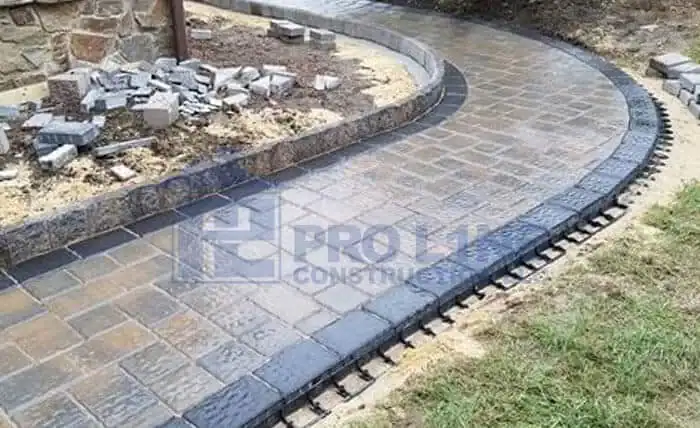
A brick or stone walkway creates a defined path that protects your lawn, prevents mud tracking, and adds structure to your landscaping. It’s functional first, but the visual impact matters too. A well-designed walkway draws the eye toward your entrance and makes your property feel more finished and intentional.
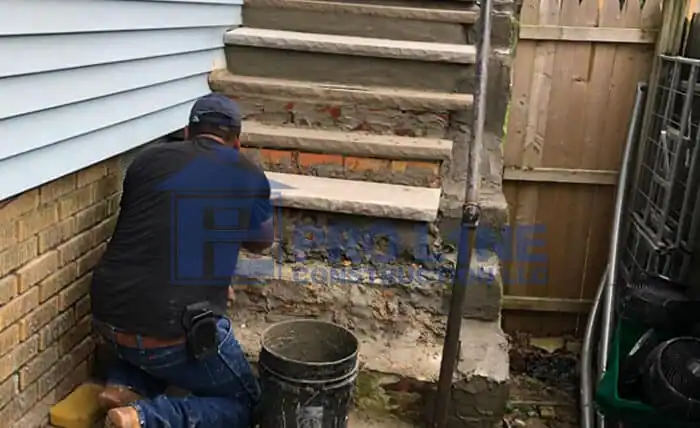
Front steps are often neglected until they become a problem—cracking, settling, becoming uneven and potentially hazardous. Replacing them with quality masonry work improves safety, enhances curb appeal, and signals to buyers that the home has been maintained. Masonry steps can last decades with minimal maintenance, unlike wood or composite materials that require regular upkeep.
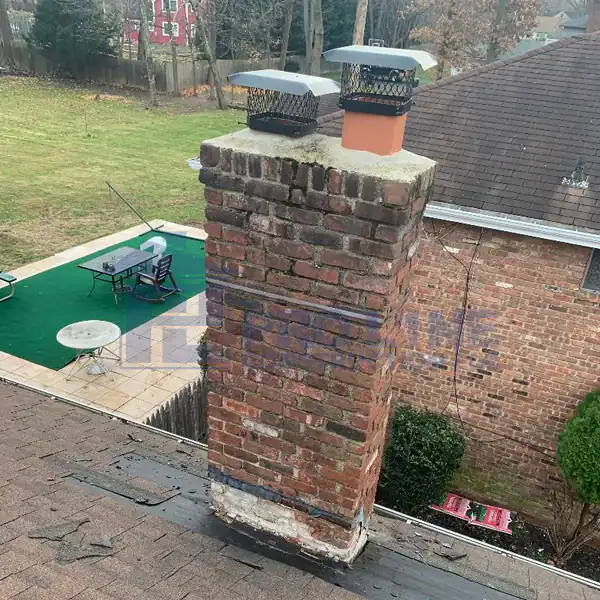
Decorative stonework—accent walls, stone veneers on foundations or chimneys, stone columns—adds character without requiring major construction. These projects typically cost less than full patios or retaining walls but still deliver visual impact that differentiates your property.
The key with all these projects is professional installation. Uneven steps, poorly laid walkways, or stone veneer that’s obviously DIY actually hurt property value rather than help it. Buyers notice craftsmanship, and they’ll either be impressed or concerned based on what they see.
Brick and stone work also signals low maintenance to buyers. Unlike wood that needs staining or painting, or vinyl that can crack and fade, masonry materials maintain their appearance for decades. That long-term value proposition resonates, especially with buyers who are tired of constant home maintenance.
Making Smart Masonry Decisions for Your New Jersey Property
Not every masonry project delivers equal value. The ones that work best solve real problems, improve functionality, and enhance appearance—all while being professionally installed with quality materials.
In Essex County, NJ and Morris County, NJ, where property values are high and buyers are discerning, the quality of your masonry work matters as much as the project itself. Poor installation, cheap materials, or projects that don’t fit your property’s style and scale can actually hurt value rather than help it.
The masonry projects that consistently deliver strong returns are stone patios that create usable outdoor space, retaining walls that solve drainage and erosion issues, outdoor fireplaces that extend your outdoor season, and quality walkways and steps that improve both function and curb appeal. When you’re ready to move forward with masonry work that actually adds value to your property, we bring the expertise and craftsmanship that make the difference between a project that lasts and one that disappoints.