
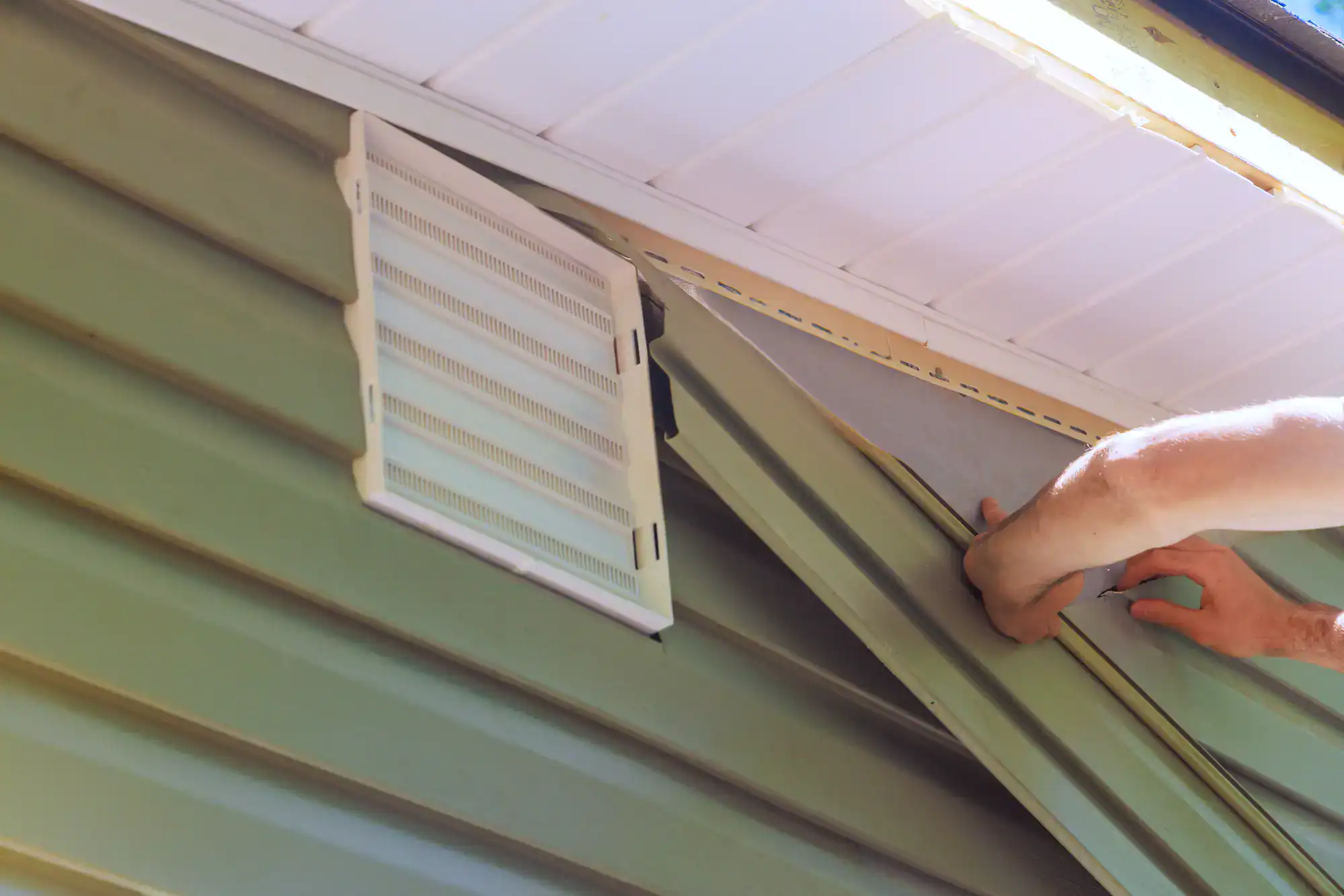
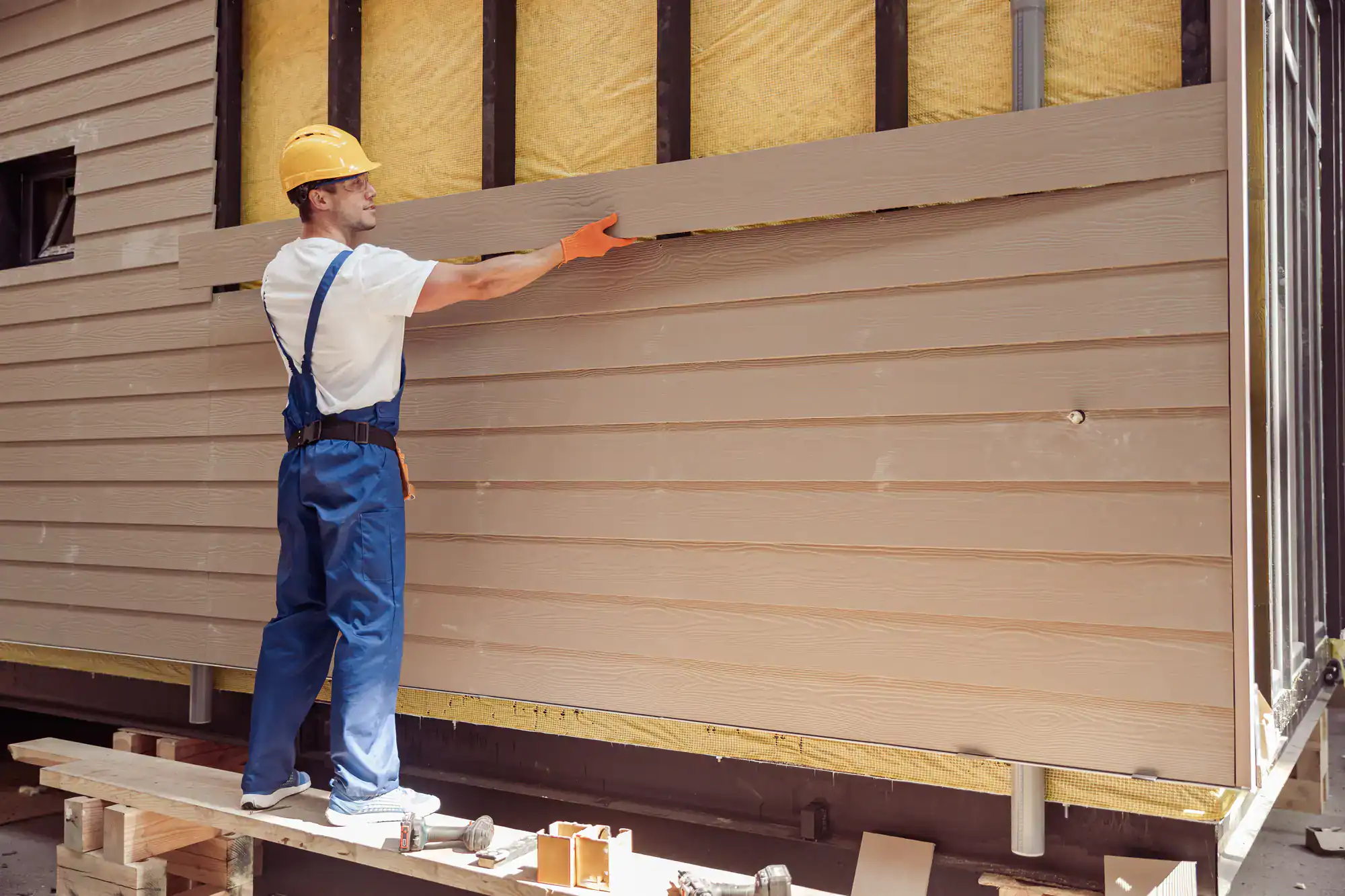
Most siding failures in Belleville aren’t just about the panels they’re about what’s been quietly happening underneath them for years. The Passaic River runs along Belleville’s western edge, and the Second River cuts through to the south. That kind of persistent moisture exposure works its way into walls, softens sheathing, and creates the conditions for mold and rot long before anything looks wrong from the curb. When we do siding replacement right, we address what’s underneath not just what’s visible.
For homes built between the 1920s and 1960s, which describes most of Belleville’s residential stock, the original cladding has long since exceeded its useful life. Replacing it with properly installed vinyl or fiber cement siding means your home is sealed against the freeze-thaw cycles that crack aging panels every winter. It means no more moisture sneaking in through gaps and compromising the structure behind your walls. And it means your home holds its value in a market where Belleville real estate has appreciated nearly 122% over the last decade protecting an asset that’s worth protecting.
Done correctly, siding replacement also improves energy efficiency, reduces outside noise, and gives your home a clean, maintained appearance that holds up through the seasons not just for the first few weeks after installation.
We’re a family-owned general contracting company based in Garfield, NJ about 15 minutes from Belleville via Route 21. That proximity isn’t just a convenience. It means the crew showing up to your Silver Lake Colonial or your Riverside duplex knows this part of northern New Jersey the climate, the housing stock, and the specific conditions that make exterior work in Belleville different from a newer suburban build elsewhere in Essex County.
Founded in 2018, we hold NJ Home Improvement Contractor Business license #13VH09838700, earned BBB Accreditation in January 2025, and carry GAF Preferred Contractor status. Every one of those credentials is independently verifiable. We back all siding work with a full warranty covering both materials and workmanship because installation quality is where most contractors cut corners, and it’s exactly where we don’t.
You get clear communication throughout the project calls, texts, or on-site updates and a free consultation upfront with no pressure to sign anything on the spot.
It starts with a free consultation and a real look at your home’s exterior not a quick glance from the driveway. Because so many Belleville homes were built before modern moisture barriers were standard, we inspect the substrate before any new material goes up. That means checking the sheathing, the framing, and the condition of what’s behind your current siding. If there’s rot or water damage underneath, you’ll know about it before it gets covered up by a fresh installation.
Once the scope is clear, you’ll receive a written estimate with a detailed breakdown of what the work involves and what it costs. No vague line items, no surprises at the end. In Belleville, siding replacement typically requires a construction permit through the township’s Building and Construction Code department at 152 Washington Avenue we handle the coordination so you don’t have to chase paperwork.
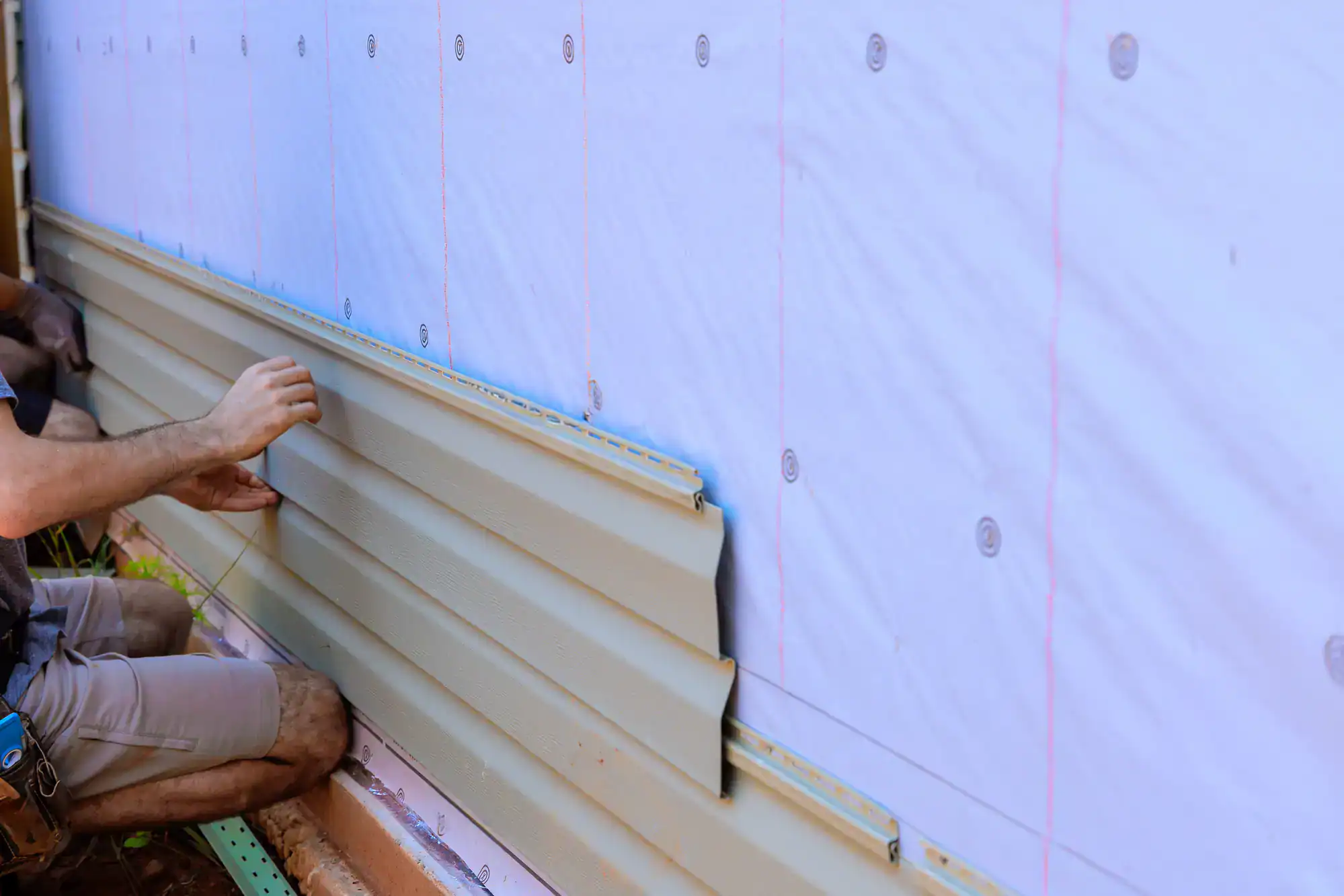
Installation follows a sequenced process: old siding removal, substrate repair where needed, moisture barrier installation, and then the new siding panels properly fastened with the thermal expansion Belleville winters demand. When the job is done, the site is cleaned up and you do a walkthrough. If something isn’t right, it gets addressed before anyone leaves.
Ready to get started?
Request a callback

We handle the full range of residential exterior siding work full replacement, targeted repair, and new installation on additions or renovations. For most Belleville homeowners, the conversation starts with material selection, and the two most common choices are vinyl and fiber cement. Vinyl is cost-effective and low-maintenance, but it has to be installed correctly for Belleville’s climate vinyl nailed too tight will buckle and crack through the freeze-thaw cycles Essex County sees every winter. Fiber cement is dimensionally stable, moisture-resistant, and increasingly the preferred upgrade for homes near the Passaic River corridor, where chronic humidity is a real factor.
For homes in Silver Lake, along the Belleville Turnpike corridor, or near Branch Brook Park’s extension areas where older housing stock and elevated moisture conditions tend to overlap our inspection-first approach means the substrate gets evaluated before anything goes up. If the sheathing is compromised, it gets addressed as part of the project, not ignored in favor of a faster finish.
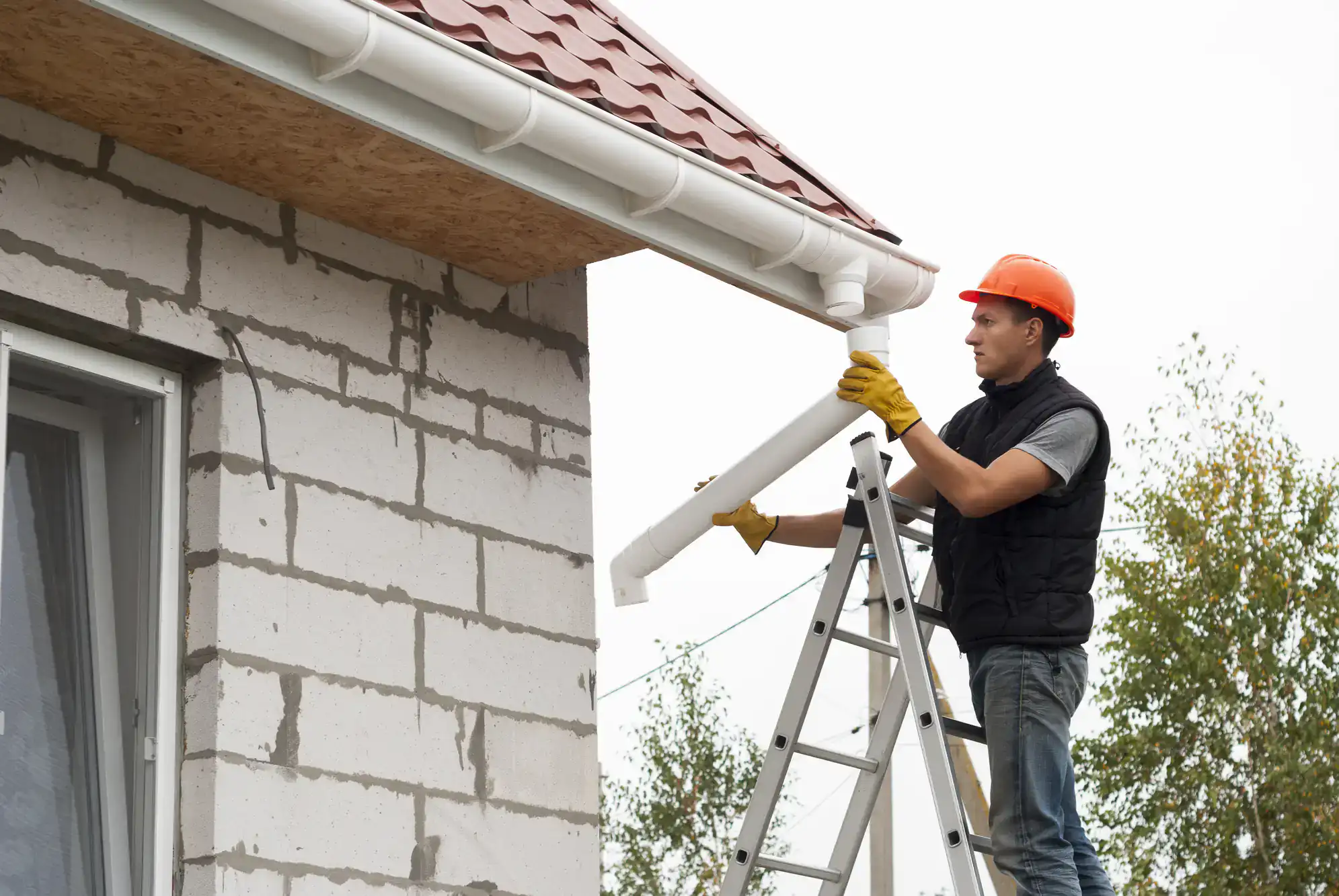
Beyond siding, we’re a full-service exterior contractor covering roofing, gutters, chimney, and masonry. For Belleville homeowners who discover during a siding project that the gutters need replacing or the roofline has issues, that’s one conversation not three separate contractors to coordinate.
Yes, in most cases a construction permit is required for full siding replacement in Belleville. Because siding replacement constitutes a change to the building envelope, it falls under the New Jersey Uniform Construction Code, which Belleville enforces through its Building and Construction Code department at 152 Washington Avenue. You’ll need to submit a permit application before work begins, and in some situations a zoning review may also apply depending on the scope of the project.
The permit process exists to make sure the work is done correctly and inspected not to create obstacles. We handle the permit coordination as part of the project so you’re not left navigating Belleville’s process on your own. If you’re dealing with a property that has an open violation related to deteriorated or failing siding which Belleville’s Property Maintenance Code can trigger getting the permit pulled and the work completed correctly also resolves that issue at the same time.
The honest answer is that it depends on what’s actually going on and you can’t always tell from the outside. Visible damage like a few cracked or loose panels can sometimes be addressed with targeted repair. But in Belleville, where most homes were built between the 1920s and 1960s and have been exposed to decades of Passaic River humidity and seasonal freeze-thaw cycling, what looks like surface damage often reflects something more significant underneath. Water that gets behind failing siding doesn’t stay there it works into the sheathing and framing over time.
The inspection is what determines the answer. If the substrate is solid and the damage is isolated, repair makes sense. If the sheathing is compromised, if there’s widespread cracking or warping across multiple sections, or if the siding is original to a mid-century build, replacement is typically the more cost-effective decision over time. We give you an honest read on which situation you’re actually in not a recommendation shaped by what generates the bigger job.
Belleville’s climate creates a specific set of demands. You have hot, humid summers, cold winters with consistent freeze-thaw cycling, nor’easters that bring wind-driven rain and ice, and for properties near the Passaic River or Branch Brook Park elevated moisture exposure year-round. Not all siding materials handle that combination equally well.
Vinyl siding is the most common choice in northern NJ and works well when it’s installed correctly. The key word is correctly vinyl expands and contracts with temperature changes, and panels that are fastened too tightly will buckle or crack under Belleville’s winter conditions. Fiber cement siding is dimensionally stable, meaning it doesn’t shift with temperature the way vinyl does, and it’s significantly more resistant to moisture which makes it a strong option for homes along the Passaic River corridor or in areas with persistent humidity. It also carries an 87%+ return on investment at resale, which matters in a market where Belleville home values have climbed sharply over the last decade. The right choice depends on your home, your budget, and how long you plan to stay we walk you through both options during the free consultation.
Siding replacement costs vary based on the size of your home, the material you choose, and what the inspection reveals about the substrate underneath. For a typical single-family home in Belleville a Colonial or semi-attached on a standard lot vinyl siding replacement generally runs in the range of $8,000 to $15,000 for a full exterior. Fiber cement tends to run higher, often $12,000 to $20,000 or more depending on scope, because the material itself costs more and requires additional labor for proper installation.
What changes those numbers significantly in Belleville is substrate condition. If the sheathing underneath your current siding has been compromised by moisture which is common in homes built before the 1970s in this area the cost of addressing that damage is added to the project. This is why the inspection matters before any quote is finalized. A written estimate from us breaks down every line item so you understand exactly what you’re paying for and why no vague totals, no numbers that shift after the work starts.
For a standard single-family home in Belleville, a full siding replacement typically takes between three and seven days of active work, depending on the size of the home, the material being installed, and what the substrate inspection reveals before installation begins. If there’s sheathing damage that needs to be repaired first, that adds time but it’s time that’s necessary, not padding.
Belleville’s dense lot configuration is also worth accounting for. Homes in areas like Silver Lake or along the Belleville Turnpike corridor are often close together, which affects staging, access, and the care required around shared boundaries and drainage between structures. We factor this into the project timeline upfront so there are no surprises mid-job. Seasonal timing matters too spring and fall are the ideal installation windows in Essex County, with moderate temperatures that allow materials to acclimate properly. Vinyl installation becomes more difficult below 40°F, so winter projects require additional planning.
Start with the basics that are independently verifiable: a valid NJ Home Improvement Contractor Business license (searchable on the NJ Division of Consumer Affairs website), proof of liability insurance and workers’ compensation coverage, and a written contract that spells out scope, materials, timeline, and warranty terms before any work begins. Under the 2024 update to NJ’s contractor licensing law, workers’ comp and a compliance bond are now legally required which means any contractor who can’t show you proof of both is already operating outside the law.
Beyond credentials, pay attention to how a contractor handles the inspection and the estimate. In Belleville specifically where older housing stock and moisture exposure from the Passaic River corridor mean substrate issues are common a contractor who quotes a job without looking at what’s underneath the current siding is skipping the most important step. You want someone who tells you what they actually found, explains what needs to be done and why, and puts it all in writing before you commit to anything. That’s the standard we hold ourselves to on every job in Essex County.
Other Services we provide in Belleville