
When your siding is doing its job, you stop thinking about it. No water stains creeping down interior walls. No warped panels after a hard winter. No emergency calls after a nor’easter sends a branch through the side of your home.
In Millburn, that matters more than most people realize. The West Branch of the Rahway River runs right through the township, and the moisture environment it creates accelerates siding wear faster than drier climates would. Homes near the river, or tucked under the tree canopy near the South Mountain Reservation, deal with persistent dampness against exterior walls that cheap or improperly installed siding simply cannot handle long-term.
The right siding installation also protects what you’ve built financially. In a market where the median home sale price sits around $1.2 million, the exterior condition of your home is one of the first things buyers and their agents evaluate. New siding consistently returns 80–95 cents on every dollar at resale. That’s meaningful when your Millburn home is worth what homes in this township are worth.
Proline Construction is a family-owned contracting company that has been serving northern New Jersey homeowners since 2018. We hold NJ Home Improvement Contractor license #13VH09838700 verifiable on the NJ Division of Consumer Affairs website earned BBB Accreditation in January 2025, and carry GAF Preferred Contractor status. Those aren’t marketing claims. They’re public records you can look up before you ever call us.
We work across Essex County regularly, which means we know Millburn’s housing stock, we understand the township’s permitting process, and we’ve worked on the kind of architecturally distinctive homes you find in the Wyoming section and Short Hills Park. That context shapes how we approach every project in Millburn not as a generic siding job, but as work on a home that deserves real care.
When something comes up mid-project, you hear from us directly. No runaround, no hand-off to someone you’ve never spoken to.
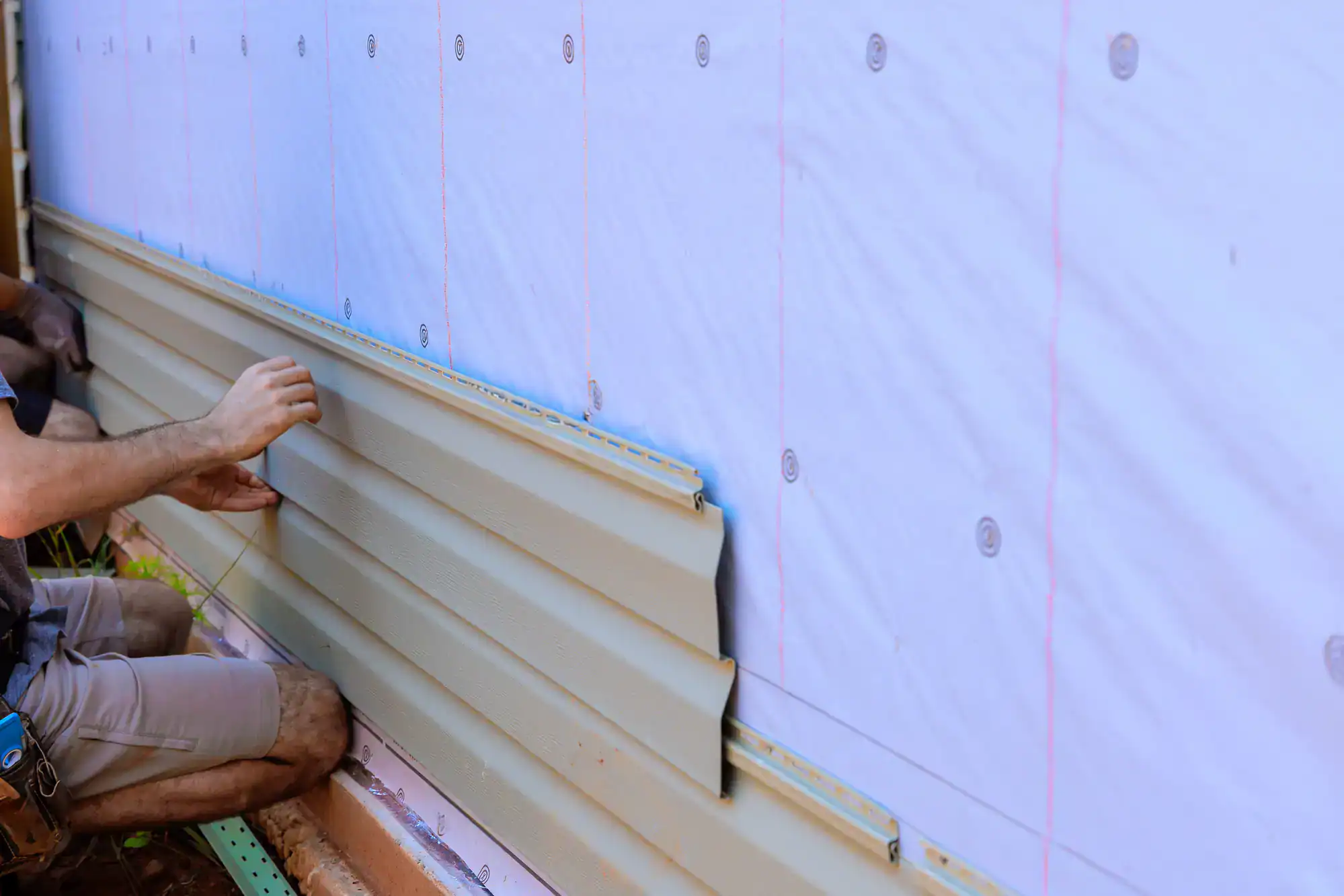
It starts with a free consultation. We walk the exterior of your home, assess the condition of your current siding, and check what’s underneath because in Millburn’s older housing stock, what’s behind the siding often tells the real story. Moisture damage, deteriorated sheathing, and failed barriers are common findings on homes in the Wyoming section and throughout the downtown area, and addressing those issues before new siding goes up is what separates a lasting result from a problem deferred.
Once we’ve assessed the scope, we walk you through your material options and provide a clear, written estimate. No vague ranges, no verbal promises. Before any installation begins, we handle the permitting process and in Millburn, that means both a zoning approval from the township’s Zoning Official and a building permit from the building department. It’s a two-step process that not every contractor knows about or bothers with. We do it correctly, every time, because unpermitted exterior work can create real problems when you go to sell.
Installation is scheduled around your timeline. We keep you updated throughout by call, text, or on-site and we don’t consider the job done until the cleanup is complete and the work holds up to your inspection.
Ready to get started?
Request a callback

Not every Millburn home needs the same solution. A Victorian-era clapboard home in the Wyoming section has different requirements than a newer build in Short Hills and the material choice matters both aesthetically and structurally. We install vinyl siding, fiber cement siding, and engineered wood options, and we’ll give you an honest read on which makes the most sense for your home’s architecture, your moisture exposure, and your long-term goals.
Fiber cement James Hardie and comparable products is particularly well-suited to Millburn’s conditions. It holds up against the freeze-thaw cycling that northern New Jersey winters deliver, manages moisture far better than older wood siding, and provides the dimensional appearance that historic homes in this township often require. It’s also one of the higher-returning investments at resale in this price range.
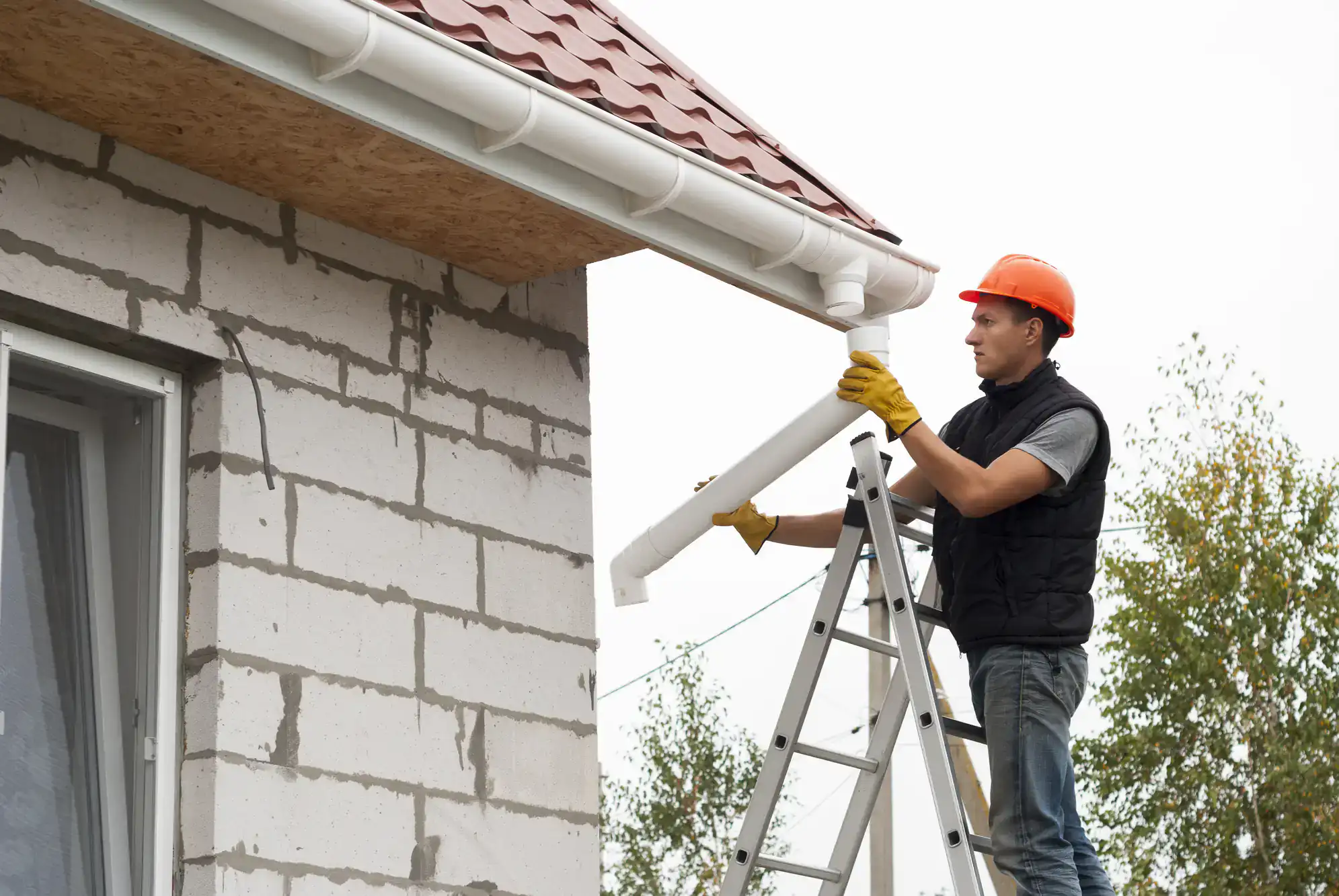
Every project includes a proper moisture barrier installation, substrate inspection, and full cleanup. We back both materials and workmanship with a written warranty, because in a market like Millburn, your home’s exterior needs to hold up for you now and for the next buyer down the road. Beyond siding, we also handle roofing, gutters, chimney, and masonry so if the inspection turns up more than siding issues, you’re not starting the contractor search over from scratch.
Yes, and it’s actually a two-step process that catches a lot of Millburn homeowners off guard. In Millburn Township, any exterior building improvement including siding replacement requires a zoning approval from the Zoning Official before a building permit can be issued. That means two separate approvals before work legally begins, not just one.
This matters for a few reasons. If your home is in one of Millburn’s two historic districts the Wyoming section or Short Hills Park or if it carries an individual historic landmark designation under Millburn Code Section 804.3, there may be additional review requirements for exterior alterations. Choosing a contractor who skips the permitting process isn’t just a code violation; it’s a liability that can surface during a home sale, complicate an insurance claim, or result in a removal order for unpermitted work. We handle both approvals correctly on every Millburn project.
The honest answer is that it depends on what’s underneath, not just what you can see from the street. Visible damage cracked panels, faded color, warping tells part of the story. But in Millburn, where a significant portion of the housing stock dates back decades and moisture exposure is elevated near the Rahway River corridor, the more important question is what’s happening behind the siding.
If water has been getting behind panels and sitting against the sheathing or framing, you’re likely dealing with rot or mold that a surface repair won’t fix. A full replacement with proper substrate inspection and a new moisture barrier is the right call in those situations. If the damage is isolated a few panels after a storm, a section near a leaking gutter repair is often the more practical option. The only way to know for certain is a proper inspection, which is why our free consultation starts with a thorough exterior walkthrough, not a sales pitch.
For most of Millburn’s older housing stock particularly homes in the Wyoming section, Short Hills Park, and the downtown area fiber cement siding is the strongest performer. It replicates the dimensional look of wood clapboard and shingle siding that these homes were originally built with, while offering dramatically better moisture resistance and longevity. That’s a meaningful combination in a township where freeze-thaw cycling, heavy tree canopy, and proximity to the Rahway River all work against exterior materials over time.
Vinyl siding is a viable option for homes where the architectural character is less of a priority and budget is a primary consideration. It’s lower maintenance and handles the climate well when installed correctly. Engineered wood is another option for homeowners who want a more natural appearance with better durability than traditional wood. We’ll walk you through the trade-offs for your specific home including how each material performs relative to Millburn’s moisture environment so you can make a decision that actually makes sense for your situation.
Siding replacement costs in Millburn typically range from $8,000 to $20,000 or more, depending on the size of the home, the material selected, and what the substrate inspection reveals. Fiber cement installation runs higher than vinyl due to material and labor costs, but it’s also the more durable long-term investment particularly relevant in a market where homes are valued at $1 million or more and exterior condition directly affects resale price.
What drives costs up in Millburn specifically is the age and complexity of the housing stock. Victorian-era and early-twentieth-century homes often have irregular profiles, original wood trim details, and substrate conditions that require more preparation work than a straightforward re-side on newer construction. If there’s rot, moisture damage, or a failed barrier underneath, that work needs to be done before new siding goes up and any contractor who doesn’t mention that possibility in their estimate isn’t giving you a complete picture. We provide written, itemized estimates so you know exactly what’s included before anything is signed.
It depends on the material and the scope of work. Vinyl siding installation becomes problematic in temperatures below about 40°F because the material contracts in cold conditions and can crack during handling or fastening. For full vinyl replacements, late spring through early fall is the practical window in northern New Jersey. Fiber cement is more forgiving in colder conditions and can be installed in lower temperatures with appropriate precautions.
Emergency repairs are a different situation. If a storm damages your siding in January and Millburn’s heavily wooded neighborhoods in the Wyoming section and Short Hills see regular wind and ice damage in winter waiting until spring isn’t always an option. Exposed sheathing or a compromised moisture barrier in the middle of a New Jersey winter creates real structural risk. We offer emergency siding services for exactly that reason. We’ll assess the damage, stabilize the exterior, and schedule the full repair or replacement work for the appropriate season if needed.
In Millburn’s market, exterior condition carries real weight. With a median home sale price around $1.2 million and a buyer pool that includes a high proportion of financially sophisticated, detail-oriented purchasers, the first impression your home makes from the street directly influences how offers come in. Siding that’s visibly aged, stained, or damaged signals deferred maintenance and buyers and their agents will price that in.
The numbers support the investment. Siding replacement consistently returns 80–95% of its cost at resale according to the Cost vs. Value Report, with fiber cement returning approximately 87% in markets like this one. Beyond the resale calculation, new siding also eliminates the kind of moisture and structural issues that show up on inspection reports and slow down or kill closings. For homeowners in Millburn who are preparing to list, or who simply want to protect what they’ve built in one of New Jersey’s most competitive real estate markets, a siding replacement is one of the more straightforward exterior investments you can make.
Other Services we provide in Millburn