
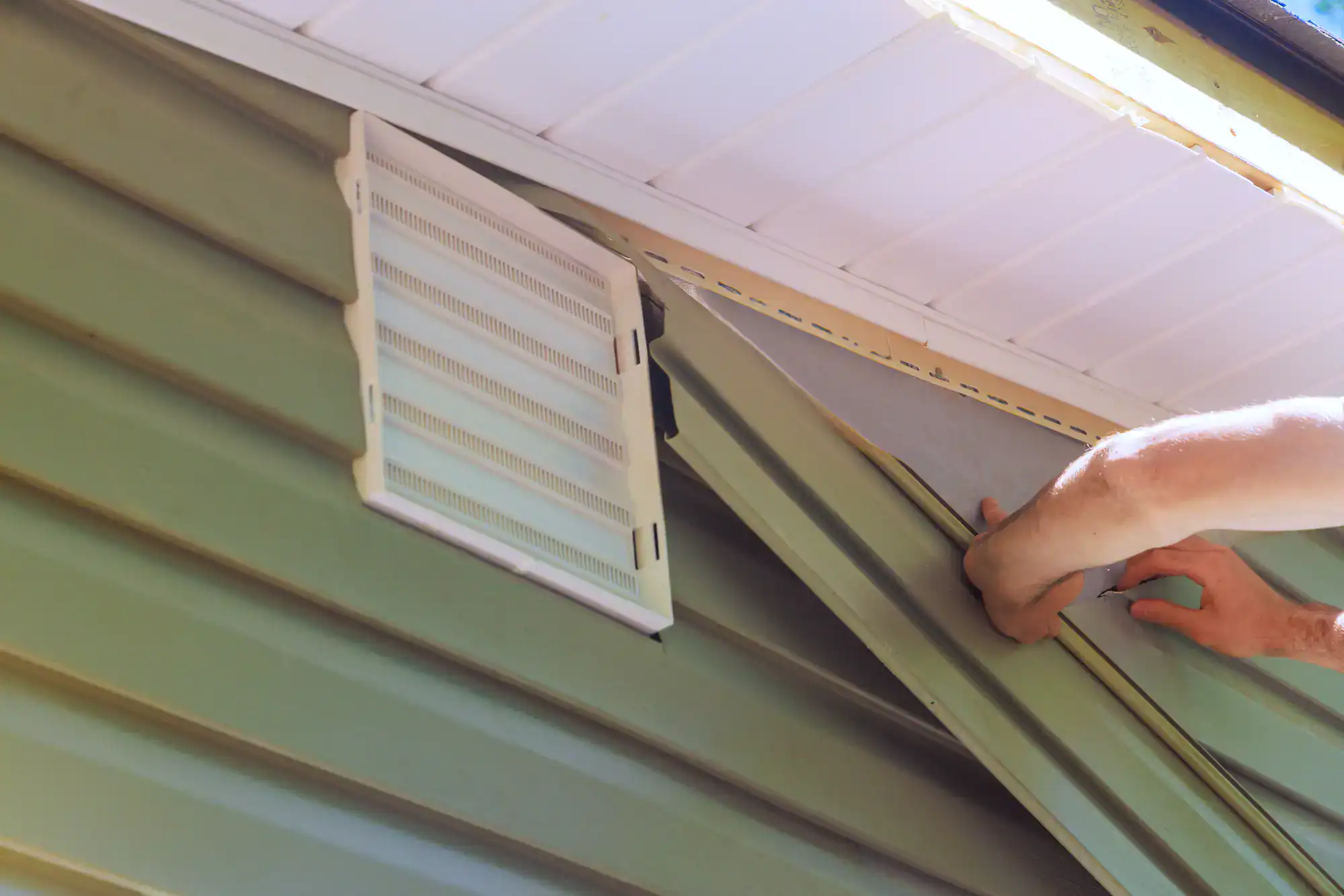
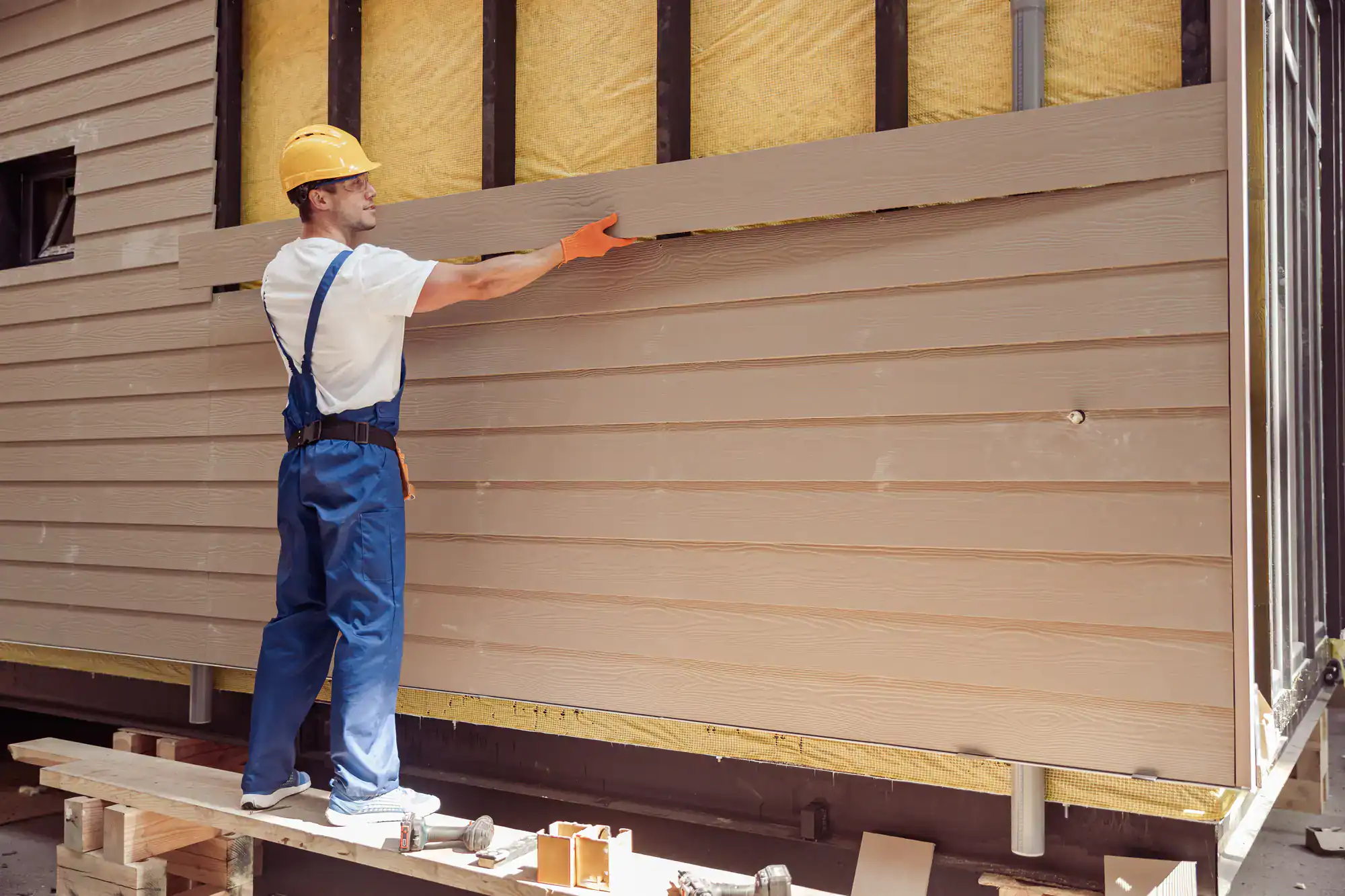
Bad siding doesn’t just look rough it lets water in. And in Verona, where January lows can dip below 20°F and summers push into the mid-80s, that freeze-thaw cycle does real damage over time. Water gets into a small crack, freezes, expands, and makes it bigger. Do that for a few winters on a 1940s Cape Cod with original sheathing underneath, and you’re not just looking at new siding you’re looking at rot, mold, and a wall cavity that’s been silently taking on moisture for years.
When siding is installed correctly, that cycle stops. Your home holds heat in winter, stays cooler in summer, and the wall behind the cladding stays dry the way it’s supposed to. For homeowners on the tree-lined streets off Bloomfield Avenue or up in the hillside sections of Verona, that’s not a small thing it’s the difference between a renovation that holds and one that creates the next problem.
There’s also the equity side of it. Siding replacement returns 80 to 95 cents on the dollar at resale, and in a market like Verona where median household incomes exceed $130,000 and buyers pay attention to what a home looks like from the street that curb appeal carries real weight. New siding done well protects what you’ve built here.
We’re a family-owned contracting company based in northern New Jersey, serving Verona and Essex County homeowners since 2018. We’re BBB Accredited, hold NJ Home Improvement Contractor Business license number 13VH09838700 which you can verify directly on the NJ Division of Consumer Affairs website and carry GAF Preferred Contractor status, a manufacturer-level designation that requires demonstrated installation quality and insurance compliance. These aren’t just checkboxes. They’re the kind of credentials that matter when you’re trusting someone to work on a home you’ve invested in.
Verona is a small town 3.5 square miles, fewer than 15,000 residents and word travels fast here. We know that. Every project we take on in Verona and Essex County is treated like our name is on the mailbox, because in a community this size, it basically is. You get honest assessments, clear timelines, and a full warranty covering both materials and workmanship when the job is done.
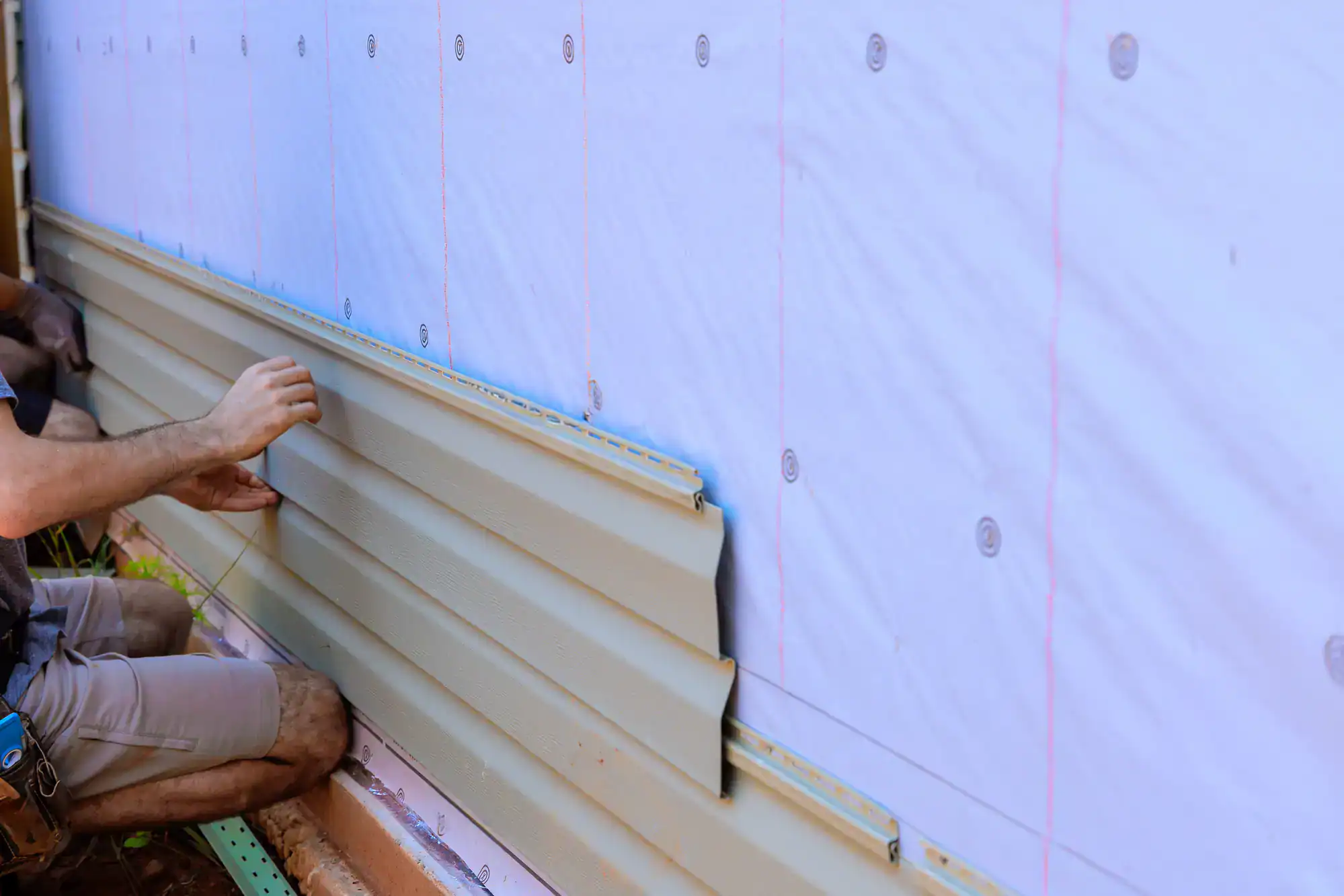
It starts with a free consultation. We come out, look at the full exterior, and give you an honest read on what’s there not just the surface, but the substrate and moisture barrier underneath. On a pre-war home in Verona, that inspection step isn’t optional. It’s the whole point. If there’s rot or failing sheathing behind your current siding, covering it up without addressing it just delays a bigger problem. We tell you what we find and give you options.
Once you decide to move forward, we handle the permit process through Verona’s Building Department at 600 Bloomfield Ave. New Jersey state code requires an approved construction permit before siding work begins, and that’s our responsibility to manage not yours. You shouldn’t have to navigate municipal paperwork on top of everything else.
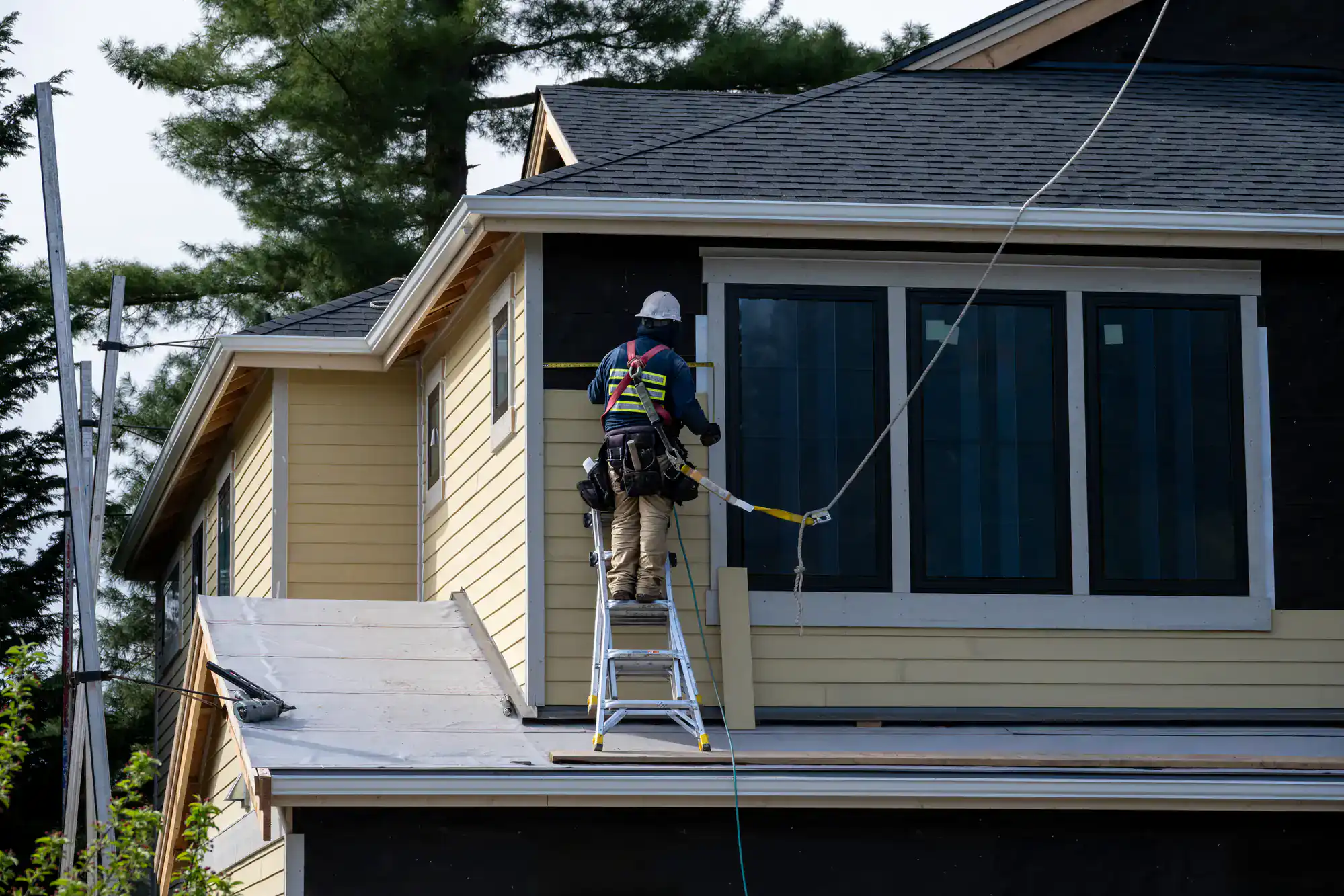
Installation timing matters in this climate. The best windows for siding work in Verona are spring and fall, when temperatures are stable and materials can acclimate properly. Vinyl needs room to expand and contract, and caulks and sealants cure best when it’s not freezing. We plan around that. Most standard single-family projects run two to five days, and we keep you updated throughout by call, text, or on-site, whatever works for you.
Ready to get started?
Request a callback

Verona’s housing stock is mostly pre-1970, and a lot of it is original wood clapboard, aging aluminum, or early vinyl that’s well past its useful life. The homes here ranches, split-levels, Cape Cods, smaller colonials each have their own profile, trim details, and architectural character. Siding that looks wrong on a 1935 Colonial on a street like this is noticeable. We take material selection seriously, and we’ll walk you through options that fit the home visually, not just functionally.
For most Verona homeowners, vinyl siding remains the practical choice low maintenance, cost-effective, and available in profiles that complement older home styles. Fiber cement is the right call when you want something closer to the look of painted wood with significantly more durability and a stronger return at resale. We install both, and we’ll give you a straight comparison based on your specific home, not a sales pitch for whichever has the better margin.
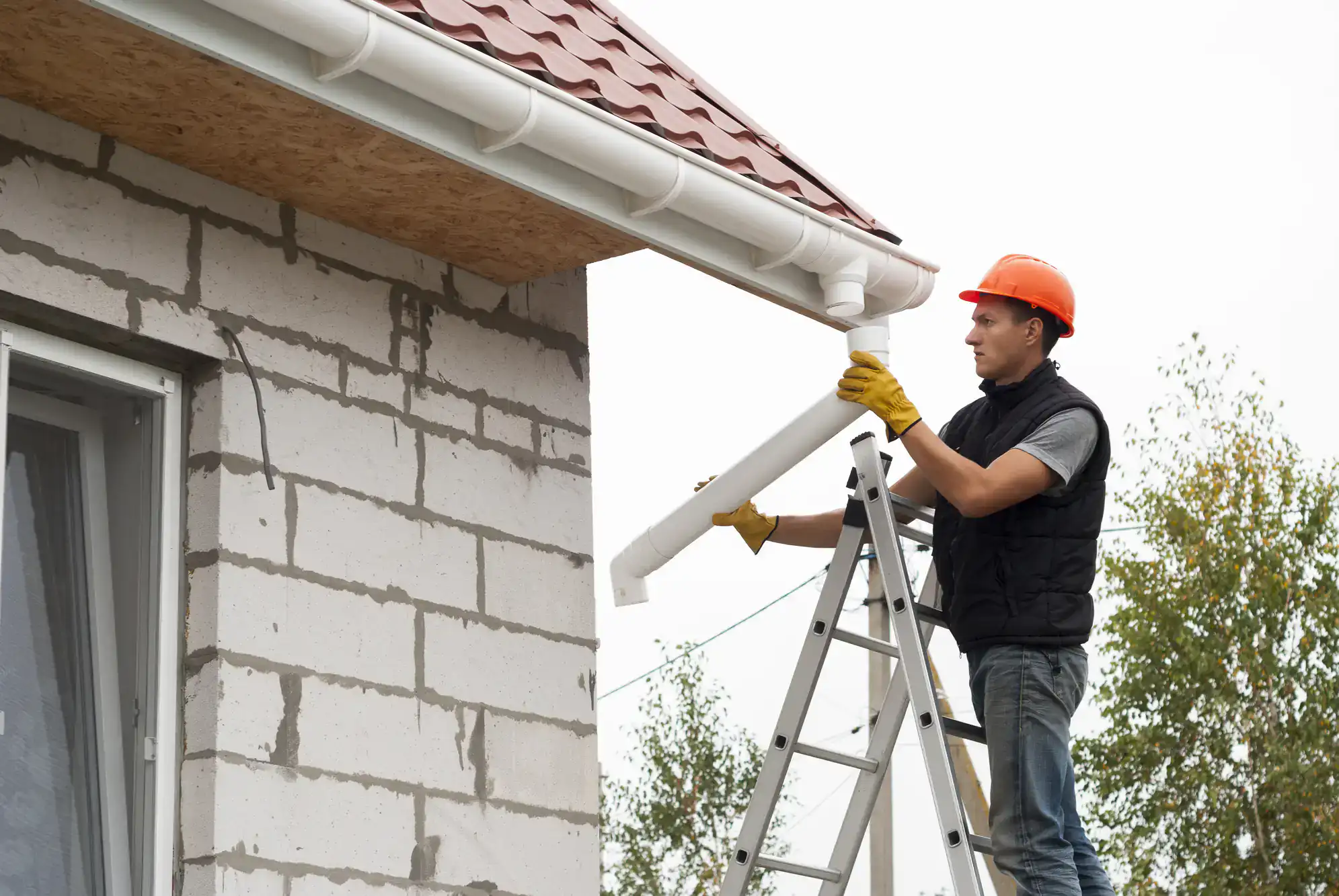
Every project includes a full substrate inspection before installation, proper moisture barrier installation or replacement, permit filing with Verona’s Building Department, and a complete warranty on both materials and workmanship. If your project also involves roofing, gutters, or masonry which is common on homes this age we handle all of it under one contract. One schedule, one point of contact, no gaps between trades.
Yes and it’s not something to skip. Verona’s Building Department, located at the Municipal Building on 600 Bloomfield Ave, requires a construction permit for siding replacement in accordance with New Jersey state code. That permit needs to be approved before any work begins, not after. Homeowners who hire contractors that bypass this step can be left holding liability for unpermitted work, which creates real complications when it comes time to sell or refinance.
When you work with us, we handle the permit filing as part of the project. You don’t have to call the Building Department, track down forms, or figure out what’s required. That’s on us. It’s also worth knowing that Verona’s zoning requirements may apply depending on the scope of the project, so having a contractor who understands the local process not just the general NJ code matters.
The honest answer is that you often can’t tell from the outside alone. Visible damage cracked panels, warped sections, fading, gaps at seams tells part of the story. But on a home built in the 1940s or 1950s, which describes a large portion of Verona’s housing stock, the more important question is what’s happening behind the siding. Moisture that’s been getting in through small failures over years can cause rot in the sheathing and framing that isn’t visible until you pull a panel.
Repair makes sense when the damage is isolated a few broken panels, localized impact damage, a section that lifted in a storm. Full replacement is the right call when the damage is widespread, when the existing material is at or past the end of its lifespan, or when a substrate inspection reveals moisture damage underneath. We’ll give you a straight assessment during the free consultation. If repair is genuinely the right answer, we’ll tell you that.
For most homes in Verona, the choice comes down to vinyl or fiber cement, and both are solid options the right one depends on your priorities. Vinyl is the most widely used material in the area for good reason: it’s cost-effective, requires almost no maintenance, and holds up well through New Jersey’s freeze-thaw cycles when it’s installed correctly. The key phrase there is “installed correctly” vinyl needs to be nailed with proper spacing to allow for seasonal expansion and contraction. Nail it too tight and it buckles in summer heat.
Fiber cement James Hardie being the most recognized brand is the better choice if you want the visual character of painted wood without the maintenance, or if you’re prioritizing resale value. It’s denser, more impact-resistant, and carries an 87% return on investment at resale according to the 2025 Cost vs. Value Report. For Verona’s older Colonials and Cape Cods, fiber cement profiles can closely match original architectural details in a way that vinyl sometimes can’t. We’ll show you both options side by side and help you decide based on your home specifically.
Most standard single-family siding replacements in Verona run between two and five days for the installation itself. The total timeline from initial consultation to project completion depends on a few factors: the size and complexity of the home, whether substrate repairs are needed after the inspection, material lead times, and permit approval from Verona’s Building Department.
Spring and fall are the best seasons to schedule in this area. Temperature stability matters for proper installation vinyl needs moderate temperatures to acclimate and seal correctly, and caulks and sealants don’t cure properly in freezing conditions. If you’re planning a project and want it done before winter, booking in late summer gives you the best chance at a fall completion without rushing. We’ll give you a realistic timeline upfront and keep you updated throughout you won’t be left wondering where things stand.
The most important thing to check before signing anything is licensing. In New Jersey, contractors performing home improvement work are required to hold a valid Home Improvement Contractor Business registration through the NJ Division of Consumer Affairs. You can verify any contractor’s license number directly on the DCA website in under two minutes. Under the 2024 update to NJ contractor licensing law, licensed contractors are also required to carry a compliance bond and workers’ compensation insurance which means homeowners who hire unlicensed contractors take on real liability if something goes wrong on-site.
Beyond licensing, watch for quotes that are unusually low. In a market like Essex County, a bid that comes in significantly below others usually means something is being skipped the substrate inspection, the permit, the moisture barrier, or the warranty. The cheapest quote often creates the most expensive outcome. Ask every contractor for their license number, proof of insurance, and a written warranty that covers both materials and workmanship. If they can’t provide all three without hesitation, that tells you something.
It can be, depending on your policy and the cause of the damage. Essex County sees its share of nor’easters, summer thunderstorms, and high-wind events that can crack panels, lift sections, and expose sheathing to water infiltration. When that kind of sudden, storm-related damage occurs, most standard homeowners insurance policies will cover siding repair or replacement subject to your deductible and policy terms.
The key is acting quickly. Every day that sheathing or wall cavity is exposed to moisture after storm damage is another day of potential water infiltration, especially on an older home where the existing moisture barrier may already be compromised. Document the damage with photos before any temporary repairs are made, contact your insurance carrier to open a claim, and get a contractor out for an assessment. We offer emergency siding services for exactly this situation we can assess the damage, provide documentation for your claim, and get the work scheduled before a surface problem becomes a structural one.
Other Services we provide in Verona