
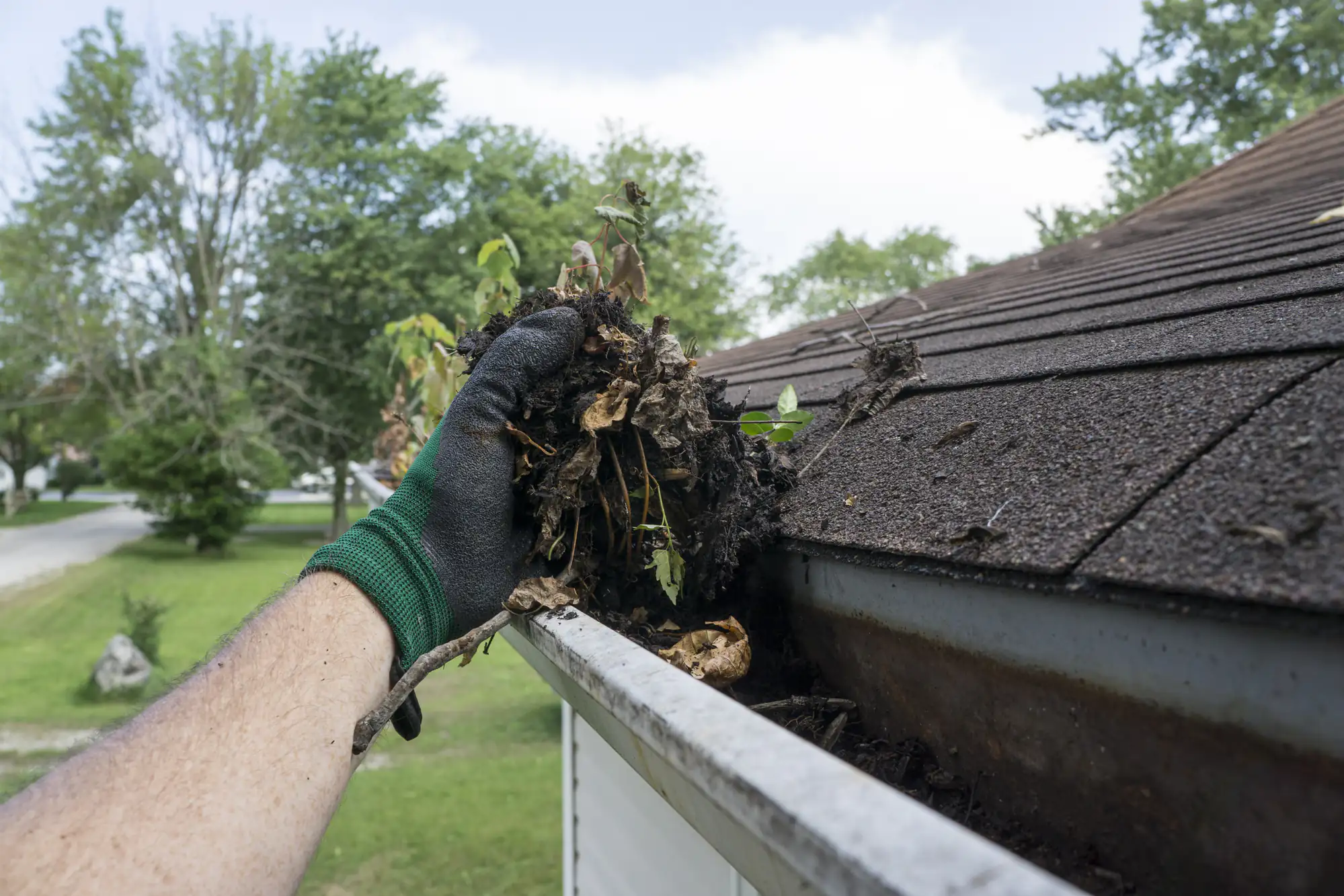
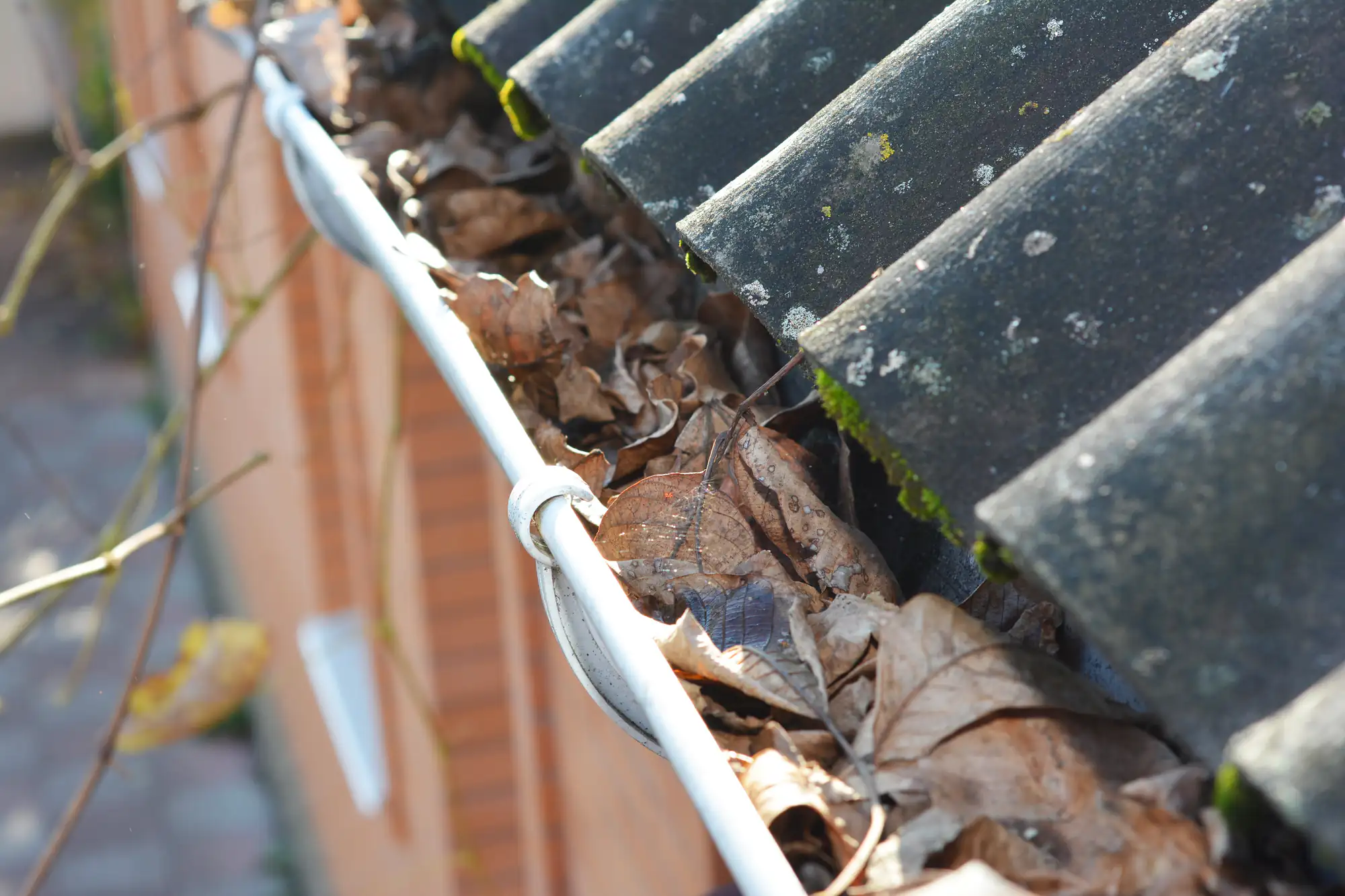
Budd Lake sits higher than most communities in Morris County, and that elevation matters more than people realize. When fall leaves pack into your gutters and the temperature drops which happens earlier here than in lower-elevation towns along the I-80 corridor standing water freezes in the trough, expands, and pushes ice up under your shingles. That’s how you end up with water stains on your ceiling and a repair bill that starts at five figures. A professional gutter cleaning in late fall isn’t a luxury. It’s the single most effective thing you can do to prevent that from happening.
Beyond ice dams, clogged gutters overflow. And when they overflow, that water doesn’t disappear it runs down your siding, pools against your foundation, and saturates the soil around your home’s base. For Budd Lake properties near the lake’s wooded shoreline, where moisture levels are already elevated and many homes were originally built as seasonal cottages, that kind of chronic water exposure compounds fast. Cleaned gutters, clear downspouts, and proper drainage keep that water moving away from your home the way it’s supposed to.
The math is simple. Two professional cleanings a year fall and spring costs somewhere in the range of $200 to $500 depending on your home’s size. The average water damage insurance claim from gutter neglect runs between $11,000 and $14,000. On a home worth $500,000, which is roughly the median in Budd Lake today, basic preventive maintenance isn’t optional. It’s just smart ownership.
We’re a family-owned general contracting company that has been serving northern New Jersey since 2018. We’re BBB accredited, GAF Preferred Contractor certified, and fully insured including workers’ compensation, which matters more than most homeowners realize when someone is on a ladder at your roofline.
What separates us from gutter-only companies is straightforward: we’re a full-service exterior contractor. When our team cleans gutters at a Budd Lake home and finds rotted fascia behind the bracket, a loose hanger, or flashing that’s starting to fail at the roofline, we can address it on the spot or as a scheduled follow-up. You don’t have to track down a second contractor for the repair. That’s a real advantage in a community where a lot of the housing stock is 30 to 50 years old and converted lakefront cottages are common.
We serve all of Morris County, and we know western Morris County specifically the wooded terrain, the older homes, the seasonal timing that defines Budd Lake and its surrounding areas. We show up when we say we will, we do what we said we’d do, and we leave your property clean. That’s it.
It starts with a free consultation. You tell us what you’re dealing with overflowing gutters, visible debris, water staining on your siding, or just a home that hasn’t had a cleaning in a while and we give you a clear, written estimate before any work begins. No vague quotes, no surprise charges after the fact.
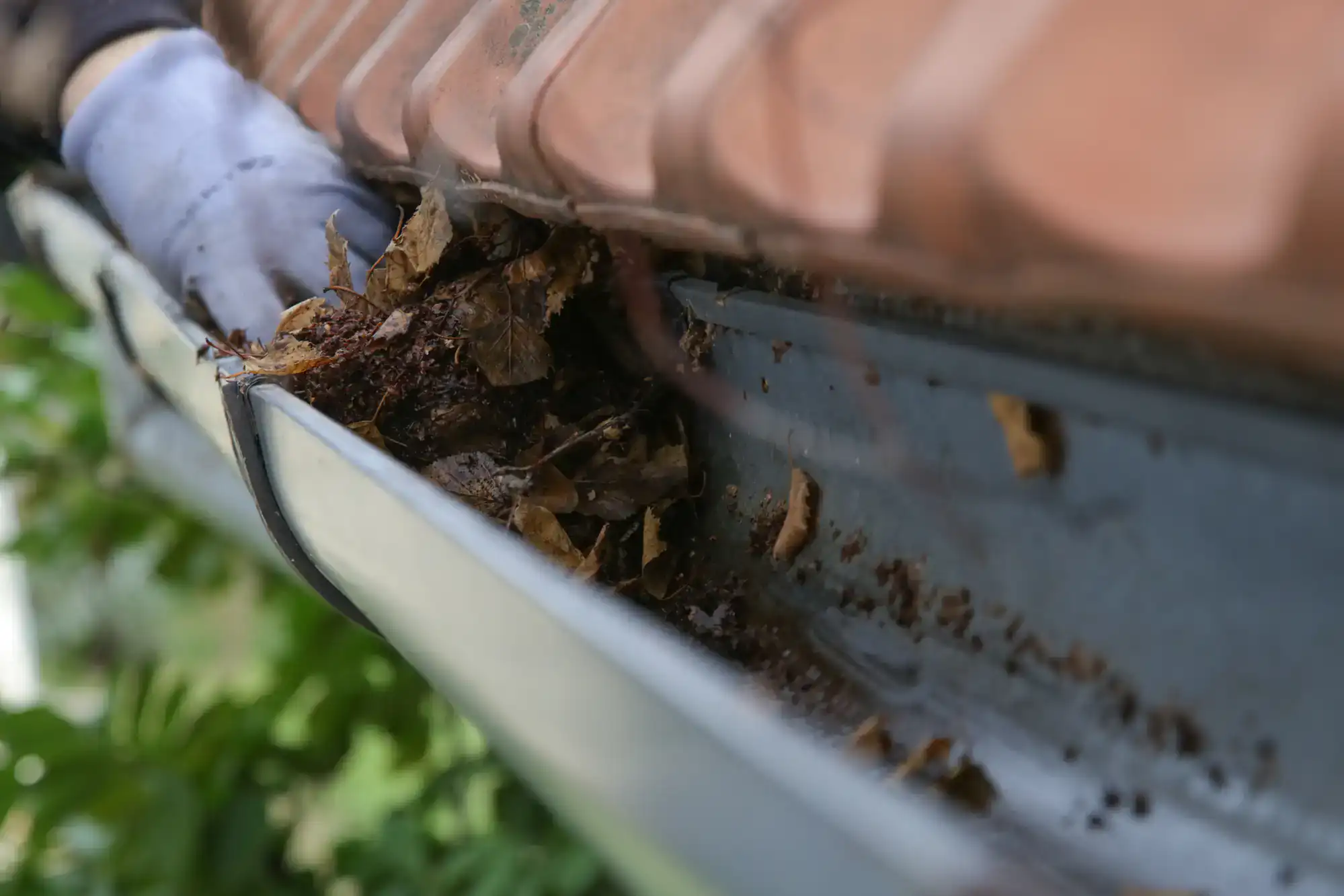
On the day of service, our crew starts at the roofline and works systematically through the entire gutter system. That means removing all debris from the troughs leaves, seed pods, shingle grit, compacted material not just the visible stuff at the top. In Budd Lake, where oak and maple coverage is heavy and leaf fall can pack gutters solid within two to three weeks of peak drop, we don’t skip the compacted layer at the bottom of the trough. Once the troughs are clear, we flush every downspout with water to confirm it’s flowing freely from roof to ground. If a downspout is blocked packed debris, a bird nest, a collapsed underground connection we find it and clear it.
If we find something beyond debris during the cleaning deteriorating fascia, a gutter pulling away from the house, a hanger that’s failed we tell you what we found, show you if we can, and walk you through your options. No pressure. You decide what happens next. When the job is done, we clean up after ourselves. Your driveway, your lawn, your landscaping it all looks the way it did before we got there, minus the gutter problem.
Ready to get started?
Request a callback

Every gutter cleaning with us covers the full system: debris removal from all troughs, downspout flushing to confirm clear flow, a visual inspection of hangers, seams, and fascia condition, and a walkthrough of anything we noticed that warrants attention. Gutter cleaning as a standalone service doesn’t require a permit in Mount Olive Township, but if we find repair work during the cleaning fascia replacement, hanger reattachment, downspout reconnection we’re a licensed New Jersey Home Improvement Contractor, so that work can be handled by our team without you needing to source a second contractor.
For Budd Lake specifically, timing matters. The window between peak leaf fall and the first hard freeze is compressed at this elevation compared to lower-lying communities. We recommend scheduling your fall cleaning for late October through mid-November after the bulk of the leaves are down but before temperatures consistently drop below freezing. Spring cleaning, typically March through May, clears the winter debris and prepares your system for the heavy thunderstorm season that hits western Morris County hard. If you’re in a lakefront property or a home with significant tree coverage along the shoreline, a mid-summer check is worth considering as well.
For homes near the lake especially the converted cottages along the shoreline that weren’t originally built for year-round drainage demands we pay particular attention to gutter sizing, pitch, and fascia condition. These homes have a different maintenance profile than a 1990s colonial on a subdivision street, and we treat them accordingly.
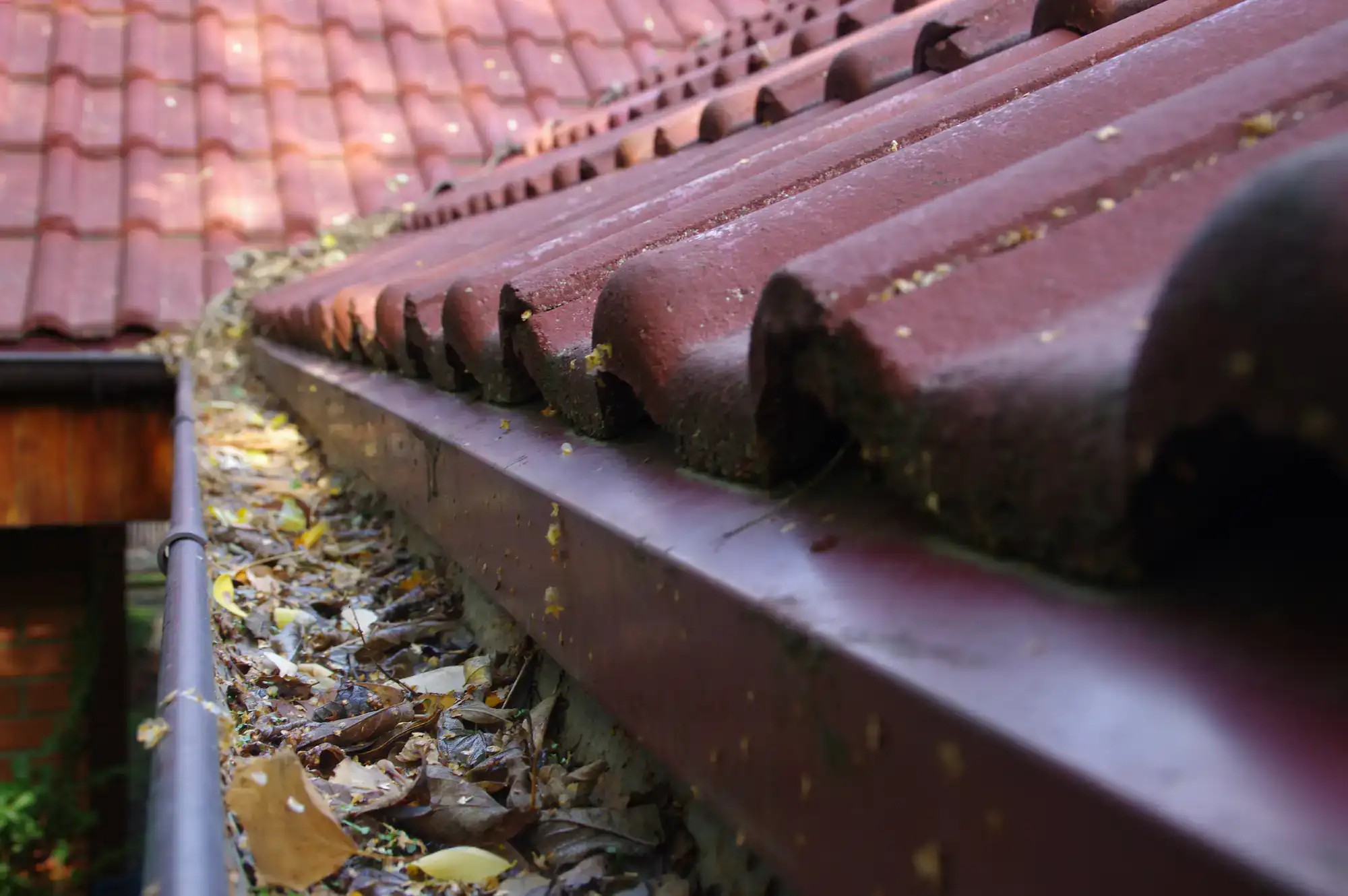
Twice a year is the baseline for most homes once in late fall after the leaves are down, and once in spring before the heavy rain season. But if your property has significant tree coverage, especially oaks and maples close to the roofline, you may need a third cleaning in late summer to clear seed pods and early debris before fall arrives.
In Budd Lake specifically, the combination of dense deciduous tree coverage and the area’s elevated position means gutters can go from clear to fully packed within two to three weeks of peak leaf fall in October and November. The other factor is elevation: at around 933 feet, temperatures drop earlier here than in communities further east along the I-80 corridor. That compresses the window between “leaves are down” and “gutters are frozen,” which is why scheduling your fall cleaning proactively not after you notice overflow is important. Don’t wait until you see water running down your siding. By then, the ground may already be frozen and the damage may already be starting.
The most immediate risk is ice damming. When gutters are clogged going into winter, water can’t drain and it sits in the trough. In a community like Budd Lake, where temperatures stay lower and longer than in lower-elevation parts of New Jersey, that standing water freezes, expands, and forces ice upward under the shingles at the roofline. From there, water finds its way into the attic, saturates insulation, and eventually shows up as staining on interior ceilings or walls.
Beyond ice dams, clogged gutters overflow during winter thaws and rain events, directing water against your foundation repeatedly throughout the season. Over time, that chronic exposure leads to foundation seepage, soil erosion around the base of the house, and in older homes especially the converted lakefront cottages common in Budd Lake deterioration of the fascia and soffit that were never designed for that level of moisture exposure. The repair costs from any one of these outcomes far exceed what professional gutter cleaning costs annually.
The most common reason is a blocked downspout, not debris sitting in the trough. When a downspout is clogged packed with compacted material, a bird nest, or a collapsed underground connection at the base water backs up into the gutter and overflows the edge even if the trough itself looks relatively clear from the ground. It’s one of the most frequently missed problems in budget gutter cleaning jobs, because many services scoop visible debris from the top and never actually test whether the downspout is flowing.
The fix is straightforward: flush the downspout with water and confirm it’s running freely from the gutter outlet to the ground discharge point. If it’s blocked, it needs to be cleared not just the trough. This is standard in every cleaning we perform. We flush every downspout on the property and confirm clear flow before we call the job done. In Budd Lake, where heavy leaf loads and seed pod debris from mature oaks and maples are common, downspout blockages are more frequent than in less-wooded communities, and skipping that step leaves the real problem unsolved.
Yes, and it’s one of the less obvious but more expensive consequences of deferred gutter maintenance. When gutters overflow consistently which happens when they’re clogged and water has nowhere to go that water discharges directly against the side of the house and pools at the base of the foundation. Over time, that repeated saturation softens the soil, causes settling, and in homes with older or poured foundations, allows water to seep through cracks and into the basement or crawl space.
For Budd Lake properties, this risk is compounded by the area’s naturally high moisture environment. The community sits in a glacially formed watershed Budd Lake itself is the headwaters of the South Branch of the Raritan River and the surrounding terrain retains moisture well. Soil near the lake and along the wooded shoreline is already prone to saturation during heavy rain events. Adding chronic gutter overflow to that equation accelerates the problem. Keeping your gutters clear and your downspouts discharging water away from the foundation ideally several feet out is basic but effective protection against the kind of foundation issues that cost tens of thousands of dollars to remediate.
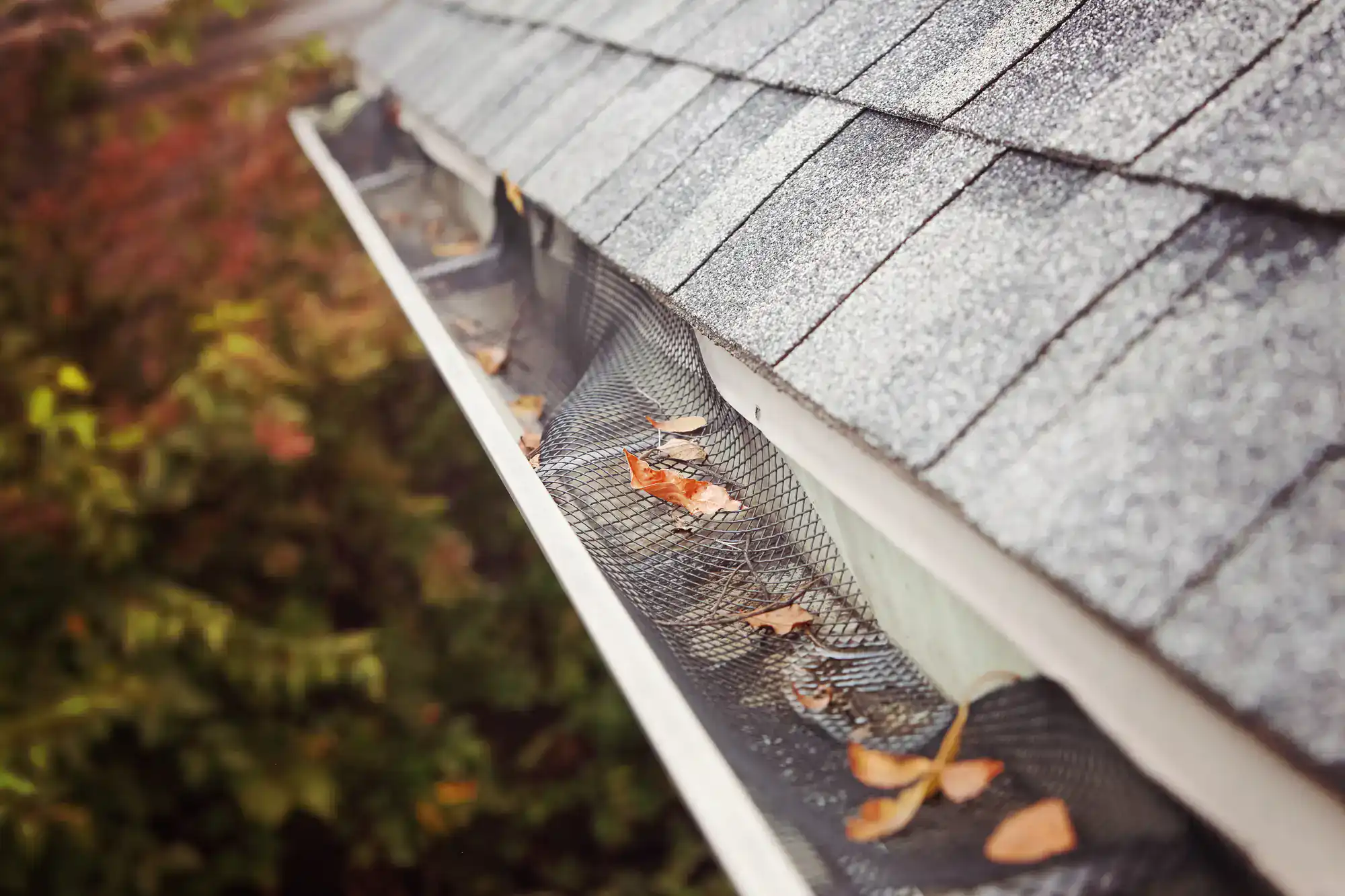
Not entirely. Gutter guards reduce how often you need cleaning, but they don’t eliminate the need. Fine debris shingle grit, pine needles, small seed pods, and decomposed organic material still gets through most guard systems over time. Moss and algae can also grow on and under guards in shaded, moisture-rich environments, and the seams and end caps on guarded gutters still accumulate buildup that restricts flow.
In Budd Lake, where pine trees are present near the lake alongside the dominant oaks and maples, needle debris is a year-round factor not just a fall issue. Pine needles are thin enough to pass through or accumulate on top of most guard designs, and they mat down and restrict water entry into the trough. Even homes with guards installed benefit from a professional inspection and cleaning every one to two years to confirm the system is actually functioning as intended. If you have guards and you’re noticing overflow during heavy rain, that’s a sign the guards may be doing more harm than good at this point and the system needs a proper evaluation.
Ask for a Certificate of Insurance before anyone gets on a ladder at your property and make sure it includes both general liability and workers’ compensation. General liability covers damage to your home if something goes wrong during the job. Workers’ compensation is the one most homeowners overlook: if an uninsured worker is injured on your property, you can be held personally liable for their medical costs and any resulting legal claims. That’s not a rare scenario in a service category where uninsured operators are common.
A legitimate contractor will provide a COI without hesitation. If a company hedges, says they’re “covered” without being able to produce documentation, or gives you a verbal assurance instead of a certificate, that’s a real red flag. In Mount Olive Township, as in all of New Jersey, any contractor performing home improvement work is also required to hold a valid NJ Home Improvement Contractor license. We carry full liability and workers’ compensation coverage and are properly licensed documentation available on request. In a community where properties include lakefront homes with uneven terrain and older rooflines that require working at height in challenging conditions, hiring an uninsured contractor isn’t a risk worth taking.
Other Services we provide in Budd Lake