
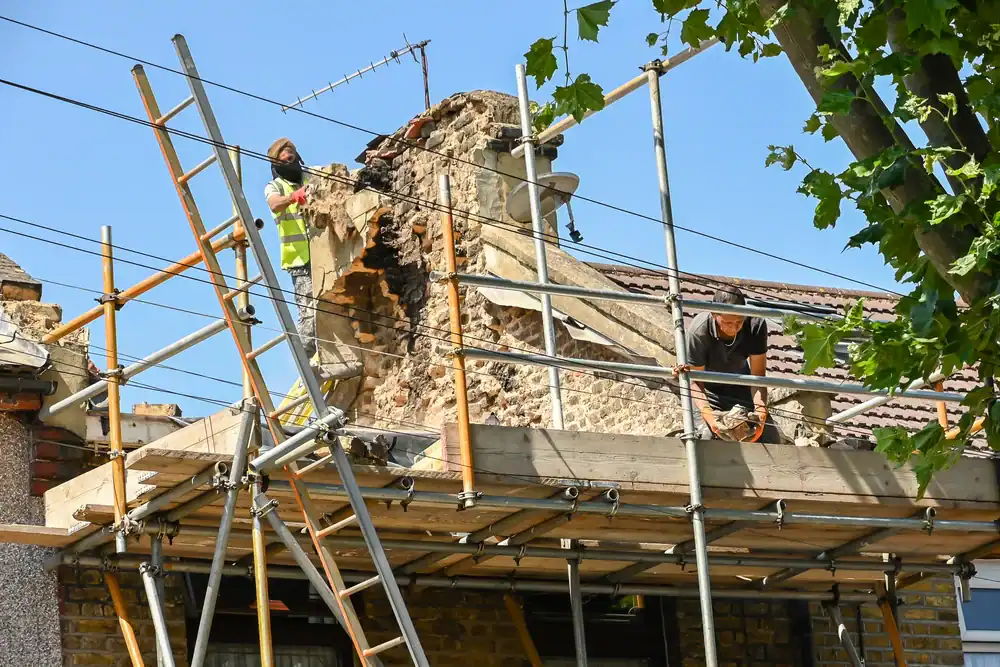

You’ve probably noticed the crack. Maybe some loose mortar. A few missing bricks near the top.
Right now, it’s manageable. But here’s what happens next: water gets in. Temperatures drop. That water freezes, expands, and pushes your chimney apart from the inside. By December, you’re looking at emergency repairs when contractors are booked solid and charging premium rates.
Chimney repair in Budd Lake isn’t just about aesthetics. It’s about preventing carbon monoxide leaks through damaged flue liners. It’s about stopping water from rotting the wood framing around your fireplace. It’s about keeping your family safe and your home structurally sound through another harsh New Jersey winter.
When you fix it now, you’re choosing the repair on your terms. Not during a snowstorm when you have no other option.
We’ve been handling chimney repair and masonry work across Northern and Central New Jersey for years. We’re not the biggest operation, and we’re fine with that.
What we are is local. We understand Morris County weather. We’ve seen what happens to chimneys here when homeowners wait too long. We know the building codes, the inspection requirements, and exactly what it takes to make repairs last through New Jersey’s freeze-thaw cycles.
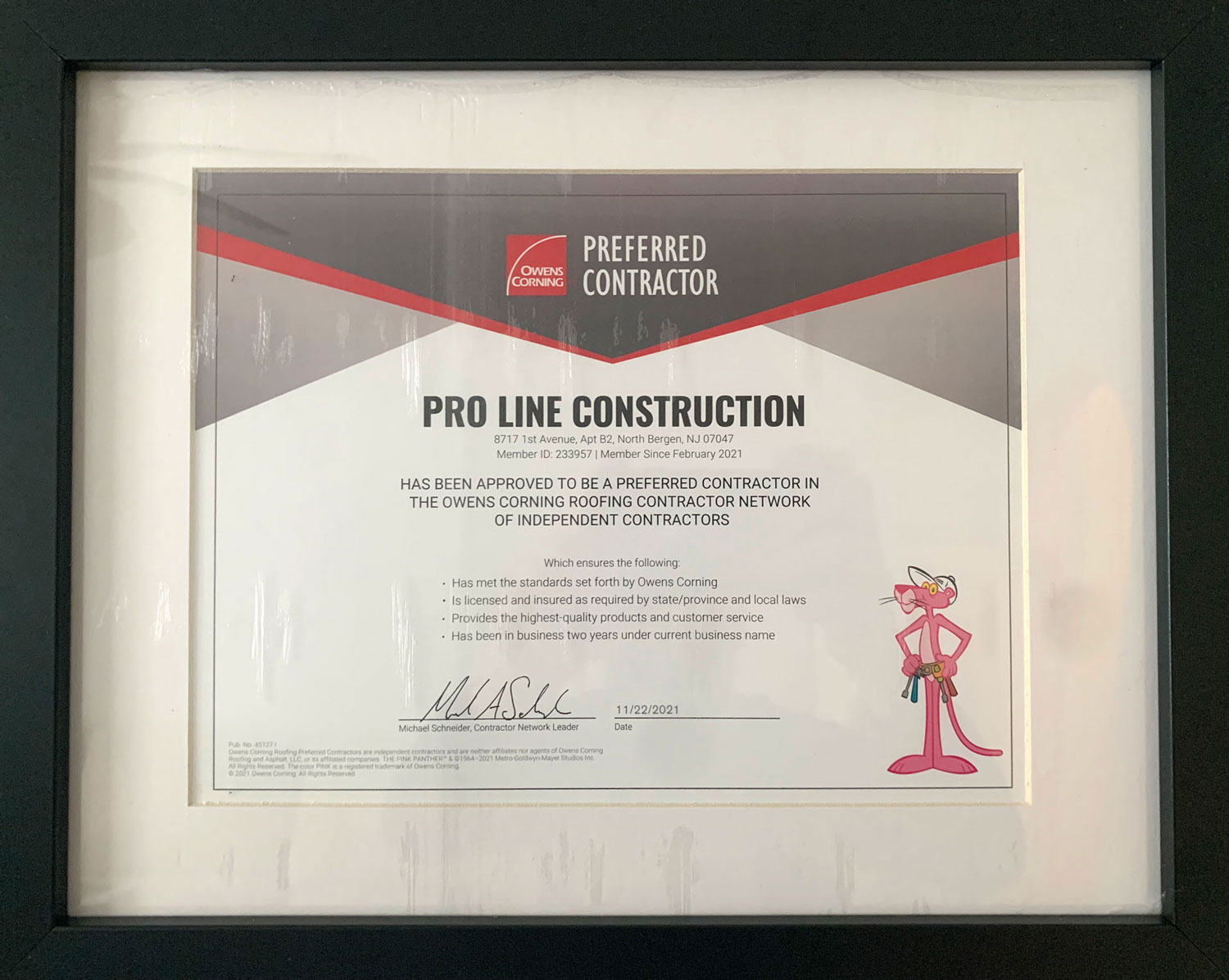
Our team includes certified contractors who’ve worked on everything from minor brick chimney repair to complete rebuilds. We show up when we say we will, we assess the actual problem (not the one that makes us the most money), and we give you a straight answer about what needs to happen.

First, we come out and look at your chimney. Not just from the ground—we get up there and inspect the crown, the flashing, the mortar joints, and the flue liner. We’re looking for cracks, water damage, structural issues, and anything that could become a safety hazard.
Then we tell you what we found. If it’s a simple mortar repair, we’ll say that. If you need more extensive brick chimney repair or a crown rebuild, we’ll explain why and show you what’s happening. You get a written estimate that breaks down the work and the cost.
Once you’re ready to move forward, we schedule the repair during a weather window that makes sense. Most chimney work needs dry conditions and moderate temperatures, so timing matters. We handle everything—setup, repair, cleanup—and make sure the work is done right the first time.
After we’re finished, your chimney is sealed, structurally sound, and ready to handle whatever weather comes next. You’ll also have documentation for your records, which New Jersey law requires you to keep for at least five years.

Ready to get started?
Chimney repair isn’t one-size-fits-all. What you need depends on what’s damaged and how far the deterioration has progressed.
We handle mortar joint repairs (called tuckpointing), where we remove crumbling mortar and replace it with fresh material that can handle moisture and temperature swings. We fix chimney crowns that have cracked or started to separate from the flue. We replace damaged bricks, repair or install chimney flashing to stop leaks where the chimney meets your roof, and address flue liner issues that could let carbon monoxide into your home.
In Budd Lake specifically, we see a lot of freeze-thaw damage. Water seeps into tiny cracks during fall rains, then freezes when temperatures drop. Ice expands with serious force—enough to push bricks out of alignment and crack mortar joints wide open. One winter can do years worth of damage if the chimney wasn’t properly maintained.
We also handle chimney leak fixing, which often involves more than just patching visible cracks. Water can enter through the crown, the flashing, or even through porous bricks. We find the source and fix it permanently, so you’re not dealing with interior water stains or mold growth down the line.

Most chimney repairs in this area run between $450 and $2,500, depending on what’s damaged and how much work is involved. Simple mortar repairs or minor brick replacement usually fall on the lower end. Crown rebuilds, flashing replacement, or structural repairs cost more.
If you’re looking at a full chimney rebuild or major flue liner work, costs can climb higher—sometimes into the $5,000 to $15,000 range. That sounds like a lot, but it’s often less expensive than dealing with the collateral damage from a chimney that’s been leaking into your walls for months.
We give you a free estimate after we inspect your chimney. No surprises, no pressure. You’ll know exactly what the repair costs before we start any work.
Spring and fall are your best windows. You want dry weather and moderate temperatures—ideally between 40°F and 90°F—so mortar can cure properly and materials can be applied correctly.
Fall is especially smart because you’re getting ahead of winter. If we find a problem in October and fix it before the first freeze, you’ve just prevented that crack from turning into a major structural issue by January. Spring works well too, since you can address any damage that happened over winter before the next heating season.
Summer is fine, though it can get hot up on a roof. Winter is tough—mortar doesn’t set right in freezing temperatures, and working conditions are rough. If you have an emergency, we’ll do what we can, but planned repairs should happen when weather cooperates.
Yes. New Jersey law requires annual chimney inspections by a qualified professional if you have a chimney. You’re also required to keep written documentation of those inspections for at least five years.
This isn’t just a legal formality. Chimneys deal with extreme conditions—high heat, corrosive creosote buildup, and constant exposure to weather. Small problems develop fast, especially with our freeze-thaw cycles. An inspection catches those problems while they’re still cheap to fix.
During an inspection, a certified chimney sweep or contractor checks for cracks in the flue liner, creosote buildup that could cause a chimney fire, structural damage to bricks and mortar, and proper venting. If something’s wrong, you find out before it becomes a safety hazard or an expensive emergency.
The damage gets worse. Fast.
A small crack lets in water. That water freezes, expands, and makes the crack bigger. Bigger cracks let in more water. Within one winter, you can go from a $500 repair to a $5,000 problem. We’ve seen chimneys in Budd Lake deteriorate so badly in a single season that they needed complete rebuilds.
There’s also the safety issue. Cracks in your flue liner can let carbon monoxide seep into your home instead of venting outside. Prolonged exposure is life-threatening. Creosote buildup in a damaged chimney increases your risk of a chimney fire, which can spread to your roof and the rest of your house.
And then there’s water damage. A leaking chimney doesn’t just hurt the chimney—it rots the wood framing around your fireplace, causes interior leaks and stains, and creates conditions for mold growth. Fixing that costs a lot more than fixing the chimney in the first place.
We can do some emergency chimney repair work in winter, but it’s not ideal. Mortar needs temperatures above freezing to cure properly. If it’s too cold, the repair won’t hold, and you’ll be paying for the same fix twice.
If you have an urgent issue—like a major leak or a structural problem that can’t wait—we’ll find a way to stabilize things temporarily or work during a warm spell. But for planned repairs, you’re better off scheduling during spring or fall when conditions are right.
That’s why we push people to get inspections done in early fall. If we find a problem in September, we can fix it properly before winter hits. If you wait until January and discover an issue, your options are limited and more expensive.
It depends on how much of the chimney is damaged and whether the structure is still sound.
If you have isolated problems—some cracked mortar joints, a damaged crown, or a few loose bricks—repair makes sense. We fix the specific issues, and the rest of the chimney stays intact. Most chimneys in Budd Lake fall into this category if they’re caught early enough.
But if the damage is widespread—large sections of deteriorated bricks, a leaning chimney, major structural cracks, or a flue liner that’s falling apart—a rebuild might be the only safe option. Trying to patch a chimney that’s fundamentally compromised is throwing money away. It won’t hold, and it won’t be safe.
We’ll tell you honestly which situation you’re in after we inspect your chimney. If repair works, we’ll repair it. If it needs to be rebuilt, we’ll explain why and what that involves. You’ll have the information you need to make the right call for your home and your budget.
Other Services we provide in Budd Lake