

You stop worrying about water stains on your ceiling. You stop wondering if that crack is going to turn into a $10,000 problem next winter. You get a chimney that works the way it’s supposed to—sealed tight, structurally sound, and safe for your family.
Most chimney issues start small. A little water gets in through worn flashing or a cracked crown. Then freeze-thaw cycles do their thing. Before long, you’re looking at crumbling mortar, loose bricks, or worse—structural damage that spreads to your roof and framing. The National Fire Protection Association reports about 25,000 chimney fires every year, and most of them trace back to maintenance that got pushed off too long.
When we handle your brick chimney repair or chimney leak fixing, you’re not just patching a problem. You’re protecting a significant investment. In Essex Fells, where the median home price sits above $1.1 million and many properties date back to before World War II, your chimney isn’t just functional—it’s part of what makes your home worth what it is.
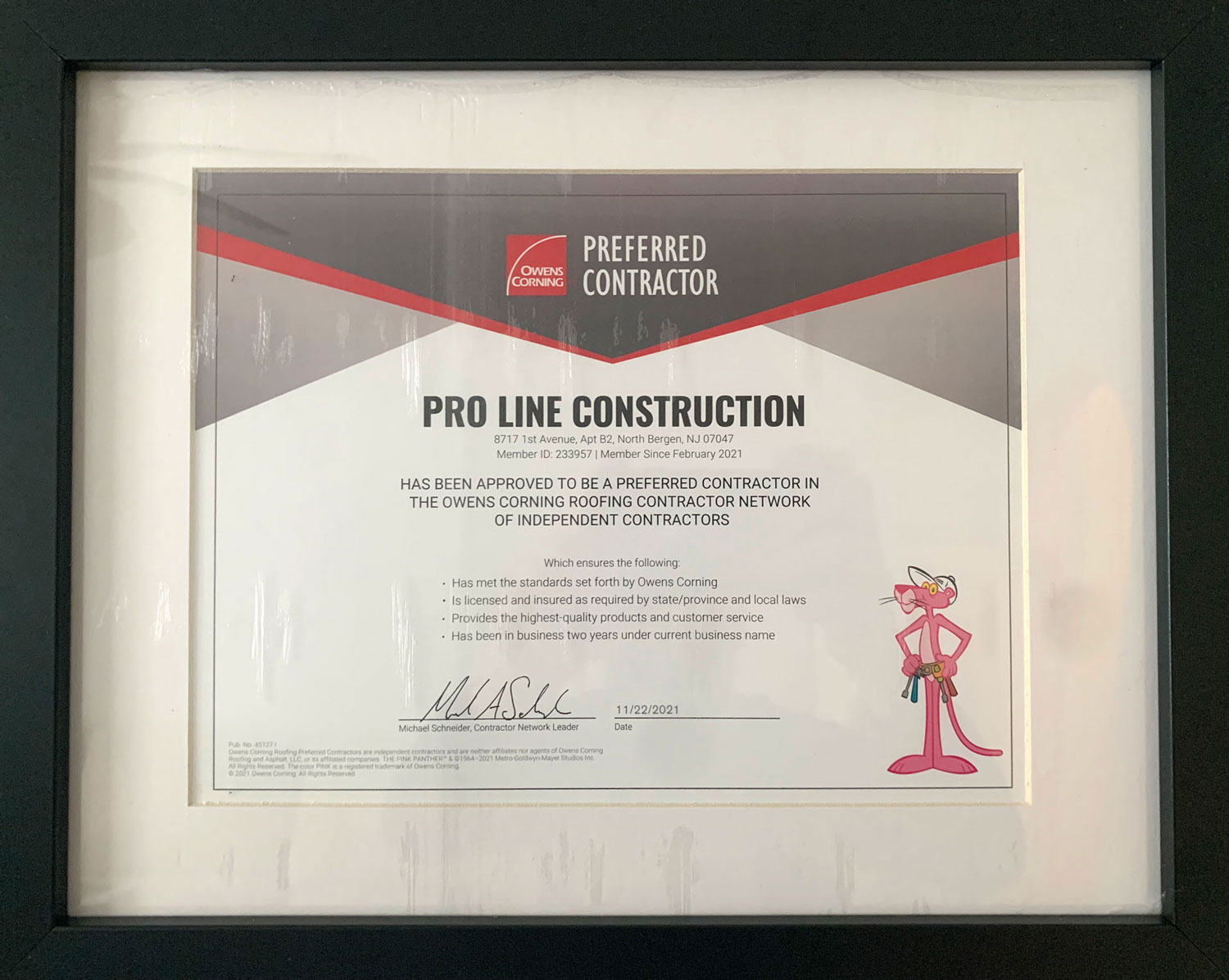
Proline Construction has been working in Essex Fells and across New Jersey for nearly two decades. We’re certified, licensed, and insured. We follow New Jersey construction codes because we have to, and we follow best practices because we care about doing work that lasts.
Essex Fells has a lot of older homes—beautiful properties with character and craftsmanship you don’t see in new construction. But age means wear. Chimneys take a beating from New Jersey winters, heavy rain, temperature swings, and wind. We’ve seen what happens when repairs get delayed or done poorly, and we’ve built our reputation on being the crew that gets called when it needs to be done right.
You’ll get a free estimate with no hidden charges. We’ll walk you through what’s wrong, what it’ll take to fix it, and what it’ll cost before any work starts.

First, we come out and do a full assessment. We’re not just looking at the obvious damage—we’re checking the crown, the flashing, the mortar joints, the flue liner, and the structure itself. Water damage loves to hide, and we’ve learned where to look.
Once we know what’s going on, we give you a detailed estimate. No jargon, no upselling. If your chimney needs a full rebuild, we’ll tell you. If it just needs repointing and a crown repair, we’ll tell you that too. You’ll know what the job involves and what it costs before we start.
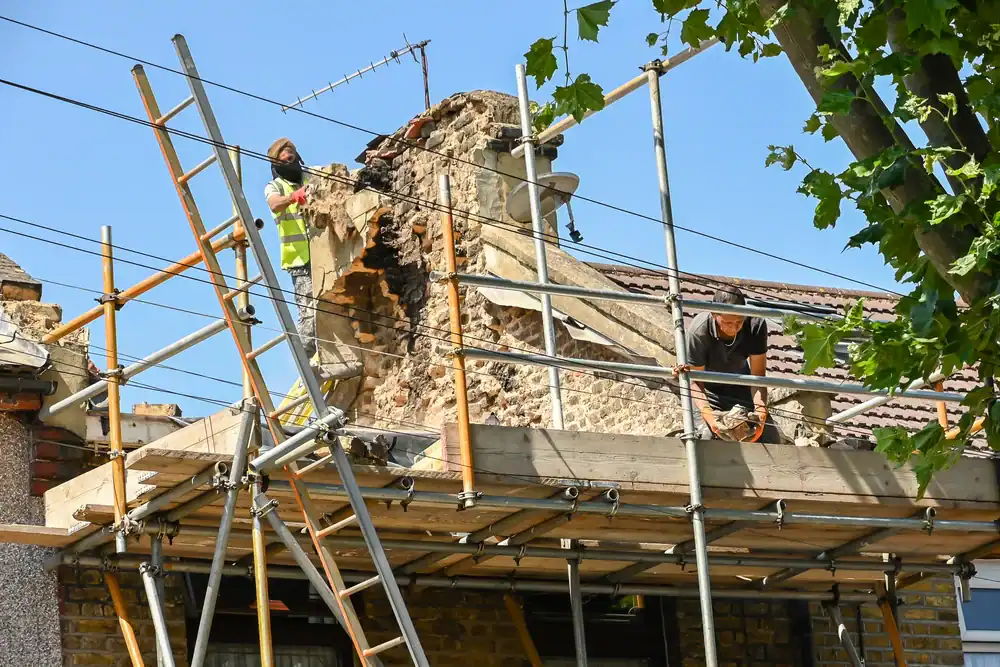
Then we do the work. Depending on what you need, that might mean replacing damaged bricks, rebuilding the chimney crown, sealing leaks, repairing or replacing flashing, or addressing structural issues that affect your roof. We use quality materials because cheap fixes don’t last, and we’re not interested in seeing you again in two years for the same problem.
When we’re done, your chimney is sealed, stable, and safe. You’ll have documentation of the work, and if you ever need us again, we’re a phone call away.

Ready to get started?
We handle everything from minor mortar repairs to full chimney rebuilds. That includes brick chimney repair, chimney crown restoration, flashing replacement, chimney leak fixing, structural reinforcement, and fireplace repair. If it’s part of your chimney system, we can fix it.
In Essex Fells, a lot of homes have chimneys that are 50, 60, even 80 years old. These aren’t cookie-cutter jobs. Every property is different, and every repair needs to respect the original construction while meeting modern safety standards. We’ve worked on enough historic homes to know how to do that without compromising either one.
New Jersey weather is tough on masonry. Cold winters, heavy snow, spring rain, summer heat—it all takes a toll. Water is the biggest enemy. It gets into tiny cracks, freezes, expands, and breaks things apart. That’s why we pay close attention to waterproofing and drainage. A good repair doesn’t just fix what’s broken—it prevents the next problem.
If you’re comparing us to chimney sweep companies near me, know that we do more than cleaning. We’re a full-service masonry company. That means if your chimney problem involves your roof, your siding, or your home’s structure, we can handle it all without bringing in multiple contractors.

It depends on what’s wrong. Minor repairs—repointing mortar joints, fixing small cracks, replacing a few bricks—usually run between $400 and $1,000. Larger jobs like rebuilding a chimney crown, replacing flashing, or addressing structural damage can cost anywhere from $2,000 to $10,000 or more.
The biggest factor is how far the damage has spread. If you catch a leak early, you might just need some sealant and flashing work. If that leak has been there for a few seasons, you could be looking at rotted framing, damaged masonry, and a much bigger repair. That’s why we always recommend getting an inspection if you see water stains, notice loose bricks, or smell moisture around your fireplace.
We give free estimates, and we’ll break down exactly what needs to be done and why. No surprises, no padding. You’ll know what you’re paying for before we start.
If your chimney is leaning, has large cracks running through the bricks, or shows signs of serious structural damage, you’re probably looking at a rebuild. If the mortar is crumbling in multiple spots, the crown is falling apart, or there’s extensive water damage inside the flue, replacement might make more sense than patching.
Most chimneys don’t need full replacement. A lot of what we see is repairable—damaged flashing, worn mortar joints, cracked crowns, or isolated brick damage. These are fixable problems, and catching them early saves you money.
During our inspection, we’ll tell you honestly whether repair or replacement makes more sense. If your chimney can be saved, we’ll save it. If it can’t, we’ll explain why and what a rebuild involves. Either way, you’ll have the information you need to make the right call for your home and your budget.
Most chimney leaks come from one of four places: damaged flashing, a cracked chimney crown, deteriorated mortar joints, or a damaged flue liner. Flashing is the metal seal between your chimney and roof—if it’s loose, rusted, or improperly installed, water gets in. The crown is the concrete top of your chimney, and if it cracks, water pours straight down into the masonry.
Mortar joints break down over time, especially in older chimneys. Once water gets into those joints, it spreads through the bricks and into your home. Flue liners can crack from heat stress or age, and when they do, moisture and gases can escape into the chimney structure itself.
Fixing a leak means identifying where the water is getting in and addressing it properly. That might mean replacing flashing, rebuilding the crown, repointing mortar, or installing a new liner. We don’t do temporary patches—we fix the source of the problem so it doesn’t come back. In New Jersey, where we get freeze-thaw cycles all winter, a proper repair is the only kind that lasts.
Spring and late summer are ideal. The weather is mild, materials cure properly, and you’re not competing with everyone else trying to get work done before winter. If you schedule in May or September, you’ll usually get faster turnaround and easier scheduling than if you wait until October when everyone suddenly remembers they have a chimney.
That said, if you have an active leak or structural damage, don’t wait. Emergency chimney repair exists for a reason. Water damage gets worse fast, and a small problem in April can turn into a major issue by December. If you’re seeing water stains, smelling moisture, or noticing loose bricks, call sooner rather than later.
Scheduling during the off-season also means we have more time to focus on your job without rushing to beat the weather. Mortar needs time to cure, and doing that work in reasonable temperatures makes a difference in how well the repair holds up long-term.
It depends on the scope of work. Minor repairs like repointing or crown sealing usually don’t require a permit. Larger jobs—rebuilding a chimney, structural work, or anything that affects your home’s framing—typically do. Essex Fells has specific building codes, and we make sure every job we do meets them.
We handle the permit process if your job requires one. You don’t need to deal with the township or figure out what paperwork is needed—that’s part of what we do. We’re licensed contractors who’ve been working in New Jersey for nearly 20 years, and we know what’s required to keep your project compliant.
Skipping permits on work that requires them can cause problems down the line, especially if you ever sell your home or file an insurance claim. We do everything by the book so you don’t have to worry about it.
If there’s structural damage, a cracked flue liner, or blockages, no—you shouldn’t use it. Burning a fire in a damaged chimney is a safety risk. Creosote buildup combined with cracks or gaps can lead to chimney fires, and a compromised flue can allow carbon monoxide or smoke to leak into your home instead of venting outside.
If the damage is external—like worn flashing or a cracked crown—you might be okay to use your fireplace temporarily, but you’re still letting the problem get worse every time it rains or snows. Water damage doesn’t pause just because you’re waiting to schedule a repair.
The safest move is to get an inspection before you use your fireplace if you suspect any damage. We’ll tell you whether it’s safe to burn or if you need to hold off until repairs are done. It’s not worth the risk, especially in a home where your family’s safety and your property value are both on the line.
Other Services we provide in Essex Fells