

New Jersey winters destroy chimneys. Freeze-thaw cycles turn hairline cracks into structural nightmares by December. You’ve probably noticed water stains on your ceiling, drafts when the fireplace isn’t running, or pieces of mortar in your firebox.
Those aren’t cosmetic issues. They’re warnings that moisture is getting in, and once winter locks down, that moisture freezes, expands, and tears your chimney apart from the inside. The longer you wait, the more expensive it gets.
Proper chimney repair means you’re not calling someone back in six months. It means your fireplace actually works when you need it. It means no emergency calls during the coldest week of January because your chimney is leaking into your living room. You get one repair done correctly, and you move on with your life.
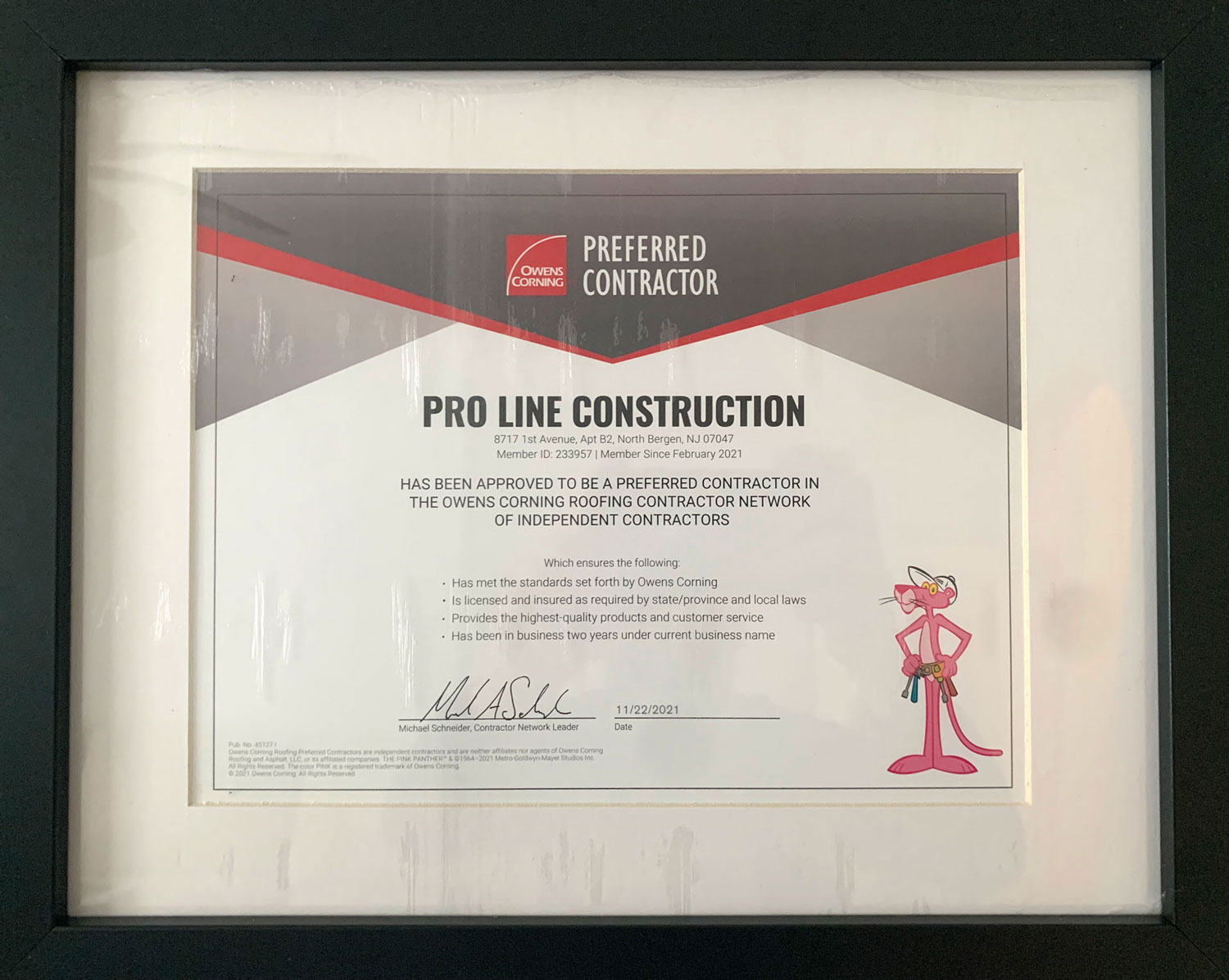
Proline Construction has been handling home improvement projects across New Jersey for nearly two decades. We’re not a national franchise or a call center that farms out your job. We’re local contractors who understand what Hanover’s weather does to brick, mortar, and flashing.
Most of the chimney problems we see in Hanover come from the same source: water. Your chimney crown cracks, your flashing fails, or your mortar joints deteriorate. Then moisture gets in, winter arrives, and everything gets worse fast.
We’ve repaired hundreds of chimneys in Morris County. We know the common failure points, the shortcuts other contractors take, and what actually holds up through a New Jersey winter. When we give you a quote, it includes everything. No hidden charges, no surprise fees after we start.

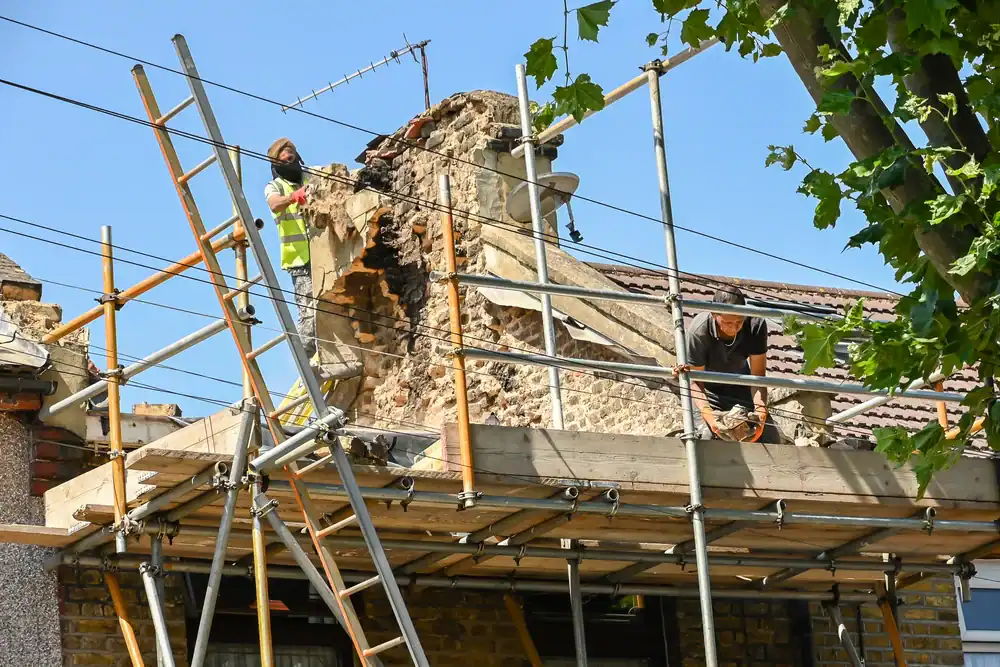
First, we inspect your chimney from top to bottom. That means getting on the roof, checking the crown, the flashing, the mortar joints, and the interior flue. We’re looking for cracks, water damage, loose bricks, and any structural issues that could become problems.
Then we explain what we found in plain language. No technical jargon, no upselling. If your chimney needs a full rebuild, we’ll tell you. If it just needs repointing and a new crown, we’ll tell you that too. You get a written estimate that breaks down labor, materials, and timeline.
Once you approve the work, we schedule it based on weather. Mortar needs the right temperature to cure properly, so we don’t rush jobs in freezing conditions just to get paid faster. We complete the repair, clean up the site, and walk you through what we did. You’ll know exactly what was fixed and why it matters.

Ready to get started?
Chimney repair in Hanover usually involves several components. We handle crown repairs and rebuilds, which stop water from entering at the top. We replace damaged flashing where your chimney meets the roof—this is where most leaks start. We repoint mortar joints that have deteriorated from freeze-thaw cycles.
If your chimney has structural damage, we rebuild sections using matching brick and proper mortar mix. We repair or replace chimney caps that keep rain, animals, and debris out of your flue. For fireplace issues, we fix damaged fireboxes, replace cracked dampers, and repair smoke chambers that aren’t drafting correctly.
Hanover homes built before 1980 often have chimneys that weren’t lined properly. If your flue needs a liner for safety and code compliance, we install stainless steel liners rated for your heating system. Every job includes a final inspection to confirm everything is structurally sound and ready for winter. You’re not guessing whether the repair will hold—you know it will.

Most chimney repairs in Hanover run between $500 and $3,000, depending on what’s damaged. Simple crown repairs or repointing a few mortar joints sit on the lower end. Flashing replacement typically costs $800 to $1,500. Major structural repairs or partial rebuilds can reach $5,000 to $8,000.
The price depends on how much damage exists and how long you’ve waited to fix it. A small crack caught early might cost $600. That same crack ignored for two winters could turn into a $4,000 rebuild. We give you an upfront estimate after inspecting your chimney, so you know exactly what you’re paying before any work starts.
Weather affects timing more than cost. We don’t charge extra for winter work, but we also won’t rush a repair in freezing temperatures just to get it done. Mortar needs proper curing conditions, or the repair fails within a year.
Late summer through mid-fall is ideal for chimney repair in New Jersey. Temperatures are stable, mortar cures properly, and you’re getting the work done before heating season starts in October. Most homeowners wait until they smell smoke in the house or see water stains, which usually happens in December or January.
By then, you’re competing with everyone else who ignored their chimney all year. Scheduling gets tight, and if the damage is severe, you might be waiting weeks for repairs while using space heaters instead of your fireplace.
Spring works too, but you’re dealing with unpredictable weather and rain delays. If you’re seeing any signs of damage right now—cracked mortar, water in the firebox, pieces of brick in your yard—get it inspected before winter. Even if the repair has to wait until spring, you’ll know what you’re dealing with and can plan accordingly.
Chimney leaks in Hanover come from four main sources. The chimney crown cracks from freeze-thaw cycles, letting water pour straight down into the flue. Flashing fails where the chimney meets the roof, and water runs down the exterior into your attic or walls. Mortar joints deteriorate and allow water to soak into the brick. Or the chimney cap is missing or damaged, so rain goes directly down the flue.
We fix crown leaks by sealing small cracks or rebuilding the crown entirely if it’s too far gone. Flashing repairs involve removing the old flashing, installing new step flashing and counter flashing, and sealing everything with proper sealant—not just caulk that fails in six months.
For mortar joint issues, we repoint the damaged areas by removing old mortar and filling joints with fresh mortar that matches your chimney. If your cap is missing, we install a new one with a spark arrestor and animal guard. Most leaks involve multiple failure points, so we address all of them in one repair instead of fixing one thing and leaving the others to fail next year.
Yes, because you can’t see most chimney damage from the ground. You might notice water stains or smell smoke, but that doesn’t tell you whether you need a $600 crown repair or a $5,000 rebuild. A proper inspection identifies every problem so you’re not paying for repairs twice.
We inspect from the roof and inside the flue using cameras when necessary. We check the crown, flashing, mortar joints, bricks, chimney cap, damper, smoke chamber, and flue liner. We’re looking for cracks, spalling, water damage, creosote buildup, and structural issues that compromise safety.
New Jersey law requires annual chimney inspections if you’re using your fireplace regularly. Even if you’re not burning wood, your chimney still takes a beating from weather. An inspection catches small problems before they become expensive emergencies. You get a written report of what’s wrong, what it costs to fix, and what happens if you don’t fix it.
We can do emergency chimney repairs in winter, but full restorations work better in warmer weather. Mortar is designed to cure at temperatures above 40°F. Below that, it doesn’t bond correctly, and your repair fails within months. If your chimney is actively leaking or structurally unsafe, we’ll stabilize it and do a temporary fix to get you through winter.
For example, if your crown is cracked and water is pouring in, we can seal it temporarily and schedule the full crown rebuild for spring. If your flashing failed and water is running into your attic, we can install temporary flashing to stop the leak until conditions allow for a permanent repair.
Some repairs work fine in winter. Replacing a chimney cap, installing a flue liner, or doing interior firebox repairs aren’t affected by temperature. We assess your specific situation and tell you what can be done now versus what should wait. We’re not going to do substandard work just to collect payment faster.
If more than 25% of your chimney’s bricks are cracked, spalling, or loose, you’re usually looking at a rebuild. If the structure is leaning, separating from the house, or has large vertical cracks, that’s a rebuild. If water damage has compromised the interior flue and exterior masonry, a rebuild is often more cost-effective than patching everything.
Minor issues like surface cracks, deteriorated mortar joints in isolated areas, or a damaged crown can be repaired without tearing down the whole chimney. We make that call after inspecting your specific chimney, not based on what makes us the most money.
A rebuild costs significantly more—typically $8,000 to $15,000 depending on chimney height and complexity. But if your chimney is structurally failing, repairs are just delaying the inevitable. We’ll show you exactly what’s wrong, explain why we’re recommending repair versus rebuild, and let you make the decision. Most Hanover chimneys we see need repairs, not rebuilds, but we’re honest about which situation you’re in.
Other Services we provide in Hanover