

You shouldn’t have to wonder if that crack is serious or if water’s getting in somewhere you can’t see. A damaged chimney doesn’t announce itself until smoke backs up into your living room or you spot water stains on the ceiling. By then, you’re looking at structural repairs that could’ve been avoided.
When your chimney’s working the way it should, you’re not thinking about it. The fireplace drafts properly. There’s no smell of moisture or mold. You’re not calling someone out every season because the same problem keeps coming back.
That’s what happens when the repair is done correctly from the start. You use your fireplace without second-guessing whether it’s safe. Your home stays protected from carbon monoxide risks and water damage that eats away at masonry and framing. And you’re not dealing with emergency calls in the middle of winter because something finally gave out.
We’ve been handling chimney repair, brick chimney repair, and full masonry restoration across northern New Jersey since the early 2000s. We’re based in Garfield, and we’ve worked in Watsessing long enough to know what these homes need—older masonry that’s seen decades of freeze-thaw cycles, chimneys that were built before modern flashing standards, and homeowners who just want straight answers.
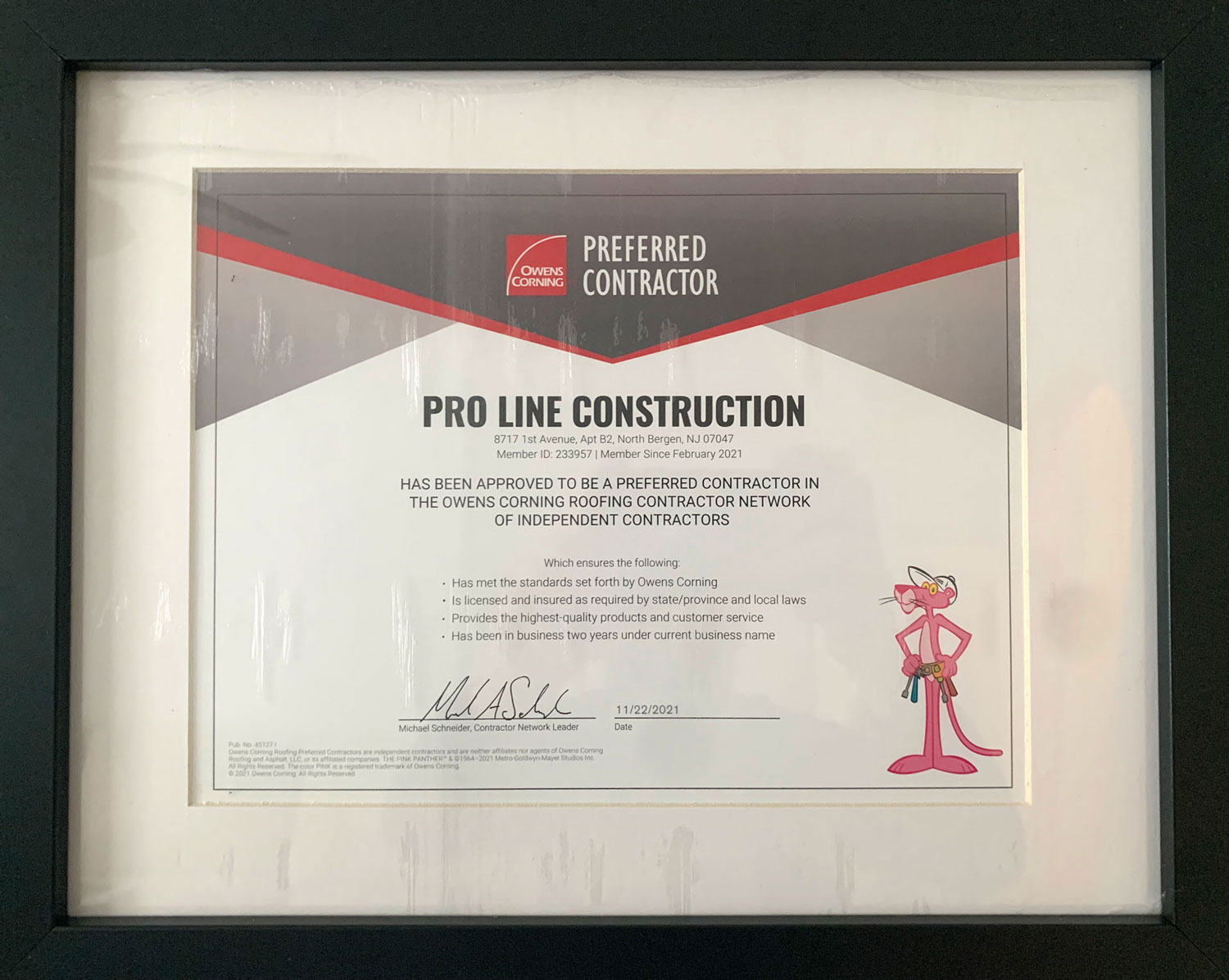
We’re licensed, insured, and we don’t hide behind vague estimates. You’ll get a clear explanation of what’s wrong, what it’ll take to fix it, and what it costs before any work starts. No upselling. No scare tactics.
Most of our work comes from referrals, which tells you something. People don’t recommend contractors they had to chase down or who left problems half-fixed.

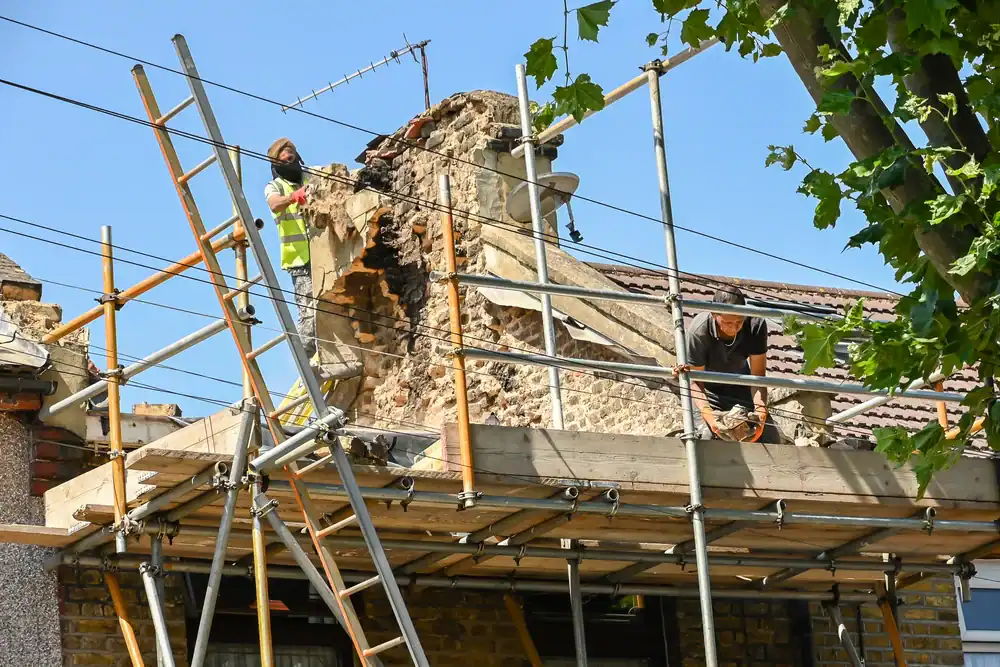
First, we come out and actually look at your chimney. Not from the ground—we get up there. We check the crown, the flashing, the mortar joints, the liner if we can access it. We’re looking for cracks, gaps, water intrusion points, and anything that’s going to cause you a problem now or six months from now.
Then we walk you through what we found. If it’s a simple fix, we’ll tell you. If it’s something that needs more attention, we’ll explain why and show you what we’re seeing. You’ll get a written estimate that breaks down materials and labor, and we’ll answer whatever questions you have.
Once you’re ready to move forward, we schedule the work and show up when we say we will. Depending on what’s needed—chimney crown repair, flashing replacement, repointing brick, or a full rebuild—the timeline varies. Small repairs might take a day. Larger jobs might take a few. We clean up when we’re done, and we don’t leave until the work’s complete and you’ve had a chance to walk through it with us.

Ready to get started?
Chimney repair in Watsessing usually involves one or more of these: repointing deteriorated mortar joints, replacing or repairing chimney flashing where the roof meets the stack, rebuilding or patching the chimney crown, sealing cracks in the brick or stone, and addressing water damage before it spreads into your attic or walls.
Watsessing’s housing stock skews older, which means a lot of chimneys here weren’t built with the same waterproofing standards we use today. Add in New Jersey’s wet winters and freeze-thaw cycles, and you’ve got the perfect recipe for cracked masonry and failing mortar. We see it constantly—chimneys that look fine from the street but are leaking water or losing structural integrity where you can’t see it.
We use high-quality masonry materials that are designed to handle moisture and temperature swings. If your chimney needs a liner repair or replacement, we’ll discuss options that meet current safety codes. If the flashing is shot, we’re replacing it with materials that’ll actually last. And if the crown is crumbling, we’re rebuilding it so water stops pooling on top and working its way down into the brick.
You’re also getting a contractor who shows up on time, communicates clearly, and doesn’t disappear after the check clears. We’ve built our reputation here by doing what we say we’re going to do.

If you’re seeing white staining on the brick (efflorescence), crumbling mortar, pieces of your chimney crown flaking off, or water stains on the ceiling near the chimney, something’s wrong. Those are the visible signs.
But plenty of damage happens where you can’t see it. Cracks in the flue liner, gaps in the flashing, or a deteriorating crown can all be doing damage without obvious symptoms—until you get smoke in the house or a leak during a rainstorm. That’s why a real inspection matters, not just a visual check from the driveway.
If your chimney hasn’t been inspected in a few years and you use your fireplace regularly, it’s worth having someone who knows what to look for take a closer look. Most serious problems start small and cheap to fix. They only get expensive when they’re ignored.
A chimney sweep cleans out creosote, ash, and blockages so your chimney drafts properly and doesn’t become a fire hazard. That’s important, and you should have it done regularly if you burn wood.
But a sweep isn’t necessarily a mason or a contractor. If they find cracks, water damage, or structural issues during a cleaning, they’ll usually refer you to someone like us who actually does the repair work. We handle the brick, the mortar, the crown, the flashing—the stuff that requires masonry skills and construction knowledge.
Some companies do both. We focus on the repair and restoration side because that’s where our expertise is. If you need a cleaning and you need repairs, we can coordinate or recommend someone reliable for the cleaning portion. But if your chimney’s falling apart, that’s our lane.
It depends entirely on what’s broken. Repointing mortar joints might run a few hundred dollars if it’s a small section. Replacing chimney flashing typically falls between $300 and $1,200 depending on the size and complexity. A chimney crown repair can range from $400 for a patch job to $1,500 or more for a full rebuild.
If you’re dealing with a chimney that needs a liner replacement, structural reinforcement, or a partial rebuild, you’re looking at a bigger investment—sometimes several thousand dollars. But that’s also the kind of work that prevents a total collapse or a house fire, so it’s not optional.
We give you a detailed estimate before we start, and we don’t add surprise charges later. If something changes once we’re into the work, we talk to you first. The goal is for you to know exactly what you’re paying for and why.
You can patch surface cracks with mortar or sealant from the hardware store, and sometimes that’s fine for minor cosmetic stuff. But if the crack is structural, or if water’s already getting in, a DIY patch usually just hides the problem for a few months until it comes back worse.
Chimneys deal with extreme temperature changes, constant moisture exposure, and in the case of active fireplaces, heat and combustion byproducts. The materials and techniques matter. If the mortar mix isn’t right, it won’t bond properly. If the flashing isn’t installed correctly, water’s still getting in. If the crown isn’t sloped and sealed the right way, it’s going to crack again.
We’ve repaired plenty of chimneys where someone tried a DIY fix first, and it either didn’t hold or made the real problem harder to address. If you’re not sure whether it’s something you can handle, it’s worth getting an opinion before you spend time and money on something that won’t last.
Small jobs—repointing a section of brick, patching a crown, replacing flashing—usually take a day, maybe two if weather’s a factor. Larger projects like rebuilding a chimney from the roofline up or doing a full restoration can take a week or more depending on the scope.
We’re not going to drag the job out, but we’re also not going to rush through it and leave you with subpar work. Mortar needs time to cure. Flashing needs to be installed carefully. If we’re working on your roof, we’re making sure everything’s sealed and watertight before we leave.
You’ll know the timeline upfront when we give you the estimate, and if anything changes, we’ll let you know right away. Most of our clients are surprised by how quickly we move once we’re on site—we just don’t skip steps to get there.
It depends on the scope of work. Minor repairs like repointing or patching usually don’t require a permit. But if you’re doing a significant rebuild, structural work, or anything that involves altering the chimney’s height or footprint, Watsessing may require a permit.
We handle that process if it’s needed. We’ll let you know during the estimate if permits are required for your specific project, and we’ll pull them and make sure the work meets local building codes. You don’t have to worry about navigating that yourself.
The last thing you want is to have work done that doesn’t pass inspection or causes issues down the road when you go to sell your home. We make sure everything’s done by the book so you’re covered.
Other Services we provide in Watsessing