
You stop worrying every time it rains. Water damage quits spreading through your walls. That smoky smell disappears when you light a fire.
Your fireplace becomes something you actually use instead of avoid. No more wondering if that crack is dangerous or if you’re breathing something you shouldn’t be. The freeze-thaw cycle that destroys chimneys every winter in West Caldwell stops doing damage because the brick and mortar are sealed properly.
Here’s what most homeowners don’t realize: chimney problems don’t announce themselves. You won’t see carbon monoxide. You won’t notice creosote building up until there’s a fire. By the time water stains show up on your ceiling, the damage inside your chimney has been happening for months.
A working chimney means your heating system vents correctly. Your home stays warm without backdrafts. You’re not losing heat—or money—through gaps and cracks. And if you ever sell, you’re not scrambling to fix something that should’ve been handled years ago.
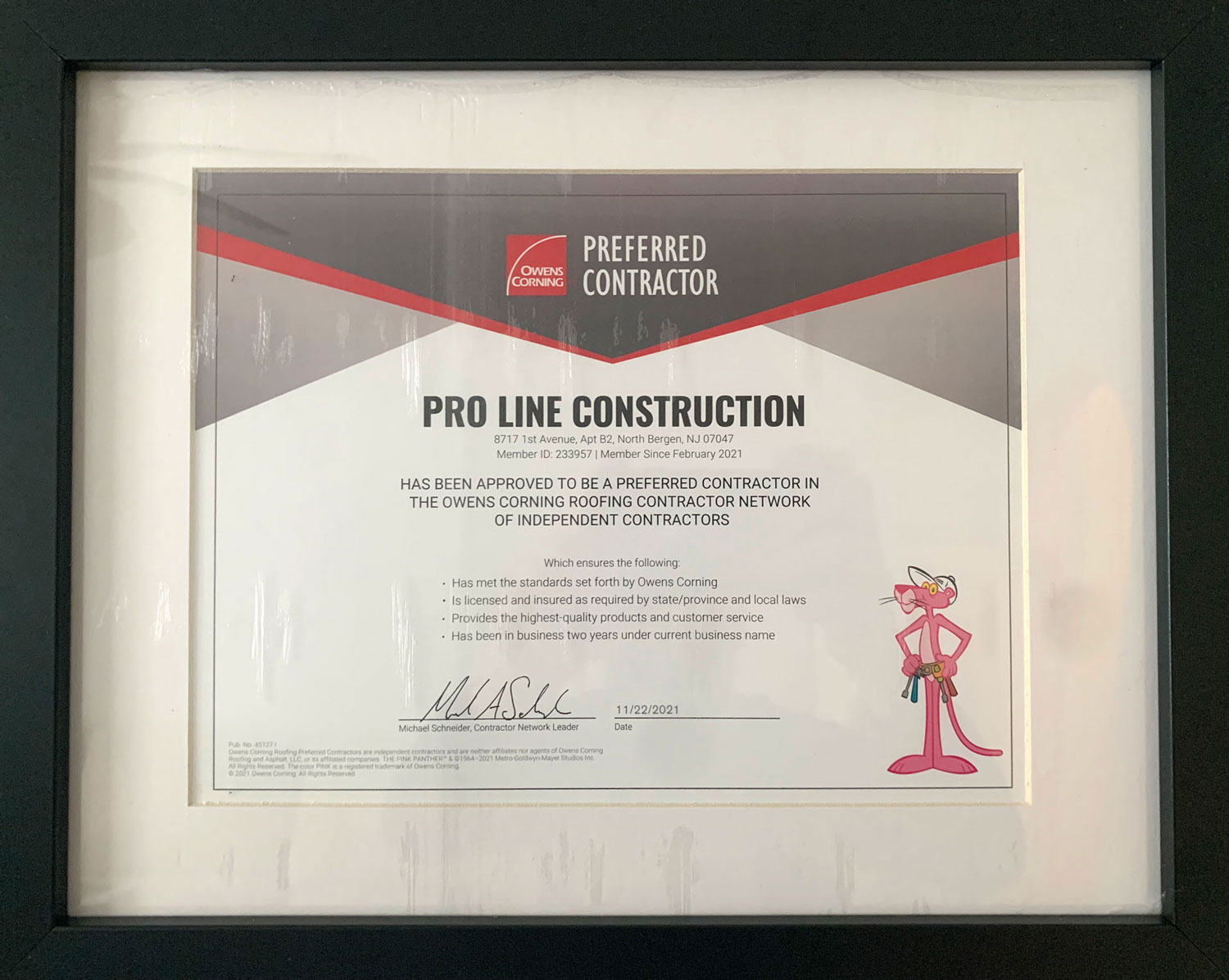
We’ve worked on chimneys across Essex County since the early 2000s. We’re CSIA certified, fully insured, and we’ve seen what happens when chimney work gets done cheap or wrong.
West Caldwell homes deal with specific weather patterns—freeze-thaw cycles that crack mortar, heavy rain that finds every weak point, and humidity that accelerates deterioration. We know how chimneys fail here because we’ve repaired hundreds of them.
You’re not getting a national franchise or a crew that’s never worked in New Jersey. You’re getting local contractors who understand brick chimneys, masonry repair, and what it takes to make fixes last through another twenty winters.

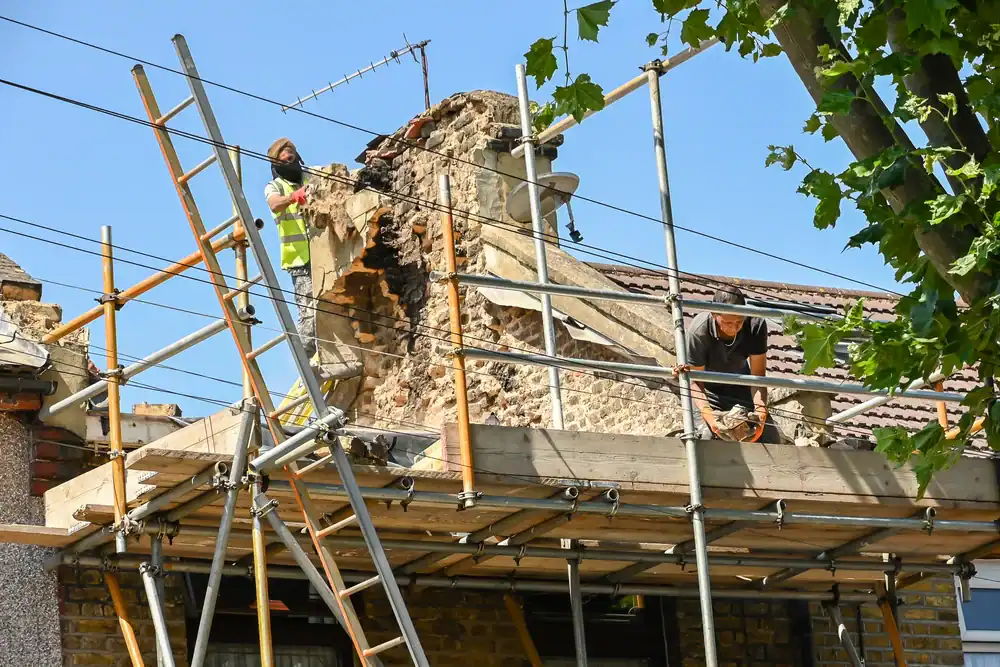
First, we inspect the entire chimney—inside and out. That means checking the crown, flashing, mortar joints, flue liner, damper, and firebox. We’re looking for cracks, water damage, creosote buildup, and structural issues you can’t see from the ground.
Then we explain what’s wrong in plain terms. No scare tactics. If it’s a minor repair, we tell you. If it’s serious, we show you why and what happens if you wait.
Once you approve the work, we handle the repair with the right materials—not whatever’s cheapest. Brick chimney repair gets done with matching mortar. Chimney leak fixing includes proper flashing and crown sealing. If your fireplace needs work, we address the firebox, damper, and ventilation.
The job gets finished on the timeline we give you. We clean up completely. And if you need chimney installation or a full rebuild, we walk you through that process too—but only if it’s actually necessary.
Before we leave, we make sure everything’s sealed, structurally sound, and ready for the next storm or fire season. You’ll know exactly what we did and why it matters.

Ready to get started?
Chimney repair covers more than most people think. We handle brick and mortar restoration, chimney crown repair, flashing replacement, chimney leak fixing, flue liner repair or replacement, damper repair, firebox rebuilding, and full chimney rebuilds when needed.
In West Caldwell, water intrusion is the biggest threat to chimneys. Rain gets into cracks, freezes, expands, and makes those cracks worse every winter. We stop that cycle by sealing the crown, replacing damaged flashing, and repointing mortar joints before they fail completely.
If you’re dealing with a fireplace that smokes back into the room, that’s usually a draft or damper issue—not something you fix with more logs. We’ll diagnose the real cause and fix it so your fireplace actually works the way it should.
Chimney installation is also part of what we do, whether you’re adding a new fireplace, replacing an old chimney, or installing a liner for a new heating system. New Jersey requires chimney certification when you replace furnaces or water heaters, and we handle that process from start to finish.

Most chimney repairs in West Caldwell range from $500 to $3,000 depending on what’s damaged and how extensive the work is. Minor mortar repairs or flashing replacement sit on the lower end. Full chimney rebuilds or liner replacements cost more.
Water damage repair depends on how long the problem’s been happening. If we catch it early—before it spreads to the interior walls—the cost stays manageable. Wait too long and you’re paying for chimney work plus interior repairs.
Here’s the thing: emergency repairs cost more than scheduled ones. If you call in December because your chimney’s leaking during a snowstorm, expect to pay a premium. Spring and summer are slower seasons, which usually means better availability and sometimes lower costs. Chimney repair costs are rising in 2025, so putting it off doesn’t save money—it just gives the damage more time to get worse.
Cleaning removes creosote and debris from inside the flue. Repair fixes structural damage to the chimney itself. You might need one, both, or neither depending on your chimney’s condition.
Signs you need repair: visible cracks in the brick or mortar, water stains on walls or ceilings near the chimney, pieces of brick or mortar in the fireplace, a damaged or missing chimney crown, rust on the damper or firebox, or white staining on the exterior brick (that’s efflorescence, which means water’s getting in).
Signs you need cleaning: it’s been more than a year since your last cleaning, you burn wood regularly, there’s a strong odor coming from the fireplace even when it’s not in use, or you see black buildup inside the firebox. The Chimney Safety Institute of America recommends annual inspections, which catch both cleaning needs and repair issues before they become expensive problems.
If you’re not sure, get an inspection. We’ll tell you what’s actually needed—not what makes us the most money.
Yes. Chimney repairs can and should be done in winter if there’s a safety issue or active leak. We don’t shut down just because it’s cold.
That said, some repairs are easier in warmer weather. Mortar cures better above 40 degrees, so if we’re doing extensive repointing or masonry work, we might recommend waiting for spring unless the damage is urgent. But chimney leak fixing, flashing repair, crown sealing, and interior work can all happen year-round.
Here’s why winter repairs matter: if your chimney’s leaking or drafting poorly, every day you wait is another day of potential carbon monoxide exposure, water damage, or fire risk. Chimneys don’t take breaks during heating season, and neither do the problems that come with them. If something’s wrong and you’re actively using your fireplace or heating system, get it fixed now—not in six months when the weather’s nicer and the problem’s worse.
Chimney leaks usually come from four places: a cracked chimney crown, damaged flashing where the chimney meets the roof, deteriorated mortar joints, or a missing or damaged chimney cap. Sometimes it’s more than one.
The crown is the concrete top of your chimney. It’s supposed to shed water away from the flue. When it cracks—which happens constantly in New Jersey due to freeze-thaw cycles—water pours straight down into the chimney structure. We repair or rebuild the crown and seal it properly so water runs off instead of in.
Flashing is the metal barrier between your roof and chimney. If it’s installed wrong, rusted through, or pulled away from the chimney, water flows right into your home. We remove old flashing, install new material, and seal it correctly so it actually does its job.
Mortar joints deteriorate over time, especially on chimneys that face prevailing winds and rain. Water seeps into those gaps and spreads through the brick. We repoint the joints—removing old mortar and replacing it with new—so the chimney’s watertight again. Chimney leak fixing isn’t complicated, but it has to be done right or the leak just comes back.
Once a year, ideally in late summer or early fall before you start using your fireplace or heating system. That’s the recommendation from the Chimney Safety Institute of America, and it’s based on safety data, not upselling.
Annual inspections catch problems early when they’re cheap to fix. A small crack in the crown costs a few hundred dollars to seal. Ignore it for three years and you’re looking at water damage, interior repairs, and possibly a full crown rebuild.
If you use your fireplace regularly—more than 50 fires a year—you might need more frequent inspections. Wood burning creates creosote, which is flammable and builds up fast. Even if the chimney structure looks fine, creosote buildup alone is a fire hazard.
New Jersey also requires chimney inspections when you replace a furnace or water heater. If your heating system vents through the chimney and you’re upgrading equipment, the chimney needs to be certified as safe and properly sized for the new system. We handle those inspections and any repairs needed to bring the chimney up to code.
We handle both. Chimney repair and chimney cleaning often go hand in hand because you can’t properly inspect a chimney until it’s clean, and you can’t safely clean a chimney that’s structurally damaged.
When we sweep a chimney, we’re removing creosote, soot, blockages, and debris from the flue. That’s a safety issue—creosote is highly flammable and causes thousands of chimney fires every year in the U.S. Cleaning also improves draft, reduces smoke, and makes your fireplace more efficient.
If we find damage during a cleaning—cracks, deteriorated mortar, a damaged liner—we’ll let you know what needs repair and why. Some chimney sweep companies near me only clean. We’re a full-service masonry company, so if something’s broken, we fix it on the spot or schedule the repair without you needing to call someone else.
Whether you need a one-time cleaning, annual maintenance, or a full chimney rebuild, we handle it. We’re CSIA certified, fully insured, and we’ve been doing this in Essex County long enough to know what works and what doesn’t.
Other Services we provide in West Caldwell