
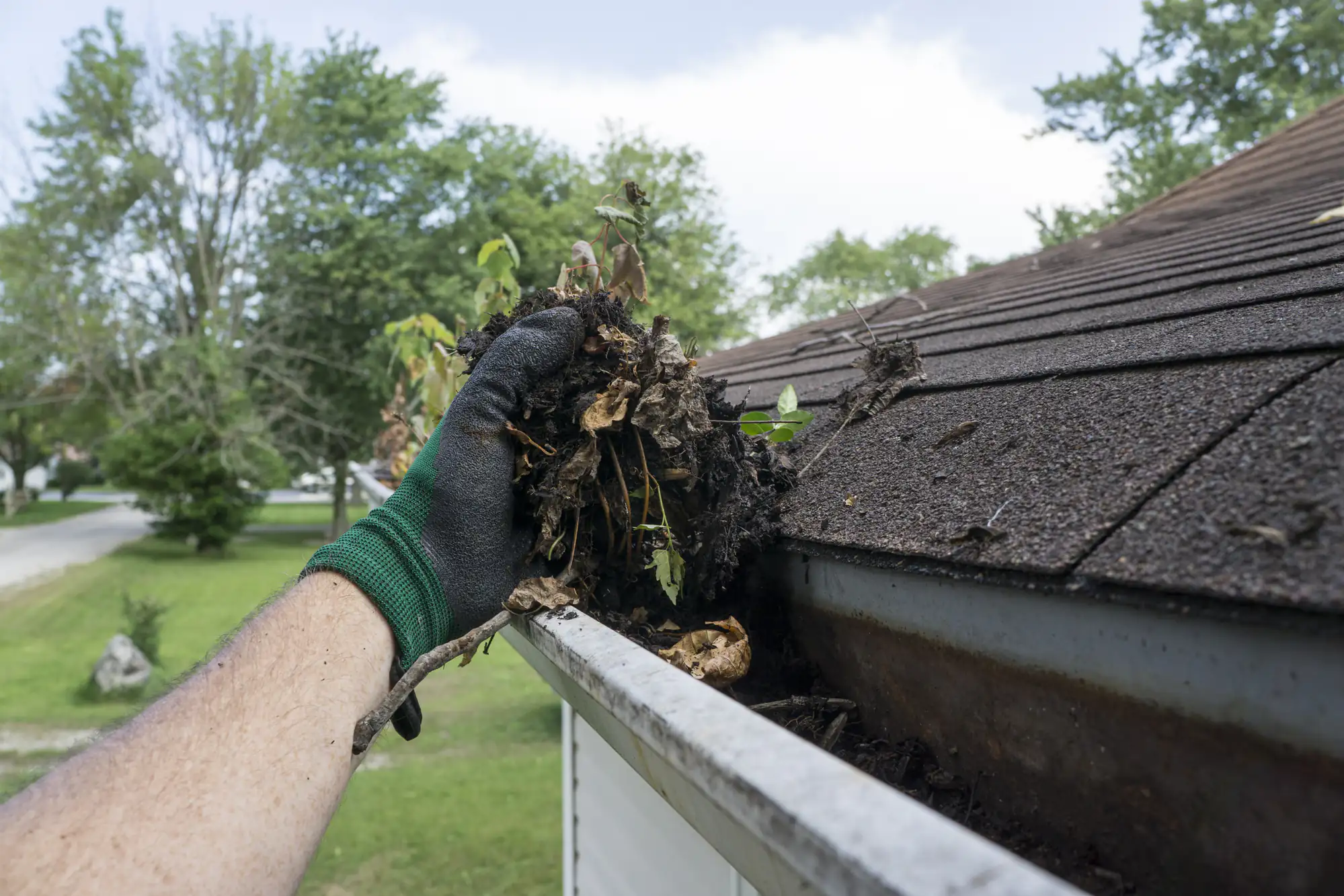
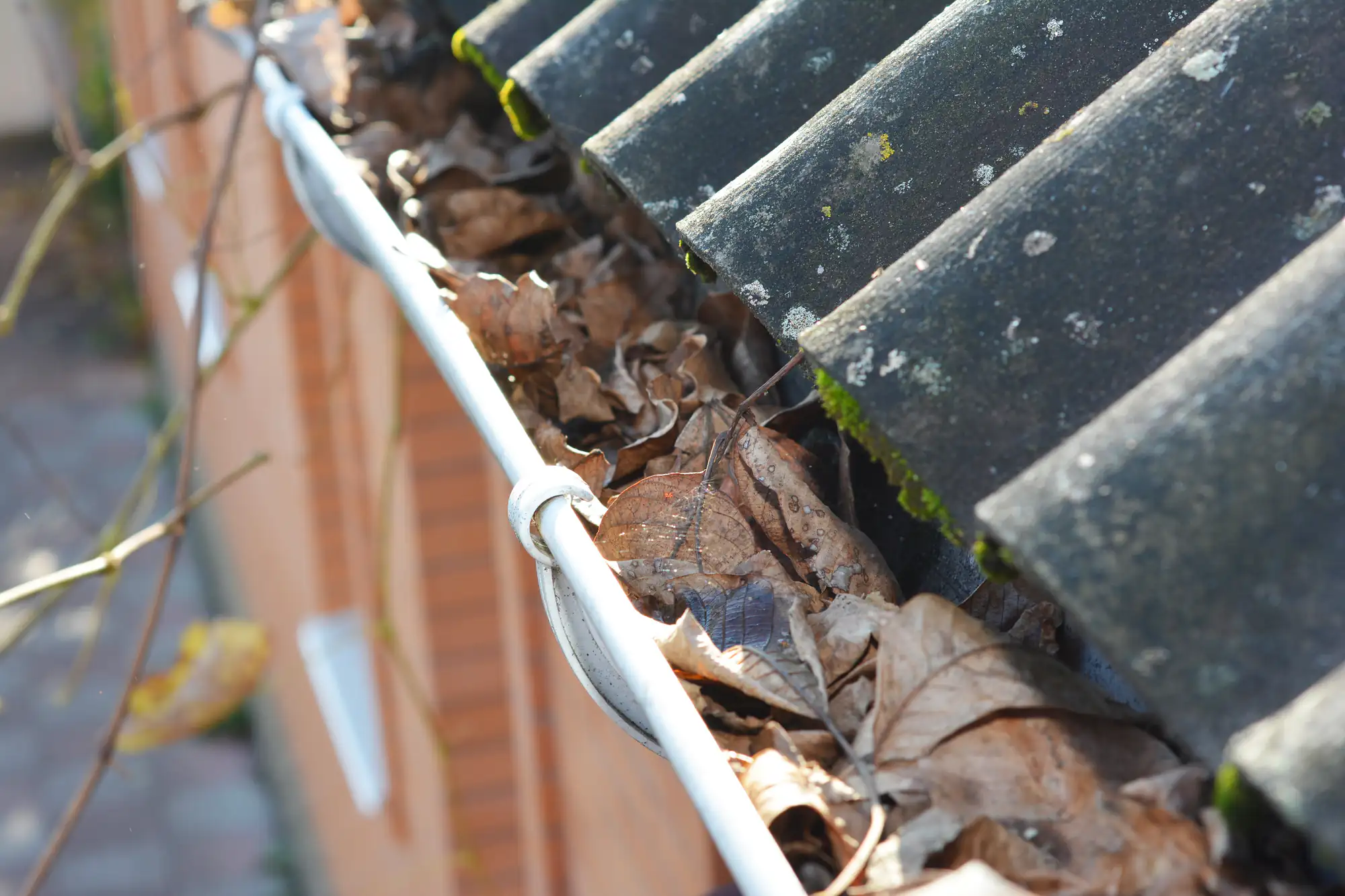
Parsippany-Troy Hills Township is specifically noted for having more trees than most areas in the country. That’s not a general observation it’s a real, documented characteristic of this area, and Lake Hiawatha’s older residential streets bear the full weight of it every fall. When those oaks and maples drop, they don’t drop gradually. A single storm in late October can pack a full trough of wet leaves in a matter of hours, and once that trough is blocked, water has nowhere to go but over the edge and straight down toward your foundation.
For homes in Lake Hiawatha most of which were built in the 1950s and 1960s when summer cabins were converted into year-round residences that’s not a minor inconvenience. These are homes with aging fascia boards, older downspout brackets, and drainage systems that have been through six decades of Morris County winters. A gutter that overflows season after season isn’t just cosmetically annoying. It saturates soil near your foundation, works its way into basement walls, and creates the kind of slow water damage that doesn’t show up until it’s already expensive.
The Sandalwood Drive area in Lake Hiawatha has been the subject of a formal township flood study. River Drive residents have petitioned for an extended flood wall along the Rockaway River. This community already knows what happens when water doesn’t drain properly. Clean gutters won’t solve a neighborhood-wide stormwater problem, but they will make sure your home isn’t adding to it and that the water hitting your roof is making it all the way to the ground without taking a detour through your walls.
Proline Construction is a family-owned general contracting company that has been serving northern New Jersey since 2018. We’re BBB accredited, hold GAF preferred contractor status, and back every job with a full warranty. More importantly, we show up when we say we will which, in the home services world, is rarer than it should be. Our reviews say it consistently: punctual, communicative, honest, and thorough.
What makes us different for Lake Hiawatha homeowners specifically is that we’re not a gutter-only company. When we clean gutters on a 1960s home near Chief Hiawatha Park or along the Beverwyck Road corridor and spot rotted fascia behind a bracket, a separated seam, or a downspout pulling away from the wall, we can address it on the same visit. No second contractor. No second scheduling window. One crew that understands the full exterior system.
We carry full general liability and workers’ compensation insurance on every job and will provide a Certificate of Insurance before work begins. That protects you not just us.
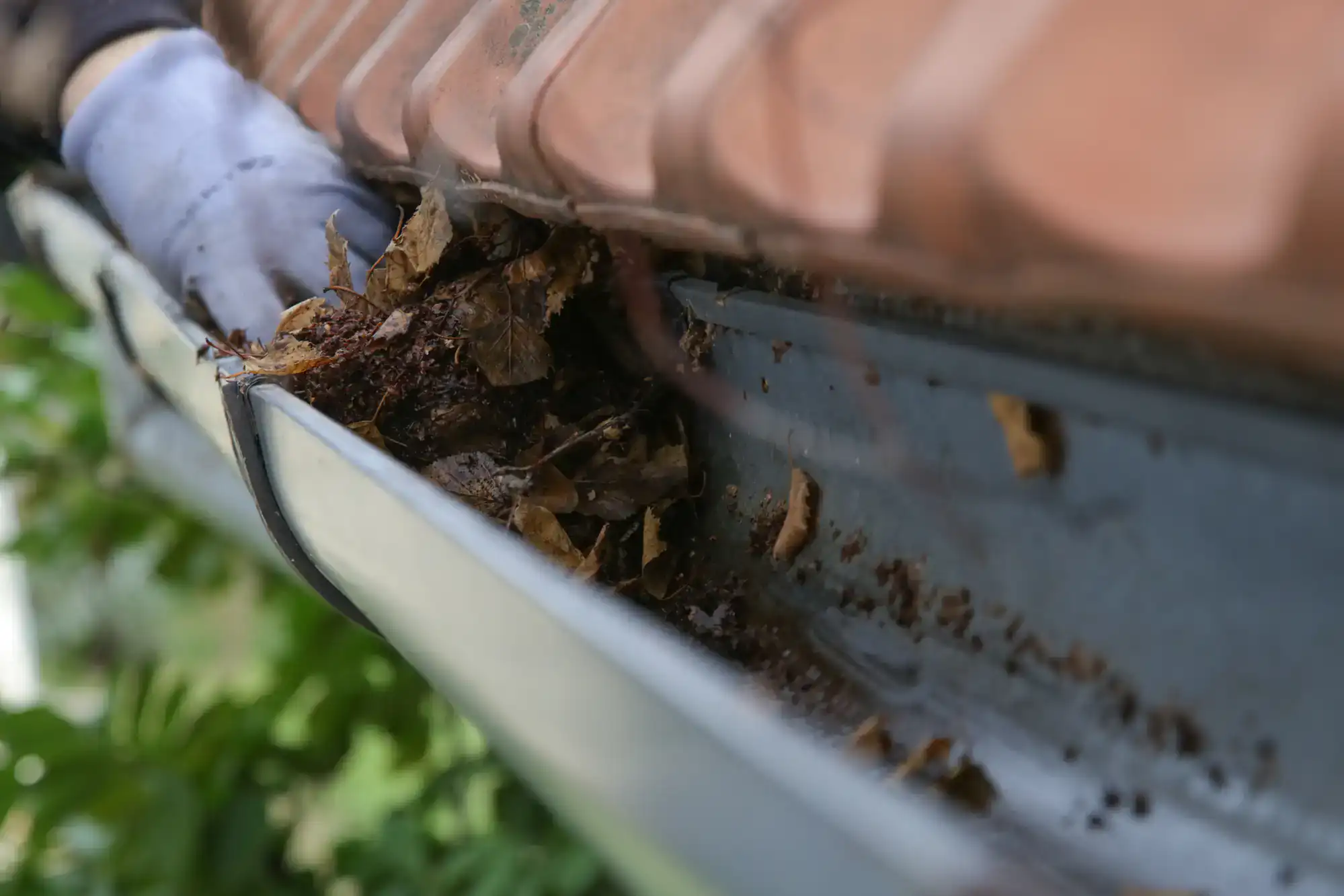
It starts with a quick assessment of your gutters and roofline before anyone touches anything. For homes in Lake Hiawatha particularly the older housing stock near the swim club and park that initial look matters. Older homes can have gutters with corroded hangers, soft fascia behind the bracket, or downspout connections that have shifted over time. Knowing what’s there before the cleaning starts means nothing gets missed and nothing gets made worse.
From there, our crew clears all debris from the troughs leaves, seed pods, compacted sediment, and whatever else has accumulated since the last cleaning. In Lake Hiawatha, that typically means heavy oak and maple leaf loads in the fall, plus maple helicopters and pollen debris in the spring. Both seasons matter here. After the troughs are cleared, every downspout gets flushed individually to confirm water is actually flowing freely from the roofline to the ground. This step is where most budget cleaners cut corners, and it’s the step that determines whether your gutters actually work the next time it rains.
If anything is found during the process a loose hanger, a crack in a seam, early signs of fascia softening you’ll hear about it before the crew leaves. No pressure, no upsell. Just an honest report on what was found. Gutter cleaning doesn’t require a permit in New Jersey, but any associated repair work falls under NJ Home Improvement Contractor licensing requirements, and we’re fully credentialed to handle it.
Ready to get started?
Request a callback

Every gutter cleaning visit from us covers the full scope of what actually needs to happen for your gutters to work. That means clearing all debris from the troughs, flushing every downspout to confirm free flow, checking hangers and brackets for stability, and doing a visual inspection of the fascia and roofline for anything that warrants attention. You get a verbal report on anything found before the crew leaves your property, and cleanup is part of the job debris doesn’t end up in your landscaping beds or across your lawn.
For Lake Hiawatha homeowners, twice-yearly cleaning is the standard recommendation once in late November after peak leaf drop, and once in the spring after pollen season and maple seed drop have run their course. Homes near pine stands in the broader Parsippany-Troy Hills area may need more frequent attention due to year-round needle shedding. If your home is in one of the neighborhoods closer to the Rockaway River corridor, where stormwater drainage is already under pressure, keeping your gutters clear isn’t optional maintenance it’s active flood prevention.
Because we’re a full-service exterior contractor, the cleaning visit can also serve as a practical inspection of your roofline, chimney, siding, and masonry. If there’s something worth knowing about, you’ll find out. If there’s something that needs fixing, it can often be handled the same day. That’s the practical advantage of working with a contractor who does more than one thing.
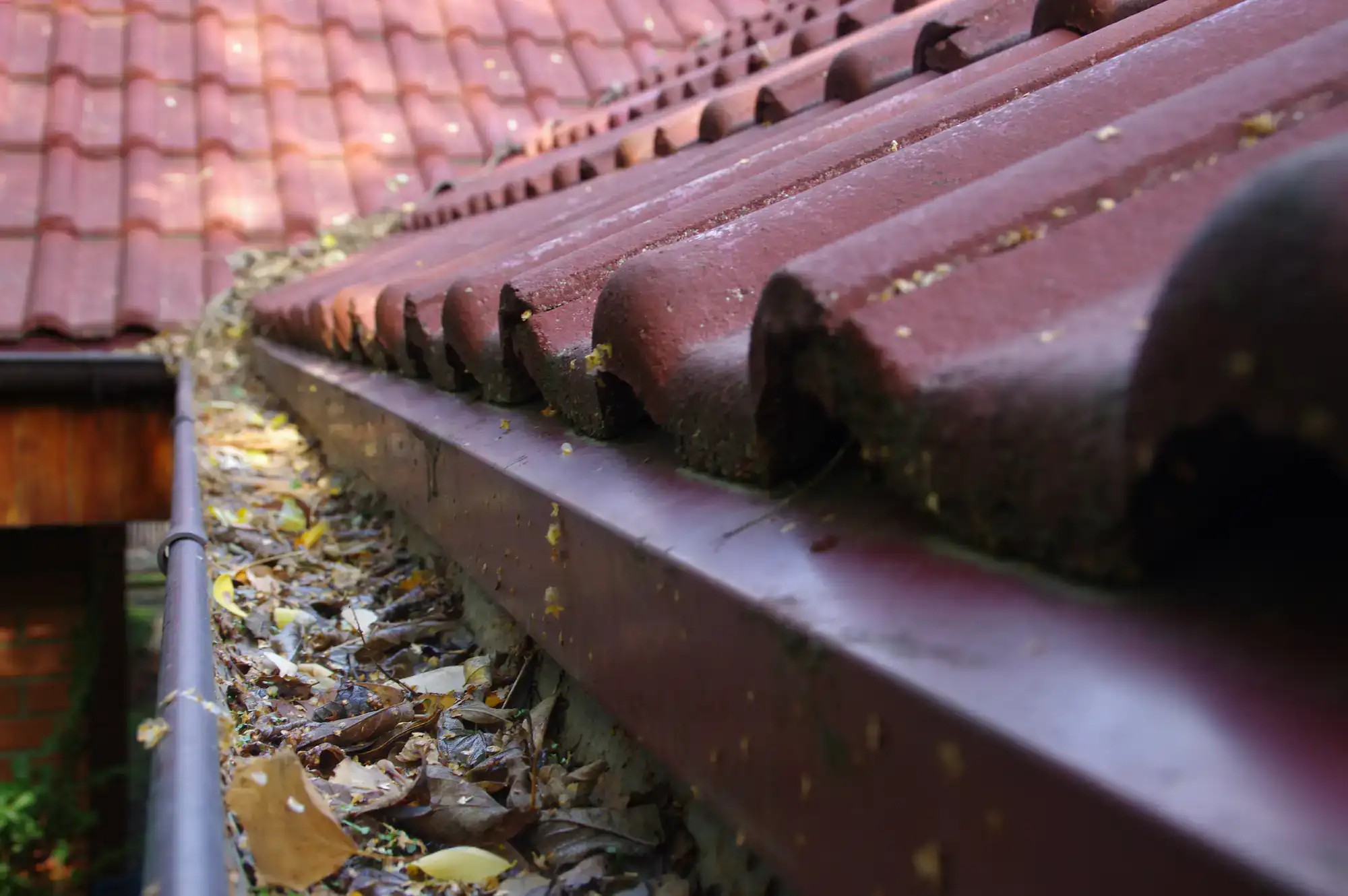
For most Lake Hiawatha homeowners, twice a year is the right baseline once in late fall and once in the spring. The late November window is the most critical. Parsippany-Troy Hills Township has one of the densest tree canopies in New Jersey, and the oaks and maples along Lake Hiawatha’s residential streets shed heavily and fast once temperatures drop. Waiting until December means you’re often cleaning gutters that have already been sitting with wet, compacted leaves through the first freeze-thaw cycle, which puts more stress on older brackets and seams.
Spring cleaning matters too. Maple seed pods and pollen debris accumulate over winter and early spring, and Morris County’s storm season picks up in April and May. If your gutters are partially blocked heading into that window, the first heavy rain will show you quickly. Homes near pine trees anywhere in the Parsippany area may need a third cleaning mid-year due to year-round needle drop it’s worth asking about during your fall visit.
The most common reason is a blocked downspout that never got flushed. A lot of gutter cleaning services including some of the franchise operators that service the Lake Hiawatha area scoop visible debris from the trough and call it done. But if the downspout itself has a compacted clog, water still can’t drain, and you’ll see overflow at the first real rainstorm. The trough looks clean. The problem is underground, or midway down the pipe.
The other common culprit is a gutter that’s lost its pitch. Gutters are installed at a slight angle so water flows toward the downspout. Over time especially on homes built in the 1950s and 1960s like most of Lake Hiawatha’s housing stock hangers loosen, brackets shift, and sections of gutter go flat or even slope backward. Water pools, debris accumulates faster, and overflow follows. A thorough cleaning visit should include a check for pitch issues, not just debris removal. If you’ve had your gutters “cleaned” before and still see overflow, the downspout or the pitch is almost always where the answer is.
Yes and in Lake Hiawatha specifically, the risk is higher than in many other communities. The Sandalwood Drive area has been the subject of a formal township-commissioned flood engineering study after severe flooding events overwhelmed the local stormwater infrastructure. River Drive residents have formally petitioned for an extended flood wall along the Rockaway River. This is a community that already manages significant stormwater pressure during high-intensity storms.
When gutters overflow, water doesn’t just run off your roof it concentrates at the base of your foundation walls. On a home where the soil near the foundation is already near saturation from a heavy rain event, that additional volume is often what pushes water through a crack or a wall joint into the basement. It’s not always a dramatic flood. Sometimes it’s a damp smell, a water stain on the lower wall, or efflorescence on the block. But the source is often the same: water that should have traveled through a downspout and away from the house instead pooled right where you don’t want it.
The national average for a water damage insurance claim tied to gutter neglect runs between $11,605 and $14,000. Professional gutter cleaning costs roughly $150 to $250 per visit in the northern New Jersey market. The math is not close, and it gets less close when you factor in the age of the homes in ZIP code 07034.
Most Lake Hiawatha homes were built in the 1950s and 1960s. The fascia boards behind the gutter brackets, the soffit, and the underlying wood structure have been through decades of freeze-thaw cycles and seasonal moisture. When a gutter stays clogged and water backs up repeatedly against that wood, rot sets in often invisibly, behind the bracket, where you can’t see it from the ground. By the time it’s visible, the repair cost is significantly higher than it would have been if caught early. A gutter cleaning visit is also an inspection of that aging infrastructure. Catching a soft fascia board before it fails costs a fraction of replacing it after water has worked its way into the wall behind it.
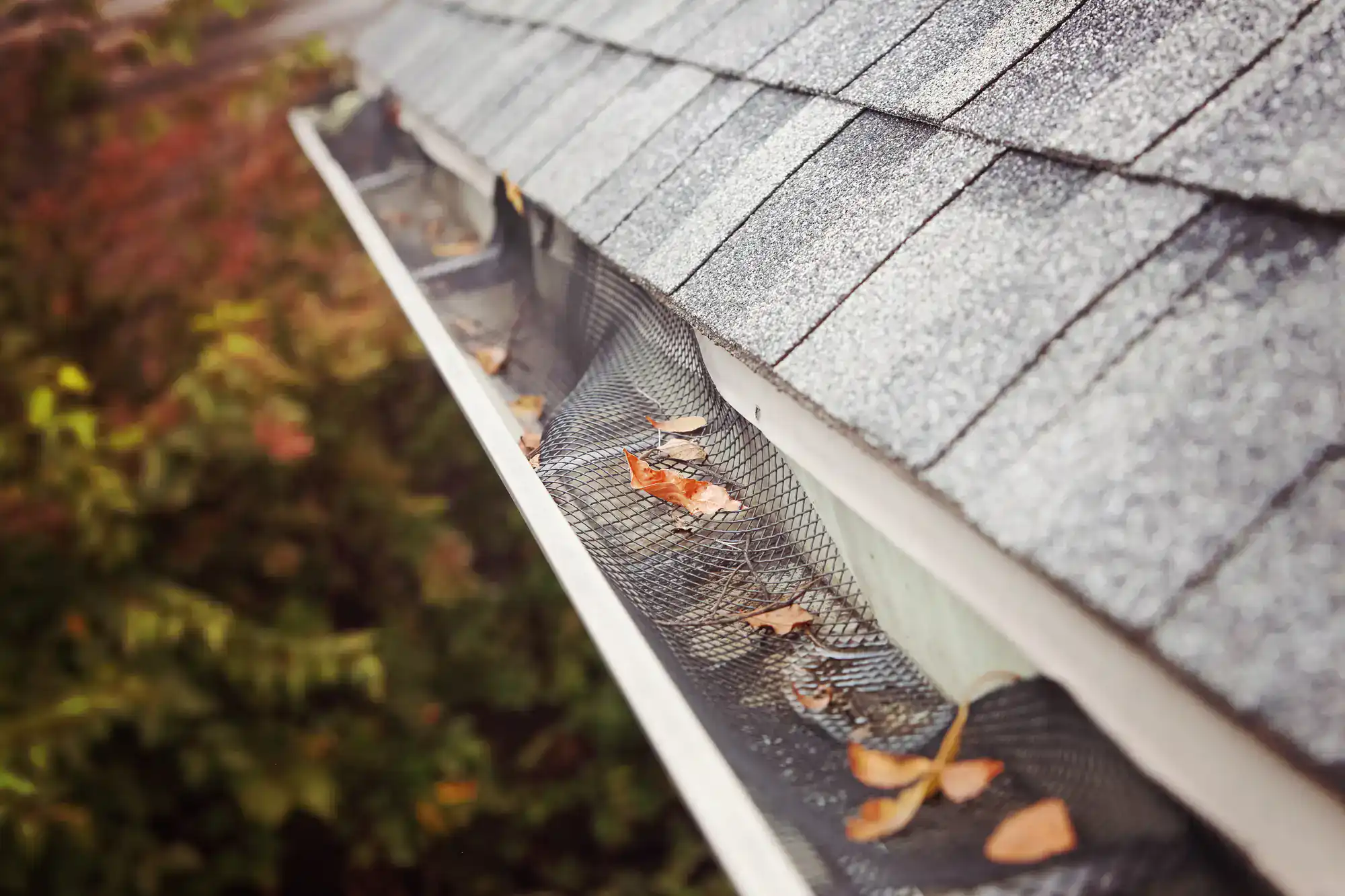
Gutter guards reduce how often you need to clean, but they don’t eliminate the need entirely and they don’t replace a cleaning that’s already overdue. If your gutters are currently clogged or partially blocked, installing guards over the top of existing debris doesn’t solve the problem. The cleaning has to happen first.
For Lake Hiawatha homeowners with heavy oak and maple canopy overhead, gutter guards can be a reasonable long-term investment, but the payoff depends on the type of guard and the tree coverage. Fine mesh guards handle leaf loads well but can clog with the fine particulate debris pollen, shingle grit, seed matter that accumulates in Morris County gutters over time. They still need periodic maintenance. The honest answer is that most homeowners in this area are better served by two professional cleanings per year than by a guard system that promises to eliminate maintenance entirely. If guards are something you’re genuinely considering, a Proline inspection visit is a good starting point we can tell you what the canopy coverage and debris load on your specific home actually looks like.
The clearest sign is water overflowing from the middle of a gutter run not from the end during a rainstorm. If water is sheeting over the front edge of the trough rather than exiting at the downspout, the downspout is likely blocked. Another sign is water pooling at the base of the downspout even during light rain, which can indicate a partial blockage that’s slowing flow without stopping it completely.
On older homes in Lake Hiawatha, downspout elbows and underground extensions are also worth checking. Many of the homes in this area were built with downspouts that connect to underground drainage pipes leading away from the foundation. Those underground sections can collapse, root-intrude, or simply fill with compacted sediment over decades. If your downspout sounds hollow when you knock on it during dry weather but you’re still seeing foundation-area pooling during rain, the underground section may be the issue not the downspout itself. A proper flush during a professional cleaning will confirm whether water is moving freely all the way through the system, which is the only way to know for certain.
Other Services we provide in Lake Hiawatha