
Living near New Jersey’s largest lake already means you’re in a high-moisture environment. When your gutters are clogged, that moisture has nowhere to go but down against your foundation, into your siding, and eventually into your basement. The connection between blocked gutters and water intrusion is direct, and in Lake Hopatcong, it’s more pronounced than in most northern NJ communities because the water table is already elevated near the shoreline.
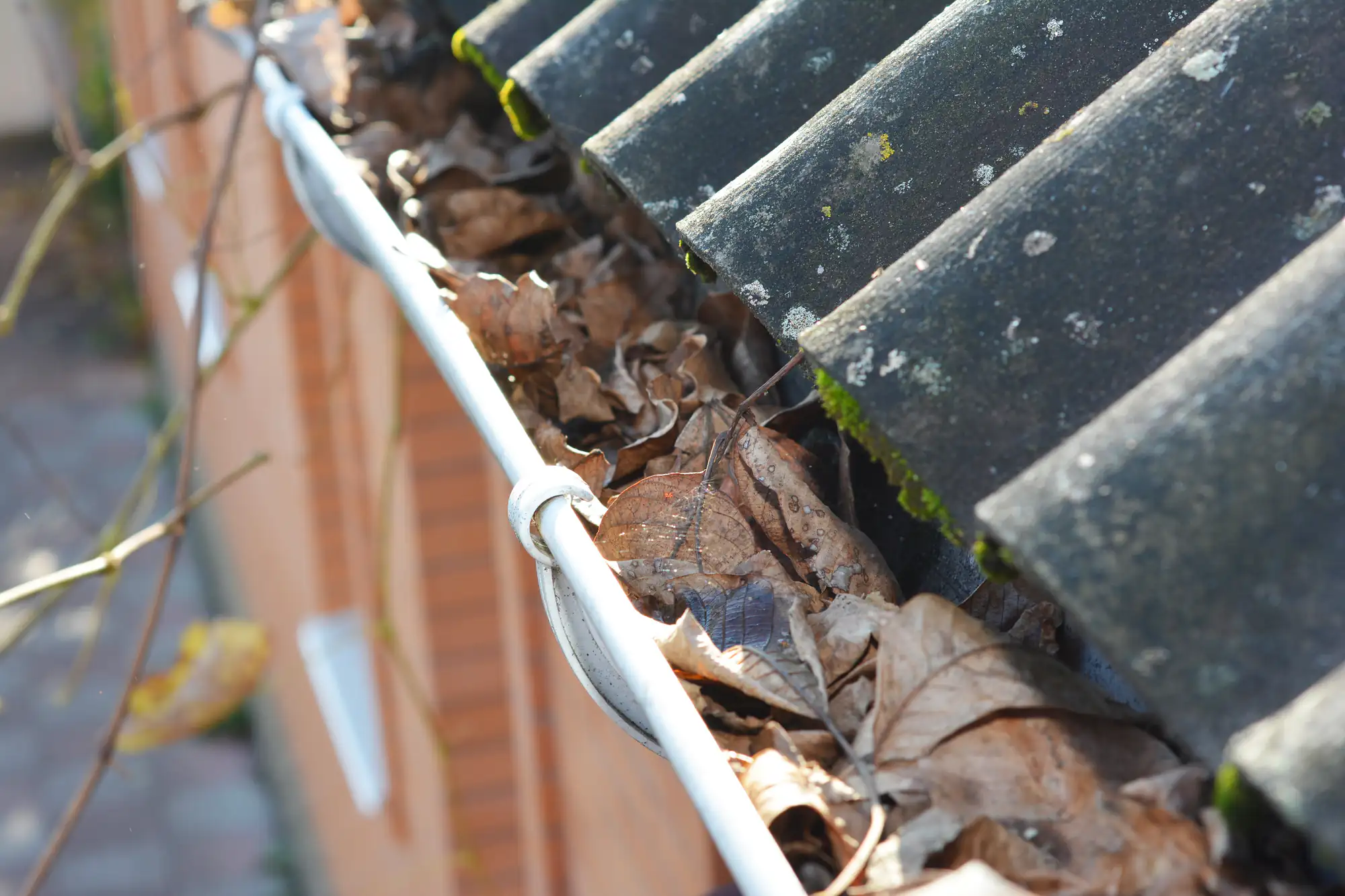
The wooded terrain around Espanong, Prospect Point, and the hillside streets above the lake means your gutters are dealing with oak leaves, maple seed pods, and pine needles sometimes all at once. That combination compacts fast and clogs downspouts before you even realize there’s a problem. By the time you notice overflow staining on your siding or a damp smell in your basement, the damage has usually already started.
Getting your gutters cleaned professionally twice a year, fall and spring keeps the drainage system doing its job. No overflow. No ice dams forming on your roofline when temperatures drop in the Highlands. No water pooling against a foundation that’s already dealing with lakeside soil saturation. It’s a straightforward investment that prevents the kind of repair bills that run well into five figures.
We’ve been serving homeowners across northern New Jersey since 2018. Proline Construction is family-owned and operated, BBB accredited, and a GAF Preferred Contractor credentials that exist because the work has to hold up, not just look good on a website.
Jefferson Township and the Lake Hopatcong area are part of our regular service territory. That matters because the homes here aren’t cookie-cutter suburban builds. Many of them started as seasonal cottages decades ago and were converted to year-round residences over time which means older gutter systems, more complex rooflines, and a greater chance that something has been quietly deteriorating behind the bracket or under the fascia.
When we show up, we show up on time, communicate clearly, and leave the property clean. If we find something during the cleaning that needs attention a rotting fascia board, a separated seam, a hanger pulling away from the wall we’ll tell you honestly what it is and what it would take to fix it. No pressure, no manufactured urgency. Just straight information so you can make the right call.
It starts with a straightforward conversation. You describe the property size, stories, access, any known issues and we give you a flat-rate price before anyone sets foot on a ladder. No vague estimates that balloon after the job. What we quote is what you pay.
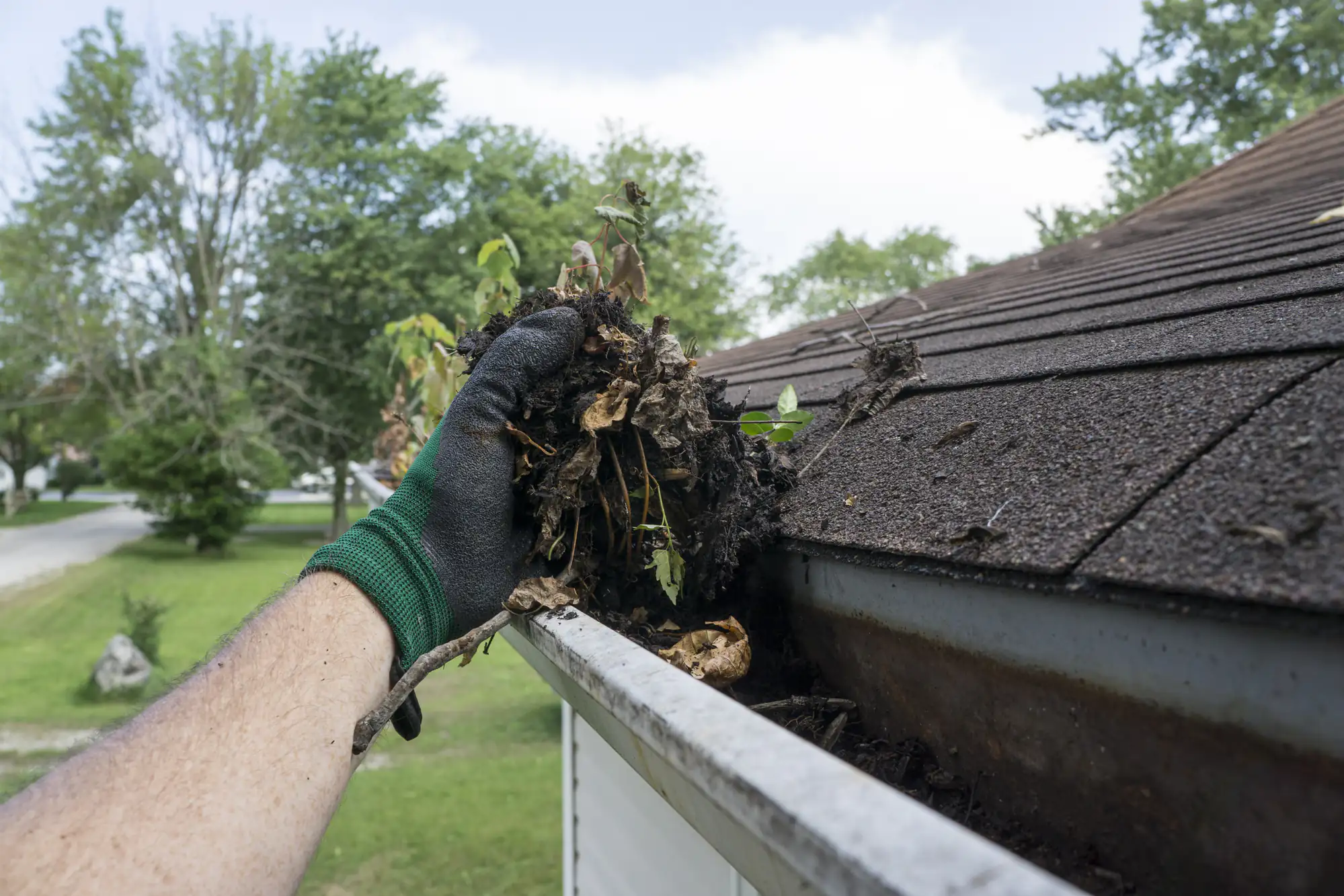
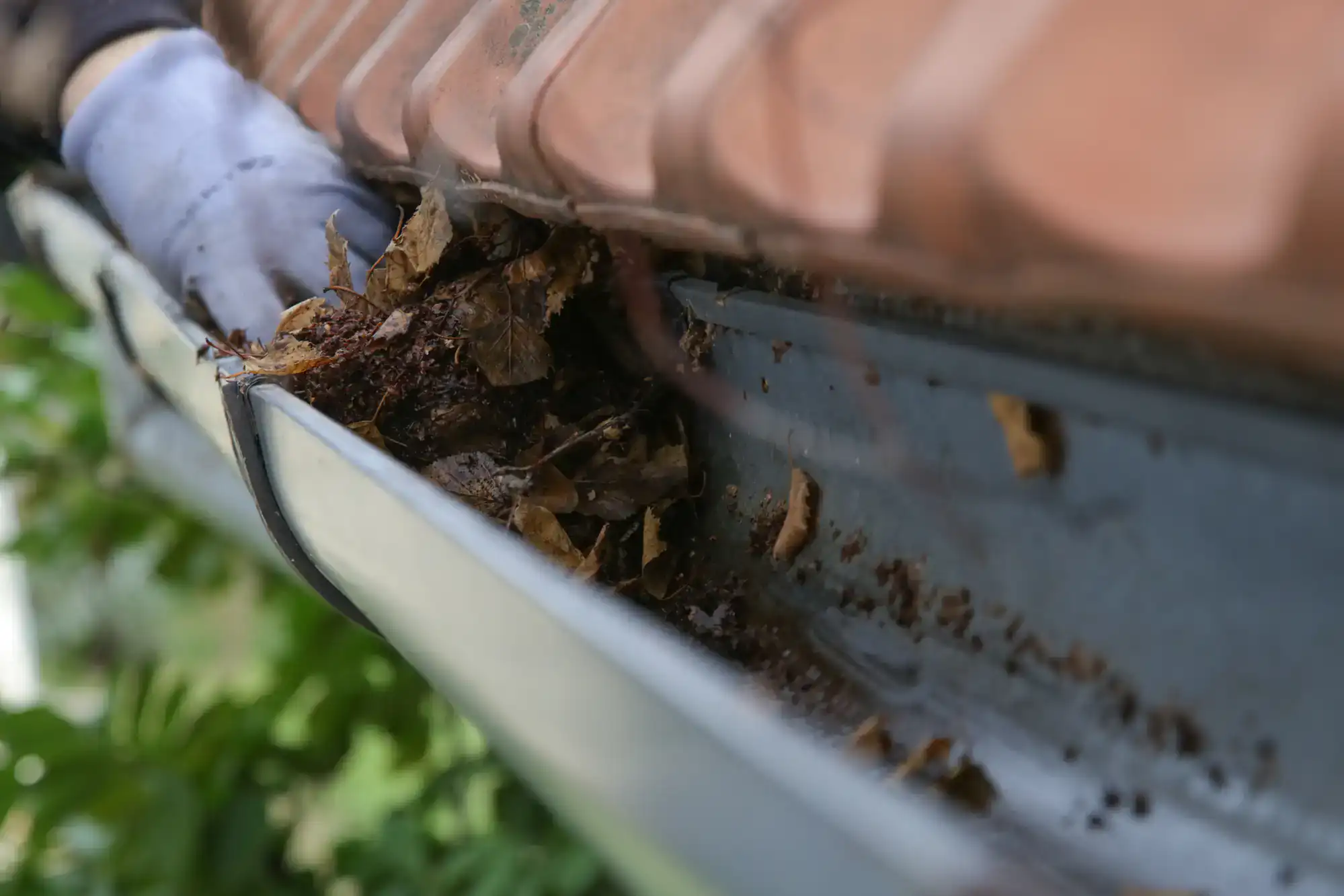
On the day of service, our crew inspects the full gutter system before touching anything. In Lake Hopatcong, that inspection matters more than it does in a flat suburban neighborhood. Hillside lots, multi-story converted cottages, and older bracket systems all present conditions that a good crew accounts for before they start. Once the assessment is done, we clear the troughs of all debris leaves, pine needles, compacted sediment, whatever the season brought and flush every downspout individually to confirm water is moving freely from the roofline all the way to the ground.
That downspout flush is where a lot of other cleaners cut corners. A clogged downspout is usually the reason gutters overflow even after a cleaning, and it’s the step that separates a real cleaning from a surface-level scoop job. After the flush, our crew does a post-cleaning walkthrough of the system checking hangers, seams, and fascia condition and cleans up all debris from the property. The job isn’t done until the gutters are clear, the downspouts are confirmed open, and your yard looks like no one was there.
Ready to get started?
Request a callback

Our gutter cleaning covers the full scope of what a properly maintained drainage system actually requires. Debris removal from the trough, downspout flushing, a post-cleaning inspection of the hangers and fascia, and full cleanup of anything that came out of the gutters during the process. There’s no base price for the cleaning and a separate charge for the downspouts it’s one flat rate for the complete job.
For Lake Hopatcong homeowners with older homes particularly those in Woodport, Brady Cove, or the hillside streets off Route 15 the post-cleaning inspection is often where the real value shows up. Aging gutter systems on converted cottages tend to develop issues that aren’t visible from the ground: brackets pulling away from softened fascia boards, seams separating at the joints, or sections that have shifted out of proper slope over the years. Catching those issues during a cleaning visit is far less expensive than discovering them after a winter of ice dam pressure or a heavy spring rain.
Because we’re a full-service exterior contractor not just a gutter company anything found during that inspection can be addressed in the same visit. Roof issues, chimney concerns, fascia repair, siding damage: if it’s there, we can handle it. That’s a practical advantage that a gutter-only service simply can’t offer, and for a lakefront property with years of exterior exposure, it makes a real difference.
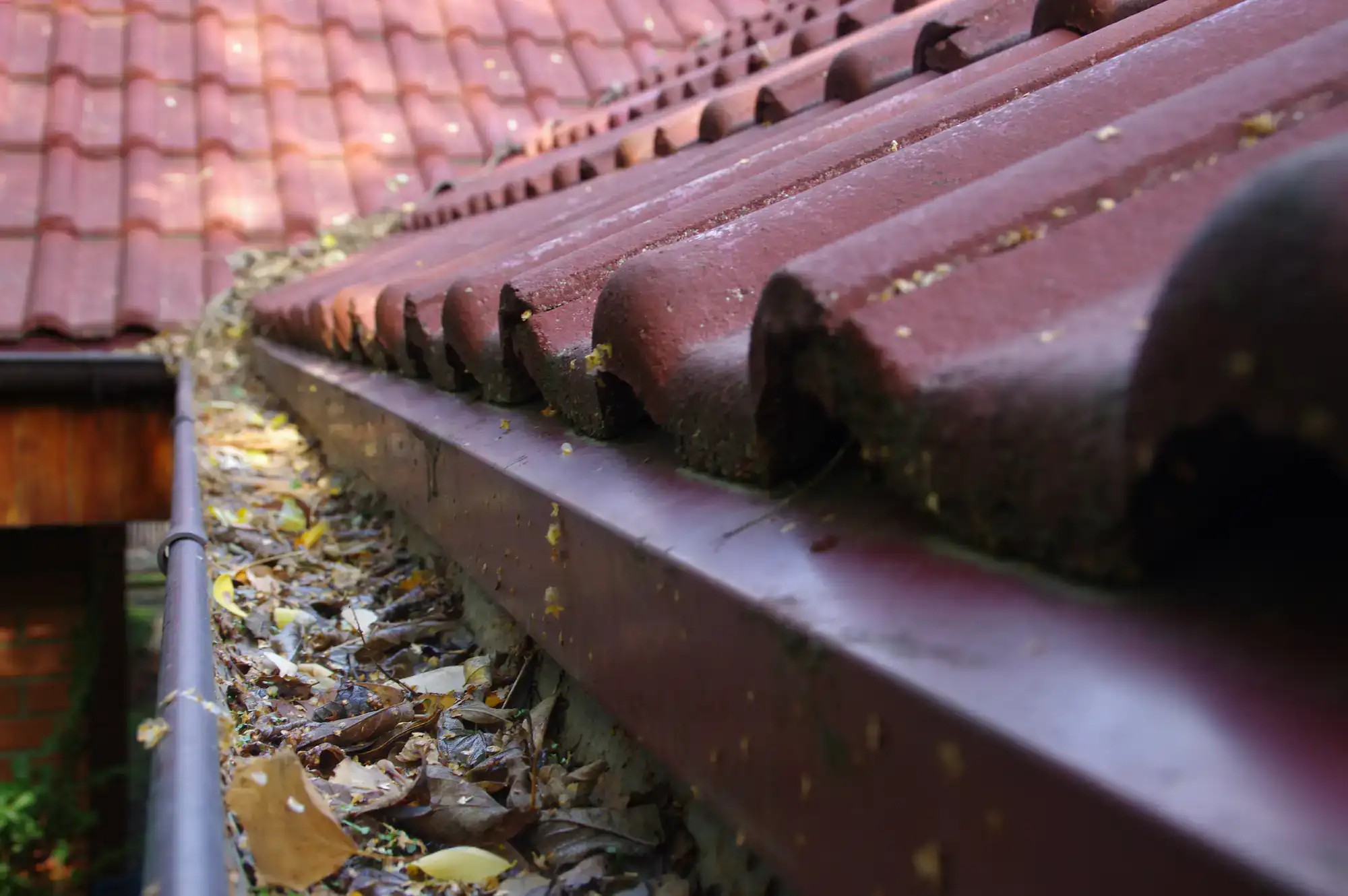
Twice a year is the baseline for most homes in this area once in late fall after the oak and maple trees have finished dropping, and once in early spring to clear out the pine needles, seed pods, and biological debris that accumulate over winter. For properties with heavy pine coverage, which is common throughout the wooded hillside lots around the lake, three cleanings per year isn’t unusual because pine needles fall continuously rather than seasonally.
Lake Hopatcong sits within the New Jersey Highlands, which means a denser tree canopy and a more compressed leaf-fall window than you’d see in lower-elevation Morris County towns. Gutters here fill faster. If you’re only cleaning once a year or skipping years you’re almost certainly dealing with partial blockages that are quietly directing water somewhere it shouldn’t be going.
The most immediate risk is ice dams. When gutters are clogged going into winter, the standing water and wet debris in the trough freeze solid. That ice formation backs up under your shingles and forces water into the space between your roof deck and your interior which leads to stained ceilings, damaged insulation, and in worse cases, rotted rafters. At the elevation Lake Hopatcong sits, freeze-thaw cycles hit harder than they do in communities further south and east, which makes this a real and recurring problem here, not a theoretical one.
Beyond ice dams, clogged gutters through winter put constant weight stress on the brackets holding the system to your fascia. By spring, you may find sections of gutter pulling away from the house entirely which is a more expensive fix than the cleaning that would have prevented it. The fall cleaning window in this area is roughly late November, after peak leaf drop. Scheduling early is worth it because every local provider books up fast once homeowners realize winter is closer than they thought.
With us, downspout flushing is included in the standard cleaning it’s not an add-on. Every downspout gets flushed individually to confirm water is flowing freely from the roofline all the way to the ground. If a downspout is blocked, we clear it. If it requires snaking to break up a compacted clog, that gets done as part of the job.
This matters because the downspout is where most gutters actually fail. You can scoop every leaf out of the trough and still have overflowing gutters the next time it rains if there’s a clog sitting in a downspout elbow. In Lake Hopatcong, where maple seed pods and compacted oak debris can create dense blockages in the bends, skipping the downspout flush is essentially doing half the job. If you’ve paid for a cleaning before and still had overflow problems, a missed downspout clog is almost always the reason.
Yes and the connection is more direct than most homeowners realize. When gutters overflow, the water doesn’t just fall harmlessly to the ground. It pours off the roofline and saturates the soil immediately adjacent to your foundation. Over time, that saturated soil creates hydrostatic pressure against your basement walls, which leads to seepage, cracks, and eventually active flooding.
In Lake Hopatcong specifically, this risk is amplified. The water table near the lake is already elevated compared to inland communities, which means the soil around lakefront and lake-adjacent foundations has less capacity to absorb additional water before it starts pushing inward. Water damage restoration companies that serve this area specifically call out persistent moisture challenges as a defining characteristic of lakefront properties here. A properly functioning gutter system that moves water away from the foundation is one of the most effective and least expensive defenses against that kind of damage.
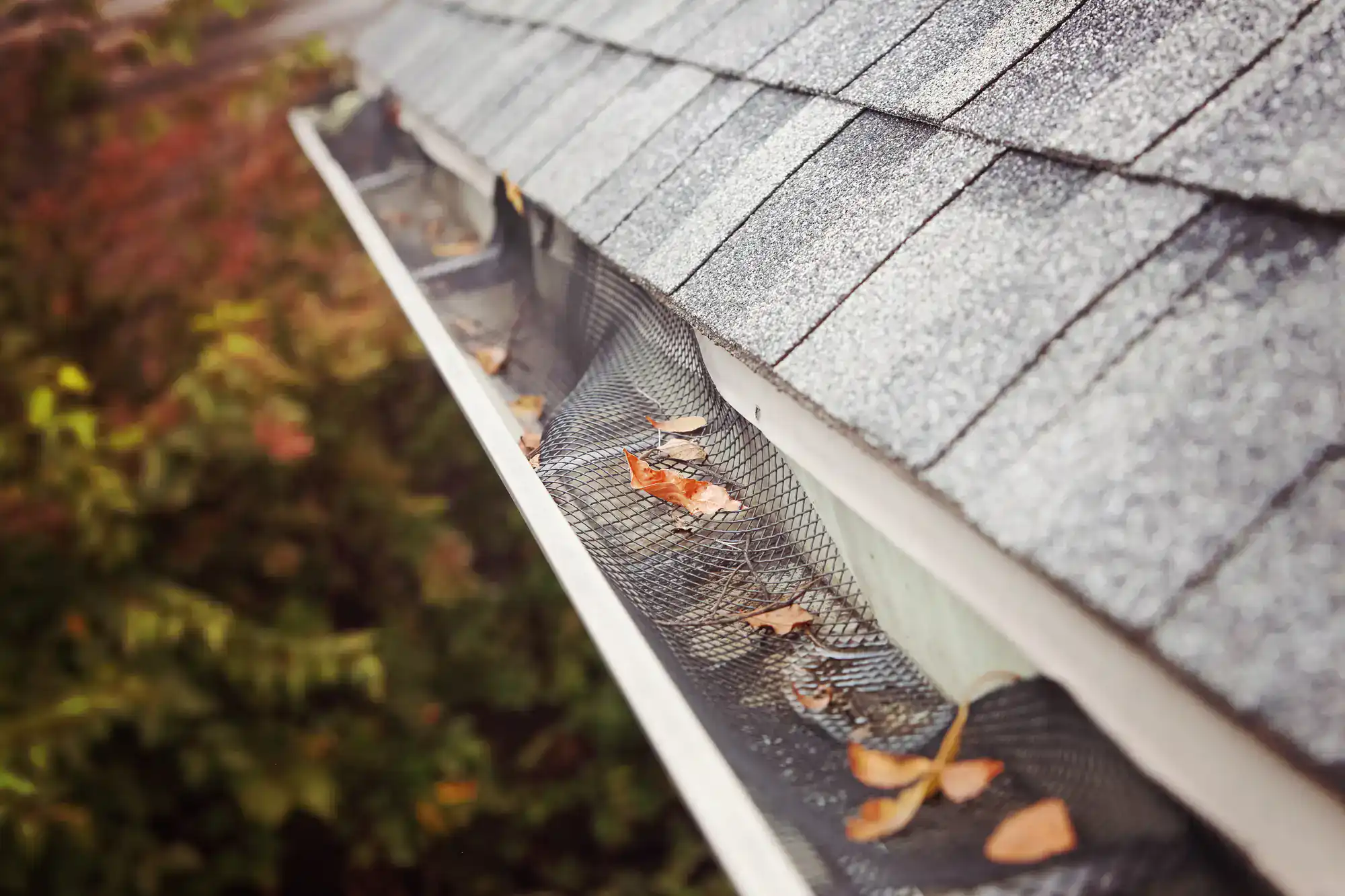
In most cases, yes. Gutter guards reduce how often cleaning is needed, but they don’t eliminate the need entirely. Pine needles which are common throughout the wooded lots around Lake Hopatcong are narrow enough to pass through or around most guard systems and accumulate in the trough underneath. Maple seeds, shingle grit, and fine organic debris also find their way past guards over time, building up into a layer that restricts flow even if no large leaves are present.
The other issue is the guards themselves. Debris that doesn’t enter the gutter often sits on top of the guard, eventually breaking down into a wet mat that blocks water from entering the trough at all which is effectively the same problem as a clogged gutter, just from the outside. An inspection every one to two years is a reasonable maintenance interval for homes with guards in this area, and after a particularly heavy fall season, it’s worth having the system checked regardless of what type of protection is installed.
A few signs are hard to miss: water spilling over the edge of the gutter during rain instead of flowing through the downspout, visible plants or grass growing out of the trough, sagging sections where the weight of wet debris has pulled the bracket, or water staining on your siding directly below the gutter line. Any one of those means the system is already compromised and cleaning shouldn’t wait.
The trickier situations are the ones you can’t see from the ground. A downspout can be completely blocked without any visible sign until the next heavy rain. In Lake Hopatcong, where spring storms can be intense and the drainage demands on a lakeside property are already high, finding out your downspouts are blocked during a downpour is a bad way to discover the problem. If it’s been more than a year since your last cleaning or if you genuinely can’t remember the last time it was done that’s reason enough to schedule. The cost of a professional cleaning is a fraction of what a single water damage claim runs, and in this environment, the margin for error is smaller than most homeowners think.
Other Services we provide in Lake Hopatcong