
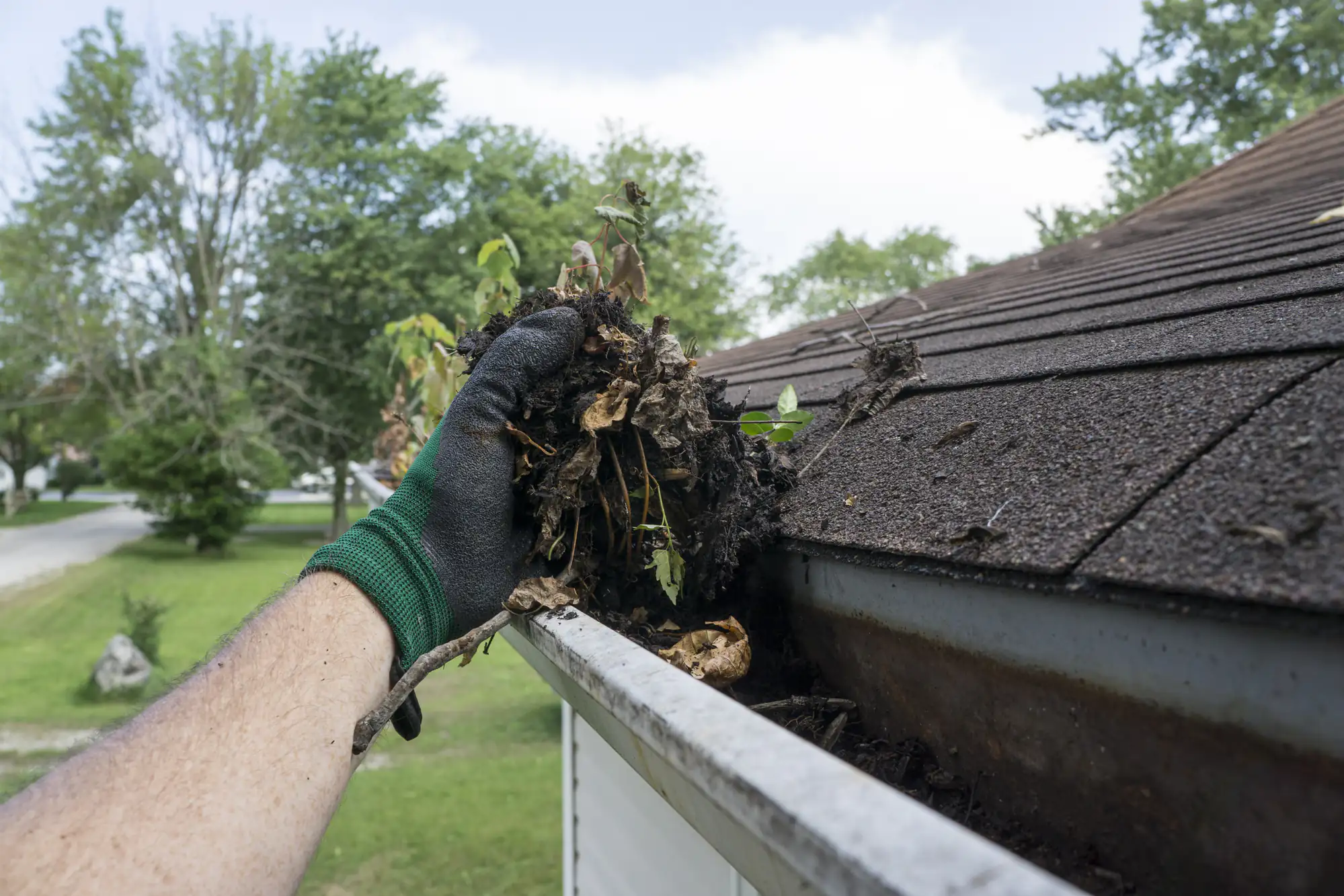
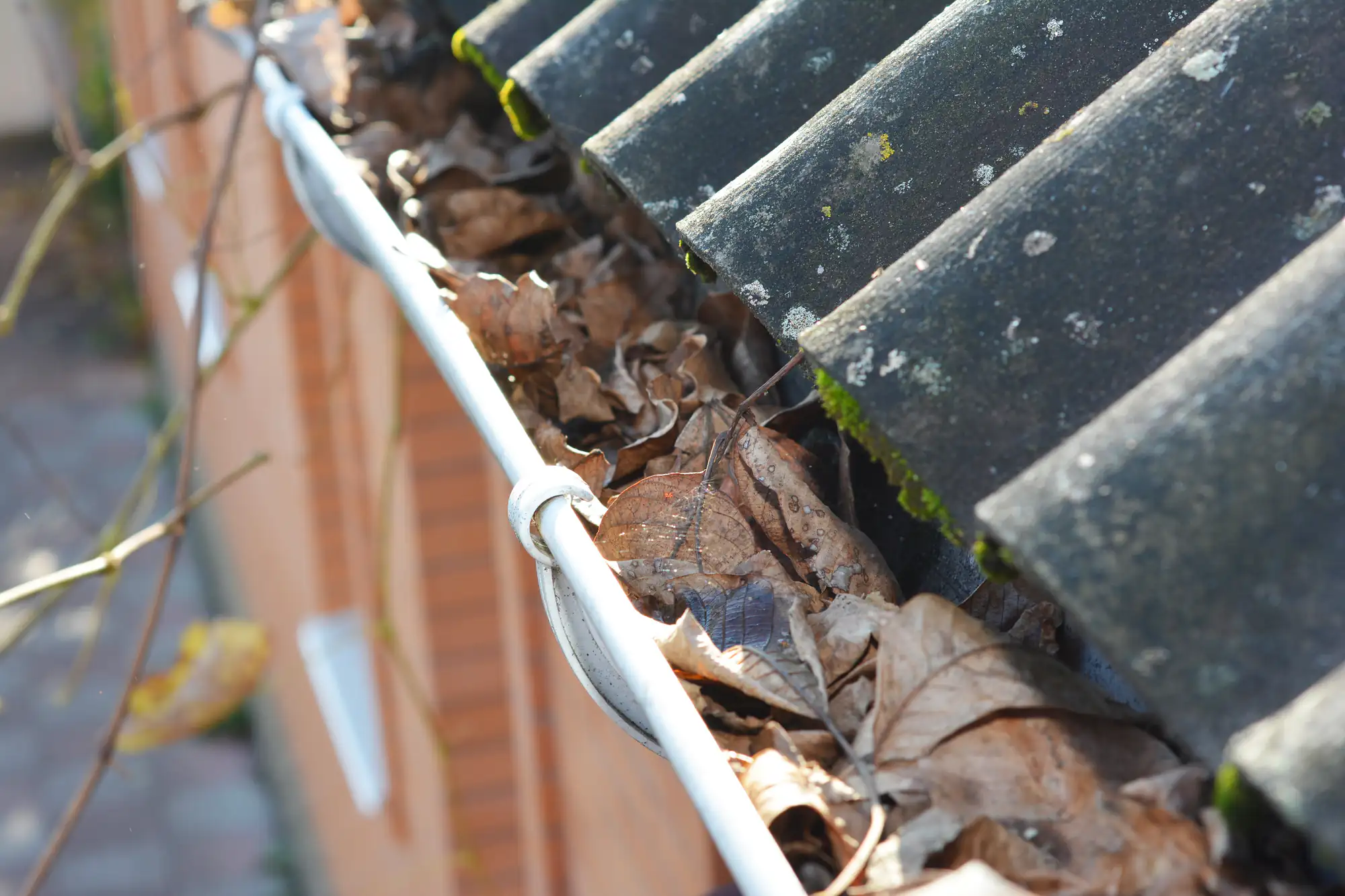
Washington Corner sits inside one of the most densely wooded residential areas in Morris County. That mature oak and maple canopy is part of what makes the area worth living in but it also means your gutters are working harder than most. Heavy leaf loads, late-season oak drop, and spring seed pods from maple trees create the kind of debris buildup that blocks downspouts fast, and once a downspout is blocked, water has nowhere to go except back toward your foundation or under your roofline.
The real cost of ignoring this isn’t the cleaning it’s the water damage claim that follows. The average insurance claim from gutter neglect runs between $11,000 and $14,000. A professional gutter cleaning costs a fraction of that. For a home in Washington Corner, where property values are among the highest in New Jersey, the math isn’t subtle.
Mendham Township also runs a genuine freeze-thaw cycle from October through March. When gutters are full of debris going into winter, water pools, freezes overnight, and forces its way back under shingles. That’s how ice dams form and in a historic district with older homes and original exterior woodwork, that kind of damage is both expensive and difficult to repair correctly. Staying ahead of it with seasonal gutter cleaning in Washington Corner is the simplest form of home protection you can do.
Proline Construction is a family-owned general contracting company that has been serving northern New Jersey since 2018, including homeowners throughout Washington Corner and Mendham Township. We’re BBB accredited, a GAF Preferred Contractor, and fully insured which matters when someone is working on a ladder against a multi-story home on a large, wooded lot off County Route 510.
What separates us from a gutter-only service is the scope of what we can actually do when we’re on your property. When we find rotting fascia behind a bracket, a loose flashing at the roofline, or a downspout pulling away from the wall, we don’t leave you a list of problems to sort out with three other contractors. We handle it. Roofing, siding, masonry, chimney it’s all under one roof, so to speak.
Customer reviews mention the same things consistently: we show up on time, the pricing matches the quote, and the cleanup is thorough. In a community like Washington Corner, where the homes carry both financial and historical significance, that kind of reliability isn’t just nice to have it’s the baseline expectation.
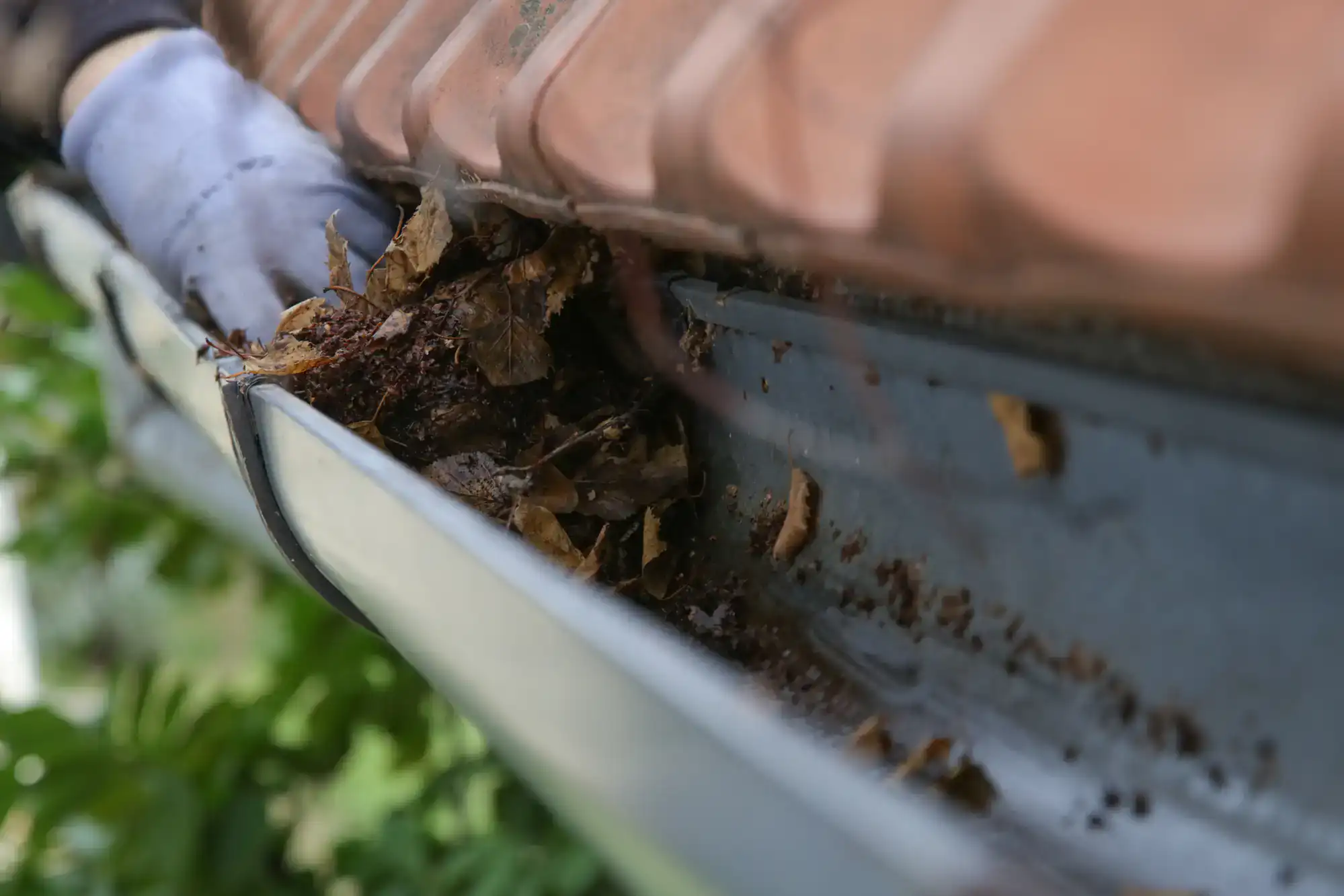
The process starts before anyone gets on a ladder. We assess the property roofline configuration, number of downspout runs, tree coverage, and access points. For the large-lot, estate-style homes common in Washington Corner, this matters. A home with multiple roof valleys, dormers, and long gutter runs requires a different setup than a straightforward ranch, and skipping that assessment leads to missed sections and blocked downspouts that never get cleared.
Once the crew is set up, debris is removed manually from the gutter trough not just pushed toward the downspout. Every downspout is flushed individually to confirm it’s clear all the way to the ground. This step is where most rushed cleanings fail. A downspout can look clear from the top and still be packed with compacted leaf material halfway down. Flushing confirms it. After the gutters are cleared, we inspect the system brackets, hangers, fascia condition, and any signs of water damage or separation and walk you through anything that needs attention.
Timing matters in Mendham Township. The window between peak fall leaf drop and the first hard freeze is narrow typically late October through late November. Booking your fall cleaning before that window closes means your system is clear before ice dam season begins. Spring cleaning after Morris County winters is equally important, clearing out winter debris, shingle grit, and maple seed pods before the heavy spring rains hit.
Ready to get started?
Request a callback

A gutter cleaning from Proline covers the full system not just what’s visible from the ground. That means manual debris removal from every gutter section, individual downspout flushing to confirm clear drainage from roof to ground, a full inspection of brackets, hangers, and fascia condition, and a walkthrough of anything flagged during the visit. For homes in the Washington Corner historic district, that inspection piece carries extra weight. Older fascia boards, historic trim profiles, and early-generation gutter systems need careful handling and a crew that understands the difference between routine maintenance and a historic structure is worth having on your property.
Because we’re a full-service exterior contractor, any repairs identified during a cleaning loose brackets, deteriorating fascia, damaged downspout sections can be addressed in the same visit. You won’t be handed a list of follow-up calls to make. That’s a real advantage when you’re managing a large property in a community where finding a reliable contractor already took effort.
We offer seasonal gutter cleaning in Washington Corner on both a fall and spring schedule. Fall cleaning targets the post-leaf-drop, pre-freeze window that protects against ice dams. Spring cleaning clears the winter accumulation before Morris County’s heavy spring rains arrive. Both visits include the full inspection and downspout flush no shortcuts, no partial jobs.
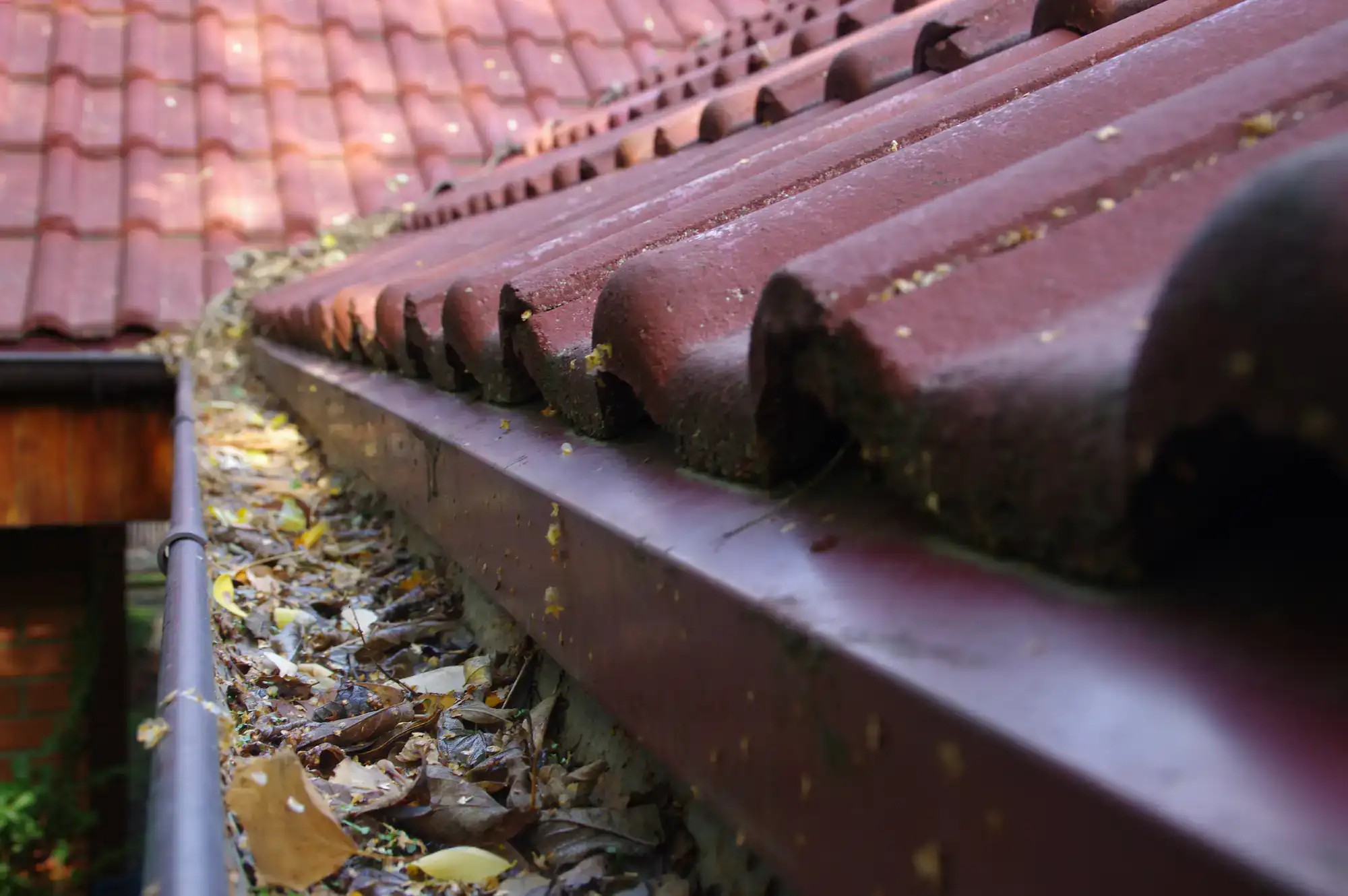
For most homes in Washington Corner, twice a year is the right baseline once in late fall after the oak and maple trees have finished dropping, and once in early spring after winter clears out. The heavy tree canopy throughout Mendham Township means debris accumulates faster here than in more open suburban areas. If your property has significant pine coverage in addition to hardwoods, you may need an additional mid-summer check, since pine needles shed year-round and are particularly effective at clogging downspout screens.
The fall timing is especially important. Morris County’s first frost advisory typically arrives in mid-October, and the oak trees in this area are known for a late, heavy leaf drop that can run into November. That means the window between “gutters are finally full” and “temperatures are dropping below freezing overnight” is short. Getting on the schedule before that window closes rather than waiting until December is the difference between a clean system going into winter and an ice dam problem you’re dealing with in January.
Clogged gutters going into a Morris County winter create a specific chain of problems. Water that can’t drain pools in the gutter trough, freezes overnight, and expands. That expansion forces water back under shingles which is how ice dams form. Once water is under the shingles, it finds its way into the home’s interior through the roof deck, insulation, and ceiling. The damage that follows stained ceilings, compromised insulation, rotted sheathing is expensive to repair and often not fully covered by homeowners insurance if the cause is traced back to deferred maintenance.
For homes in the Washington Corner historic district, the stakes are higher. Older fascia boards and historic wood trim don’t respond well to repeated freeze-thaw moisture cycles. The damage compounds over time, and by the time it’s visible from inside the home, the exterior repair scope has grown significantly. A seasonal cleaning in late fall before the freeze sets in is a straightforward way to avoid all of it. The cost of the cleaning is predictable. The cost of the damage is not.
With Proline, downspout flushing is included in every cleaning it’s not an add-on. Every downspout on your property is flushed individually to confirm clear drainage from the gutter trough all the way to the ground-level outlet. This matters more than most homeowners realize. A downspout can appear clear from the top while still being packed with compacted debris halfway down. If the flush doesn’t confirm free flow, we work to clear the blockage before the job is considered done.
This is one of the more common shortcuts in the gutter cleaning industry crews scoop the visible debris from the trough and call it complete without ever confirming the downspouts are actually draining. On a large property in Washington Corner with multiple downspout runs, a partially cleaned system can still overflow during the first heavy rain. Our process confirms the full drainage path is clear, not just the visible surface, and that standard doesn’t change based on the size of the job or the number of downspouts on the property.
Yes and it’s one of the more underappreciated risks of deferred gutter maintenance. When gutters overflow, water doesn’t just run down the side of the house. It saturates the soil directly against the foundation. On large-lot properties in Mendham Township, where homes often sit on graded terrain with significant landscaping, that water concentration can undermine the drainage patterns the property was designed around. Over time, repeated saturation against the foundation wall leads to hydrostatic pressure, which is one of the primary drivers of basement water infiltration and foundation cracking.
The irony is that the downspout system is specifically designed to move water away from the foundation typically discharging several feet out into the yard. When downspouts are blocked, that entire system is bypassed and the water goes exactly where you don’t want it. On a property with a finished basement or a historic stone foundation both common in the Washington Corner area the downstream cost of that overflow is significant. Keeping the system clear and confirming downspout discharge is functioning correctly is the simplest way to protect what’s underneath the home, not just the roof above it.
For a straightforward single-story home with easy ladder access, DIY gutter cleaning is manageable for someone comfortable working at height. But most homes in Washington Corner don’t fit that description. The large-lot, multi-story, estate-style homes throughout Mendham Township have complex rooflines multiple valleys, dormers, chimneys, and long gutter runs that require proper ladder placement on uneven terrain and the experience to recognize what you’re looking at when you get up there. There are also roughly 500,000 ladder-related emergency room visits in the United States each year, and a significant portion involve homeowners attempting routine maintenance on properties they’re not equipped to access safely.
Beyond the safety consideration, there’s the thoroughness question. Knowing how to scoop debris from a gutter trough is one thing. Knowing how to identify early fascia rot behind a bracket, recognize the signs of a failing hanger, or spot a downspout separation at the elbow is a different skill set. Our crew does this regularly on properties similar to yours, in similar conditions, in this specific part of Morris County. The value isn’t just in the cleaning. It’s in what we notice while we’re up there.
Spring cleaning in Mendham Township covers more ground than most people expect going in. After a Morris County winter 14 to 15 inches of snow on average, with freeze-thaw cycles running from October through March gutters accumulate a specific mix of debris that’s different from fall leaf buildup. You’re dealing with compacted winter debris, shingle grit that washes down during freeze-thaw cycles, early-season pollen, and the first wave of maple seed pods, which are notorious for lodging in downspout elbows and screens. All of that needs to come out before the heavy spring rains arrive.
Our spring cleaning follows the same process as the fall visit manual debris removal, individual downspout flushing, and a full inspection of the system. The inspection piece is particularly valuable after winter because that’s when ice dam damage, if any occurred, becomes visible. Bracket stress from ice weight, fascia separation, and gutter sections that have pulled slightly away from the roofline are all things we look for during the spring visit. If anything was compromised over the winter, catching it in March or April before the wet season is fully underway is the right time to address it.
Other Services we provide in Washington Corner