

Foundation cracks don’t fix themselves. They widen every winter, let water into your basement, and turn into expensive structural problems if you wait too long.
Professional masonry repair stops that cycle. You get walls that stay level, chimneys that vent properly, and patios that don’t sink or shift after the first heavy rain. The work looks clean, holds up through seasons, and adds real value when it’s time to sell.
New Jersey’s soil expands when it gets wet and contracts when it freezes. That constant movement puts pressure on brick, stone, and concrete. If your masonry wasn’t built with that in mind, you’ll see the damage within a few years. Proper installation accounts for drainage, material selection, and local building codes so the structure lasts decades instead of needing repairs every few seasons.
We’ve worked in Northern New Jersey long enough to see what fails and what holds up. We’re certified, we follow Construction Codes & Regulations, and we don’t cut corners on materials or prep work.
You get a free estimate based on your actual project, not a generic quote. We discuss all pricing upfront so there’s no surprise charges when the job’s done. Every project gets managed from start to finish by people who’ve done this work for years, not a rotating crew learning on your property.
Ampere North homes deal with older foundations, heavy rainfall, and soil that shifts seasonally. We’ve repaired chimneys that weren’t vented correctly, rebuilt retaining walls that were sinking, and fixed brick facades that were installed without proper flashing. That experience means we catch problems before they become expensive and build things right the first time.

You call or submit a request. We schedule a time to look at the site, measure what needs to be done, and ask about your timeline and budget. You get a customized quote that breaks down materials, labor, and project scope.
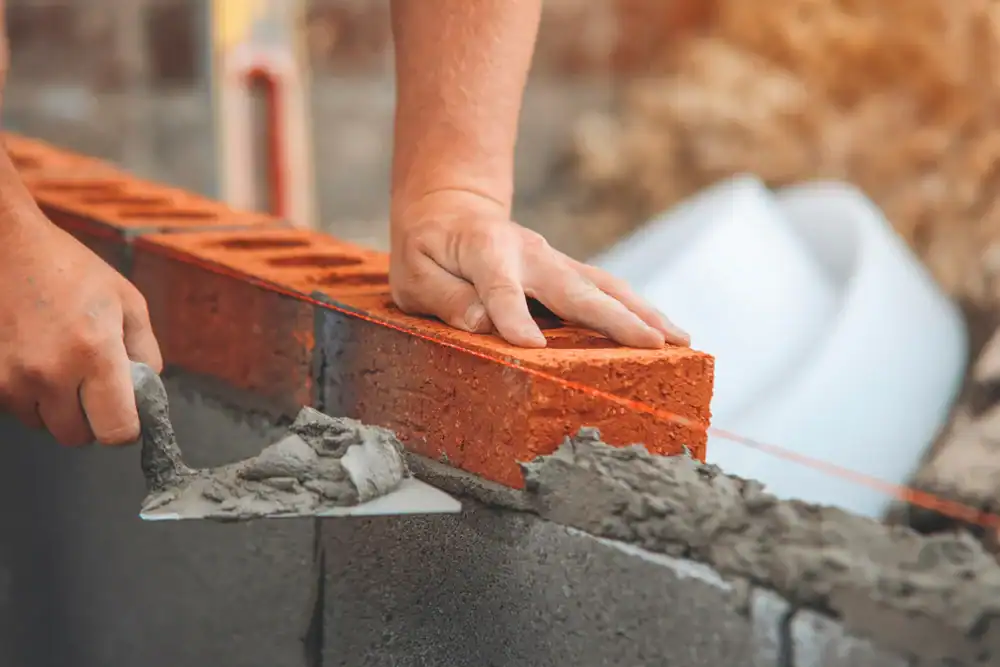
Once you approve the estimate, we schedule the work around your availability. We prep the site, which might mean excavating for drainage, removing damaged brick, or setting up forms for new construction. The actual masonry work follows—laying brick, setting stone, pouring concrete, or rebuilding structural elements depending on what your project needs.
We clean up daily and do a final walkthrough when everything’s complete. You see the finished work, we answer any questions about maintenance, and you get documentation for your records. The whole process is designed to stay on schedule and within the budget we agreed on upfront.

Ready to get started?
Brick repair covers everything from repointing mortar joints to replacing damaged sections of walls or chimneys. Mortar deteriorates faster than brick, especially in New Jersey’s wet climate. Repointing stops water infiltration before it damages the structure behind the brick.
Chimney repair addresses cracks, damaged flashing, deteriorating crowns, and ventilation issues. A damaged chimney isn’t just an eyesore—it’s a safety risk. Water gets in, freezes, expands, and makes the problem worse every season. We rebuild sections that are too far gone and repair what can be saved.
Retaining walls, patios, and custom stonework require proper drainage and a solid base. Ampere North’s soil conditions mean you can’t just stack stone and hope it holds. We excavate to stable soil, install drainage behind walls, and use materials rated for freeze-thaw cycles. Brick veneers get installed with weep holes and proper flashing so moisture doesn’t get trapped behind the facade. Every project follows local codes and uses materials that match New Jersey’s climate demands.

Properly done repointing should last 20 to 30 years in Northern New Jersey if the right mortar mix is used. The key is matching the mortar to the original brick hardness. If the mortar is too hard, it won’t flex with temperature changes and the brick itself will crack.
New Jersey’s freeze-thaw cycles are tough on mortar joints. Water seeps into small cracks, freezes, expands, and breaks the bond between brick and mortar. Once that starts, the deterioration accelerates every winter. Repointing stops that process by sealing the joints before water can penetrate.
The mortar mix matters more than most people realize. Modern Type N mortar works for most residential brick, but older homes often need a softer lime-based mix. Using the wrong type can cause more damage than leaving it alone. A proper repointing job also includes raking out old mortar to the right depth—usually about twice the joint width—so the new mortar has enough surface area to bond correctly.
Soil movement is the main culprit. Northern New Jersey has clay-heavy soil that expands when it absorbs water and shrinks when it dries out. That constant expansion and contraction puts pressure on foundation walls, especially during spring thaw and heavy rain seasons.
Poor drainage makes it worse. If water pools around your foundation, the soil stays saturated and keeps pushing against the walls. Over time, that pressure creates cracks. Older homes in Ampere North were sometimes built without proper footer drains or waterproofing, which means they’re more vulnerable to this kind of damage.
Freeze-thaw cycles also play a role. Water gets into small cracks, freezes, expands, and widens the crack. The next rain brings more water, and the cycle repeats. What starts as a hairline crack can become a structural issue within a few seasons if it’s not addressed. Catching it early—before water damage or shifting occurs—saves thousands in repairs.
Yes, but it takes some effort. Brick manufacturing has changed over the decades, and older brick often has different dimensions, colors, and textures than what’s available today. We source brick from suppliers who specialize in matching historic and regional styles, and sometimes we’ll locate reclaimed brick from demolished buildings of the same era.
The mortar color matters as much as the brick itself. Even if the brick is a perfect match, the wrong mortar color will make the repair obvious. We mix mortar to match the existing joints, which sometimes means custom tinting to get the shade right.
For additions or larger projects, we bring samples to the site so you can see how they look against your existing masonry in natural light. Brick color shifts depending on the time of day and weather conditions, so what looks like a good match in a showroom might not work on your house. We don’t move forward until you’re confident the new work will blend with the old.
Minor chimney repairs like repointing or replacing a damaged crown usually run between $800 and $2,500 depending on chimney height and access. A full chimney rebuild from the roofline up can cost $4,000 to $10,000 or more if there’s structural damage or code violations that need to be corrected.
The price depends on what’s actually wrong. Surface-level mortar damage is straightforward. But if water has been getting in for years, you might have deteriorated brick, damaged flue liners, or compromised flashing that all need attention. We don’t know the full scope until we inspect the chimney, which is why we provide free estimates before quoting a price.
Waiting on chimney repairs usually makes them more expensive. A $1,200 repointing job can turn into a $6,000 rebuild if water damage spreads to the internal structure. Chimneys in Ampere North take a beating from weather exposure, and the freeze-thaw cycle accelerates deterioration once it starts. Getting an inspection after you notice cracks, loose brick, or water stains is the smartest way to avoid a bigger bill later.
It depends on the scope of the project. Structural work like foundation repair, retaining walls over a certain height, or chimney rebuilds typically require permits. Cosmetic repairs like repointing or replacing a few damaged bricks usually don’t, but local regulations vary.
We handle permit applications as part of the project when they’re required. That includes submitting plans, coordinating inspections, and making sure the work meets New Jersey building codes. Skipping permits on work that requires them can cause problems when you sell the house or file an insurance claim.
Ampere North falls under specific municipal codes, and inspectors pay attention to things like drainage, flashing, and structural support. Cutting corners to avoid permits might save money upfront, but it creates liability down the road. We pull permits when needed, follow code requirements, and document everything so you have a clean record of the work.
Solid brick construction means the walls are made entirely of brick, usually two or more layers thick. This was common in older homes and provides excellent durability and insulation. Brick veneer is a single layer of brick attached to a wood or concrete frame with metal ties. It’s lighter, less expensive, and still provides the look and weather protection of brick.
Most homes built after the 1960s use brick veneer. It’s easier to install, requires less foundation support, and allows for better insulation within the wall cavity. The brick itself is real—it’s not fake or painted—but it’s not load-bearing. The structure is supported by the frame behind it.
Both types need proper installation to avoid problems. Brick veneer requires weep holes at the bottom to let moisture escape and flashing above windows and doors to direct water away from the frame. Solid brick needs repointing maintenance and proper drainage at the foundation. If you’re adding brick to an existing structure or repairing damaged sections, knowing which type you have determines the approach and materials we use.
Other Services we provide in Ampere North