
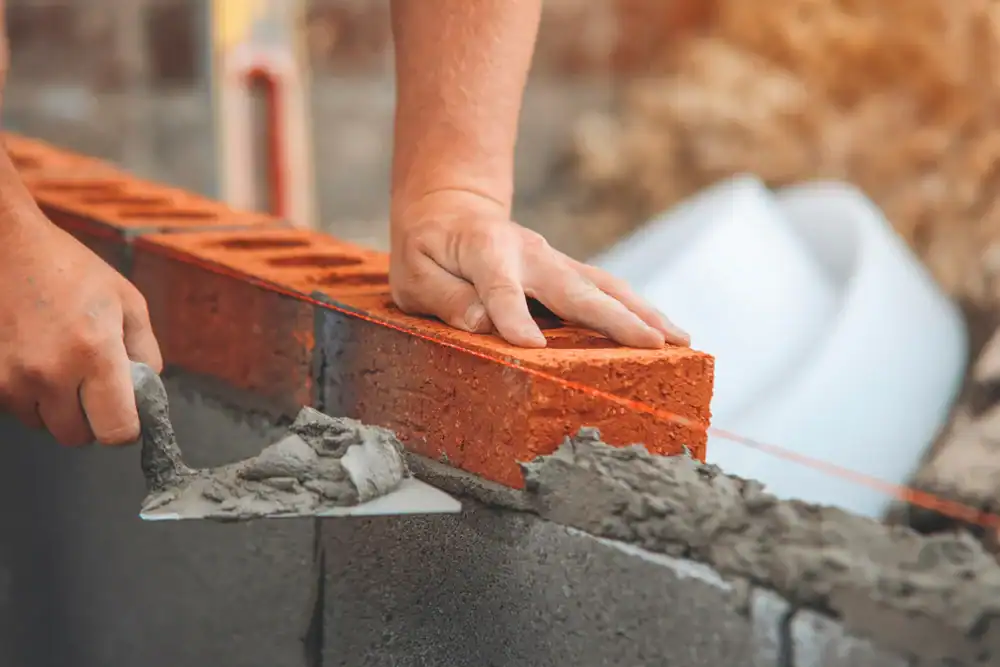

You’re not looking at cracks spreading across your brick wall every spring. The mortar isn’t crumbling out of your chimney after two winters. Your front steps stay level and safe instead of shifting into a tripping hazard.
That’s what happens when masonry work accounts for New Jersey weather from the start. Belleville sees 35-45 freeze-thaw cycles every winter. Water gets into poorly done brickwork, expands by 9% when it freezes, and breaks things apart from the inside.
We use breathable mortar that lets moisture escape instead of trapping it. The drainage gets handled before we lay the first brick. You end up with stonework and brick structures that look good now and still look good in 20 years, because they’re built for the climate they’re sitting in.
We handle masonry work across Belleville and the surrounding areas. We’re certified contractors who’ve seen what happens when brick repair gets done wrong or when someone skips the prep work that actually matters.
You’re dealing with clay-heavy soil and weather that swings from 90 degrees in summer to below freezing dozens of times each winter. That’s not a forgiving environment for masonry. We’ve worked in it long enough to know which materials hold up and which shortcuts come back to bite you three years later.
Our pricing is upfront. No surprise charges when the job’s done. You get a customized estimate based on what your project actually needs, and that’s what you pay.

First, we come out to look at what you’re dealing with. If it’s a repair, we’re checking how far the damage goes and what caused it. If it’s new construction, we’re looking at drainage, soil conditions, and how the structure ties into what’s already there.
You get a written estimate that breaks down materials, labor, and timeline. We’re not vague about costs because nobody likes that. Once you approve it, we schedule the work around weather conditions that actually make sense for masonry.
During the job, we prep the site properly. That means handling drainage before we build, using the right mortar mix for the temperature, and making sure everything is level and structurally sound as we go. We manage the whole project ourselves, so you’re not dealing with a different crew every day who doesn’t know what happened yesterday.
When we’re done, you’ve got masonry work that’s built to code and built to last. We clean up the site, walk you through what we did, and you’re set.

Ready to get started?
We handle brick and stone work for residential and commercial properties. That includes chimney repair and rebuilding, brick veneer installation, retaining walls, front steps and walkways, stone patios, and brick paving.
Chimney work is big around here because freeze-thaw cycles hit chimneys hard. We repoint mortar joints, rebuild crowns, and replace damaged bricks before small problems turn into structural issues. For retaining walls, we’re dealing with drainage and soil pressure, which matters a lot in Belleville’s clay-heavy ground.
If you’re looking at brick veneer for your home’s exterior, we make sure it’s installed with proper moisture barriers and weep holes. Water management isn’t optional in this climate. For patios and walkways, we excavate to the right depth, use proper base materials, and slope everything so water moves away from your foundation instead of pooling against it.
Masonry maintenance is also part of what we do. Repointing mortar joints before they fail completely saves you money compared to rebuilding entire sections later. We can assess your existing brickwork and tell you what needs attention now versus what can wait.

Properly done masonry repair should last 20-30 years in New Jersey, even with our freeze-thaw cycles. That timeframe depends on using the right materials and techniques for this climate.
The mortar mix matters more than most people realize. We use breathable mortar that allows moisture to escape instead of getting trapped inside the brickwork. When water gets trapped and freezes, it expands and cracks things apart. Breathable mortar prevents that cycle from starting.
Drainage is the other critical piece. If water is constantly running down your brick wall or pooling at the base, even perfect masonry work will fail eventually. We address drainage issues as part of the repair, not as an afterthought. That might mean adding gutters, adjusting grading, or installing proper flashing. The masonry itself is only part of the solution.
Spring and fall are ideal for masonry work in Belleville. You need temperatures consistently above 40 degrees for mortar to cure properly, and you want to avoid the extreme heat of summer when possible.
Mortar needs time to cure without freezing or drying out too quickly. If it freezes before it’s fully cured, the bond fails and you end up with weak joints that crumble. If it dries too fast in 90-degree heat, it doesn’t reach full strength either. Spring and fall give you moderate temperatures and reasonable humidity.
That said, repairs can’t always wait for perfect weather. If you’ve got a safety issue or water is getting into your house, we can work in less-than-ideal conditions using cold-weather mortar mixes or other techniques. But if you’re planning new construction or non-urgent repairs, aim for April-May or September-October. You’ll get better results and the work will last longer.
If the mortar is damaged but the bricks are still in good shape, you need repointing. If the bricks themselves are crumbling or the wall is bulging, you’re looking at a rebuild.
Check the mortar joints between bricks. If they’re cracked, crumbling, or recessed more than a quarter inch, that’s a repointing job. You’re removing the old mortar and replacing it with new material. The bricks stay in place. This fixes the problem before water infiltration damages the bricks themselves.
Now look at the bricks. If they’re flaking apart (that’s called spalling), if pieces are missing, or if the wall is bowing outward, the damage has gone too far for repointing. A bulging wall means the structure is failing, usually because water got behind it and froze repeatedly. At that point, you need to rebuild the affected section. We can assess which situation you’re dealing with and give you an honest answer about what’s required.
Brick steps crack and shift because of freeze-thaw damage and poor drainage. Water gets underneath, freezes, expands, and pushes the steps out of level. Over time, this creates dangerous, uneven surfaces.
The problem usually starts with inadequate base preparation or missing drainage. If the steps were built directly on soil without proper compacted base material, they’ll shift as the ground freezes and thaws. Water needs somewhere to go. If it can’t drain away, it sits under your steps and does damage every time the temperature drops below freezing.
Salt from snow removal makes it worse. Road salt and ice melt products degrade both brick and mortar over time. They also increase the freeze-thaw cycles by lowering the freezing point of water. If your steps are near the street or driveway where salt gets tracked, they’re taking extra punishment. Rebuilding steps the right way means excavating deep enough, using crushed stone base material, ensuring proper slope for drainage, and using materials that can handle salt exposure. It costs more upfront than a quick patch job, but you’re not replacing them again in five years.
Those white stains are called efflorescence. They’re mineral salts that water carries out of the brick or mortar as it evaporates. It means you have a moisture problem, not just a cosmetic issue.
Water is getting into your masonry, dissolving salts from the brick or mortar, and carrying them to the surface as it evaporates. The white residue is what’s left behind. You can scrub it off, but it’ll come back unless you fix the moisture source. Common causes include missing or damaged flashing, clogged gutters, poor grading that directs water toward the wall, or failed mortar joints that let water in.
Fixing it properly means two steps. First, we identify and fix the moisture source. That might involve repointing mortar, installing flashing, improving drainage, or applying a breathable water-repellent coating. Second, we clean the efflorescence using appropriate cleaners that won’t damage the brick. Some brick is soft and can be harmed by aggressive cleaning methods. The key is stopping the water infiltration. If you just clean the stains without fixing the cause, you’re wasting your time and money.
Masonry costs vary widely based on the scope of work, materials, and site conditions. Repointing runs differently than rebuilding a chimney or installing a new stone patio. You need an on-site estimate for accurate pricing.
Small repointing jobs on a chimney might start around a few thousand dollars, while rebuilding a full chimney from the roofline up can run significantly more. Brick steps typically cost several thousand to rebuild depending on size and complexity. Stone patios are priced by square footage and vary based on the type of stone and site preparation required.
What drives costs up? Difficult access, extensive prep work, premium materials, and the extent of damage if it’s a repair. A brick wall that looks like it needs minor repointing might actually need rebuilding once we open it up and see what’s behind the surface. That’s why we do thorough assessments before quoting. We give you a detailed written estimate that breaks down what you’re paying for. No hidden charges, no surprises when the job’s done. If conditions change once we start work, we discuss it with you before proceeding. You’ll know what masonry work costs for your specific project before we start, not after.
Other Services we provide in Belleville