

You’re looking at your brick and seeing cracks. Maybe some mortar’s crumbling. Maybe you’re wondering if that’s just cosmetic or if water’s getting behind it, freezing overnight, and making everything worse.
Here’s what proper masonry work actually does for you. It stops water from penetrating your walls, which means no more interior damage, no mold growing in your insulation, and no structural issues down the line. It keeps your home looking sharp, which matters when you’ve got a 1920s Colonial or Tudor Revival that deserves to look its best. And it saves you money because work done right lasts 20-30 years instead of needing repairs every few seasons.
The brick and stone on homes in Bloomfield weren’t meant to be decorative. They’re your first line of defense against weather, and when they fail, everything behind them is at risk. Getting them fixed correctly means you stop thinking about them.
We’ve worked in every Bloomfield neighborhood—Brookdale, Halcyon Park, Watsessing, Oakview. We know the Tudor Revivals built in the 1920s need different mortar than the mid-century brick ranches. We understand that homes built before 1940 were designed with soft masonry that needs to breathe, and using the wrong materials traps moisture and creates worse problems.
We’re licensed in New Jersey (NJ #13VH12693500), fully insured, and we’ve been doing this since 1997. That means we’ve pulled permits through Bloomfield’s building department dozens of times, we know what inspectors look for, and we don’t leave you dealing with code issues or failed inspections.
You’re not getting a crew that learned masonry on YouTube. You’re getting people who’ve matched historic brick, sourced period-appropriate stone, and fixed freeze-thaw damage on homes older than most contractors in this area.

First, we come out and look at what’s actually going on. Not just the visible damage—we’re checking for water penetration, structural movement, and whether the existing mortar is compatible with your brick. You get a free estimate that breaks down what needs to happen and why.
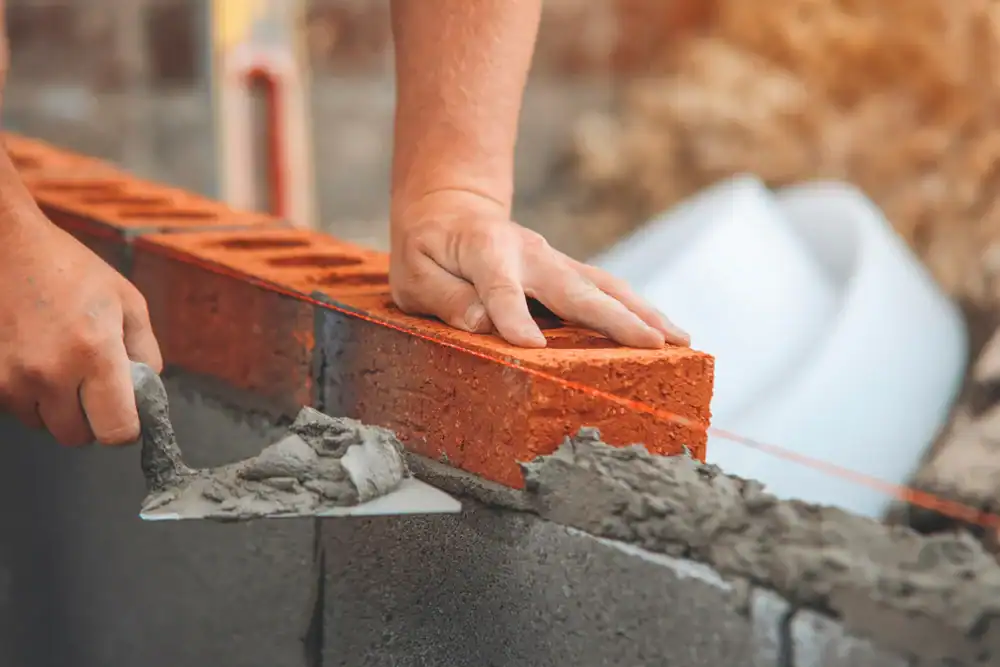
Once you’re ready to move forward, we handle the permit if your project requires one. Then we prep the site, protect your landscaping and walkways, and start the actual work. For repointing, that means carefully removing deteriorated mortar without damaging the brick, then applying new mortar mixed to match your home’s era and existing materials. For brick repair or replacement, we source matching materials and install them so you can’t tell where the old ends and the new begins.
Throughout the job, we’re managing every detail—cleanup, inspections, timeline. When we’re done, your masonry looks right, performs right, and lasts. No hidden charges, no surprise additions, no dragging the project out longer than it needs to take.

Ready to get started?
We handle brick veneers, chimney repair, retaining brick walls, repointing, stone veneer installation, brick paving, and full masonry restoration. If it’s brick or stone and it’s part of your home’s exterior, we’ve done it hundreds of times in Bloomfield.
Chimney repair is big here because so many homes have original chimneys from the 1920s-1950s that are deteriorating from the top down. We rebuild crowns, replace damaged brick, reline flues when needed, and make sure your chimney is safe and functional. Retaining walls get special attention because Bloomfield’s soil shifts, drainage matters, and a wall that’s not built correctly will fail in a few years instead of lasting decades.
For historic homes in areas like Halcyon Park, we use breathable lime-based mortars that let moisture escape instead of trapping it behind modern cement. For mid-century homes, we match the harder mortars and cleaner lines that define that era. Every project gets customized to what your specific home needs, not a one-size-fits-all approach that ignores how your house was originally built.

Repointing done correctly with the right mortar mix lasts 20-30 years in Bloomfield’s climate. That assumes the mortar is properly matched to your brick’s hardness and the work is done during appropriate weather conditions.
The reason some repointing fails in 5-10 years is because contractors use mortar that’s too hard for the brick. When that happens, freeze-thaw cycles cause the brick faces to spall instead of the mortar deteriorating. You want the mortar to be the sacrificial element, not your brick.
We mix mortar based on your home’s age and brick type. Homes built before 1950 typically need softer, lime-based mortars. Newer homes can handle Portland cement mixes. Getting this right the first time means you’re not paying for the same repair twice in your lifetime.
Freeze-thaw cycles are the main culprit. Water gets into deteriorated mortar joints or existing cracks, freezes overnight when temperatures drop, expands, and breaks the brick apart. Bloomfield gets 35-45 freeze-thaw cycles every winter, which is why this damage is so common here.
The other major cause is water penetration from failed flashing, clogged gutters, or ground-level drainage issues. When water consistently hits your brick and doesn’t have a way to drain or dry out, it saturates the masonry and causes long-term deterioration.
Fixing the visible damage without addressing the water source just means you’ll see the same problems again in a few years. That’s why we look at the whole system—drainage, flashing, grading, gutter performance—before we start repairing brick. You need to stop the water, then fix the damage it caused.
Yes, but it takes more effort than walking into a big box store. Brick from the 1920s has different dimensions, colors, and textures than modern brick. We work with regional suppliers who stock reclaimed brick and can source period-appropriate materials.
For homes in Bloomfield’s historic areas like Halcyon Park, matching matters because mismatched brick stands out and hurts your home’s character and value. We bring samples to your site, compare them in natural light, and don’t start work until we’ve got a match you’re happy with.
Sometimes we can reuse your existing brick if it’s still sound. Other times we need to source reclaimed brick from buildings of the same era. The goal is always the same—repairs that blend in so well you can’t tell where the original ends and the new work begins.
It depends on the scope of work. Structural repairs, chimney rebuilds, and new retaining walls typically require permits through Bloomfield’s building department. Simple repointing and cosmetic brick repair usually don’t, but there are exceptions based on your property’s location and the extent of the work.
We handle permit applications as part of our service when they’re required. We know what the building department looks for, what documentation they need, and how to get approvals without delays. You don’t have to figure out the process or take time off work to deal with inspections.
Skipping permits when they’re required creates problems if you ever sell your home or file an insurance claim. Inspectors can require you to tear out unpermitted work and redo it correctly, which costs far more than pulling the permit in the first place. We do it right from the start so you never have to worry about it.
Repointing typically runs $8-$25 per square foot depending on the height, accessibility, and mortar type required. Brick replacement costs more because we’re sourcing matching materials and rebuilding sections, not just filling joints. Chimney repairs vary widely based on whether you need crown work, brick replacement, or a full rebuild.
The honest answer is that every project is different. A small repointing job on a single-story garage is straightforward. A full chimney rebuild on a three-story Tudor Revival with hard-to-match brick is a bigger investment. We give you a free estimate that breaks down exactly what your specific project will cost and why.
What matters more than the initial price is how long the work lasts. Cheap masonry work fails in a few years and costs you more in the long run. We price our work fairly for the quality and longevity you’re getting, and we’re upfront about all costs before we start. No surprises, no hidden charges, no pressure.
Repointing means removing deteriorated mortar from the joints between bricks and replacing it with new mortar. It’s a structural repair that restores the integrity of your masonry and stops water penetration. This is what most Bloomfield homes need when their mortar is crumbling or falling out.
Tuckpointing is a decorative technique where you use two colors of mortar—one that matches the brick and a thin contrasting line in the center of the joint—to create a crisp, uniform appearance. It’s common on historic commercial buildings but rare on residential homes in this area.
When people say they need tuckpointing, they usually mean repointing. The terms get used interchangeably, but the actual work is different. What your home likely needs is repointing—removing the bad mortar, cleaning the joints, and filling them with properly mixed new mortar that matches your brick and lasts through decades of New Jersey weather.
Other Services we provide in Bloomfield