

You stop worrying about water getting behind your brick veneer every time it rains. Your chimney doesn’t leak into the attic during spring thaw. That retaining wall in your backyard holds the grade without bowing or cracking after two winters.
Good masonry work means you’re not calling someone back in six months because the mortar’s already crumbling. It means your home value stays protected, not chipped away by deferred maintenance that compounds every season.
In Brookdale, where most homes were built in the 1950s, your masonry is often original. That means it’s overdue for attention. The difference between a small repointing job now and a full wall rebuild later is about $15,000 and a lot of stress you don’t need.
We work throughout Brookdale and Essex County on homes that face the same climate challenges yours does. We’re certified in construction codes and regulations, which matters when you’re dealing with structural masonry that needs to pass inspection.
We’ve handled everything from small chimney repairs to full brick veneer installations on homes in your neighborhood. The work we do has to survive freeze-thaw cycles, heavy rain, and the kind of temperature swings that destroy poor craftsmanship in one season.
You’ll get upfront pricing with no hidden charges. We manage the project from estimate to cleanup, and we finish on schedule because we understand you have a life to get back to.

First, we come out and assess what’s actually wrong. Not what you think might be wrong, but what the masonry is telling us. Cracks, spalling brick, loose mortar, water stains—they all point to specific problems that need specific fixes.
We give you a detailed estimate that breaks down materials, labor, and timeline. No vague “we’ll see when we get in there” pricing. You know what you’re paying before we start.
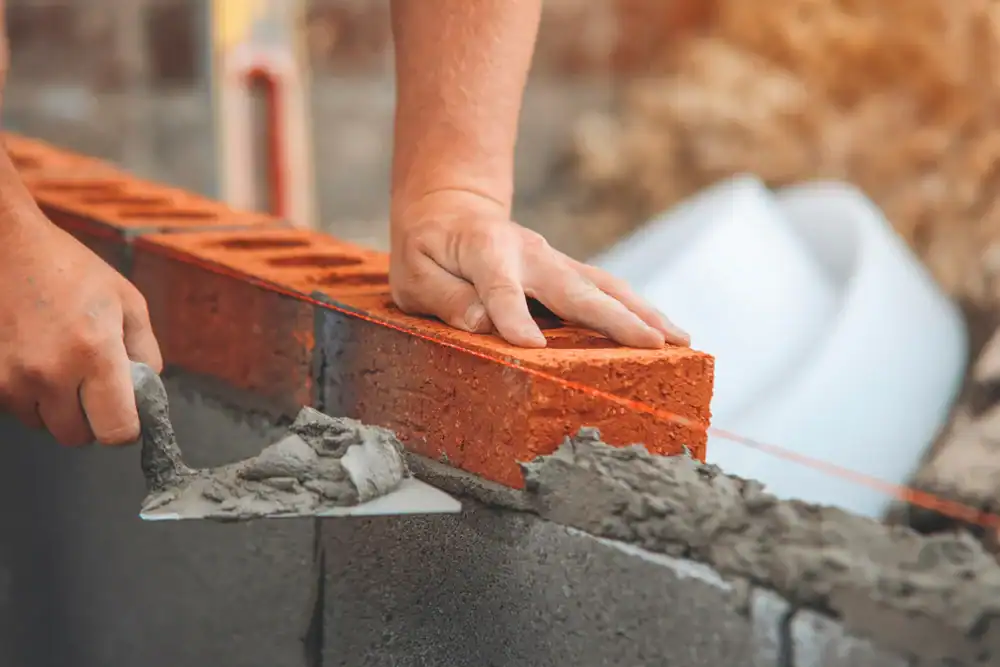
Then we do the work. If it’s repointing, we’re grinding out old mortar to the right depth and mixing new mortar that matches your existing brick in strength and color. If it’s a retaining wall, we’re excavating, setting proper drainage, and building it to handle soil pressure and water movement. If it’s chimney repair, we’re addressing crown damage, flashing issues, and any structural problems that let water in.
You get a finished project that’s cleaned up, inspected, and ready to handle whatever weather comes next. We’re not back in six months fixing our own work.

Ready to get started?
Brick repair covers everything from replacing individual damaged bricks to rebuilding entire sections of wall. In Brookdale’s older homes, we often find bricks that have spalled from water infiltration—the face of the brick literally flakes off. That needs replacement, not patching.
Chimney restoration includes crown repair, flashing replacement, repointing, and rebuilding sections that have deteriorated. Your chimney takes more weather abuse than any other part of your home. A damaged crown lets water pour into the masonry, and once that starts, deterioration accelerates fast.
Retaining walls need proper foundation, drainage, and construction techniques that account for soil pressure and water movement. A failing retaining wall doesn’t just look bad—it can damage your foundation, your neighbor’s property, or your landscaping. We build them right the first time using materials that last.
Brick veneer installation gives you the look of solid brick with better insulation and less weight on your foundation. Stone paving creates walkways, patios, and driveways that handle New Jersey winters without heaving or cracking. Every project gets the same attention to drainage, base preparation, and material selection.

Small brick repairs—replacing a few damaged bricks or repointing a chimney—typically run $800 to $2,500. Larger projects like rebuilding a brick wall section or extensive chimney restoration can range from $3,000 to $8,000 depending on access, materials, and how much structural work is needed.
The real cost driver is how long you’ve waited. A small crack you ignore in October becomes a major structural problem by spring. Water gets in, freezes, expands, and turns a $500 repointing job into a $5,000 rebuild.
In Brookdale, where median home values sit around $414,000, protecting your masonry is protecting your investment. Deferred maintenance costs more in the long run, and it shows up in appraisals and inspections when you’re ready to sell.
Freeze-thaw cycles are the main culprit. Water seeps into your brick or mortar joints, freezes when temperatures drop, expands, and creates pressure that cracks the masonry. When it thaws, more water gets into those cracks. The cycle repeats all winter, and the damage compounds.
Spalling—when the face of the brick flakes off—happens when water gets trapped inside the brick and has nowhere to go. Poor-quality brick, damaged mortar joints, or missing chimney crowns all let water in. Once it’s in there, freezing temperatures do the rest.
Your home’s age matters too. Brookdale’s housing stock is older, with many homes built in the 1950s. Older bricks weren’t always fired at high enough temperatures, making them more porous and vulnerable to water damage. Modern replacement bricks are more durable, but they need to be installed correctly with proper mortar and flashing.
Small repairs—repointing a chimney or replacing a few bricks—usually take one to three days. Larger projects like building a retaining wall or installing brick veneer can take one to three weeks depending on size, weather, and material availability.
Weather plays a role you can’t ignore. Mortar needs temperatures above 40°F to cure properly. If we’re working in late fall or early spring, we might need to pause for cold snaps. That’s not us dragging our feet—it’s making sure the work actually lasts.
The best time to schedule masonry work in Brookdale is late spring through early fall. You get consistent temperatures, faster drying times, and easier scheduling. Waiting until you have an emergency in December means you’re paying premium rates for work that’s harder to do right in cold weather.
It depends on the scope of work. Small repairs like repointing or replacing a few bricks typically don’t require permits. Larger structural work—building a retaining wall over a certain height, adding a brick veneer, or major chimney rebuilds—usually does.
Brookdale is part of Bloomfield Township, so you’re dealing with their building department and codes. Permit requirements exist to make sure structural work is done safely and correctly. Skipping permits might seem like it saves time and money, but it creates problems when you sell your home or file an insurance claim.
We handle permit applications and inspections as part of the project. You’re not filling out paperwork or dealing with the township—we are. It’s built into our process because we’re certified in construction codes and regulations, and we know what inspectors are looking for.
If you see cracks in the crown, loose or missing bricks, white staining (efflorescence), or water stains in your attic near the chimney, you need a professional inspection. Small issues like minor crown cracks or a few loose bricks can be repaired. Major deterioration—large sections of missing mortar, structural instability, or severe spalling—requires restoration.
The National Fire Protection Association recommends annual chimney inspections because small problems become dangerous fast. A damaged crown lets water pour into your masonry. That water freezes, expands, and accelerates deterioration. Within a season or two, you’re looking at a full rebuild instead of a simple repair.
In Brookdale’s climate, chimneys take constant abuse from temperature swings and precipitation. If your chimney is original to a 1950s home, it’s likely overdue for attention. Catching problems early means you’re spending hundreds on repairs instead of thousands on emergency restoration during winter.
Repointing means removing deteriorated mortar from joints and replacing it with new mortar that matches the strength and color of your existing masonry. It’s a repair technique that restores structural integrity and prevents water infiltration. Most brick homes in Brookdale need repointing every 25 to 30 years.
Tuckpointing is a specific finishing technique where you use two colors of mortar—one that matches the brick and one (usually white or contrasting) that creates thin, precise lines in the center of the joint. It’s mostly decorative and used to make joints look cleaner and more uniform.
For typical residential masonry work, you’re almost always talking about repointing. The goal is function first—stopping water infiltration and restoring structural stability. The mortar needs to be softer than the brick so it can flex with temperature changes without cracking the brick itself. Using mortar that’s too hard is a common mistake that causes more damage than it prevents.
Other Services we provide in Brookdale