
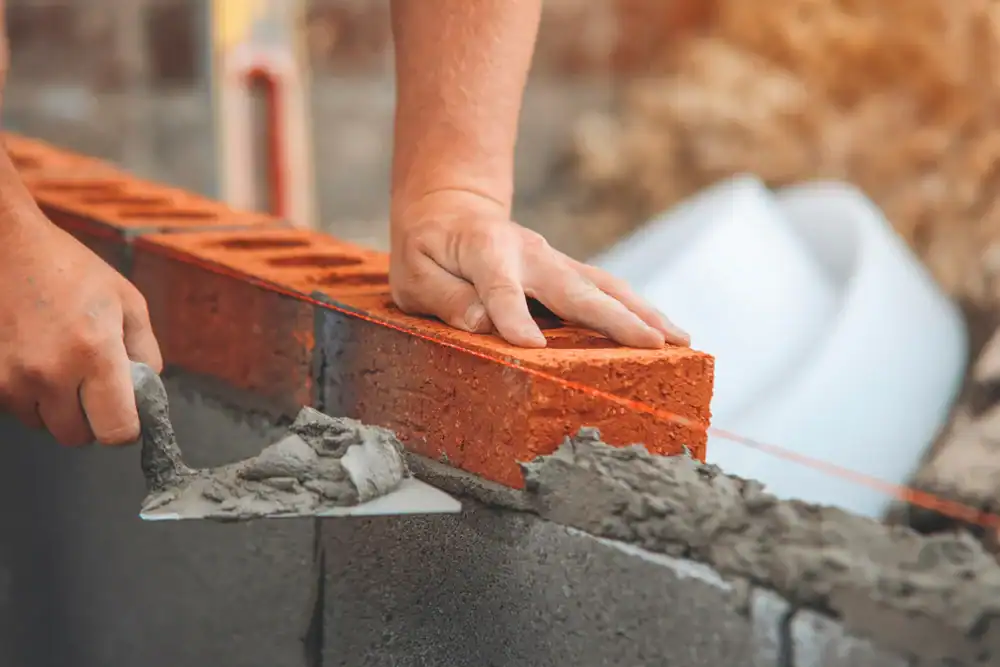

You’re not just looking at bricks and mortar. You’re looking at whether your front steps will stay level, whether your chimney will develop cracks, and whether water will find its way into your foundation during the next hard freeze.
Masonry done correctly stops those problems before they start. It means your retaining wall holds back soil without bowing. Your brick veneer doesn’t flake off in sheets after five winters. Your patio pavers stay flat and don’t sink into mud every spring.
The difference between masonry that lasts and masonry that fails comes down to prep work, material selection, and understanding how New Jersey weather attacks weak points. Most damage happens because someone skipped a step or used the wrong mortar mix for the climate. You end up paying twice—once for the original work, and again to fix it properly.
When it’s done right, you don’t think about it again. No annual repairs. No water seeping through cracks. Just solid construction that does its job for decades.
We’ve spent years working throughout Morris County, and Kinnelon specifically. We’ve seen what happens when masonry work gets rushed or done on the cheap—crumbling mortar joints, unstable steps, chimneys that lean, and brick faces that pop off in sheets.
That’s why we don’t cut corners on prep work or materials. Every job gets the same attention whether it’s repointing a small section of brick or building a full outdoor kitchen. We’re licensed, insured, and we follow New Jersey building codes because that’s the baseline for work that actually lasts.
Kinnelon homes deal with specific challenges—hilly terrain that puts pressure on retaining walls, mature trees that shift foundations, and the same freeze-thaw cycles that crack poorly installed masonry across North Jersey. We account for those factors in every estimate and every installation.

First, we come out to look at what you’re dealing with. If it’s a repair, we need to understand why it failed—was it poor drainage, wrong materials, or just age? If it’s new construction, we assess soil conditions, drainage patterns, and how the structure will handle seasonal ground movement.
You get a written estimate that breaks down materials, labor, and timeline. No vague “we’ll figure it out as we go” pricing. If we find something unexpected once we start—rotted wood behind brick veneer, for example—we stop and discuss it before adding costs.
During the work, we prep properly. That means excavating to stable soil for retaining walls, using the right mortar mix for the temperature and application, and installing proper drainage so water doesn’t pool behind your masonry. These steps take time, but they’re what separate masonry that lasts from masonry that fails in five years.
Once we’re done, you get a finished product that looks clean and functions correctly. We haul away debris, and we walk you through any maintenance you should know about—like when to reseal pavers or how to spot early signs of mortar deterioration.

Ready to get started?
We handle brick and stone repair, which includes repointing mortar joints, replacing damaged bricks, and fixing brick veneer that’s pulling away from the structure. Chimney repair is a big part of what we do—crown rebuilds, flashing replacement, and addressing cracks before they let water into your home.
Retaining walls are common in Kinnelon because of the terrain. We build them to handle soil pressure and water drainage, using proper base material and backfill so they don’t lean or collapse after a few seasons. Paver installation for patios, walkways, and driveways gets the same attention—correct base depth, edge restraints, and polymeric sand to keep everything locked in place.
We also install brick veneers, build outdoor kitchens, construct stone fire pits, and handle foundation work where masonry meets structure. Each project gets matched to the right materials for New Jersey weather. That means freeze-resistant pavers, breathable mortar mixes, and proper flashing details around chimneys and walls.
If you’re in Kinnelon and dealing with cracked masonry, failing retaining walls, or you want new stone work that actually lasts, this is what we do. No upselling into services you don’t need. Just honest assessment and solid work.

It depends entirely on the scope. Repointing a small chimney section might take a day. Rebuilding a failing retaining wall or installing a full paver patio can take a week or more.
Weather plays a role too. Mortar needs temps above 40°F to cure properly, so late fall and winter work sometimes gets delayed. We don’t rush jobs to hit a deadline if conditions aren’t right—that’s how you end up with mortar that crumbles in the first freeze.
During your estimate, we give you a realistic timeline based on the work involved and the season. If we hit delays because of rain or temperature, we let you know immediately. Most projects wrap up on schedule as long as we’re not dealing with hidden structural issues that need addressing first.
Freeze-thaw cycles are the biggest culprit. Water gets into small cracks, freezes, expands, and breaks the material apart. This happens every winter in Kinnelon, and it’s why proper mortar mix and drainage matter so much.
Rising damp is another issue, especially in older homes. Groundwater gets pulled up into masonry through capillary action, bringing salts with it. When the water evaporates, those salts crystallize and push the brick face off in sheets—that white powdery stuff you see is efflorescence, and it’s a sign of moisture problems.
Poor installation causes a lot of damage too. If someone used the wrong mortar type, skipped weep holes, or didn’t account for expansion joints, the masonry fails faster. We see this constantly—work that looked fine for a few years but didn’t have the details right, so it deteriorated quickly once weather got to it.
Brick and stone work generally runs $10 to $35 per square foot depending on complexity and materials. Simple repointing costs less than full brick replacement or custom stone installations. Most residential projects fall between $1,000 and $8,000, but larger jobs like extensive retaining walls or outdoor kitchens can go higher.
Hourly rates for masonry contractors range from $35 to $100, and most companies have minimum charges between $200 and $1,500 to cover mobilization and setup. You’re not just paying for labor—you’re paying for expertise, proper materials, and work that won’t need redoing in five years.
We provide written estimates that break down costs clearly. If you’re comparing quotes, make sure you’re comparing the same scope—some contractors lowball estimates by leaving out necessary prep work or using cheaper materials that won’t hold up. The lowest bid often costs you more in the long run when you’re paying for repairs.
It depends on what you’re building. Retaining walls over a certain height, structural changes to your home, and some chimney work require permits through Kinnelon’s building department. Smaller repairs like repointing or replacing a few bricks usually don’t.
New Jersey also has structural inspection requirements that took effect in 2024 for certain buildings, particularly those with masonry as a primary structural component. If your project involves significant structural work, it needs to meet current code requirements.
We handle permit applications when they’re required and make sure the work meets local building codes. Skipping permits might seem like it saves time and money, but it creates problems when you sell your home or file an insurance claim. Inspectors can tell when work wasn’t done to code, and you end up paying to redo it properly anyway.
Look for visible cracks in the mortar or bricks themselves. If mortar is crumbling and you can scrape it out easily with a screwdriver, it’s deteriorated past the point of doing its job. White staining (efflorescence) means water is moving through the masonry, which leads to freeze-thaw damage.
For chimneys specifically, check the crown at the top—cracks there let water straight into the chimney structure. Look at the flashing where the chimney meets the roof; if it’s rusted, loose, or has gaps, water is getting in. Inside, check for water stains on the walls near the chimney or a damp smell, which means water is penetrating somewhere.
Leaning or bulging walls are serious. That means the structure is failing and needs immediate attention before it collapses. If your steps feel unstable or have shifted, that’s a safety issue that should be addressed quickly. The longer you wait on masonry repairs, the more expensive they get—small cracks turn into large structural problems when water gets in and freezes.
Repointing means removing deteriorated mortar from the joints between bricks and refilling those joints with new mortar. The bricks themselves stay in place. This works when the bricks are still solid but the mortar has weathered away—which is common because mortar is softer than brick and designed to fail first.
Brick replacement is necessary when the bricks themselves are damaged—cracked, spalling (flaking apart), or so deteriorated they’ve lost structural integrity. We remove the damaged bricks and install new ones that match the existing size, color, and texture as closely as possible.
Sometimes you need both. The mortar is shot, and some bricks are damaged while others are fine. We assess the whole area and recommend the most cost-effective repair that actually solves the problem. Repointing is cheaper than replacement, but if the bricks are failing, repointing alone just delays the inevitable. We tell you what you actually need, not what generates the biggest invoice.
Other Services we provide in Kinnelon