

Water doesn’t care about your timeline. Once it gets into damaged masonry, it spreads fast—compromising your chimney’s integrity, creating fire hazards, and turning a $500 repair into a $5,000 emergency.
You need masonry work that actually holds up through New Jersey winters. Not patch jobs that look fine for six months, then fail when the freeze-thaw cycle hits. The right materials, installed correctly, mean you’re not dealing with the same problem next year.
Good masonry also changes how your property looks and what it’s worth. A well-built stone patio or properly maintained brick facade doesn’t just add curb appeal—it’s one of those upgrades that buyers notice during walkthroughs. In Morris County’s competitive market, that matters when you’re ready to sell or refinance.
We’ve spent nearly two decades working on residential and commercial properties across Northern New Jersey. We’re licensed, insured, and we know the local building codes that apply to masonry work in Morris County.
Lake Hiawatha homeowners deal with specific challenges—older homes with settling foundations, chimneys exposed to harsh winters, and brick that’s seen decades of weather. We’ve handled those issues hundreds of times. Our team doesn’t just show up with tools and hope for the best. We assess what’s actually wrong, explain what needs to happen, and give you a transparent quote before any work starts.
No hidden fees. No surprise charges halfway through the job. You’ll know what you’re paying and why.

First, we come out for a free estimate. You show us what’s damaged or what you want built, and we take a close look at the structure, materials, and any underlying issues that might complicate the job. If your chimney’s cracking, we’re checking for water damage and flue problems—not just slapping mortar on the surface.
Once you approve the quote, we schedule the work around your availability. We bring the right materials for your specific project, whether that’s matching brick for repairs or quality stone for new construction. Our crew handles demo, prep, installation, and cleanup. You’re not left with a mess in your driveway or half-finished work sitting for weeks.
During the job, if we find something unexpected—like hidden water damage or structural issues—we stop and talk to you before moving forward. You’ll know what it means for the timeline and cost before we proceed. After we’re done, we walk you through what we did and answer any questions about maintenance or warranty coverage.

Ready to get started?
We handle chimney repair and rebuilds, which is critical in Lake Hiawatha where older homes often have masonry chimneys showing wear from decades of use. Cracked flue liners and spalling bricks aren’t just cosmetic—they’re safety issues that can lead to carbon monoxide problems or house fires.
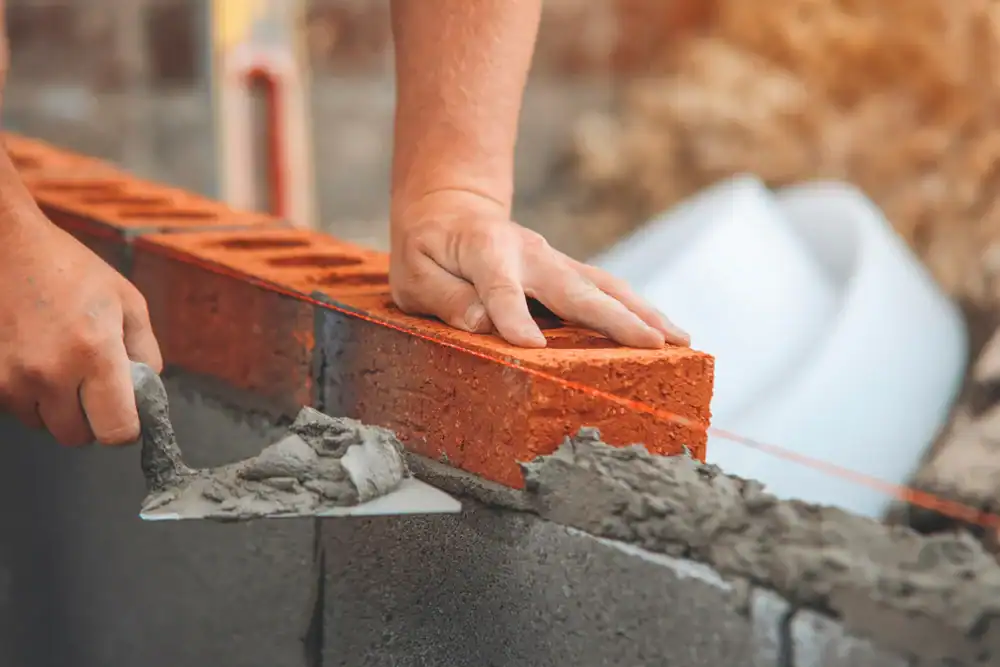
Brick and stone work includes everything from repointing mortar joints to building new retaining walls, patios, and walkways. If you’re dealing with a failing retaining wall, we rebuild it to proper specs so it actually holds back soil and water. For patios, we make sure the base is prepared correctly—poor drainage is why most masonry patios fail within a few years.
We also install and repair brick veneers, which are popular in Morris County for updating home exteriors without full siding replacement. Stone work and custom masonry projects round out what we do—whether that’s an outdoor fireplace, stone steps, or decorative elements that match your home’s style. Every project gets the same attention to structural integrity and long-term durability, because that’s what keeps you from calling someone else in two years to fix it again.

Most residential masonry projects in this area run between $1,000 and $8,000, depending on what needs to be done. Simple chimney repointing might cost $1,500 to $3,000, while a full chimney rebuild or large patio installation can reach $8,000 or more.
Hourly rates for masonry contractors typically range from $35 to $100 per hour, with minimum service fees between $200 and $1,500. Material costs vary too—brick and stone work averages $10 to $35 per square foot installed.
The real cost depends on the scope of damage, accessibility, materials needed, and whether there are underlying structural issues. A small crack in your chimney might only need repointing, but if water’s been getting in for years, you could be looking at flue liner replacement and brick rebuilding. That’s why we do free estimates—so you know exactly what you’re dealing with before committing to anything.
A straightforward chimney repair usually takes one to three days, depending on the extent of damage and weather conditions. Repointing mortar joints on a standard chimney can often be done in a day or two once we’re set up.
Larger projects like building a new patio or retaining wall typically take three to seven days. That includes site prep, base installation, laying the stone or brick, and finishing work. We’re not rushing through it—proper curing time for mortar and concrete is non-negotiable if you want the work to last.
Weather plays a role too. We can’t pour concrete or lay brick in freezing temperatures or heavy rain. Mortar needs the right conditions to cure properly, or it’ll fail within a year. If we’re scheduled and the forecast turns bad, we’ll reschedule rather than compromise the quality of your project. You’ll get a realistic timeline during your estimate based on the current season and project complexity.
Water is the biggest culprit. Bricks are porous—they absorb moisture like sponges. When that water freezes during New Jersey winters, it expands and cracks the brick from the inside out. This is called spalling, and once it starts, it accelerates quickly.
Chimneys also deal with extreme temperature swings. The inside gets hot from fireplace use while the outside stays cold. That constant expansion and contraction weakens mortar joints over time. Add in age—many Lake Hiawatha homes have chimneys that are 50+ years old—and you’ve got mortar that’s simply worn out.
Poor construction or lack of maintenance makes it worse. Chimneys without proper caps let water pour directly into the flue. Damaged flashing where the chimney meets the roof creates leaks. Creosote buildup inside can cause chimney fires that crack the flue liner. The earlier you catch these problems, the less expensive the fix. Waiting until bricks are falling off or you see water stains inside your home means you’re looking at a much bigger repair bill.
It depends on what you’re doing. Minor repairs like repointing mortar or fixing small cracks typically don’t require permits. But if you’re rebuilding a chimney, constructing a new retaining wall over a certain height, or adding a structure like an outdoor fireplace, you’ll likely need a permit from the township.
Morris County has specific building codes for masonry work, especially anything structural. Retaining walls over four feet tall almost always require permits and engineered plans. Chimney rebuilds need permits to ensure they meet fire safety codes and proper clearances.
We handle permit applications as part of our service when they’re required. We know what the township inspectors look for, and we build to code the first time so you don’t fail inspection. Skipping permits might seem like a shortcut, but it causes problems when you try to sell your home—buyers’ inspectors flag unpermitted work, and you’ll end up paying to fix it or losing negotiating power. Better to do it right from the start.
If you’re seeing a few cracks in the mortar joints or some minor spalling on a couple of bricks, repair is usually enough. Repointing the mortar and replacing damaged bricks can extend your chimney’s life by another 20-30 years if the overall structure is still sound.
Full replacement becomes necessary when the damage is extensive—large sections of brick are loose or falling off, the chimney is leaning, or there’s significant deterioration throughout. If the flue liner is cracked in multiple places or the chimney’s structure has been compromised by years of water damage, rebuilding is often more cost-effective than trying to patch everything.
During your free estimate, we’ll give you an honest assessment. We’ll show you what’s damaged, explain whether repair or replacement makes more sense for your situation, and break down the cost difference. Sometimes a partial rebuild—taking down the damaged top section and reconstructing it—splits the difference. You won’t get pressured into a full replacement if repairs will actually solve the problem. We’ve been doing this long enough to know the difference, and we’ll walk you through it so you can make an informed decision.
Late spring through early fall is ideal—roughly May through October. Temperatures are warm enough for mortar and concrete to cure properly, and you’re less likely to deal with rain delays or frozen ground.
Mortar needs temperatures above 40°F to set correctly. If it freezes before it’s fully cured, it’ll crumble and fail. That’s why we avoid masonry installation during winter months unless it’s an emergency repair that can’t wait. Even then, we take extra precautions with heated enclosures and cold-weather mortar mixes.
Summer can be tricky too—extreme heat causes mortar to dry too quickly, which weakens the bond. We work around that with proper hydration techniques and timing our pours for cooler parts of the day. If you’re planning a project, booking in spring gives you the best weather window and avoids the fall rush when everyone’s trying to finish outdoor work before winter. Emergency repairs happen year-round, but for planned projects, timing it right means better results and fewer weather delays.
Other Services we provide in Lake Hiawatha