

You stop worrying about water getting behind your brick veneer every time it rains. Your chimney doesn’t leak into the attic during winter storms. The retaining wall in your backyard stays level instead of bowing out after a few seasons.
Good masonry work means you’re not calling someone back in two years because the mortar’s crumbling or the stone facing is pulling away from the house. It means your property value stays protected, your energy bills don’t spike from drafts sneaking through deteriorated joints, and you’re not dealing with emergency repairs when a section of brick decides to let go during a freeze.
When masonry’s done right, it disappears into the background. It just works. No callbacks, no patch jobs, no wondering if it’ll make it through another winter. That’s what you’re paying for—work that doesn’t become your problem again.
We work throughout Lincoln Park and the surrounding New Jersey area on homes that need masonry done correctly. Many of the properties here were built in the 1970s, which means the original masonry is showing its age—cracked mortar joints, settling foundations, chimneys that leak, brick that’s lost its weather seal.
We handle the full scope: brick repair, stone veneer installation, chimney restoration, retaining walls, and tuckpointing. We also cover roofing, siding, and gutters, which matters because masonry problems rarely exist in isolation. A leaking gutter causes brick damage. A failing chimney cap leads to interior water damage.
You’re working with licensed contractors who understand how New Jersey weather affects masonry and what it takes to make repairs last. We’re available for emergency work when something can’t wait, and we price projects upfront so you know what you’re spending before we start.

We start with an on-site assessment. That means looking at the damaged or deteriorating masonry, checking for underlying issues like water intrusion or structural movement, and figuring out whether you need a repair or a replacement. We’re not upselling you on a full rebuild if tuckpointing will solve the problem.
Once we’ve identified what needs to happen, we walk you through the scope and cost. You’ll know what materials we’re using, how long the work takes, and what the finished result should look like. No surprises, no change orders unless something genuinely unexpected shows up.
The work itself depends on the project. Brick repair might mean removing and replacing damaged sections, re-pointing mortar joints, or sealing against moisture. Chimney work could involve rebuilding the crown, replacing the flashing, or addressing structural cracks. Stone veneer installation means proper substrate prep, moisture barriers, and secure anchoring so the stone doesn’t pull away over time.
We clean up when we’re done. You’re not left with piles of old brick or mortar dust all over your driveway. The job’s finished when it’s actually finished.

Ready to get started?
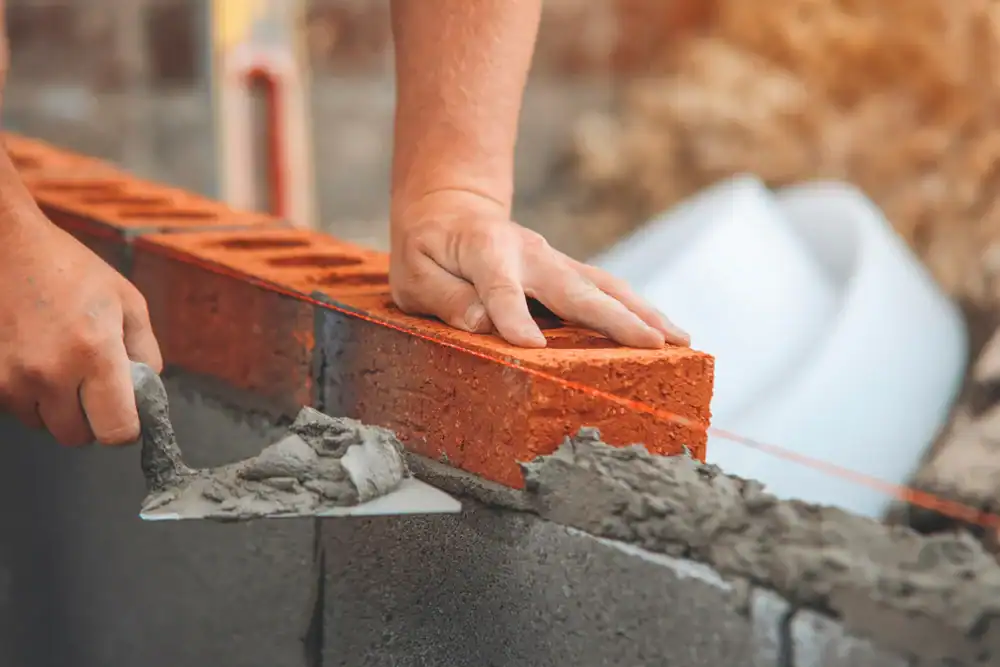
Brick repair is common in Lincoln Park because older homes develop cracks, spalling, and mortar deterioration from decades of freeze-thaw cycles. We remove damaged brick, match the existing material as closely as possible, and re-point the joints with mortar that’s properly mixed for New Jersey weather.
Chimney repair comes up frequently—leaking chimney caps, deteriorated flashing, cracked crowns, and failing mortar joints. A chimney that’s not sealed correctly lets water into your home, which leads to mold, rot, and expensive interior damage. We rebuild crowns, replace caps, install new flashing, and address structural issues before they become dangerous.
Stone veneer installation is popular for homeowners updating their exteriors. Real stone and manufactured stone both work, but the installation has to be done right—proper drainage, correct anchoring, and weather-resistant barriers. Done poorly, stone veneer traps moisture and fails within a few years.
Retaining walls need proper drainage and a solid base, especially in areas with clay soil that shifts when wet. We build walls that stay level and don’t bow out after the first heavy rain. Brick paving for walkways, patios, and driveways also requires the right base prep and joint sand to prevent settling and weed growth.

Mortar joints typically last 20 to 30 years in New Jersey before they need repointing, but that timeline gets shorter if the original work was done poorly or if the masonry’s been exposed to constant moisture. Freeze-thaw cycles are the main culprit—water gets into small cracks, freezes, expands, and breaks the mortar apart.
You’ll notice deterioration when the mortar starts crumbling out of the joints, when you see gaps between bricks, or when the surface of the mortar is flaking off. If you can scrape the mortar out with a screwdriver without much effort, it’s time for repointing.
Waiting too long means water gets behind the brick, which leads to interior damage, mold, and structural problems. Repointing costs a fraction of what you’ll spend fixing water damage inside your walls.
Chimney leaks usually come from a damaged crown, missing or deteriorated flashing, or a chimney cap that’s cracked or missing entirely. The crown is the concrete or mortar top that seals the chimney—it cracks over time from temperature changes and water exposure. Flashing is the metal seal where the chimney meets the roof, and it fails when it’s installed incorrectly or when the sealant breaks down.
We fix leaks by identifying where the water’s getting in. If the crown is cracked, we rebuild it with proper slope and weather-resistant materials. If the flashing is the issue, we remove the old flashing, install new metal flashing, and seal it correctly so water can’t penetrate. If the cap is damaged, we replace it with a new cap that keeps rain and animals out.
Ignoring a chimney leak means water damage to your attic, ceilings, and walls. It also accelerates the deterioration of the chimney itself, which can lead to structural failure and expensive rebuilds.
Tuckpointing and repointing are often used interchangeably, but technically tuckpointing refers to a specific decorative technique where you use two colors of mortar to create the appearance of fine joints. Repointing is the general term for removing old mortar and replacing it with new mortar.
You need repointing when the mortar joints in your brick or stone are deteriorating—crumbling, receding, or falling out. This happens naturally over time as mortar breaks down from weather exposure. In New Jersey, you’re looking at repointing every 20 to 30 years depending on the quality of the original work and how exposed the masonry is to the elements.
The process involves grinding out the old mortar to a certain depth, cleaning the joints, and filling them with new mortar that’s mixed to match the strength and color of the original. Using mortar that’s too hard can damage the brick, so the mix matters. Repointing extends the life of your masonry and prevents water from getting into the wall system.
Brick repair costs depend on the scope of the damage and what needs to happen. Small repairs—replacing a few damaged bricks or repointing a section of wall—might run a few hundred dollars. Larger projects like repointing an entire chimney, rebuilding a brick wall, or addressing structural issues can run several thousand.
The variables include how much brick needs to be replaced, whether we need to match custom or historic brick, how accessible the work area is, and whether there are underlying issues like water damage or structural movement that need to be addressed first. Chimneys cost more to repair because of the height and the need for scaffolding or roof access.
We price projects upfront after we’ve assessed the damage, so you know what you’re spending before we start. Delaying brick repair usually makes it more expensive because small problems turn into bigger ones—a few cracked bricks become a bowing wall, or deteriorated mortar leads to water damage inside your home.
Yes, we can install stone veneer over existing brick or siding, but it has to be done correctly or you’ll end up with moisture problems and veneer that falls off. The existing surface needs to be structurally sound, clean, and properly prepared. We typically install a weather-resistant barrier and a metal lath over the existing surface to give the mortar something to grip.
Manufactured stone veneer is lighter than natural stone, which makes it easier to install over existing surfaces. Natural stone is heavier and sometimes requires additional structural support depending on what’s underneath. Either way, proper flashing, weep holes, and drainage are critical—stone veneer needs a way for moisture to escape, or it traps water against your home and causes rot and mold.
We don’t recommend installing stone veneer over surfaces that are already damaged, deteriorating, or retaining moisture. If the underlying brick or siding is failing, we address that first. Covering up problems doesn’t make them go away—it just makes them harder and more expensive to fix later.
Brick repair means fixing specific issues—replacing a few damaged bricks, repointing mortar joints, sealing cracks, or addressing localized damage. Brick replacement means tearing out and rebuilding an entire section or wall because the damage is too extensive to repair or because the structure is failing.
You can usually repair brick if the damage is limited to a few cracked or spalled bricks, deteriorated mortar, or surface issues. You need replacement if the wall is bowing, if there’s widespread structural damage, if the brick is severely deteriorated throughout, or if water damage has compromised the wall system behind the brick.
We assess the extent of the damage and recommend the most cost-effective solution. Sometimes a repair buys you another 20 years. Sometimes the brick is too far gone and patching it is just throwing money away. We’ll tell you which situation you’re in and why.
Other Services we provide in Lincoln Park