

You’re not just fixing cracks or repointing mortar. You’re protecting one of the biggest investments you’ll ever make.
When masonry work is done right, your home stops losing heat through deteriorating mortar joints. Water stops sneaking into your basement through hairline cracks in cinder block foundations. Your chimney stops being a safety risk every time you light a fire.
And if you’re living in one of Maplewood’s Colonial Revival or Tudor homes built before World War II, proper masonry work means preserving the character that makes your property valuable in the first place. The right contractor knows how to match original materials, understands local clay soil issues, and won’t cut corners with mismatched mortar that stands out like a sore thumb.
You get a home that looks better, performs better, and holds its value. That’s what matters.
We’re not new to Essex County. We’ve pulled dozens of permits through Maplewood’s building department, and we know what inspectors are looking for.
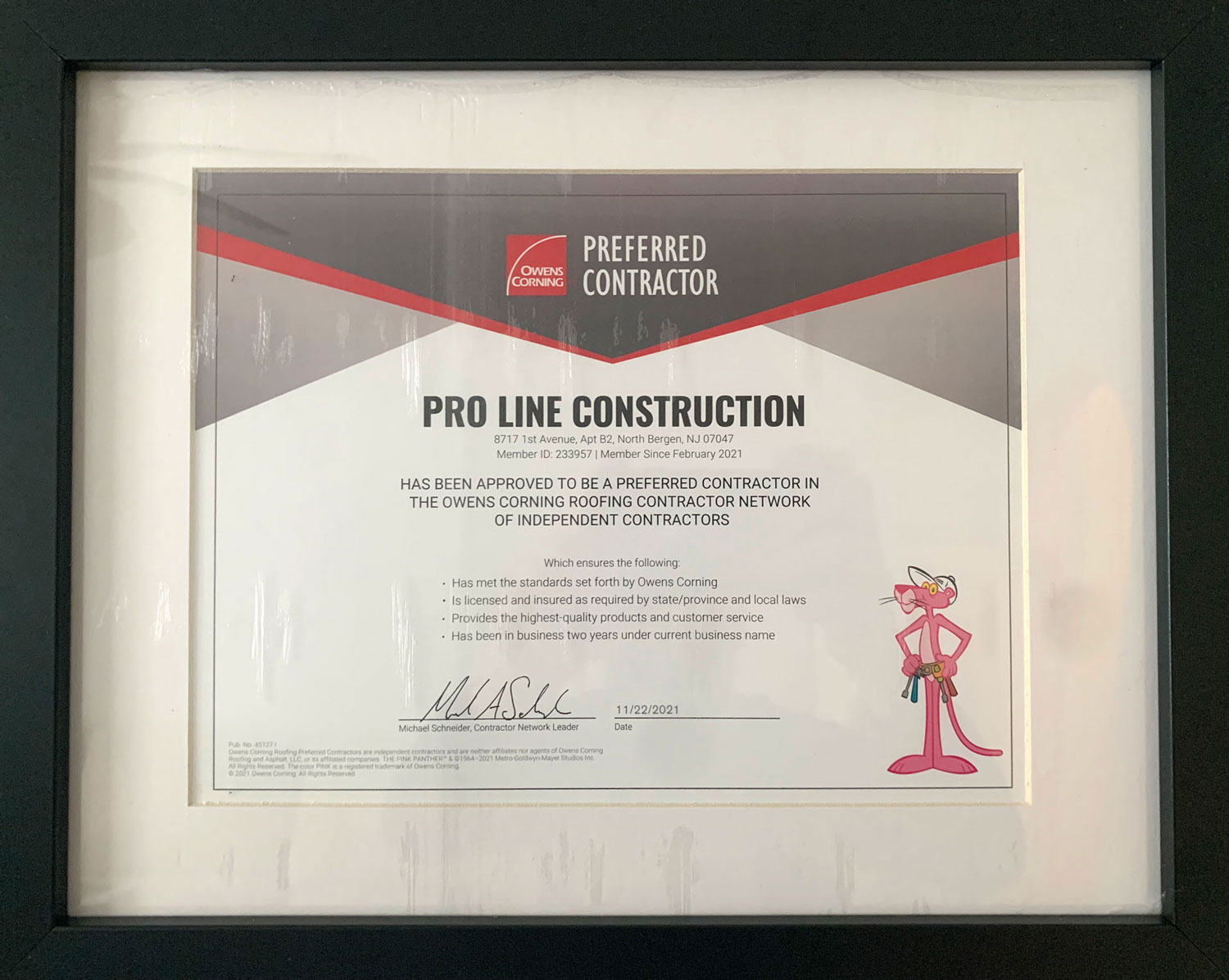
We’re licensed and insured, which should be table stakes but somehow isn’t in this industry. We also don’t disappear halfway through a job or surprise you with costs that weren’t discussed upfront.
Most of our work comes from homeowners in older neighborhoods who need someone who understands freeze-thaw cycles, drainage issues near the Rahway River, and how to work on homes with historical significance. If your house was built in the 1920s or 1940s, we’ve worked on others just like it.

First, we come out and assess what’s going on. That means looking at the visible damage, but also understanding why it happened—settlement, water intrusion, poor original workmanship, whatever it is.
Then we walk you through what needs to happen and what it’s going to cost. No vague estimates or “we’ll see when we get in there” nonsense. You’ll know the scope, the timeline, and the price before we start.
Once work begins, we handle permits if needed, match materials to your existing masonry, and complete the job without dragging it out for weeks. If we’re repointing brick, we’re using mortar that matches the original in strength and color. If we’re rebuilding a chimney, it’s going to meet code and last another 50 years.
You’ll get updates as we go, and when we’re done, the site gets cleaned up. No piles of old brick sitting in your driveway for a week.

Ready to get started?
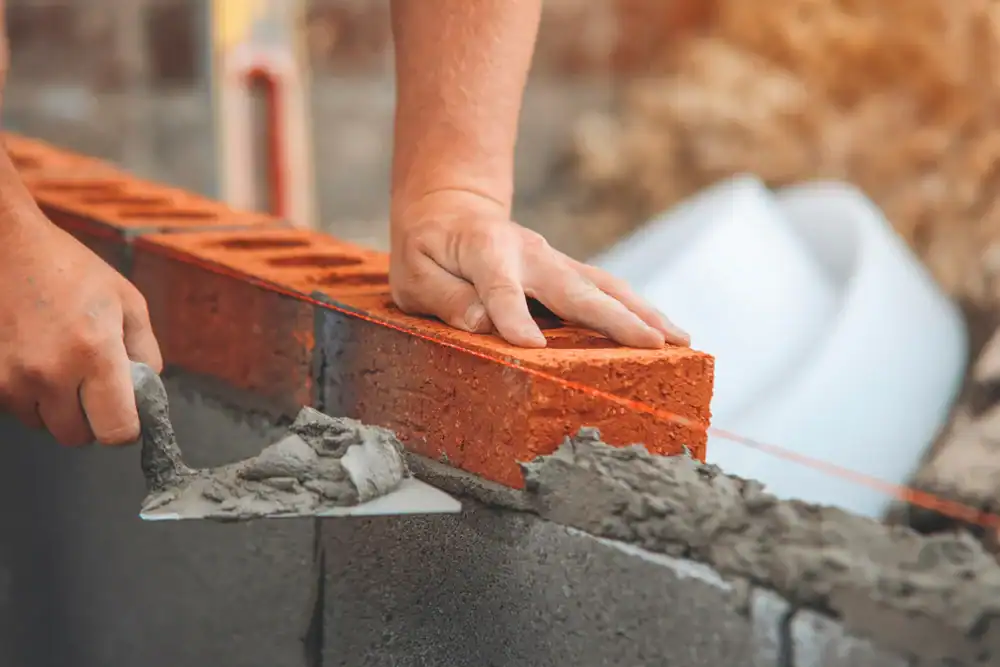
We handle brick and stone veneer installation, chimney repair and rebuilding, retaining walls, brick paving, and full masonry restoration. If it’s made of brick, stone, or block, we work on it.
For Maplewood homeowners, that often means repointing deteriorating mortar on 80-year-old façades, repairing cinder block basement walls that are starting to bow, or fixing chimneys that have been damaged by years of freeze-thaw cycles and water infiltration. These aren’t cosmetic issues—they’re structural problems that get worse and more expensive the longer you wait.
We also install stone and brick veneer for homeowners looking to upgrade curb appeal or add a custom outdoor fireplace or patio. The materials we use are built to handle New Jersey weather, and we’re not using the cheapest option just to keep our bid low.
If you’re trying to maintain a historic property, we source materials that match the original construction. That means finding the right type of face brick, mixing mortar to the correct strength, and making sure repairs blend in instead of standing out.

If the mortar between your bricks is crumbling, receding more than a quarter inch, or you can scrape it out with a flathead screwdriver, you need repointing. That’s the process of removing old mortar and replacing it with new material.
Repointing solves most problems if the brick itself is still solid. You can test this by tapping on the brick—if it sounds hollow or the face is flaking off (called spalling), that’s a bigger issue.
Full replacement is only necessary when the brick is too damaged to save or when there’s structural movement behind the wall. In Maplewood’s older homes, we see a lot of spalling from water getting behind the brick and freezing. If that’s caught early, repointing prevents it from spreading. If it’s ignored for years, you’re looking at a more expensive fix.
Chimneys take a beating. They’re exposed to rain, snow, ice, and temperature swings all year long. Water is the main culprit—it seeps into cracks, freezes, expands, and breaks apart mortar and brick from the inside out.
If your chimney is leaning, has visible cracks, or is dropping bits of brick into your yard, that’s urgent. A compromised chimney is a safety hazard, especially if you’re using your fireplace. Loose bricks can fall, and deteriorating flue liners can allow carbon monoxide or fire to escape into your home.
Even if the damage looks minor, it’s worth having someone take a look. Chimney repairs are way cheaper than chimney rebuilds, and a small crack this year can turn into a major structural problem in two or three freeze-thaw cycles. We’ve seen chimneys in Maplewood that needed full rebuilds because small issues were ignored for too long.
Yes, and it matters more than most people realize. Older homes in Maplewood were built with specific types of brick and softer lime-based mortars. If you use modern Portland cement mortar on a historic brick wall, it’s actually harder than the brick itself—which means the brick will crack before the mortar does.
We source materials that match the original construction. That includes finding the right color and texture of brick, and mixing mortar to the correct strength and shade. When the job’s done right, you shouldn’t be able to tell where the repair was made.
This isn’t just about aesthetics. Using the wrong materials can cause more damage over time and hurt your property value. If you’re in a historic district or applying for certain tax credits, matching original materials isn’t optional—it’s required.
It depends on the scope of work, but masonry is labor-intensive, and that’s where most of the cost comes from. Repointing a small section of brick might run a few hundred dollars. Rebuilding a chimney from the roofline up could be several thousand.
For context, basic brick repointing runs between $5 and $25 per square foot depending on the condition of the wall and how accessible it is. Chimney repairs vary widely based on height, extent of damage, and whether we’re just fixing mortar or replacing brick and flue liners.
We don’t give ballpark estimates over the phone because every job is different. What we will do is come out, assess the work, and give you a clear price before anything starts. No surprises, no “unforeseen circumstances” that double the cost halfway through. You’ll know what you’re paying and what you’re getting.
Solid brick construction means the walls are made entirely of brick—usually two or more layers thick. Most homes built before the 1950s in Maplewood are solid brick or brick with a cinder block backing.
Brick veneer is a single layer of brick attached to a wood or steel frame with a small air gap behind it. It’s not structural—it’s a façade. Most modern construction uses veneer because it’s faster and cheaper to install.
Both can look identical from the outside, but they’re repaired differently. Solid brick walls can often be repointed and stabilized if there’s settling or cracking. Veneer issues usually point to problems with the structure behind the brick, which means the fix involves more than just masonry work. If you’re not sure what you have, we can tell you during the assessment.
It depends on what you’re doing. Minor repairs like repointing usually don’t require a permit. Structural work, chimney rebuilds, new retaining walls over a certain height, or anything that affects the footprint of your home will need one.
Maplewood’s building department is pretty clear about what requires a permit, and we handle that process if your project needs one. Skipping permits might save time upfront, but it creates problems down the road—especially if you’re selling your home and the buyer’s inspector notices unpermitted work.
We’ve pulled dozens of permits in Maplewood, so we know what the inspectors are looking for and how to make sure the work passes. If you’re working with a contractor who tells you to skip the permit to save money, that’s a red flag.
Other Services we provide in Maplewood