

New Jersey weather doesn’t mess around. One winter of freeze-thaw cycles can turn small cracks into major structural problems. Water gets in, freezes, expands, and suddenly you’re looking at crumbling steps, leaning retaining walls, or chimneys that need complete rebuilds.
You’ve probably noticed it. That brick veneer that looked fine in September starts showing gaps by March. Your patio shifts. Your chimney develops cracks you can’t ignore anymore.
Proper masonry work stops that cycle. When brick paving is installed correctly with the right base and drainage, it doesn’t heave every spring. When mortar joints are repointed before water penetration becomes a problem, you’re not calling for emergency repairs during the next storm. When retaining walls are built with proper footings and drainage systems, they actually retain instead of collapse.
The difference isn’t just how it looks. It’s whether you’re dealing with the same problems year after year or actually solving them.
We’ve been handling masonry work in Nutley and throughout Essex County long enough to know exactly what fails here and why. We’re not a crew that shows up, does the work, and disappears. We’re licensed, insured, and local.
Nutley’s housing stock includes plenty of older homes with original brick and stonework that needs proper restoration, not quick patches. We’ve worked on everything from historic brick restoration on residential properties to commercial masonry projects that require permits and inspections.
You’re not getting a sales pitch. You’re getting a crew that knows the difference between cosmetic fixes and structural repairs, and we’ll tell you which one you actually need.

First, we assess what you’re dealing with. That means looking at the visible damage and figuring out what’s causing it. Is your chimney leaking because the crown is cracked, or because the flashing was never installed correctly? Are your steps failing because of poor drainage or because they were built without proper footings?
Once we know what needs fixing, we give you a transparent estimate. No hidden charges, no surprises halfway through. If we find additional problems during the work, we stop and discuss it before moving forward.
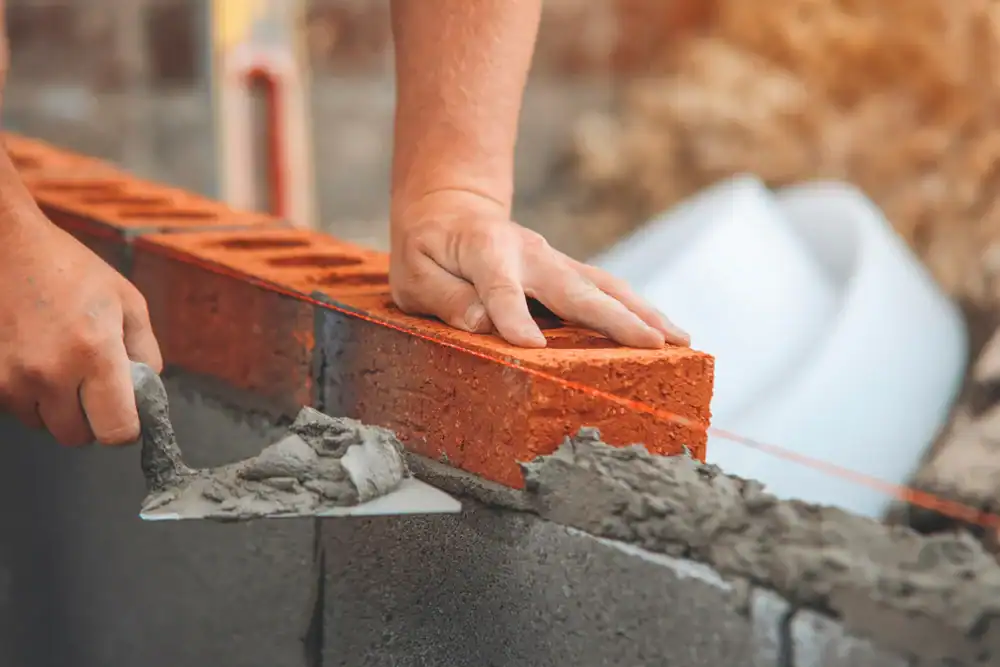
The actual work depends on what you need. Chimney repair might mean rebuilding the crown, repointing mortar joints, or replacing damaged bricks. Retaining wall installation means excavating, building proper footings, installing drainage, and then constructing the wall itself. Brick paving requires removing old material, grading and compacting the base, installing edge restraints, laying pavers, and sealing.
We don’t rush. Masonry work done fast is masonry work done wrong. Mortar needs time to cure. Bases need proper compaction. Details matter because they determine whether your project lasts five years or fifty.

Ready to get started?
You get work that’s built for New Jersey’s climate. That means understanding frost depth requirements, knowing which mortars work in freeze-thaw conditions, and installing proper drainage so water doesn’t destroy everything we just built.
Our masonry services cover the full scope: brick and stone veneer installation, chimney repair and rebuilding, retaining walls, patios, walkways, steps, driveways, and brick paving. We handle residential and commercial projects. We do new construction and restoration work on older properties.
Nutley’s real estate market is strong, with property values continuing to climb. That means masonry work isn’t just about fixing problems—it’s about protecting your investment. Properly maintained masonry significantly impacts curb appeal and resale value. Neglected masonry does the opposite.
We also handle masonry maintenance, which most people ignore until something fails. Regular repointing, sealing, and inspection catch problems early when they’re cheap to fix. Waiting until your chimney is leaning or your retaining wall is collapsing means paying for emergency repairs that cost five times more than preventive maintenance would have.
You’re also getting licensed, insured contractors who follow local building codes and pull permits when required. That matters when you sell your property or file an insurance claim.

It depends entirely on how it was built and whether it’s maintained. Properly installed masonry with correct materials and drainage can last 50+ years. Poorly installed work might fail in under five.
New Jersey’s freeze-thaw cycles are brutal on masonry. Water is the enemy. If water gets into brick, stone, or mortar and then freezes, it expands and causes damage. That’s why proper installation includes drainage systems, appropriate mortar types, and water-resistant details like chimney crowns and flashing.
Maintenance extends lifespan significantly. Repointing mortar joints before they deteriorate completely, sealing brick and stone, and addressing small cracks immediately—these things prevent major failures. Most masonry problems we see could have been avoided with basic maintenance that costs a fraction of what repairs end up running.
Repointing means removing deteriorated mortar from joints and replacing it with new mortar. Rebuilding means tearing down and reconstructing the masonry itself. You need repointing when mortar is damaged but bricks or stones are still solid. You need rebuilding when the structure is compromised.
Here’s how to tell: if mortar joints are cracked, crumbling, or recessed more than a quarter inch, you probably need repointing. If the wall is bulging, leaning, or has bricks that are loose or severely damaged, you’re looking at a partial or complete rebuild.
Repointing costs significantly less than rebuilding, which is why catching mortar deterioration early matters. Once water gets behind the brick and causes structural movement or freeze damage to the bricks themselves, you’ve moved from a maintenance issue to a reconstruction project. We’ll assess your specific situation and tell you honestly which one you’re dealing with.
There’s no honest way to give you a number without seeing the project. Repointing a small chimney might run a few hundred dollars. Rebuilding a collapsed retaining wall could be several thousand. The scope, materials, access, and extent of damage all factor in.
What we can tell you is that emergency repairs always cost more than planned work. If you’re calling because your chimney is actively leaking into your house or your steps just collapsed, you’re paying premium rates for immediate response. If you’re calling because you noticed some deteriorating mortar and want to address it before it becomes a problem, you’re paying normal rates for scheduled work.
We provide free estimates. We’ll come look at what you’re dealing with, explain what needs to happen, and give you transparent pricing with no hidden charges. If you want to break the project into phases to spread out costs, we can usually work with that as long as we’re addressing urgent issues first.
Some masonry work can be done in winter, but there are limitations. Mortar won’t cure properly when temperatures drop below 40°F, which means repointing, new construction, and any work requiring fresh mortar needs to wait for warmer weather.
However, some repairs can’t wait. If you have a chimney that’s actively leaking or a safety hazard like collapsing steps, we can do temporary stabilization work and emergency repairs even in cold weather. We use cold-weather techniques and materials when necessary, though permanent repairs often need to wait until spring.
The best approach is addressing masonry issues in fall before winter hits or scheduling work for spring. That gives us ideal working conditions and ensures proper curing. If you’re noticing problems now, call anyway. We can assess the situation, tell you what’s urgent and what can wait, and get you on the schedule for when conditions are right.
It depends on the scope of work. Minor repairs like repointing usually don’t require permits. Major work like building new retaining walls over a certain height, structural chimney rebuilds, or new construction typically does require permits from Nutley’s building department.
Permits aren’t just bureaucratic hassle. They ensure work meets code requirements for safety and structural integrity. They also matter when you sell your property—unpermitted work can cause problems during home inspections and title transfers.
We handle permit applications when they’re required. We know what Nutley’s building department requires, we pull the permits, we schedule inspections, and we make sure everything is documented properly. You don’t need to figure out the process yourself. If your project needs permits, we take care of it as part of the job.
Look for these signs: visible cracks in the chimney structure, crumbling mortar joints, leaning or tilting, damaged or missing chimney crown, water stains inside your home near the chimney, or pieces of brick or mortar in your fireplace. Any of these indicate problems that need professional assessment.
Minor issues like small cracks in the crown or deteriorated mortar joints between bricks can usually be repaired without full rebuilding. Major issues like structural leaning, extensive brick damage throughout the chimney, or severe water damage that’s compromised the integrity often require partial or complete reconstruction.
The only way to know for certain is having someone who knows chimneys actually look at yours. We’ll inspect from bottom to top, identify all issues, and tell you honestly whether you need repairs or rebuilding. Chimney problems don’t improve on their own—they get worse and more expensive. If you’re seeing warning signs, get it checked before next winter.
Other Services we provide in Nutley