

When water gets into cracks and freezes, it expands by 9%. That’s not a small problem in Roseland, NJ, where winter temperatures drop below freezing regularly. One season of ignored cracks can turn into thousands in foundation repairs.
Proper masonry work stops water before it becomes a structural issue. That means repointing mortar joints before they crumble, rebuilding chimneys before they lean, and installing retaining walls that actually drain correctly. You’re not just fixing what’s visible—you’re preventing what comes next.
Most masonry damage doesn’t announce itself. It starts small and gets expensive. The difference between an $800 repointing job and a $12,000 rebuild is usually just timing.
We handle masonry, roofing, and exterior work across Essex County. We’re based in Garfield and we’ve been working in Roseland long enough to know what fails here and why.
Roseland homes have a median build year of 1977. That means most of the masonry in town is approaching 50 years old, and a lot of it was built before modern drainage standards. We see the same issues repeatedly—deteriorating mortar, settling foundations, chimneys that weren’t flashed correctly.
We’re licensed, insured, and we pull permits when required. You’ll get an upfront estimate with no surprise charges, and we manage the project from start to finish.

We start with an on-site assessment. That means looking at the damage, checking for underlying issues like drainage or settling, and explaining what needs to happen and why. You’ll get a written estimate that breaks down labor, materials, and timeline.
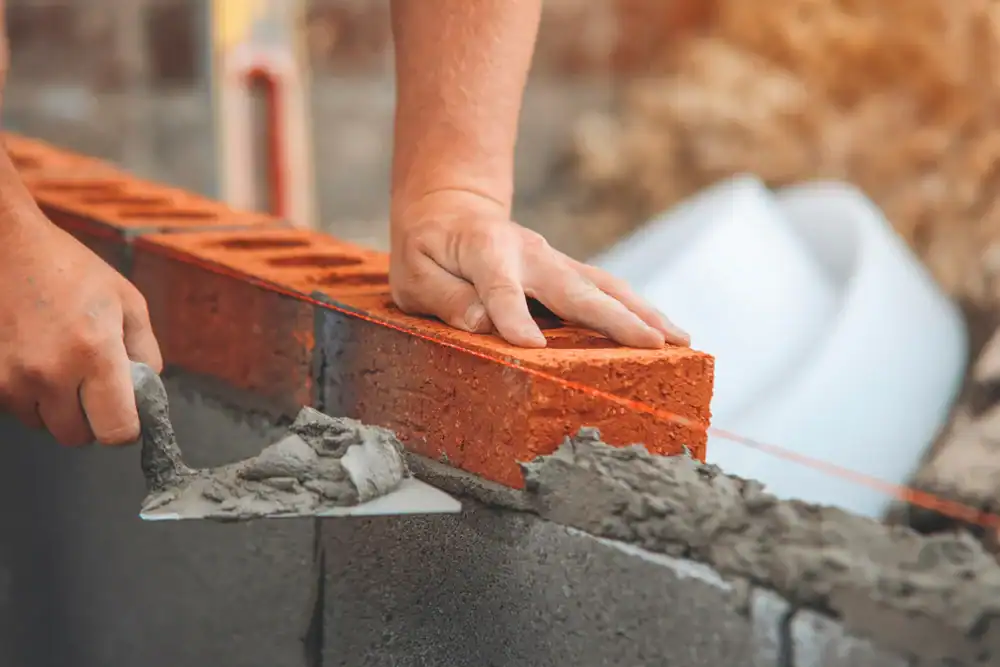
Once you approve, we schedule the work around weather. Masonry needs proper curing conditions—temperatures between 40°F and 90°F work best. We prep the site, remove damaged brick or stone, and rebuild using materials that match your existing structure. Mortar is mixed to the right consistency and tooled to shed water correctly.
After installation, we clean up completely and walk you through what was done. For repointing or repairs, you’ll see immediate improvement. For new installations like retaining walls or patios, there’s usually a curing period before heavy use. We’ll tell you exactly what to expect and when you can use the space.

Ready to get started?
We handle brick and stone repair, which includes repointing mortar joints, replacing damaged bricks, and rebuilding sections that have deteriorated. Chimney repair is a big part of what we do in Roseland—crown rebuilding, flashing replacement, and tuckpointing to stop leaks before they reach your roof.
For new construction, we install brick veneer, stone veneer, retaining walls, patios, walkways, and outdoor fireplaces. Retaining walls are especially important in Roseland, where sloped properties and drainage issues are common. A properly built wall includes a gravel base, drainage pipe, and a slight backward lean to handle water pressure.
Brick paving is another service we offer, whether it’s a driveway, patio, or walkway. We excavate to the correct depth, install a compacted base, lay pavers in your chosen pattern, and seal them to resist staining and freeze-thaw damage. Roseland’s property values and neighborhood standards mean your exterior work needs to look right and last—we make sure it does both.

Small repointing jobs typically run between $500 and $1,500, depending on the area and accessibility. If you’re repointing a chimney or a section of foundation, expect to pay toward the higher end. Larger projects, like repointing an entire home exterior, can range from $5,000 to $15,000 or more.
Brick replacement costs more than repointing because it’s more labor-intensive. If bricks are cracked, spalling, or missing, we remove them, source matching replacements, and rebuild the section. That usually costs $20 to $40 per square foot, depending on the type of brick and the complexity of the repair.
The key is catching problems early. A $700 repointing job now can prevent a $10,000 structural repair later. If you’re seeing crumbling mortar, gaps, or white staining on your bricks, get it looked at before winter.
Spring and early fall are ideal. Masonry materials need temperatures above 40°F to cure properly, and extreme heat or cold can cause problems. In Roseland, that usually means April through June and September through October are your best windows.
Winter work is possible in some cases, but it requires additives, heated enclosures, or other measures that add cost. Summer work is fine as long as we’re not pouring or laying in direct sun during a heat wave. Mortar that dries too fast can crack.
If you’re planning a project, book it a few weeks out. Spring fills up fast because everyone wants work done before summer, and fall gets busy with people trying to finish before winter. If you’re dealing with active damage, we’ll work with you to get it done safely regardless of season.
Small cosmetic cracks in mortar can sometimes be patched with a tube of mortar repair caulk from a hardware store. But if the crack is wider than a quarter-inch, goes deeper than the surface, or you’re seeing multiple cracks, that’s a sign of a bigger issue.
Structural cracks need professional assessment. They can indicate settling, water damage, or failing mortar that’s lost its bond. Patching over them without addressing the cause just hides the problem temporarily. Within a year or two, the patch fails and the damage spreads.
Repointing—removing old mortar and replacing it—requires the right tools, the right mortar mix, and the right technique. If the mortar is too hard or too soft compared to the brick, it can cause more damage. If it’s not tooled correctly, it won’t shed water. Most DIY repairs we’re called to fix end up costing more than if it had been done right the first time.
A properly built retaining wall should last 50 to 100 years. The key word is “properly.” That means a compacted gravel base, drainage pipe behind the wall, and construction that accounts for soil pressure and freeze-thaw movement.
Walls that fail early usually have drainage problems. Water builds up behind the wall, freezes, expands, and pushes the wall forward. Over time, it bows, cracks, or collapses. In Roseland, where we get significant rainfall and freezing winters, drainage isn’t optional.
We also see walls that were built without a proper footing or with mortar that wasn’t mixed correctly. If you’re noticing bulging, cracks, or leaning, don’t wait. A failing retaining wall can damage your foundation, your landscaping, and even your neighbor’s property. Get it assessed before it becomes a liability.
It depends on the scope of work. Structural repairs, new retaining walls over a certain height, and any work that affects your home’s foundation typically require a permit. Cosmetic repairs like repointing or replacing a few bricks usually don’t.
Roseland follows New Jersey building codes, and the local building department makes the final call. If a permit is required, we pull it, coordinate inspections, and make sure everything is up to code. Skipping permits might save time upfront, but it can cause problems when you sell your home or file an insurance claim.
If you’re unsure, we’ll check for you. It’s part of the estimate process. Permits add a little time and cost, but they also ensure the work is done correctly and documented properly. For most homeowners in Roseland, that peace of mind is worth it.
Repointing is removing deteriorated mortar from the joints between bricks and replacing it with fresh mortar. It’s the most common repair we do. When mortar crumbles or cracks, water gets in and the damage spreads. Repointing stops that process and restores the structural integrity of the wall.
Tuckpointing is a specific type of repointing where we use two colors of mortar—one that matches the brick and one that creates a thin, contrasting line in the center of the joint. It’s mostly decorative and was popular in older construction. In Roseland, we see it on historic homes or high-end custom builds.
Brick replacement is exactly what it sounds like—removing damaged bricks and installing new ones. We do this when bricks are cracked, spalling (flaking apart), or missing entirely. It’s more involved than repointing because we have to source matching bricks, remove the old ones without damaging surrounding areas, and rebuild the section. All three services restore your masonry, but the right approach depends on the condition of your brick and mortar.
Other Services we provide in Roseland