
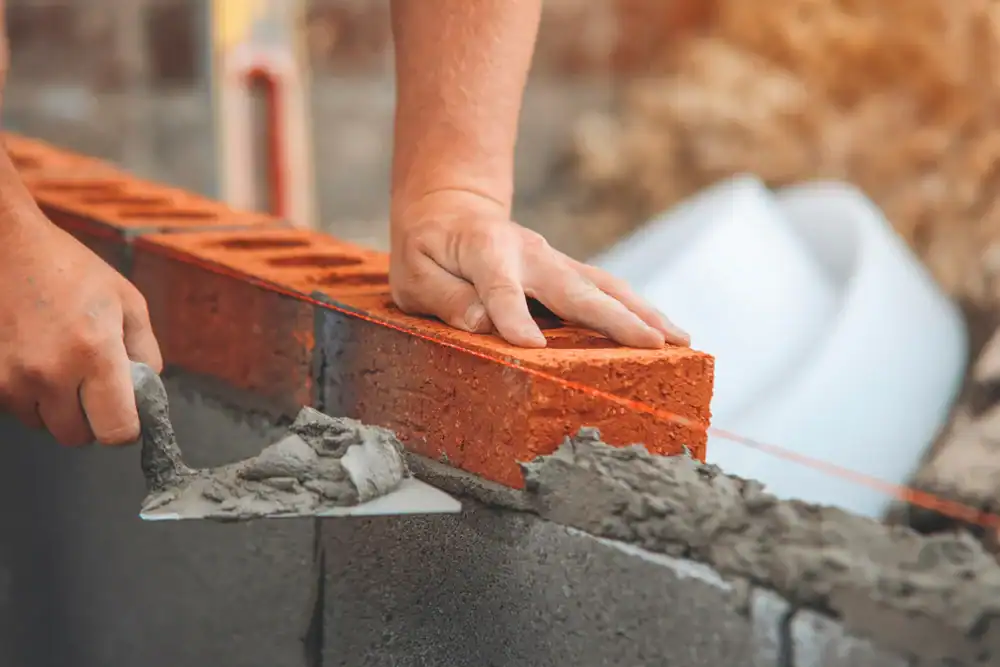

You stop worrying about someone tripping on those uneven steps. You stop watching cracks spread across your brick veneer every spring. You get masonry work that’s built to handle what New Jersey throws at it—freeze-thaw cycles, heavy snow, salt damage, all of it.
When masonry’s done right, it doesn’t just look better. It protects your property value. It keeps water out of places water shouldn’t go. And it means you’re not calling someone back in two years to redo what should’ve been done correctly the first time.
Most masonry problems in Silver Lake start small. A hairline crack in your retaining brick wall. A loose brick on your front steps. But water gets in, freezes, expands, and suddenly you’re looking at a rebuild instead of a repair. That’s the difference between catching it early with someone who knows what they’re doing versus waiting until it’s a bigger problem.
We work throughout Silver Lake and the surrounding New Jersey area. We’ve seen what happens when masonry isn’t built for this climate. We’ve repaired the shortcuts other contractors took. And we’ve helped plenty of homeowners fix problems before they turned into expensive disasters.
We’re not the cheapest option, and we won’t pretend to be. You’re paying for masonry installation and repair that follows New Jersey building codes, uses materials that last, and doesn’t need a do-over in three years. We discuss pricing upfront, no hidden charges, so you know exactly what you’re getting into before work starts.
Silver Lake properties deal with specific challenges—older homes with settling foundations, weather that’s hard on brick and stone, and steps that take a beating every winter. We’ve handled all of it.

First, we come out and look at what’s actually going on. Not just the obvious damage, but what’s causing it. Is it a drainage issue? Foundation movement? Just age and weather? You need to know what you’re dealing with before anyone starts tearing things apart.
Then we give you a detailed estimate. We break down what needs to happen, what materials we’re using, and why. If there are options—repair versus rebuild, different material choices—we walk through those with you. No pressure, just information so you can make the right call for your property and budget.
Once you’re ready to move forward, we handle permits if they’re needed. Plenty of masonry work in New Jersey requires compliance with local codes, and we make sure that’s covered. Then we do the work—brick repair, chimney restoration, new retaining walls, whatever your project involves—and we do it right the first time.
The job’s done when your masonry is structurally sound, properly sealed against weather, and built to last. We clean up the site, walk you through what we did, and make sure you’re clear on any maintenance that’ll help it hold up long-term.

Ready to get started?
Brick repair and restoration. If your brick is cracking, spalling, or showing water damage, we assess whether you need tuckpointing, partial replacement, or a more extensive fix. We match existing brick when possible so repairs blend in.
Chimney repair and rebuilding. Chimneys take a beating in New Jersey weather. We handle everything from repointing and crown repair to full rebuilds when the structure’s compromised. A failing chimney isn’t just an eyesore—it’s a safety issue and a water intrusion problem.
Retaining walls and stone work. Whether you need a new retaining brick wall or repairs to an existing one, we build for drainage and stability. Poor drainage is what kills most retaining walls in this area, so we make sure water has somewhere to go.
Brick veneers and paving. We install brick veneers that add curb appeal without the weight and cost of full brick construction. And if you want brick paving for walkways, patios, or driveways, we handle that too—with proper base preparation so it doesn’t shift or settle.
Steps and entryways. Masonry steps are a safety issue when they’re cracked or unstable. We rebuild them to code, with proper footings and materials that handle freeze-thaw cycles. Your steps should be safe for everyone who uses them, especially in winter.

It depends on the extent of the damage and what needs to happen. Minor tuckpointing and crack repair might run a few hundred dollars. A full step rebuild with new footings, proper drainage, and quality materials usually starts around $2,000 to $5,000, but complex jobs can go higher.
Here’s what affects the price: how many steps you have, whether the foundation underneath is stable, what materials you’re using, and whether we’re repairing or starting from scratch. If the problem is just surface-level cracking, that’s a straightforward fix. If the steps are sinking or pulling away from the house, we’re looking at more involved work.
We give you a free estimate that breaks down exactly what’s needed and why. No hidden fees, no surprises halfway through the job. You’ll know the cost before we start, and we’ll explain what you’re paying for so you can make an informed decision.
Freeze-thaw cycles. Water gets into small cracks, freezes when temperatures drop, expands, and makes the crack bigger. By spring, what was minor damage is now a structural problem. New Jersey winters are particularly hard on masonry because we get enough freeze-thaw cycles to do serious damage over time.
Salt makes it worse. Snow plow salt and de-icing chemicals break down masonry faster than weather alone. If your steps or walkways get salted every winter, that’s accelerating the degradation. Add in regular wear and tear, and you’ve got a recipe for cracks, spalling, and instability.
Poor installation is the other big factor. If the original masonry work didn’t account for drainage or wasn’t built on a proper foundation, it’s going to fail faster. Water needs somewhere to go. If it’s trapped behind or under your masonry, it’s going to cause problems no matter how good the materials are.
Sometimes. It depends on the scope of the project. Minor repairs like tuckpointing or small crack fixes usually don’t require a permit. But if you’re rebuilding steps, adding a retaining wall, or doing any structural masonry work, you probably need to comply with New Jersey Uniform Construction Code requirements.
Retaining walls over a certain height almost always need permits. Same with any masonry work that affects your home’s structure or foundation. Even something like a backyard patio can trigger zoning issues depending on size and location. It’s not worth skipping this step—unpermitted work can cause problems when you try to sell your property.
We handle permit applications when they’re needed. We know what Silver Lake and New Jersey require, and we make sure your project is compliant. That’s part of doing the job right—not just the physical work, but making sure it’s legal and won’t come back to bite you later.
Small repairs—tuckpointing, minor crack fixes—can often be done in a day or two. Larger projects like rebuilding steps, installing a retaining wall, or chimney restoration usually take several days to a couple of weeks, depending on complexity and weather.
Masonry work is weather-dependent. We can’t pour footings or lay brick in freezing temperatures or heavy rain. The materials won’t cure properly, and you’ll end up with work that fails prematurely. So if weather delays the project, that’s us protecting your investment, not dragging our feet.
We give you a realistic timeline upfront and keep you updated if anything changes. Most homeowners care more about the job being done right than it being done fast. Rushing masonry work is how you end up needing repairs again in a few years.
Usually, yes. Matching brick isn’t always perfect—older brick can be tough to source, and even the same brick type can look slightly different due to age and weathering. But we get close enough that most people can’t tell where the repair ends and the original work begins.
We bring samples when possible so you can see what the match will look like before we start. If exact matching isn’t feasible, we’ll tell you that upfront. Sometimes it makes more sense to replace a larger section so the new work blends better, rather than having one obviously different brick in the middle of your wall.
For brick veneers and decorative work, matching is usually easier because we have more control over material selection. For structural repairs on older homes, we do our best with what’s available. Either way, we’re transparent about what’s realistic before you commit to the work.
Repairing means fixing what’s there—filling cracks, replacing a few damaged bricks, repointing mortar joints. It’s less invasive, costs less, and works when the underlying structure is still sound. If the damage is mostly cosmetic or limited to a small area, repair is usually the right call.
Rebuilding means tearing out the damaged section and starting over. You need a rebuild when the foundation has failed, when there’s extensive cracking or structural movement, or when repairs would just be a temporary band-aid. Rebuilding costs more upfront, but it solves the actual problem instead of covering it up.
We assess which approach makes sense for your situation. Sometimes homeowners want to repair because it’s cheaper, but if the underlying issue isn’t fixed, they’ll be calling us back in a year or two. We’d rather be honest about what your masonry needs than sell you a repair that won’t hold up.
Other Services we provide in Silver Lake