
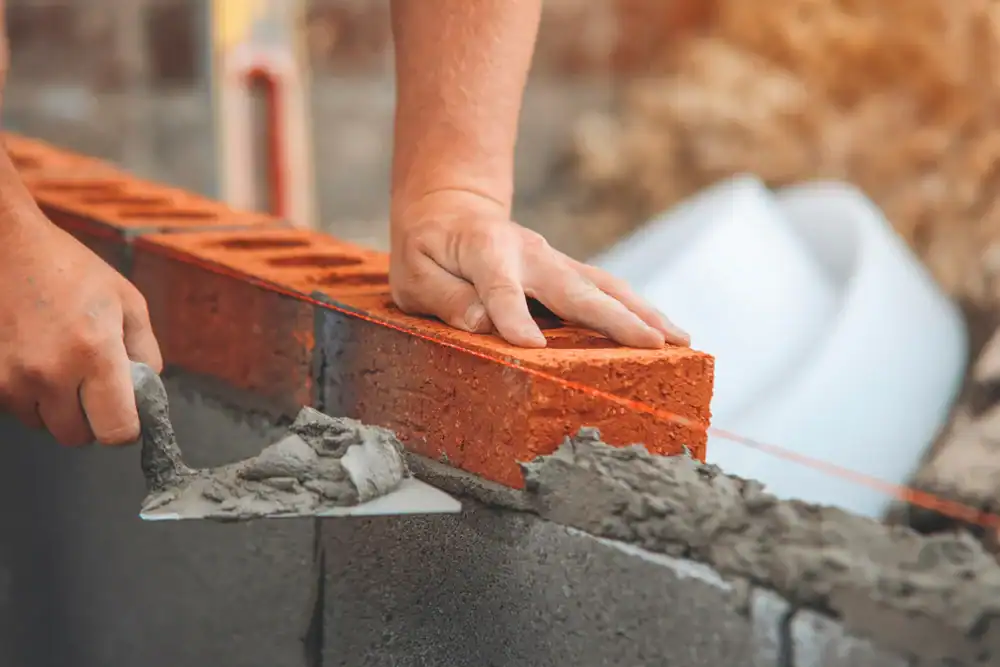

You’re not just fixing cracks or pointing bricks. You’re protecting your foundation from water damage that starts small and costs big. You’re keeping your chimney safe so it vents properly and doesn’t become a structural liability. You’re maintaining the curb appeal that makes South Orange Village homes worth what they’re worth.
Good masonry work means you’re not calling someone back in two years because the mortar’s crumbling again. It means your walkway doesn’t heave every spring, your retaining wall actually retains, and your brick veneer looks like it belongs on your home—not like an afterthought.
When the work’s done right, you stop worrying about it. The structure holds. The materials match. The investment pays off when you sell, or when you simply walk up to a home that looks exactly how you want it to.
We’ve spent over 27 years working on homes across New Jersey, and we’ve seen what happens when masonry gets done wrong. We’ve also seen what’s possible when it’s done right—especially in South Orange Village, where half the housing stock was built before 1939 and needs someone who understands historic brick, lime mortar, and how these older structures actually work.
We’re 25 minutes away, licensed and insured in New Jersey, and we don’t disappear after the job. Every project comes with a one-year guarantee because we’re not interested in shortcuts. We’re interested in doing the kind of work that holds up and that you’d actually recommend to someone else in town.

We start with an on-site assessment. That means looking at what’s damaged, what caused it, and what needs to happen to fix it for good—not just patch it. If your brick is cracking because of a drainage issue, we’re going to talk about drainage. If your chimney’s leaning, we’re going to talk about the foundation under it.
Once we know what we’re dealing with, we walk you through the scope, the timeline, and the cost. No hidden charges. No surprises halfway through. You’ll know what materials we’re using, why we’re using them, and what to expect each day we’re on-site.
Then we do the work. For historic homes, that often means sourcing period-appropriate materials—Type N mortar, color-matched brick, stone that actually fits the era. For newer builds or modern upgrades, it means clean lines, durable materials, and finishes that look sharp from day one. We clean up when we’re done, walk the site with you, and make sure you’re happy before we call it finished.

Ready to get started?
We handle brick and stone masonry from the ground up. That includes chimney repair and rebuilds, especially for the older chimneys common in South Orange Village that deal with deteriorating mortar and structural settling. We do brick pointing and repointing using the right mortar mix so it doesn’t damage softer historic brick. We build and repair retaining walls that manage water properly and don’t shift after one freeze-thaw cycle.
If you’re adding brick veneer, stone walkways, or custom patios, we match materials to your home’s style and make sure the installation lasts. We also handle foundation work, concrete masonry, and structural repairs where brick or stone is failing due to water intrusion, settling, or age.
South Orange’s clay soil and weather swings mean drainage matters. We don’t just fix what’s broken—we address why it broke. That might mean adding weep holes, improving grading, or reinforcing a structure that’s been compromised. The goal is to get it right so you’re not dealing with the same problem in three years.

Repointing works when the brick itself is still solid and it’s just the mortar that’s deteriorated. You’ll see gaps, crumbling mortar, or mortar that’s recessed more than a quarter inch from the face of the brick. That’s fixable without replacing the brick.
Replacement becomes necessary when the brick is cracked, spalling (flaking or chipping), or soft enough that it crumbles under pressure. Horizontal or stair-step cracks are red flags—they usually mean structural movement, not just surface wear. If water’s been getting behind the brick for a while, you might have damage to the wall substrate too, which means more than just repointing.
We’ll assess the extent of the damage during the estimate and tell you honestly what’s needed. In South Orange Village, a lot of pre-1930s homes used softer brick that’s more vulnerable to moisture damage, so catching it early makes a big difference in cost and scope.
Most historic homes in South Orange Village—especially those built before 1939—were constructed with lime-based mortar, which is softer and more flexible than modern Portland cement mortar. If you repoint old brick with hard cement mortar, it doesn’t flex with the building’s natural movement, and it traps moisture instead of letting it evaporate. That causes the brick to crack and spall.
The right choice for older homes is Type N mortar, which has a lower compressive strength and allows the wall to breathe. We also color-match the mortar to the original so the repair blends in instead of standing out like a patchwork.
For newer construction or structures that need more strength—like retaining walls or heavily loaded foundations—we use stronger mixes. But for historic restoration, softer is better. It protects the brick and keeps the repair from becoming the problem.
It depends on the scope. Repointing a chimney might take two to three days. Rebuilding a compromised chimney from the roofline up could take a week or more. A brick patio or stone walkway installation usually runs one to two weeks depending on size, grading work, and weather.
Larger projects—like a full foundation repair, extensive brick veneer installation, or a custom retaining wall—can take several weeks. We’ll give you a realistic timeline during the estimate and keep you updated if anything changes. Weather plays a role, especially with mortar curing, so we build in some buffer for rain delays or temperature issues.
We don’t rush the work to hit an arbitrary deadline. Masonry needs time to cure properly, and cutting corners on curing time leads to weak joints and callbacks. You’ll know upfront how long it should take, and we’ll keep the site clean and safe while we’re there.
Yes, and it’s something we do regularly for South Orange Village homes where matching the original material is important for both appearance and resale value. We source brick and stone that matches the color, texture, and size of what’s already there. For older homes, that sometimes means finding reclaimed brick from the same era or custom-ordering from suppliers who specialize in historic materials.
If an exact match isn’t available, we can get close enough that the repair blends in naturally, especially once the mortar is color-matched and the brick weathers a bit. We’ll show you samples before we start so you know what to expect.
For stone work, matching is more about finding similar color tones and textures. Natural stone varies, so perfect uniformity isn’t the goal—visual harmony is. We’ve worked on enough historic properties to know what looks right and what stands out in a bad way.
Chimneys lean or crack for a few reasons, and most of them come down to foundation movement or water damage. South Orange Village sits on clay soil, which expands when wet and contracts when dry. That constant movement can shift a chimney’s footing over time, especially if the original foundation wasn’t deep enough or if drainage around the base is poor.
Water is the other big culprit. When the chimney crown cracks or the flashing fails, water gets into the masonry. It freezes, expands, and creates pressure that cracks the brick and mortar. Over years, that weakens the structure until it starts to lean or separate from the house.
If your chimney’s leaning, it’s not something to ignore. A slight lean can become a collapse risk, and it usually means the footing has failed or the structure is compromised. We’ll assess the foundation, the masonry condition, and the flashing, then recommend whether it needs reinforcement, partial rebuild, or full replacement. Catching it early usually means a smaller fix.
Yes. If you’ve got a chimney that’s actively leaning, a retaining wall that’s collapsing, or structural brick damage that’s compromising your home’s safety, we can respond quickly. We’re close enough to South Orange Village that we can usually get someone on-site within a day or two to assess the situation and stabilize anything that’s urgent.
Emergency work might mean temporarily shoring up a wall, tarping a damaged chimney, or securing loose brick until we can schedule the full repair. We’ll walk you through what needs to happen immediately versus what can wait, and we’ll give you a clear plan and cost estimate before we proceed with permanent fixes.
Masonry emergencies don’t always look dramatic, but they can get expensive fast if ignored. A small crack in a foundation wall can turn into a major structural issue. A damaged chimney can leak water into your home and cause rot or mold. If something feels off, it’s worth having us take a look before it gets worse.
Other Services we provide in South Orange Village