

When your brick starts spalling or your chimney mortar crumbles, it’s not just ugly. Water gets in. Freeze-thaw cycles make it worse. What starts as a small crack becomes a structural problem that costs thousands more to fix later.
Proper masonry work stops that cycle. You get weather-tight joints that keep moisture out. Bricks that don’t pop off when temperatures drop. Chimneys that actually protect your home instead of becoming a fire hazard.
The difference shows up in your heating bills, your home’s value, and how often you’re calling someone back to fix the same problem. Good masonry work means you’re done dealing with it. Bad masonry work means you’re paying twice.
We work throughout Succasunna and Morris County on homes that deal with the same weather patterns, the same freeze-thaw damage, and the same building code requirements you’re facing. We’re licensed, insured, and we’ve seen what happens when masonry work gets done cheap versus done right.
You’ll get a free estimate that breaks down exactly what needs fixing and why. No hidden charges that show up later. No vague “we’ll figure it out as we go” pricing.
The team managing your project is the same team doing the work. That means when you have a question or something changes, you’re talking to someone who actually knows what’s happening on your property.

First, we come out to look at what you’re dealing with. Not a salesperson – someone who actually does the work and can tell you what’s causing the problem. You’ll get a detailed estimate that explains what needs to happen and what it costs.
Once you approve it, we schedule the work around your timeline. The crew shows up when we say they will, with the right materials and equipment to do the job. No waiting around wondering if today’s the day.
During the work, you’ll see what’s happening and why. If we find something unexpected – like hidden water damage or structural issues – we stop and talk to you before doing anything that changes the scope or price. When the job’s done, we walk through it with you to make sure everything’s solid. Then we clean up and get out of your way.

Ready to get started?
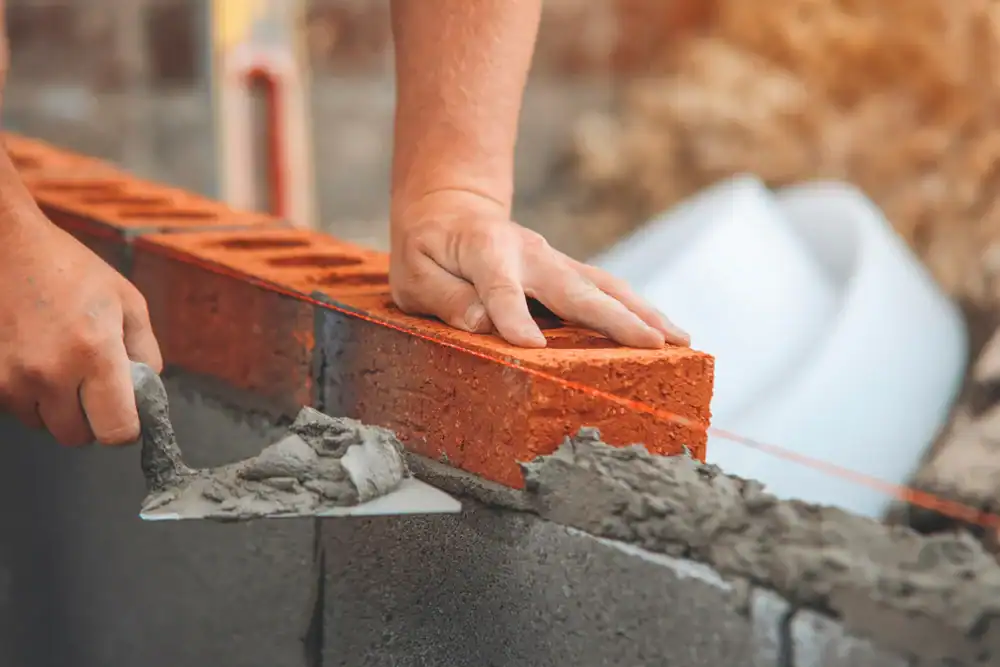
Brick repair and repointing is a big one around here. When mortar joints crack and crumble, we grind out the damaged material and repoint with mortar that’s mixed to match your existing brick. That’s important – wrong mortar mix causes more problems than it solves.
Chimney repair and restoration keeps your home safe. Chimneys take the worst weather exposure on your house, and they’re directly connected to fire risk. We rebuild deteriorated chimneys, replace damaged flue liners, and fix crowns that are letting water in.
Stone veneer installation and retaining walls add function and curb appeal. Whether you’re looking at a stone patio, a retaining wall that actually holds back soil without bowing, or veneer work that makes your home look better, the install has to be done right or you’re redoing it in five years. We handle drainage, proper footings, and the details that make masonry last in New Jersey’s climate.

Brick repair typically runs $500 to $2,500 for standard jobs, but that range shifts based on what’s actually wrong. If you’ve got spalling brick – where the face of the brick is popping off because water got in and froze – you’re looking at $1,000 to $3,500 because those bricks need to be removed and replaced, not just repointed.
Repointing costs less than replacement. If your mortar joints are crumbling but the bricks themselves are still solid, you’re paying for labor to grind out old mortar and repoint with new material. That’s the lower end of the range.
The size of the area matters obviously, but so does access. Second-story brick repair costs more than ground-level work because of scaffolding. And if there’s underlying water damage or structural issues causing the brick problems, that needs to be fixed first or you’re just putting new brick over a problem that’ll come back.
Spalling happens when water gets into your brick, freezes, expands, and breaks the brick apart from the inside. You’ll see the face of the brick flaking off, crumbling, or popping out completely. It’s one of the most common masonry problems in New Jersey because of our freeze-thaw cycles.
Water gets in through cracks in mortar joints, through the brick itself if it’s low quality, or from above if you’ve got problems with your roof, gutters, or chimney crown. Once it’s in there, winter does the damage.
Prevention means keeping water out. That’s proper repointing when mortar joints start to crack, fixing any sources of water coming from above, and in some cases applying a breathable masonry sealer. The key word is breathable – if you seal brick with the wrong product, you trap moisture in and make the problem worse. Good mortar joints and proper drainage are your best defense.
A straightforward repointing job on a small area might take one to two days. Larger brick repair projects, chimney rebuilds, or retaining wall construction can run one to three weeks depending on scope and weather.
Weather affects masonry work more than most construction. You can’t point brick or lay stone in freezing temperatures or heavy rain – the mortar won’t cure properly and you’ll have problems within a year. If we’re scheduled to work and weather doesn’t cooperate, we reschedule rather than doing substandard work.
The timeline also depends on what we find once work starts. Sometimes you don’t see the full extent of water damage or structural issues until you remove damaged brick. If that happens, we stop and talk to you about what needs to happen before moving forward. We’d rather add a few days to the schedule than rush through a job that won’t hold up.
It depends on what you’re doing. Minor repairs like repointing or replacing a few damaged bricks typically don’t require a permit. Structural work like building a retaining wall over a certain height, rebuilding a chimney, or adding stone veneer to your home usually does.
Morris County and Succasunna have specific building codes that masonry work needs to meet, especially for anything structural or fire-related like chimneys. Those codes exist because improper masonry work creates real safety issues – retaining walls that fail, chimneys that become fire hazards, or structural problems that affect your home’s integrity.
We handle permit requirements as part of the job. If your project needs a permit, we pull it, make sure the work meets code, and coordinate any required inspections. That’s part of being licensed and insured – we’re not cutting corners on the legal requirements that protect you and your home.
Repointing is removing damaged mortar from joints and filling them with new mortar. It’s a repair – you’re fixing joints that have cracked, crumbled, or fallen out. This is what most brick homes in Succasunna need every 25 to 30 years as mortar deteriorates from weather exposure.
Tuckpointing is a specific technique where you use two colors of mortar to create the appearance of very fine joints. You fill the joint with mortar that matches the brick color, then add a thin line of contrasting mortar down the center. It’s mostly aesthetic and you don’t see it much on residential homes around here.
When someone says they need tuckpointing, they usually mean repointing. The terms get used interchangeably, but what matters is that deteriorated mortar gets removed to the proper depth – usually about three-quarters of an inch – and replaced with mortar that’s the right mix for your brick. Too hard and it damages the brick. Too soft and it won’t last.
If the damage is limited to the crown, some repointing, or a few cracked bricks, repair makes sense. If you’ve got major structural issues – the chimney is leaning, large sections of brick are deteriorating, or the flue liner is damaged – rebuilding is usually the better call.
A leaning chimney means the foundation has failed or there’s serious structural damage. That’s not something you patch. Water damage that’s affected multiple courses of brick, especially near the roofline where exposure is worst, often means the interior structure is compromised too. At that point, rebuilding gives you a chimney that’s actually safe rather than one that’s been patched together.
The flue liner matters more than most people realize. If it’s cracked or damaged, combustion gases and heat can escape into your walls. That’s a fire hazard and a carbon monoxide risk. Sometimes you can reline an existing chimney, but if the chimney structure itself is failing, you’re rebuilding the whole thing. A proper inspection tells you what you’re actually dealing with instead of guessing.
Other Services we provide in Succasunna