
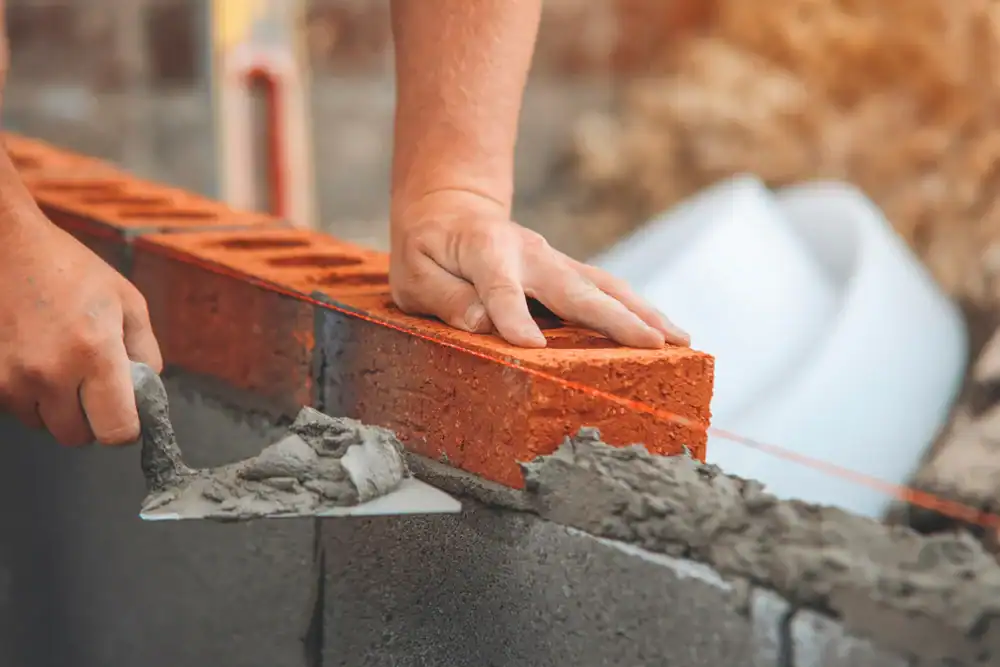

Your masonry should protect your foundation, not threaten it. When brick veneer, retaining walls, or chimney repair is done correctly, water stays out. Your structure stays stable. And you’re not calling someone back in two years to fix what should’ve been permanent.
Upper Montclair’s clay soil expands and contracts with moisture. The freeze-thaw cycle here is more aggressive than most towns. That’s not a sales pitch—it’s geology, and it matters for how brick paving, stone patios, and retaining brick walls are built.
Good masonry work accounts for drainage before the first brick goes down. It uses the right mortar mix for the climate. It doesn’t skip flashing or weep holes because they’re hidden. You end up with structures that look clean, function properly, and don’t develop cracks or water issues when the seasons change.
We’ve been handling masonry services across Northern New Jersey for over 27 years. We’re licensed, insured, and we’ve worked on enough historic homes in Montclair to know what the building codes require and what the architecture demands.
This isn’t a side service for us. Masonry installation, masonry maintenance, brick repair, chimney work, custom stonework—it’s what we do. We also handle roofing, siding, and gutters, which matters because water management and structural integrity don’t stop at one trade.
You’re not getting a crew that shows up once and disappears. We’re local, we’re accountable, and we give you a written one-year guarantee on workmanship because we plan to still be here when it matters.

First, we come out and look at what you’re dealing with. That means checking drainage, soil conditions, existing damage, and what’s causing it. If it’s a retaining wall failing because of water pressure, or a chimney leaning because the footing settled, we need to know why before we rebuild.
Then we give you a clear estimate. No hidden charges, no vague line items. You’ll know what materials we’re using, how long it takes, and what the work includes.
Once we start, we prep the site properly—excavation, grading, foundation work if needed. Then comes the actual masonry: laying brick, stone, or pavers with the right mortar, the right joints, and the correct slope for water runoff. We install flashing and weep holes where they belong, not where they’re easy.
After the work is done, we clean up and walk you through what was done. You’re not left guessing whether something was skipped or done halfway.

Ready to get started?
We handle brick veneer installation for homes that want the look and durability of real brick. We do chimney repair—rebuilding crowns, replacing flashing, repointing mortar joints that are letting water in. If your retaining brick wall is bowing or cracking, we’ll rebuild it with proper drainage so it doesn’t happen again.
Custom brick patios, walkways, and brick paving get built with a gravel base, sand leveling, and edge restraints. We’re not laying pavers on dirt and hoping they stay flat. Stone fireplaces, outdoor kitchens, and decorative stonework get the same attention to structure and weather resistance.
Upper Montclair has specific requirements for historic properties. We’re familiar with the zoning regulations and what the town expects for restorations. If your home is in a historic district, we know how to work within those guidelines without compromising the integrity of the repair.
Masonry maintenance is also part of what we do—repointing, sealing, minor repairs before they become expensive ones. A little attention every few years keeps brick and stone looking good and functioning the way it should.

If it’s done right, brick and stone masonry should last decades—often 50 years or more for structural work like foundations, chimneys, and retaining walls. Brick veneer and stone facades can last even longer if the mortar is maintained.
The bigger factor here is how it’s built. Upper Montclair’s freeze-thaw cycles and clay soil put more stress on masonry than you’d see in other areas. Water is the enemy. If drainage isn’t addressed, or if mortar joints aren’t tooled correctly, you’ll see deterioration in under 10 years.
Repointing mortar joints every 20 to 30 years is normal maintenance. Sealing brick paving or stone patios every few years helps too. But the core structure—if it’s built with proper footings, drainage, and materials—shouldn’t need major work for a very long time.
Water and freeze-thaw cycles. When water gets into mortar joints, it freezes, expands, and breaks the bond. That’s accelerated in Upper Montclair because of the clay soil, which holds moisture, and the hillside terrain, which channels water toward foundations and retaining walls.
If the wrong mortar mix is used—something too hard or too soft for the brick—it won’t flex with temperature changes. That leads to cracking. If the joints aren’t tooled properly, water sits in them instead of shedding off.
Poor drainage makes it worse. If water pools against a brick wall or under a patio, it’s constantly saturating the mortar. Add in winter, and you’re looking at rapid deterioration. Fixing it means repointing with the right mortar type and addressing the water issue, not just patching cracks.
It depends on the scope of work. Structural changes, new construction, or work on historic properties usually require permits. That includes building new retaining walls over a certain height, adding brick veneer to a home, or major chimney rebuilds.
Minor repairs—repointing mortar, fixing a few loose bricks, small patio repairs—typically don’t need permits. But if you’re in a historic district, even smaller projects might need approval to ensure the work matches the original architecture.
We handle permits and inspections as part of the job when they’re required. Montclair’s building department has specific codes, and we’re familiar with what they expect. Skipping permits on work that needs them can cause problems later when you sell or if the town notices unpermitted work.
Chimney repair costs vary widely depending on what’s damaged. Repointing mortar joints might run $1,000 to $3,000 for an average chimney. Rebuilding a chimney crown or replacing flashing can be $1,500 to $4,000. A full chimney rebuild from the roofline up can be $4,000 to $10,000 or more, depending on height and complexity.
If the chimney is leaning or the foundation has settled, that’s a bigger job. You’re looking at structural repairs, possibly rebuilding from below the roofline, which increases cost significantly.
The smartest move is addressing small issues before they become total rebuilds. Cracked mortar joints let water in, which leads to spalling brick, damaged flashing, and interior water damage. A $2,000 repointing job now can prevent a $10,000 rebuild later. We’ll assess what actually needs work and give you a clear breakdown of costs before anything starts.
Yes, but it takes more effort than standard repairs. Historic homes in Upper Montclair often use brick sizes, colors, and textures that aren’t made anymore. We source reclaimed brick or work with suppliers who carry close matches. Sometimes that means pulling brick from a less visible area and using new brick there instead.
Mortar matching is just as important. Old mortar was often lime-based and softer than modern Portland cement mixes. Using the wrong mortar on historic brick can cause damage because it doesn’t flex the same way. We mix mortar to match the original in color, texture, and hardness.
If your home is in a historic district, the work needs to meet preservation standards. That means matching materials, maintaining original details, and getting approval for changes. We’ve done enough historic restoration work in Montclair to know what’s required and how to do it without compromising the structure or the aesthetics.
Repointing means removing damaged mortar from the joints between bricks or stones and replacing it with new mortar. The brick or stone itself stays in place. It’s a maintenance task that extends the life of the masonry and stops water infiltration. You’d repoint when the mortar is cracked, crumbling, or recessed, but the brick is still solid.
Rebuilding means taking down part or all of the structure and reconstructing it. You’d rebuild when the brick itself is damaged—spalling, cracking, or structurally compromised—or when the wall is leaning, bulging, or failing. Rebuilding also happens when water damage or settling has made the structure unsafe.
Repointing costs significantly less and can be done in sections. Rebuilding is more invasive and expensive, but sometimes it’s the only real fix. If a retaining wall is bowing out or a chimney is leaning, repointing the mortar won’t solve the underlying structural problem. We’ll tell you honestly which one you need based on what we see during the inspection.
Other Services we provide in Upper Montclair