

You’ve seen the cracks. Maybe you’ve watched them grow over the last year or two. Water’s getting in somewhere, or you’re worried it will soon.
That’s what happens when mortar breaks down. New Jersey winters don’t help—freeze and thaw cycles make small problems bigger, fast. What starts as a hairline crack turns into spalling brick, water in your basement, or structural issues you can’t ignore anymore.
Here’s what changes when the work’s done right. Your brick stops shedding. Water stays outside where it belongs. The chimney that worried you every winter becomes something you don’t think about. Your home looks the way it should—solid, clean, and well-maintained.
You’re not just fixing what’s broken. You’re protecting what you own from getting worse.
Proline Construction has worked on hundreds of homes across Bloomfield Township and the surrounding area. Most of them look a lot like yours—early 1900s construction, brick exteriors, chimneys that need attention.
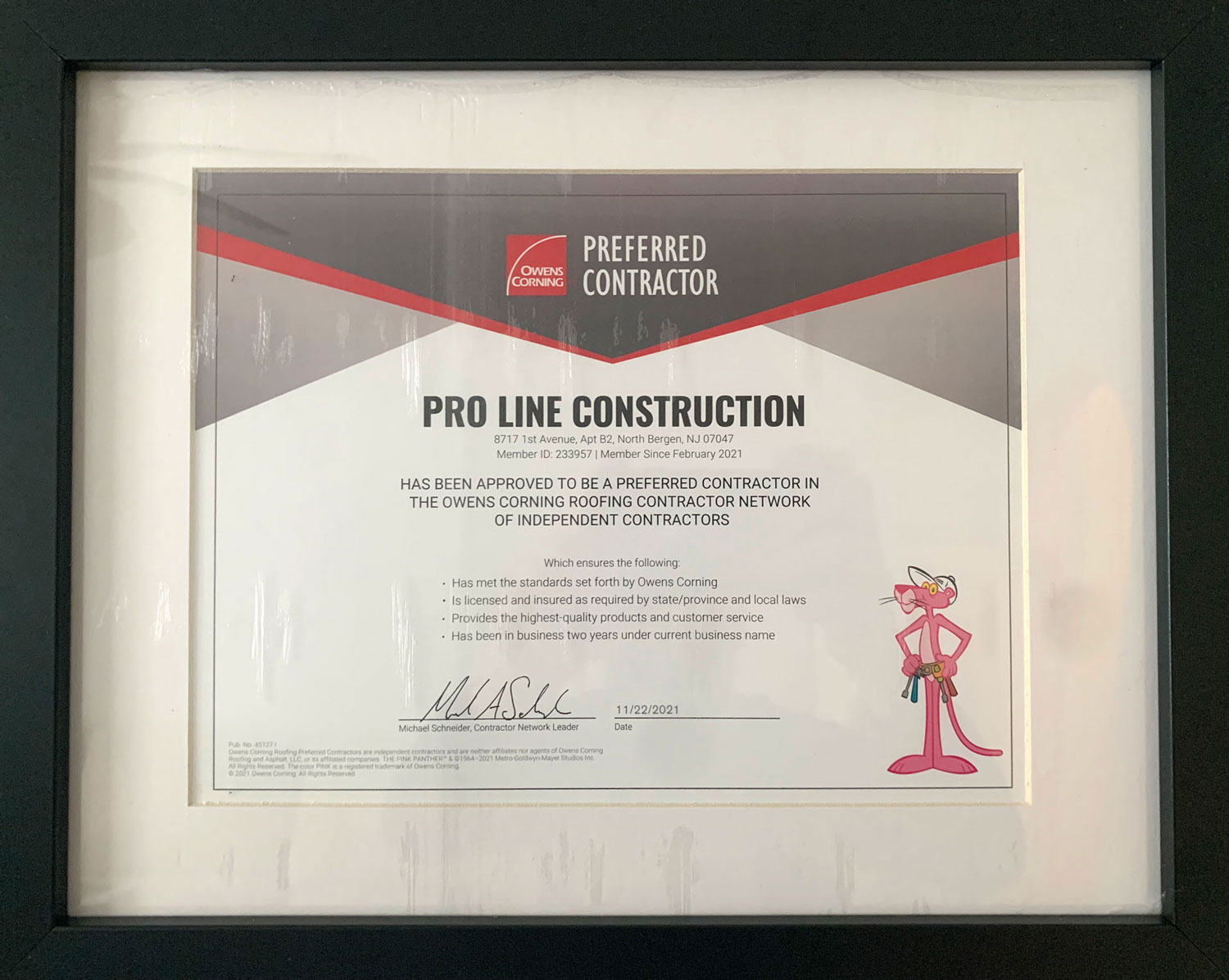
We’re licensed, insured, and we don’t cut corners. Our crews know how to match mortar to your original construction, not slap on whatever’s cheapest. We understand what these homes need because we’ve been repairing them since before Watsessing became the market it is today.
You’ll get a free estimate that breaks down exactly what needs to happen and what it costs. No hidden fees. No pressure. Just honest pricing and work that holds up.

First, we come out and look at what’s going on. We’ll check for cracks, loose mortar, spalling brick, water damage—anything that’s causing problems or could down the road. You’ll get a clear explanation of what needs fixing and why.
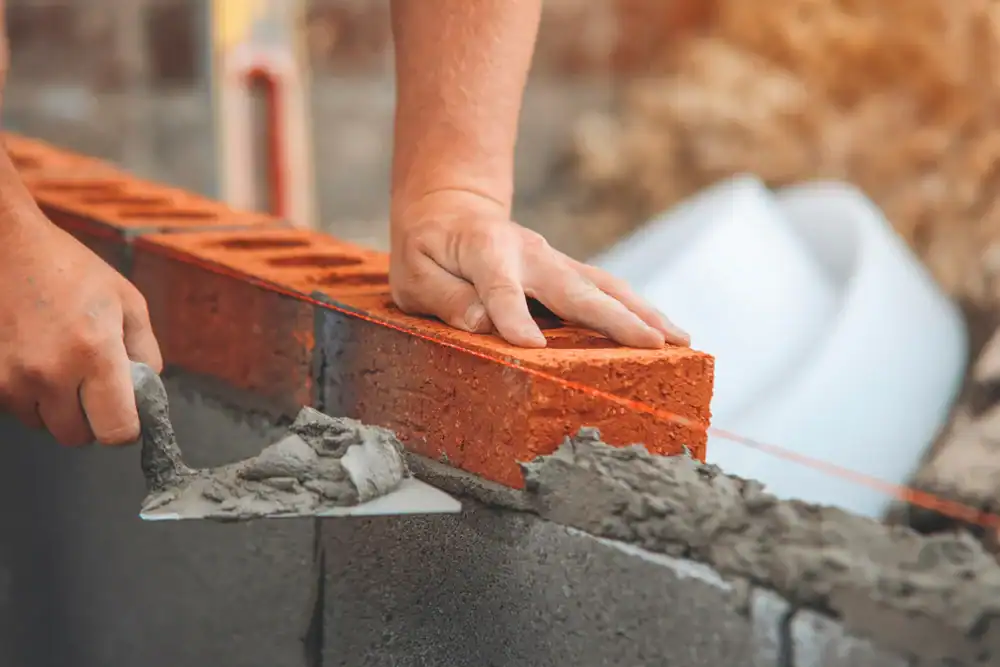
Once you approve the estimate, we schedule the work. Our crew shows up on time, preps the area, and gets to it. For tuckpointing, that means grinding out old mortar to the right depth, mixing new mortar that matches your existing color and strength, and repointing each joint properly. For brick repair, we remove damaged brick, prep the area, and install replacement brick that blends with your existing wall.
Chimney work follows the same approach—remove what’s compromised, rebuild with the right materials, and make sure everything’s structurally sound and watertight. We clean up when we’re done. You’re left with work that looks good and lasts.

Ready to get started?
We handle brick and stone repair, tuckpointing, chimney masonry, retaining walls, brick paving, and veneer installation. If it’s masonry, we do it.
Watsessing homes deal with specific challenges. Your house was built when craftsmanship mattered, but a century of weather takes its toll. Mortar joints deteriorate faster here because of our humidity and temperature swings. Brick spalling happens when water gets in, freezes, and breaks the face off the brick. Chimneys crack and lean when the foundation settles or mortar gives out.
We use materials that match your home’s original construction. That matters more than most people realize. Modern mortar is often too hard for old brick—it doesn’t flex, so the brick cracks instead of the joint. We mix mortar to the right strength and match the color so repairs blend in.
You’re also getting contractors who show up when they say they will, finish on schedule, and don’t leave your property a mess. That shouldn’t be special, but it is.

Most tuckpointing jobs in Watsessing run between $10 and $25 per square foot, depending on the height of the work, how damaged the mortar is, and how much prep is needed. A typical two-story home might need 400 to 800 square feet of repointing, putting the project somewhere between $4,000 and $15,000.
If you’re only fixing one wall or a chimney, costs drop significantly. The price goes up if we’re working above the second story, dealing with severe deterioration, or matching unusual mortar colors.
We give you a free estimate that breaks down the square footage, the per-foot cost, and what’s included. No guessing, no surprise charges later.
Properly done tuckpointing lasts 20 to 30 years in this area, sometimes longer if the brick is in good shape and water drainage is managed well. The lifespan depends on the quality of the mortar mix, how well it’s applied, and how much freeze-thaw action your walls get.
If mortar starts failing in five or ten years, it’s usually because the mix was wrong—too hard, too soft, or not matched to the original construction. That’s why we test and match mortar strength to your existing brick.
You’ll know it’s time for repointing again when you see gaps, crumbling mortar, or cracks that let water through. Catching it early prevents bigger problems.
Yes, but it takes more effort than grabbing whatever’s at the supply house. Old brick has different colors, textures, and firing methods than modern production brick. We source reclaimed brick when possible or work with suppliers who carry heritage-style brick that comes close.
The goal is a repair that doesn’t stand out. That means matching size, color, texture, and even the mortar joint profile. Sometimes we’ll weather new brick slightly so it blends better with the aged brick around it.
Perfect matches are rare, but close matches are very doable. After a year of weathering, most repairs blend in well enough that you’d have to know where to look.
Spalling happens when water gets into the brick, freezes, and expands. The face of the brick pops off in layers. It’s common on north-facing walls, chimneys, and anywhere water sits on the brick surface.
Once a brick spalls, you can’t repair it—you replace it. We remove the damaged brick, prep the opening, and install a matching replacement. If multiple bricks are spalling in the same area, that’s a sign of a bigger moisture problem. We’ll look for the source—failed mortar joints, missing chimney caps, clogged gutters—and fix that too.
Catching spalling early saves money. One or two bricks is a small job. A whole wall section is not.
It depends on the scope of work. Minor repairs like tuckpointing or replacing a few bricks usually don’t require a permit. Structural work, new construction, or anything that affects the building’s load-bearing capacity does.
Chimney rebuilds often need permits, especially if you’re altering the height or structure. Retaining walls over a certain height require permits and sometimes engineering.
We handle permit applications when they’re needed. It’s part of the process, and we make sure the work meets local building codes. You don’t have to deal with the township—we do.
Sooner is always better. Small cracks let in water, which leads to bigger cracks, spalling, interior damage, and eventually structural problems. What costs $500 to fix now could cost $5,000 if you wait two years.
If you’re seeing cracks wider than a quarter inch, mortar that crumbles when you touch it, or any brick that’s flaking or falling apart, get it looked at. Even if it doesn’t seem urgent, water damage accelerates fast in New Jersey’s climate.
We’ll come out, assess what’s happening, and tell you what needs fixing now versus what can wait. No charge for the estimate, and no pressure to do anything you’re not ready for.
Other Services we provide in Watsessing