

You stop worrying about water getting into your chimney every winter. The cracks in your brick veneer aren’t spreading anymore. Your retaining wall holds without bowing or shifting.
That’s what proper masonry does. It removes problems instead of creating new ones.
Most homes in West Orange were built before 1960. That means older brick, aging mortar joints, and chimneys that have seen fifty-plus freeze-thaw cycles. When you address these issues with the right materials and techniques, you’re not just fixing what’s broken. You’re preventing the next round of damage before it starts.
Brick that’s repointed correctly doesn’t let moisture behind the wall. Chimneys rebuilt to current code don’t leak or crack. Retaining walls installed with proper drainage don’t fail after the first heavy rain. The work either holds up or it doesn’t—and when it does, you get to stop thinking about it.
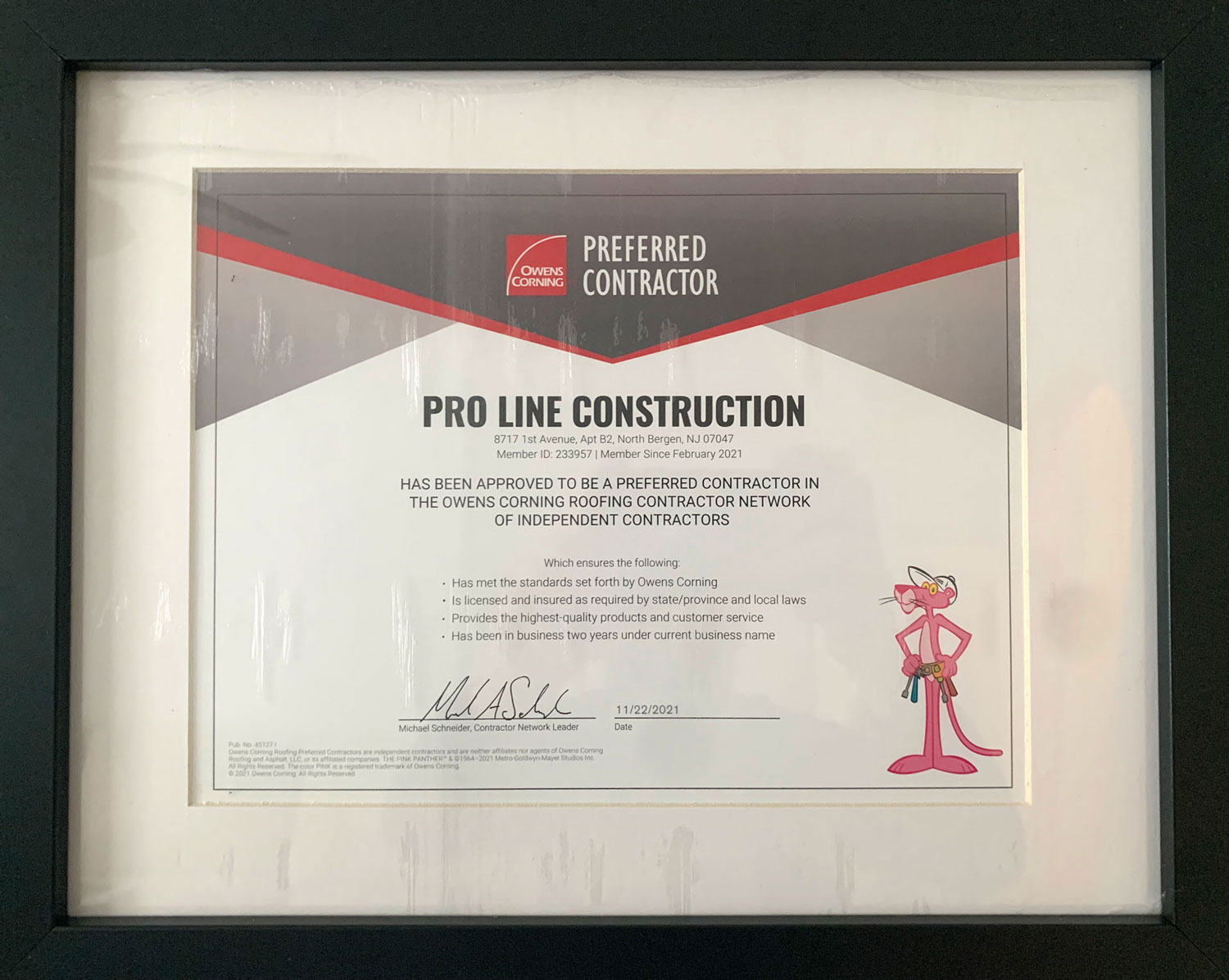
We hold NJ License #13VH12693500. We’ve pulled permits through West Orange’s Building Department more times than we can count, and we know what inspectors look for because we’ve been through the process repeatedly.
John, the owner, answers the phone. He’s on-site for major projects. That’s not a marketing line—it’s how we operate.
West Orange has specific challenges. Homes on hillside lots deal with foundation movement. Older chimneys need period-correct materials to match the original construction. Brick facades require Type N mortar for the right balance of strength and flexibility in this climate. We’ve handled all of it, and we know what works here because we’ve seen what fails.

First, we come out to look at what’s going on. Not a salesperson—someone who actually does the work. We’ll tell you what needs to be fixed, what can wait, and what’s going to cause bigger problems if you ignore it.
Then we give you a price. No hidden charges, no surprises halfway through the job. If the scope changes, we talk about it before we do anything different.
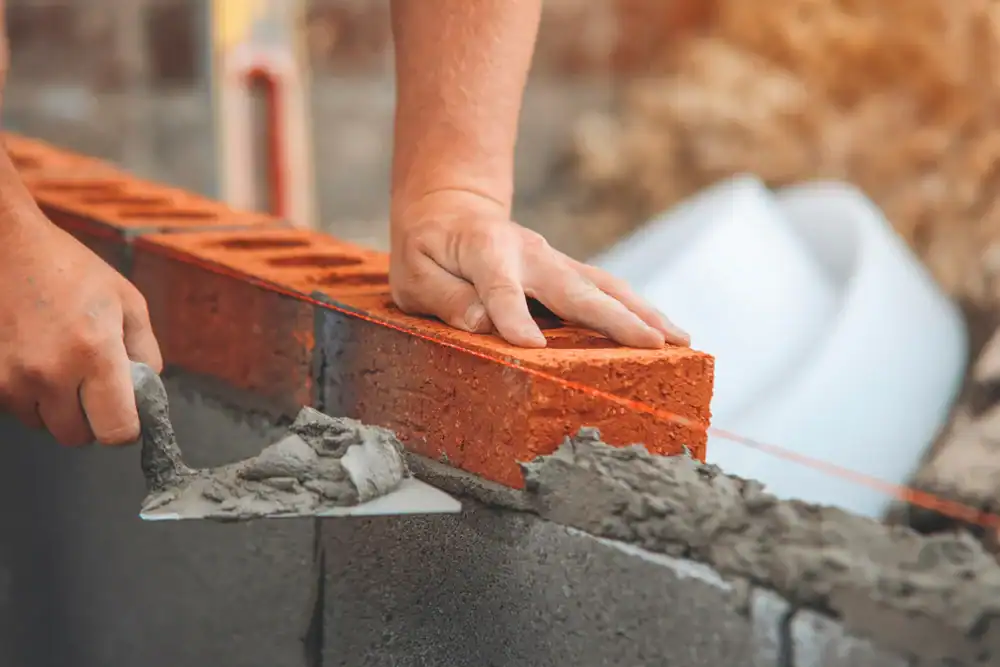
Once we start, we show up when we say we will. We prep the area, protect your property, and get the work done without dragging it out. For brick repair and tuckpointing, that means removing old mortar to the right depth, mixing mortar that matches your existing color, and filling joints so they’re watertight. For chimney work, we’re often rebuilding from the roofline up, sourcing brick that matches, and making sure the flashing is sealed correctly. Retaining walls get proper footing, drainage stone behind the wall, and cap stones that shed water instead of trapping it.
When we’re done, we clean up. Then we walk you through what we did so there’s no confusion about what was completed.

Ready to get started?
We handle brick and stone repair, chimney rebuilds, repointing and tuckpointing, retaining walls, brick paving, and veneer installation. If it’s made of brick, stone, or block, we’ve probably fixed or built it.
In West Orange, the most common calls we get are for chimney leaks, spalling brick on north-facing walls, and failing retaining walls on sloped properties. All three are related to water—either it’s getting in where it shouldn’t, or it’s not draining where it needs to.
Chimneys leak because the crown cracks, the flashing fails, or the brick itself starts to deteriorate. We rebuild the crown with proper slope, install new flashing that’s actually sealed to the brick, and replace damaged brick with matching material. Spalling happens when water gets into the brick, freezes, and pops the face off. We remove the damaged brick, replace it, and repoint the surrounding area so water stops getting in. Retaining walls fail because there’s no drainage behind them. We rebuild with drainage stone, weep holes, and a solid footing so the wall isn’t fighting water pressure every time it rains.

Most brick repair projects in this area run between $1,300 and $4,500, depending on how much wall needs attention and how accessible it is. Repointing typically costs $5 to $25 per square foot.
If you’ve got a small section of spalling brick on one wall, you’re looking at the lower end. If your entire chimney needs to be repointed or you’ve got multiple walls with failing mortar joints, the price goes up. Chimneys are more expensive per square foot because of scaffolding or roof access.
We’ll give you an upfront price after we see the job. No one can give you an accurate number over the phone because every house is different. The age of your home, the type of brick, and the extent of the damage all affect the cost.
Small repairs—fixing a few spalling bricks or patching a section of mortar—usually take a day or two. Repointing a full wall or chimney might take three to five days. A complete chimney rebuild from the roofline up can take a week or more.
Weather affects the timeline. Mortar needs temperatures above 40 degrees to cure properly, so we don’t work in freezing conditions. Rain delays things because you can’t point brick in the wet.
We’ll give you a realistic timeframe when we quote the job. If something changes, we’ll let you know. Most delays come from material sourcing—if you’ve got an older home and we need to find matching brick, that can add a few days to the schedule.
Yes. West Orange has a lot of homes from the 1940s and 1950s, and matching original materials is something we do regularly.
For brick, we source from suppliers who stock reclaimed and vintage brick. If we can’t find an exact match, we’ll find something close and blend it in so it doesn’t stand out. For mortar, we mix custom colors to match your existing joints. Mortar color comes from the sand, not the cement, so we test different sand blends until we get it right.
This matters more than most people realize. If the new mortar is darker or lighter than the old, it’s obvious. If the brick doesn’t match, the repair looks like a patch. We take the time to get it right because mismatched work looks worse than leaving it alone.
Water. Almost always water.
Brick is porous, so it absorbs moisture. When that moisture freezes, it expands and breaks the brick apart. That’s spalling—when the face of the brick pops off. It happens most often on north-facing walls because they don’t get as much sun to dry out.
Cracks come from a few places. Sometimes it’s foundation movement, especially on hillside properties where the soil shifts. Sometimes it’s from freeze-thaw cycles in the mortar joints. If the mortar is old and deteriorating, water gets in, freezes, and cracks the brick around it.
The fix isn’t just replacing the broken brick. You have to figure out where the water is coming in and stop it. That usually means repointing the mortar joints, fixing gutters or downspouts, or improving drainage around the foundation.
It depends on the scope of the work. Minor repairs—repointing, replacing a few bricks, patching mortar—usually don’t require a permit. Structural work like rebuilding a chimney, building a new retaining wall, or installing a brick veneer does.
West Orange’s Building Department is strict about permits, and inspectors know what to look for. If you’re doing work that requires a permit and you skip it, you can run into problems when you sell the house or file an insurance claim.
We handle the permit process. We pull the permit, schedule the inspections, and make sure the work passes. It adds a little time to the project, but it’s worth it. Permitted work is documented, inspected, and done to code. That protects you if anything ever goes wrong.
If the chimney is leaking, the mortar joints are crumbling, or you can see daylight through the brick, it needs attention. Whether that’s a repair or a rebuild depends on how much of the structure is compromised.
We start by inspecting from the roofline up. If the damage is isolated—maybe the crown is cracked or a few bricks are loose—we can repair it. If the entire chimney is deteriorating, the brick is spalling in multiple areas, or the structure is leaning, a rebuild makes more sense.
Rebuilds sound expensive, but they’re often the better investment. Patching a chimney that’s falling apart means you’ll be calling someone back in a few years to do it again. A full rebuild gives you a chimney that’s structurally sound, watertight, and built to current code. It’s one of those situations where doing it right the first time saves money in the long run.
Other Services we provide in West Orange