

You’re not just getting patio pavers dropped on the ground. You’re getting an outdoor living space that handles New Jersey’s brutal freeze-thaw cycles without cracking apart every spring.
That means no water pooling where it shouldn’t. No uneven stones that become trip hazards after one winter. No redoing the same repair every year because the installation was rushed the first time.
What you get instead is a paver patio that drains properly, stays level, and gives you a place to actually use your backyard. Whether that’s morning coffee, weekend grilling, or hosting people without worrying if your patio looks like a liability. The space works, and it keeps working.
Most homeowners in Ampere North recover about 95% of what they spend on patio installation when they sell. That’s not because patios are trendy—it’s because buyers recognize when outdoor space is done right.
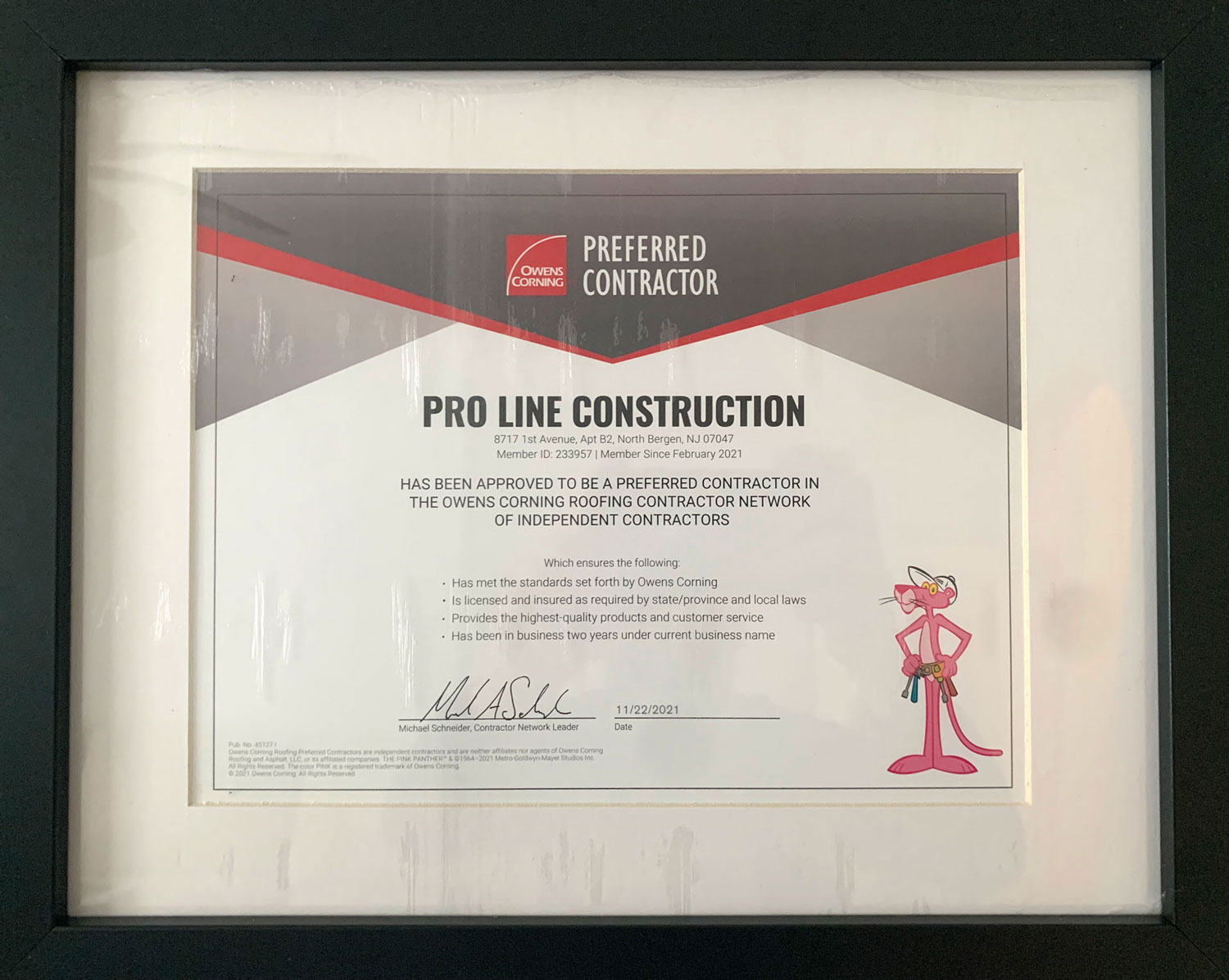
We handle masonry and paver installation across Ampere North and the surrounding areas. We’re not a national franchise that shows up, drops materials, and disappears. We’re local, and we’ve seen what happens when patios aren’t built for this climate.
New Jersey’s weather doesn’t mess around. Water gets into cracks, freezes, expands, and turns small problems into expensive ones. We account for that from the start—proper base prep, correct grading, materials that hold up.
We also handle permits and code requirements so you don’t have to figure out what Ampere North requires for impervious surface limits or stormwater management. You get a patio that’s built right and passes inspection the first time.

First, we come out to look at your space. We’re checking drainage, slope, soil conditions, and what’s realistic for your yard. If there’s a problem that’ll cause issues later, we tell you before we start digging.
Once we’re on the same page, we handle the permit process. Ampere North has specific requirements around impervious surfaces and drainage, and we make sure everything’s filed correctly so you’re not dealing with fines or failed inspections down the road.
Then we prep the base. This is the part most people don’t see but makes the biggest difference. We excavate to the right depth, compact the base material in layers, and set the grade so water moves away from your house. If the base isn’t right, nothing else matters.
After that, we install your paver stones or pour your concrete patio, depending on what you chose. Cambridge pavers give you more design flexibility and are easier to repair if one section ever needs attention. Concrete patios are clean, simple, and durable when installed with proper control joints.
We finish with edging, joint sand, and a final compaction. Then we walk you through what to expect for the first few weeks as everything settles. You’ll know how to maintain it and what’s normal versus what needs a call.

Ready to get started?
You’re getting a base that’s built to code and engineered for drainage. That means compacted gravel in layers, not just dirt with pavers on top. It means slope that directs water away from your foundation, not toward it.
You’re getting materials that work in this climate. Cambridge pavers are designed to handle freeze-thaw cycles without cracking. Concrete patios are poured with control joints and proper curing time so they don’t spiderweb after the first winter.
In Ampere North, you’re also dealing with higher density living and smaller yards than you’d find farther out. That means your patio design needs to maximize usable space without making your yard feel cramped. We account for that in the layout—where you’ll walk, where you’ll sit, where you need access to the house or garage.
You’re also getting someone who handles the permit process and knows what the town requires. Exceeding impervious surface limits can lead to fines and drainage problems. We make sure your project stays compliant and doesn’t create issues with runoff or soil degradation.
And if you want to add features later—fire pit, outdoor kitchen, pergola—we design the patio so it’s expandable. A lot of homeowners start with the foundational paver patio and add elements as budget allows. We plan for that upfront so you’re not ripping things out to expand later.

A properly installed paver patio lasts 25+ years in New Jersey, even with freeze-thaw cycles. The key word is “properly installed.”
Pavers themselves are built to handle freezing and thawing without cracking. The problem is usually the base underneath. If the base isn’t compacted correctly or the grading is off, water sits where it shouldn’t. That water freezes, expands, and shifts the pavers. You end up with uneven sections, sunken spots, and stones that rock when you step on them.
When we install paver patios in Ampere North, we excavate deep enough to get below the frost line, compact the base material in layers, and set the slope so water drains away. That prep work is what keeps your patio level and stable through decades of weather. The pavers are just the top layer—the base is what matters.
Yes, most patio installations in Ampere North require a permit, especially if you’re adding significant square footage or changing drainage patterns.
The town wants to make sure your project doesn’t exceed impervious surface limits, which can cause drainage problems and soil issues. They also check that stormwater management is handled correctly so runoff doesn’t flood neighboring properties or overwhelm the local system.
We handle the permit process as part of the installation. That means pulling the permit, submitting plans, and scheduling inspections. You don’t have to figure out what the town requires or deal with the back-and-forth. We make sure everything’s filed correctly and passes inspection the first time so you’re not stuck with fines or delays.
Concrete patios are poured in place, cost less upfront, and give you a clean, uniform surface. Paver patios are installed piece by piece, offer more design flexibility, and are easier to repair if one section ever needs work.
Concrete cracks. That’s not a quality issue—it’s how concrete behaves. We use control joints to manage where those cracks happen so they’re less noticeable, but they’ll still show up eventually. If a section does crack badly, you’re looking at either living with it or replacing a larger area.
Pavers don’t crack the same way. If one stone gets damaged or stained, you replace that stone. If the ground settles in one spot, you lift those pavers, adjust the base, and put them back. You’re not tearing out and repouring an entire section. Cambridge pavers also give you hundreds of color and pattern options, so you can match your home’s style or create something custom. Concrete is more limited unless you go with stamped or stained finishes, which add cost.
Drainage starts with proper grading and base prep. We slope the patio away from your house so water moves toward your yard or a drainage system, not toward your foundation.
The base itself is built in compacted layers—usually gravel and sand—that allow water to percolate down instead of pooling on the surface. If your yard has drainage issues or heavy clay soil, we may need to add a drainage system underneath the patio or adjust the grading more aggressively.
In Ampere North, impervious surface limits also come into play. Adding a large patio increases the amount of water that runs off your property instead of soaking into the ground. Depending on your lot size and existing hardscaping, you may need to incorporate permeable pavers or a stormwater management plan. We assess that during the initial visit and let you know what’s required before we start the project.
Yes, and a lot of homeowners in Ampere North do exactly that. You start with the foundational paver patio, then add features like a fire pit, outdoor kitchen, or pergola as budget allows.
The key is designing the patio with expansion in mind from the start. We plan the layout so there’s room to add elements later without ripping out sections or redoing the base. That means thinking about where utilities might need to run, where you’d want a cooking area, or where a seating wall makes sense.
Pavers make this easier than concrete because you’re working with individual stones. If you want to expand the patio or tie in a walkway later, we match the existing pavers and extend the base. It looks intentional, not like an afterthought. Concrete is harder to expand cleanly—you’re either cutting into the existing slab or creating visible seams where old meets new.
Most patio installations in Ampere North run between $8,000 and $15,000, depending on size, materials, and site conditions. Smaller paver patios with basic patterns start closer to $8,000. Larger patios with custom designs, multiple elevations, or difficult access push toward $15,000 or higher.
Concrete patios cost less upfront—usually $6 to $10 per square foot installed. Paver patios run $15 to $25 per square foot depending on the paver style you choose. Cambridge pavers sit in the mid-to-upper range but give you better durability and design options than basic concrete pavers.
Site conditions also affect cost. If your yard has poor drainage, heavy slope, or difficult access for equipment, that adds time and labor. If we need to remove an old patio or deal with tree roots, that’s extra work. We give you a clear estimate upfront after seeing your property so there are no surprises halfway through the project. And for what it’s worth, homeowners recover about 95% of patio installation costs when they sell, so you’re not just spending—you’re investing in your property value.
Other Services we provide in Ampere North