

You know the patio needs work. Water pools after every rain. The concrete’s cracking in spots you can’t ignore anymore. Maybe you’ve been putting it off because the last contractor left things worse than they started.
Here’s what changes when it’s done right. You get a space that drains properly, looks clean, and doesn’t need constant patching. Cambridge pavers lock together without shifting, so you’re not dealing with uneven surfaces or tripping hazards. The material doesn’t fade under summer sun or crack when winter hits.
It’s not about making your backyard Instagram-ready. It’s about having a functional outdoor area where you can set up furniture, grill without standing in a puddle, and not worry about what breaks next. That’s the difference between a patio that works and one that becomes another project on your list.
We’ve been handling masonry and hardscaping work across Essex County for nearly two decades. We’re not new to Bloomfield—we know the soil conditions, the drainage challenges, and what materials actually hold up here.
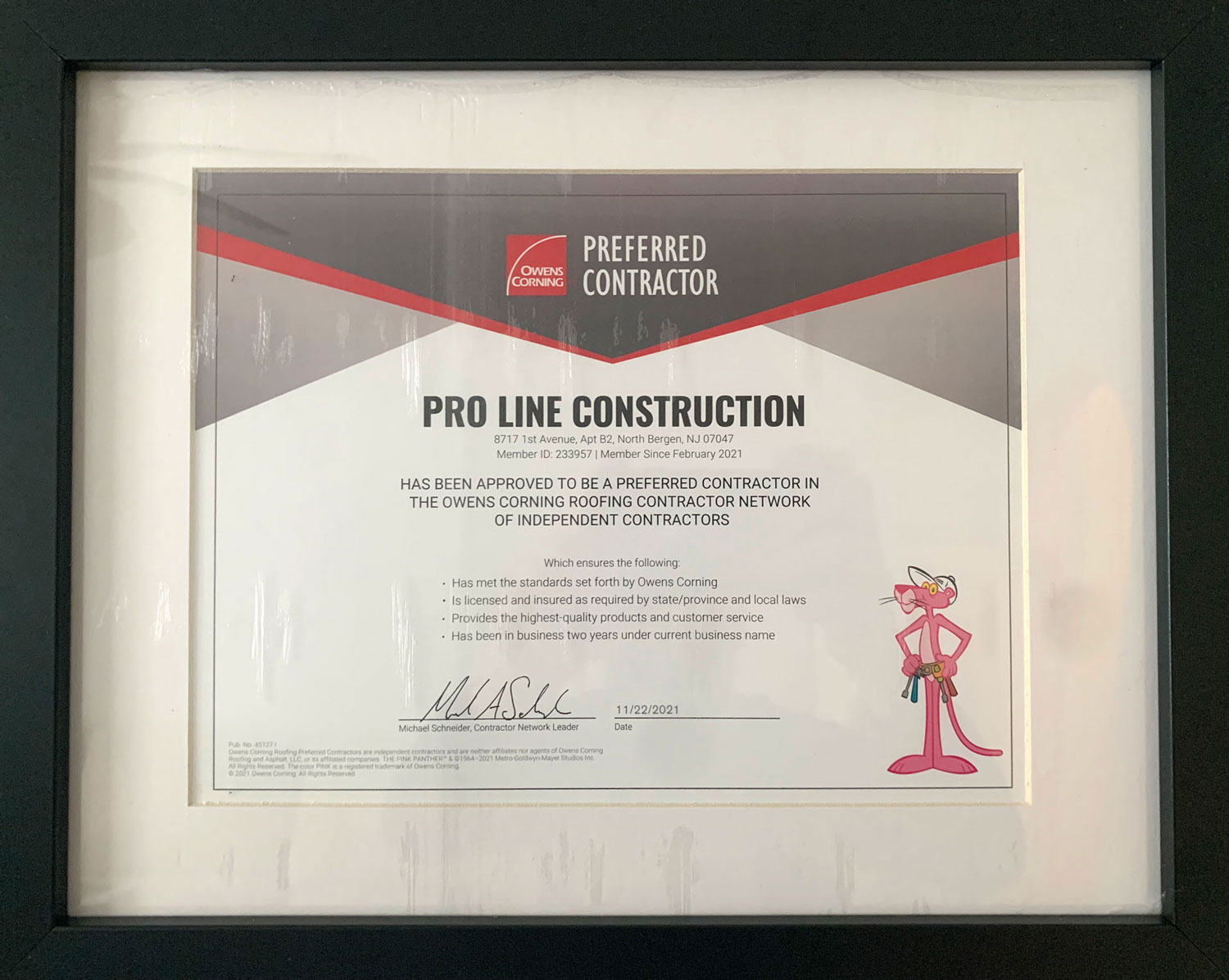
We’re a Cambridge Certified Contractor, which means we’ve been trained on proper installation methods and we back our paver work with a five-year guarantee. No hidden fees, no surprise charges. You get a quote upfront, and that’s what you pay.
Most of our work comes from referrals, which tells you something. Bloomfield homeowners don’t recommend contractors who cut corners or disappear halfway through a job. We show up, we finish on time, and we clean up when we’re done.

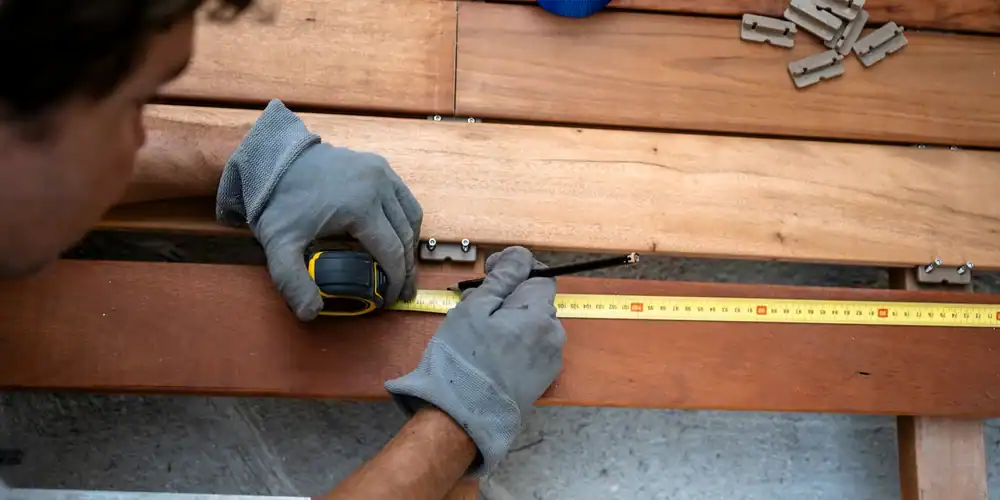
First, we come out to look at your space. We measure, check drainage, and talk through what you’re trying to fix or build. You’ll get a free estimate that breaks down materials, labor, and timeline—no guessing.
Once you’re ready to move forward, we prep the site. That means excavating to the right depth, grading for proper water runoff, and laying a compacted base that won’t shift. This part matters more than most people realize—it’s what keeps your patio level for years.
Then we install the pavers. We use polymeric sand in the joints, which resists weeds and insects better than regular sand. Every stone gets set properly so the surface stays even. If we’re overlaying an existing concrete patio, we skip the demo and build right on top, which saves time and cost.
After installation, we clean everything, seal if needed, and walk you through basic maintenance. Most Cambridge paver patios need almost nothing—just an occasional rinse and maybe fresh sand every few years. You’re not signing up for constant upkeep.

Ready to get started?
You’re getting Cambridge pavers with ArmorTec technology, which are twice as strong as poured concrete and a lot less absorbent. That means they handle freeze-thaw cycles without cracking and resist damage from de-icing salts. They’re also slip-resistant, which matters when you have kids or older family members using the space.
Design-wise, you’ve got options. Herringbone patterns add texture and help with structural integrity. Larger format slabs give you a cleaner, more modern look. We can match your existing driveway pavers if that’s the goal, or go with something completely different for the backyard.
Bloomfield homes tend to have smaller yards with older drainage systems, so we pay close attention to grading and runoff. A lot of patios we replace had standing water issues because they weren’t sloped correctly. We fix that during the base prep, so you’re not dealing with puddles or water backing up toward your foundation.
If you want to add a fire pit, outdoor kitchen area, or retaining wall later, Cambridge pavers make that easy. Everything ties together without looking like an afterthought. And because the pavers are modular, repairs are simple—you replace individual stones instead of tearing out entire sections like you would with concrete.

It depends on size and material, but you’re typically looking at $10 to $35 per square foot for a Cambridge paver installation. A smaller 200-square-foot patio might run $2,000 to $7,000. A larger 600-square-foot space could be $6,000 to $21,000.
The range comes down to design complexity, site prep, and whether we’re starting from scratch or overlaying existing concrete. If your yard has drainage problems or needs significant grading work, that adds to the cost. Same with custom patterns or multiple paver colors.
We give you a detailed estimate upfront so there’s no confusion. You’ll see exactly what you’re paying for—materials, labor, base prep, and cleanup. No line items that magically appear later.
Most residential patio projects take three to five days, depending on size and site conditions. A straightforward 300-square-foot patio on level ground with good drainage might be done in three days. A larger space with grading issues or a complex pattern could take a week.
Weather affects the timeline. We can’t pour base material or set pavers in heavy rain, so we’ll pause if conditions aren’t right. We’ll keep you updated if that happens—no disappearing act.
Once we start, we work straight through until it’s finished. You’re not waiting weeks between phases or wondering when we’re coming back. We schedule the job, show up, and get it done.
Yes, as long as the concrete is in decent shape. If it’s mostly intact without major heaving or deep cracks, we can use it as a base and overlay Cambridge pavers right on top. This saves you the cost of demolition and disposal, which can be significant.
We still need to check the slope and drainage. If water’s pooling on your current patio, we’ll address that during the overlay process. Sometimes that means adding a slight grade or adjusting how the pavers are laid.
The overlay process is faster and less disruptive than a full tear-out. You get a brand-new surface without the mess of jackhammering and hauling away concrete. And the finished patio performs just as well as one built from scratch.
Cambridge pavers are individual interlocking stones made from high-density concrete. They’re twice as strong as poured concrete and far less absorbent, which means they handle New Jersey winters better. Poured concrete cracks when water seeps in and freezes. Pavers flex slightly and don’t crack the same way.
Pavers are also easier to repair. If one stone gets damaged or stained, you replace that piece. With poured concrete, you’re cutting out sections and patching, which never looks quite right.
Maintenance is simpler too. Pavers don’t need sealing as often, and they don’t show salt damage like concrete does. They’re also slip-resistant, which makes them safer when wet. The upfront cost is higher, but you’re not dealing with resurfacing or replacement nearly as often.
Yes, especially Cambridge pavers. They’re designed for freeze-thaw cycles, which is what tears apart most concrete patios in this area. The material is dense and non-absorbent, so water doesn’t get trapped inside and expand when it freezes.
Snow and ice don’t damage them. You can use a snowblower or metal shovel without worrying about chipping the surface. De-icing salts won’t cause the same pitting and deterioration you see with concrete or asphalt.
Summer heat isn’t an issue either. The pavers won’t fade under UV exposure the way stamped concrete does. And because they’re individual pieces with sand joints, they handle ground movement better than a solid slab. Bloomfield’s clay-heavy soil shifts seasonally—pavers adjust without cracking.
Maintenance is minimal. Sweep or rinse it off occasionally to keep dirt and debris from building up in the joints. If weeds pop up, pull them or hit them with a weed killer—the polymeric sand we use resists growth, but nothing’s 100% weed-proof forever.
Every few years, you might need to top off the joint sand if it’s washed out in spots. That’s a simple fix—you brush new polymeric sand into the gaps and mist it down. Takes an hour, maybe two.
If a paver gets stained or damaged, you can pull it out and replace it without tearing up the whole patio. Most homeowners never need to do this, but it’s an option if something happens. No sealing required unless you want to enhance the color, and even then it’s optional. These patios are built to last without constant attention.
Other Services we provide in Bloomfield