

You’re not just adding square footage. You’re creating a space that works through every season New Jersey throws at it.
A properly built paver patio can increase your property value by up to $30,000 and deliver over 80% ROI. That’s not marketing talk—that’s what happens when you choose materials designed for this climate and install them correctly. Cambridge pavers with ArmorTec technology don’t crack under pressure or temperature swings the way poured concrete does. They handle moisture, they resist freeze damage, and if one ever breaks, you replace that single paver instead of tearing up the whole thing.
You also get a space that doesn’t puddle after rain. Proper grading and compaction mean water drains where it should. You’re not dealing with standing water, shifting stones, or uneven surfaces three years down the line.
And you’re adding functional living space. Whether you’re grilling on a Sunday afternoon or hosting in the fall, your patio becomes an extension of your home—not a project you regret or have to redo.
We’ve worked on residential and commercial projects across Chester Township and surrounding areas for nearly 20 years. We’re not new to New Jersey’s weather, its permit requirements, or what it takes to build something that lasts here.
Brookdale homeowners have high standards. The median home value here is over $850,000, and most properties are owner-occupied. You’re not looking for the cheapest option—you’re looking for the right one. That means quality materials, transparent pricing, and a team that shows up when they say they will.
We handle everything from design to installation. No subcontractors you’ve never met. No surprise charges halfway through. Just clear communication and work that holds up.

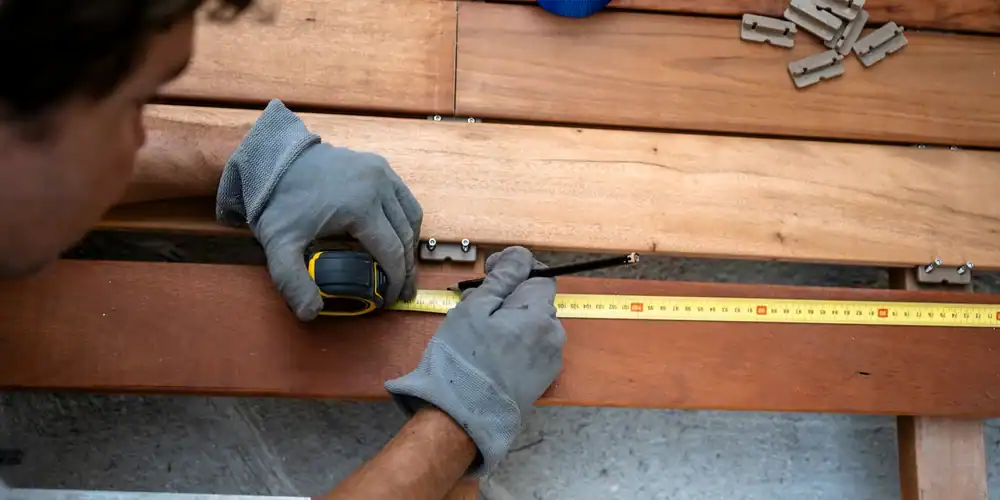
First, we come out to your property and talk through what you want. We measure the space, discuss materials, and go over design options that fit your home’s style and your budget. You’ll get a free estimate that breaks down costs—no hidden fees, no vague line items.
Once you approve the plan, we handle the permits. Most outdoor projects in New Jersey require them, even if you think yours doesn’t. We make sure everything is filed correctly so you don’t deal with fines or delays later.
Then we prep the site. That means excavation, grading, and laying a compacted base that prevents shifting and drainage issues. This step matters more than most people realize—it’s what keeps your patio level and functional for decades.
After the base is set, we install your pavers. Whether you’re going with Cambridge paver stones, natural stone, or another material, we lay everything with precision. Edges are clean, patterns line up, and spacing is consistent.
Finally, we clean up and walk you through maintenance. You’ll know exactly how to keep your patio looking good without hiring someone every season.

Ready to get started?
You’re getting more than just paver stones laid on dirt. Every project includes site evaluation, design consultation, permit handling, excavation, base preparation, material installation, and final grading.
We use materials rated for New Jersey’s climate. That means freeze-thaw resistance, non-slip surfaces, and durability that outlasts cheaper alternatives. Cambridge pavers are a go-to because they’re engineered for this—hundreds of colors and patterns, ArmorTec technology for traction, and a system that allows individual replacement if needed.
Brookdale’s housing stock leans heavily toward single-family homes with backyards. Most properties here have room for custom patio designs that match the home’s architecture. Whether you want a simple rectangular layout or something with curves, borders, and built-in seating areas, we design it to fit your space and how you’ll actually use it.
We also account for drainage. New Jersey gets rain in every season, and snow melt in winter. If water doesn’t move away from your patio and foundation, you’ll have problems. We grade everything properly and use materials that reduce puddling and water accumulation.
You’re also working with a masonry company that handles other exterior projects—driveways, walkways, outdoor kitchens. If you want your patio to connect visually with the rest of your property, we can design it that way from the start.

Most patio projects require a permit in New Jersey, even if the structure isn’t covered or enclosed. A lot of homeowners assume small projects don’t need approval, but that’s not accurate.
If your patio involves excavation, changes to grading, or connects to your home’s foundation, you’ll likely need a permit. Even freestanding patios often require one depending on size and materials. Skipping this step can lead to fines, stop-work orders, or having to tear out work that doesn’t meet code.
We handle permit applications as part of the process. That means you’re not navigating township requirements on your own or risking delays because paperwork wasn’t filed correctly. It’s one less thing you have to manage, and it keeps the project moving without issues.
A properly installed paver patio can last up to 100 years. That’s not an exaggeration—it’s what happens when you use the right materials and install them correctly.
New Jersey’s climate is tough. You’ve got hot summers, freezing winters, heavy rain in spring, and snow that melts and refreezes. Poured concrete cracks under that kind of stress. Brick can erode. But pavers—especially ones rated for freeze-thaw cycles—hold up because they’re designed to flex slightly and allow water to drain through joints instead of pooling on the surface.
If a paver does crack or stain over time, you replace that one piece. You’re not tearing up the whole patio or dealing with spiderweb cracks that spread across concrete. That’s why pavers make sense here—they’re durable, they’re repairable, and they don’t require constant maintenance to stay functional.
Concrete is cheaper upfront, but it doesn’t hold up as well in New Jersey. It cracks when the ground shifts or freezes, and once it cracks, you’re looking at a full replacement or expensive resurfacing.
Paver patios cost more initially, but they last longer and require less maintenance. Individual pavers can handle freeze-thaw cycles without cracking. If one breaks, you swap it out. Water drains between the joints instead of pooling on the surface, which reduces ice buildup in winter and puddling after rain.
Pavers also give you more design flexibility. You can choose from hundreds of colors, patterns, and textures. You can create borders, inlays, or custom shapes that match your home’s style. Concrete is flat, uniform, and limited. If you’re investing in your property and want something that adds curb appeal and resale value, pavers are the better choice.
Cost depends on size, materials, site conditions, and design complexity. A basic paver patio might start around $15 to $20 per square foot. More intricate designs with premium materials like Cambridge pavers or natural stone can run $25 to $40 per square foot or more.
That includes excavation, base prep, materials, labor, and cleanup. If your yard has drainage issues, steep grading, or requires significant site work, that adds to the cost. But those aren’t extras—they’re necessary to make sure your patio doesn’t shift, settle, or develop problems a few years in.
We give you a detailed estimate upfront. No vague numbers, no surprise charges later. You’ll know what you’re paying for and why. And you’re not just paying for installation—you’re paying for a patio that increases your property value, delivers strong ROI, and doesn’t need to be redone in five years.
Cambridge pavers are one of the best options for New Jersey’s climate. They’re engineered to handle freeze-thaw cycles, resist cracking, and provide non-slip surfaces even when wet. The ArmorTec technology adds extra durability and traction, which matters if you’re using the patio near a pool or in shaded areas that stay damp.
Natural stone is another solid choice if you want a high-end look. It’s durable, weather-resistant, and works well with Brookdale’s upscale housing market. Stone does require more maintenance than pavers, but it holds up well and adds significant curb appeal.
Avoid materials that aren’t rated for freeze-thaw cycles. Cheaper pavers, poured concrete, and certain types of brick will crack, shift, or erode faster here. You’ll end up spending more on repairs and replacements than you saved upfront. Choose materials designed for this climate, and you won’t have to redo the project in a few years.
Start by asking neighbors who’ve had work done recently. Word of mouth tells you more than online reviews sometimes. Look for contractors with local experience—someone who knows New Jersey’s permit process, climate challenges, and what materials hold up here.
Get multiple bids for the same layout so you’re comparing apples to apples. If one estimate is way lower, ask why. It usually means cheaper materials, less site prep, or corners cut that cause problems later.
Check how long they’ve been in business and whether they handle permits. A contractor who’s been working in Essex County for years knows the local codes and won’t leave you dealing with township issues. And make sure they’re transparent about pricing—no vague estimates or surprise fees halfway through. You should know exactly what you’re paying for before work starts.
Other Services we provide in Brookdale