

You’re not just getting pavers laid down. You’re getting a system that won’t buckle under New Jersey winters or turn into a puddle after every storm.
That means no more water pooling near your foundation. No more uneven surfaces that make your patio furniture wobble. No more calling someone back in two years because the whole thing shifted.
Cambridge pavers with ArmorTec technology handle freeze-thaw cycles better than poured concrete ever could. They’re twice as strong, they don’t crack like slabs do, and if one ever needs replacing, you swap it out without tearing up the whole patio. The color doesn’t fade because it’s mixed into the material, not painted on top.
What you end up with is a patio that looks sharp now and still looks sharp in twenty years. One that adds real value to your home because it’s built on a foundation that actually works. And one you can use without second-guessing whether it’s going to hold up.
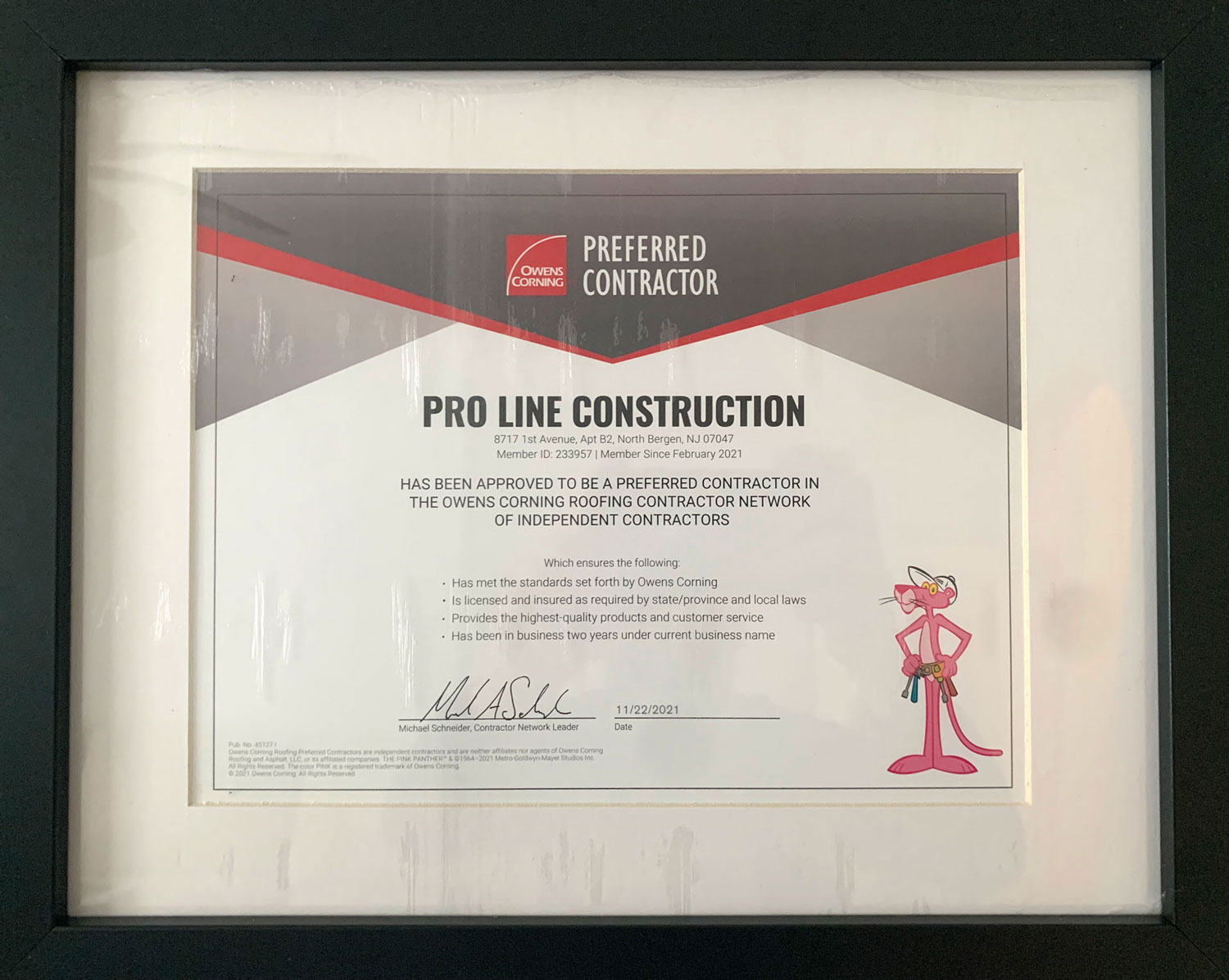
We handle exterior work for homeowners across Denville and the surrounding Morris County area. We’re licensed, insured, and we specialize in the kind of masonry and paving work that doesn’t need a do-over.
We don’t subcontract the hard parts. Our crews handle the excavation, the base prep, the grading, and the installation. That’s how we control quality from the ground up, and it’s why we can stand behind the work when it’s done.
Denville sits right in the hub of Morris County, and we know what works here. The soil conditions, the drainage challenges, the weather patterns that make or break outdoor projects. When you’re near Lake Arrowhead or anywhere around Route 46, you need someone who understands how water moves through this area. We do.

First, we come out and look at your space. We talk about how you want to use it, what drainage issues you’re dealing with, and what kind of design makes sense for your property. No pressure, just information.
Once you’re ready to move forward, we handle the permits and schedule the work. Then we excavate to the right depth, usually 8-12 inches depending on your soil and what the patio will handle. This is where most companies cut corners. We don’t.
We build the base with crushed stone, compact it in layers, and make sure the grade is right so water moves away from your house. Then we add a layer of bedding sand, set the pavers in your chosen pattern, and lock everything in place with polymeric sand in the joints.
The whole process usually takes a week to ten days for a standard patio, depending on size and weather. You’ll know the timeline upfront, and we’ll keep you updated if anything changes. When we’re done, you’ve got a patio that’s ready to use and built to last.

Ready to get started?
You’re choosing from dozens of Cambridge paver styles, shapes, and colors. Whether you want a classic look or something more modern, the design options are there. We’ll show you what works with your home’s style and your budget.
Every patio we install includes proper base construction, which is the most important part of the job. That means excavation to the right depth, compacted aggregate base, correct slope for drainage, and edge restraints to keep everything locked in place. This is what prevents settling and shifting down the road.
In Denville, drainage is critical. We’re dealing with clay-heavy soil in many areas, and water doesn’t percolate the way it does in sandier regions. We account for that in our grading and base design. If your property has specific drainage challenges, we address them before the pavers go down, not after you’ve got a problem.
You also get a manufacturer’s warranty from Cambridge and a workmanship warranty from us. We don’t use sealers unless you specifically want them, because Cambridge pavers don’t need them. The surface is naturally slip-resistant and maintenance-free. If you ever need to access utilities underneath, pavers can be lifted and reset without damage. Try doing that with a concrete slab.

For a standard 280-square-foot patio, you’re typically looking at around $3,800, but that number moves depending on the design complexity, the pavers you choose, and what your site conditions require. If we’re dealing with significant grading issues, poor drainage, or difficult access, that affects the price.
Cambridge pavers cost more upfront than poured concrete, but they last longer and don’t crack. You’re also not paying for repairs or replacement in five years when a concrete slab starts breaking up. The return on investment is better because the patio adds real value to your home and doesn’t deteriorate the way other materials do.
We give you transparent pricing before any work starts. No hidden fees, no surprises when the job’s done. You’ll know what you’re paying for and why.
Concrete slabs crack. That’s not a maybe, it’s a when. Freeze-thaw cycles, ground movement, tree roots, settling—all of it leads to cracks that you can’t really fix without replacing the whole slab.
Paver patios are flexible systems. The individual pavers can move slightly without cracking, and if ground settles unevenly, you’re not looking at a destroyed patio. You might need to lift and re-level a section, which is a manageable fix. With concrete, you’re tearing it out and starting over.
Pavers also give you design options that concrete doesn’t. Different colors, patterns, textures, borders. And if you ever need to access plumbing or electrical lines under the patio, you can remove pavers and put them back. With concrete, you’re breaking it up with a jackhammer and patching it afterward, which never looks right.
A properly installed paver patio lasts 20 to 50 years, sometimes longer depending on the pavers and how much maintenance you do. Cambridge pavers with ArmorTec are engineered to outlast standard concrete by a significant margin.
The key word there is “properly installed.” Most paver failures aren’t because the pavers themselves failed. They’re because the base wasn’t built right. If the excavation is too shallow, the aggregate isn’t compacted correctly, or the drainage is wrong, you’ll have problems regardless of how good the pavers are.
New Jersey winters are hard on outdoor surfaces. Freeze-thaw cycles, snow plowing, salt—all of it tests your patio every year. Cambridge pavers are designed for this. They have very low water absorption, so they don’t crack when moisture freezes inside them. That’s why they hold up better than concrete or cheaper pavers that aren’t made to the same standards.
Yes, if the existing concrete is in decent shape. It needs to be relatively level, structurally sound, and draining properly. If it’s already cracked and settling, putting pavers over it just means you’ll have the same problems with a nicer-looking surface.
When we overlay pavers on concrete, we’re essentially using the concrete slab as the base. We add a leveling layer, set the pavers, and finish the joints. This saves you the cost of removing and disposing of the old concrete, which can be significant.
The catch is that the new surface will be higher than the old one, so you need to make sure that doesn’t create issues with door thresholds, steps, or drainage. We evaluate all of that during the initial visit. If an overlay makes sense, it’s a cost-effective way to upgrade your patio. If the existing concrete is too far gone, we’ll tell you that too.
Not much. Sweep it occasionally, rinse it off with a hose when it gets dirty, and pull weeds from the joints if any show up. That’s about it.
Cambridge pavers don’t need sealing. Some companies will try to sell you on sealers, but the pavers are designed to perform without them. The color is part of the material, not a surface coating, so it doesn’t fade. The surface is naturally slip-resistant and doesn’t get slick when wet.
If you ever get a stain—oil, rust, whatever—you can usually clean it with soap and water or a mild cleaner. In the rare case a paver gets damaged, you can replace just that one paver without disturbing the rest of the patio. You don’t need special tools or skills. That’s one of the biggest advantages of a paver system over a concrete slab.
Late fall through winter is actually ideal for the installation itself, even though it seems counterintuitive. The ground conditions during the colder, wetter months help us dial in the base and drainage more accurately. You also avoid the spring and summer rush, which means better availability and sometimes better pricing.
That said, we install patios year-round as long as the ground isn’t frozen solid. Spring and summer are popular because people want to use their patios right away, and that’s fine. Just know that scheduling fills up fast during those months.
If you’re planning ahead, reaching out in late summer or early fall for a late fall installation gives you the best of both worlds. You get the installation advantages of cooler weather, and your patio is ready to go as soon as spring hits. Either way, the key is getting on the schedule early so you’re not waiting months for an opening.
Other Services we provide in Denville